


EU-India FTA Eliminates 99.5% Tariffs | $184.8B Duty Savings for Cross-Border Sellers
- Bilateral trade projected to reach $200B by 2030; textiles, pharmaceuticals, gems & jewelry see immediate tariff reductions; effective end of 2026 after ratification
















Overview
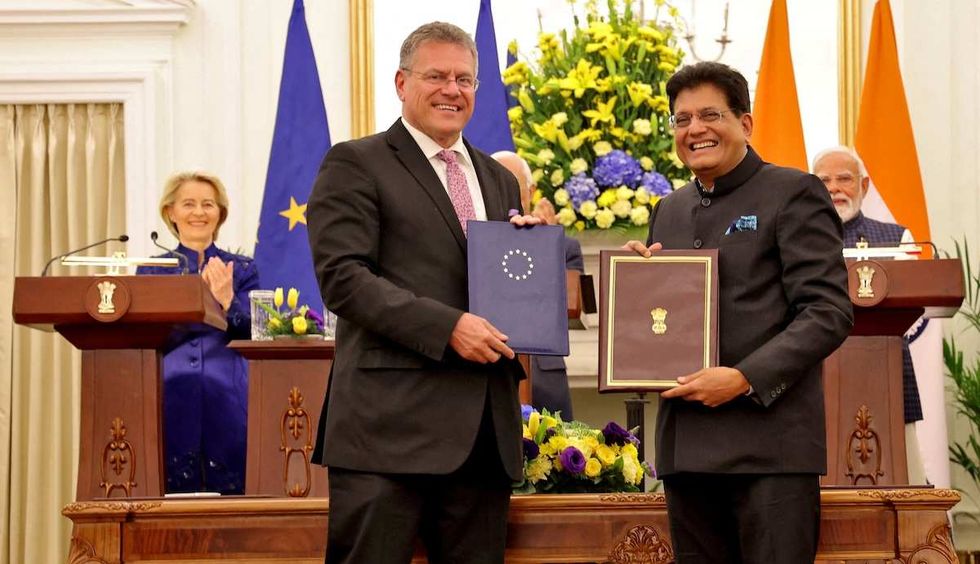
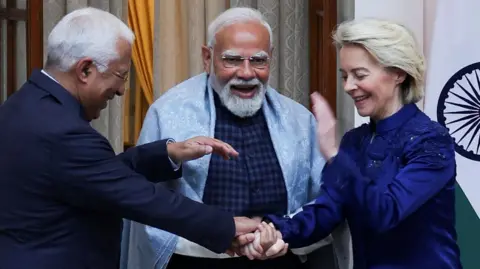
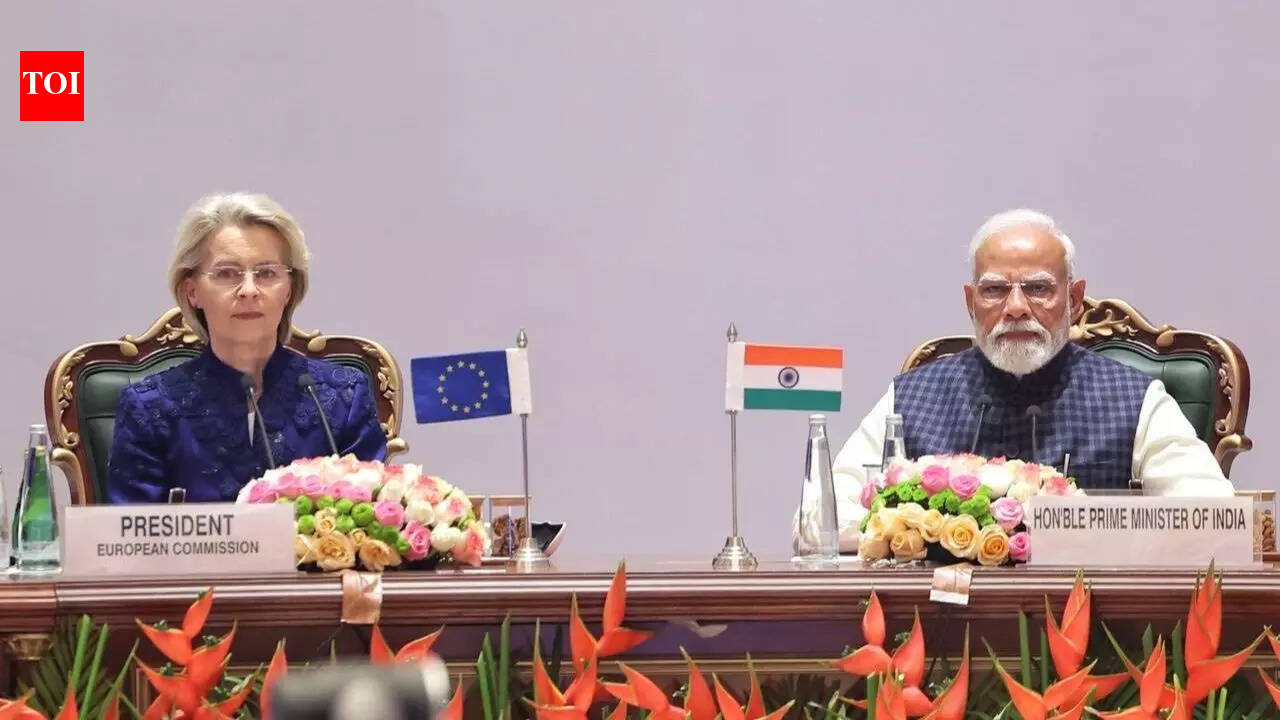
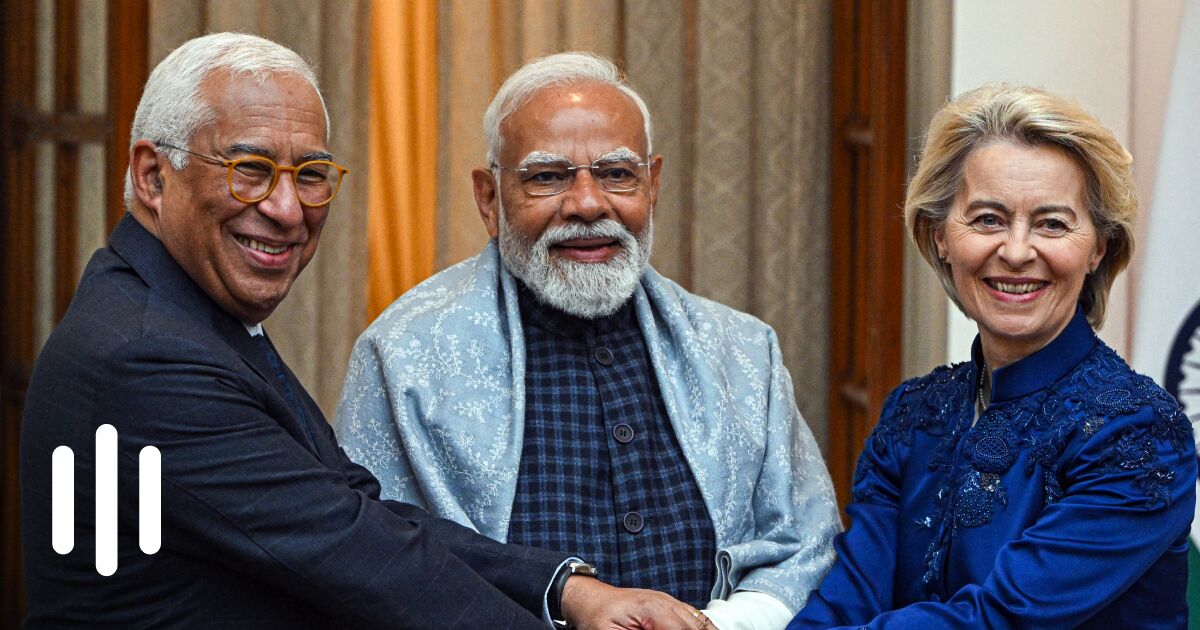
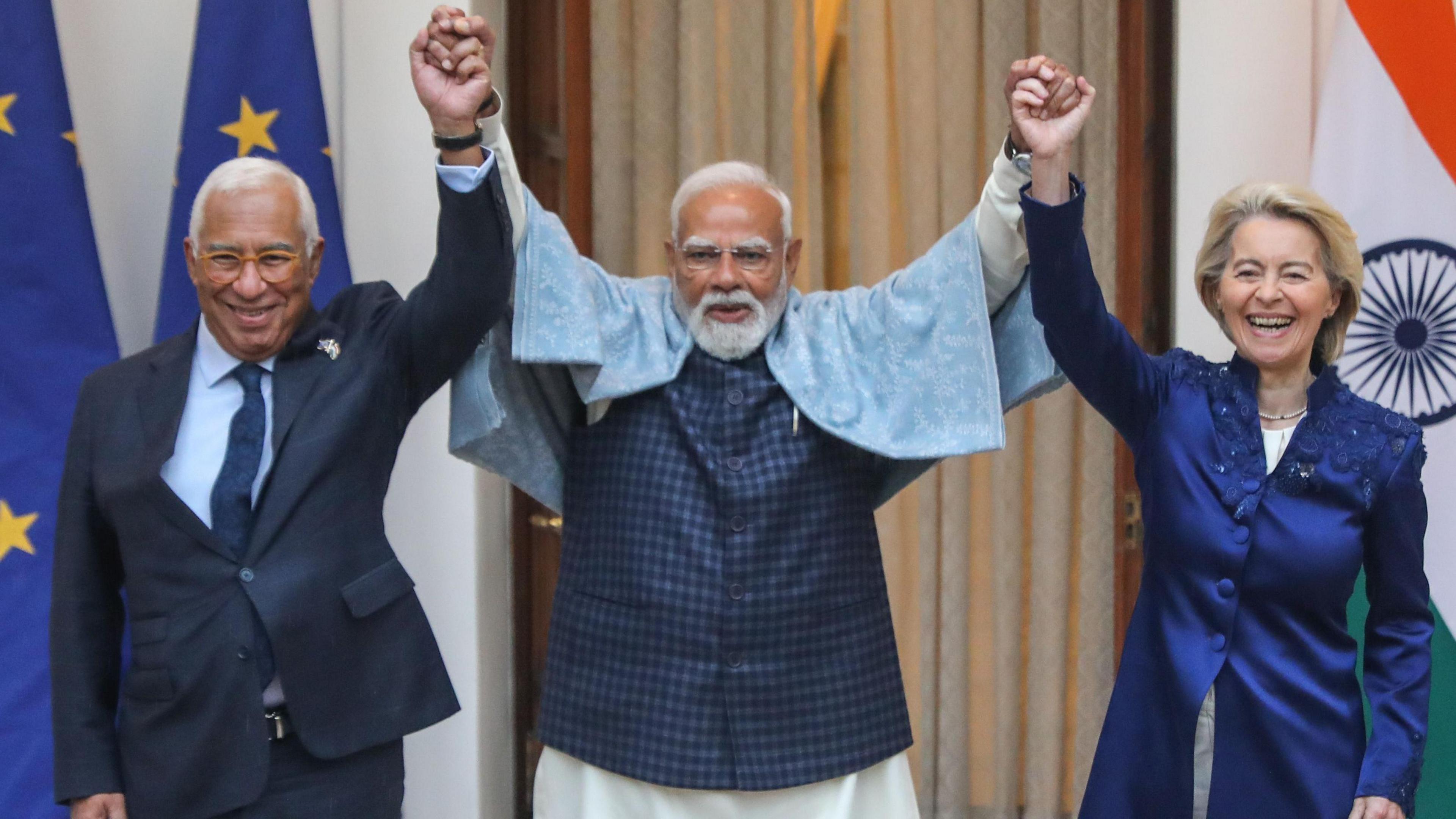
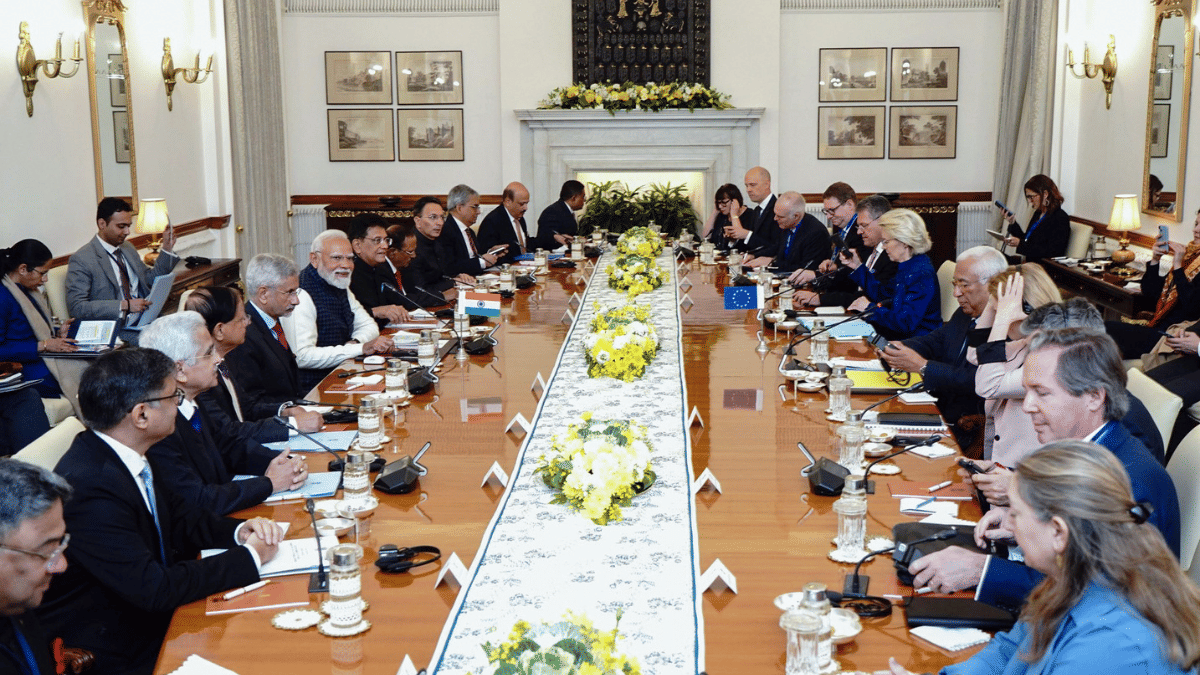
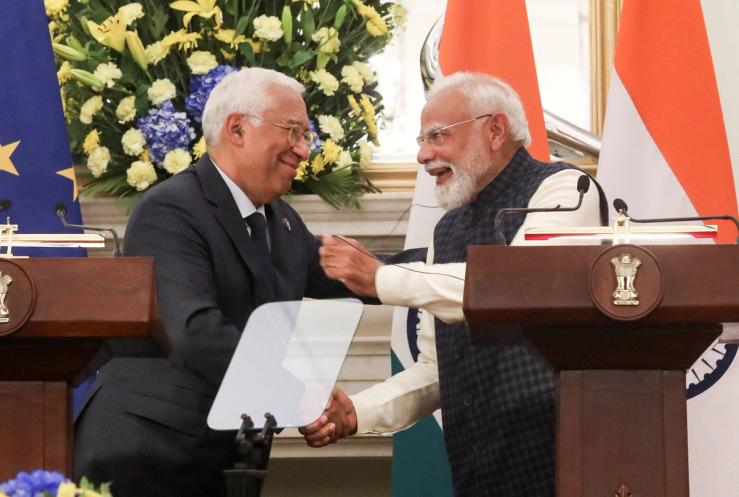
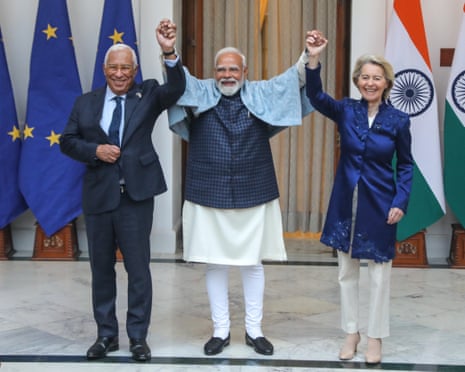
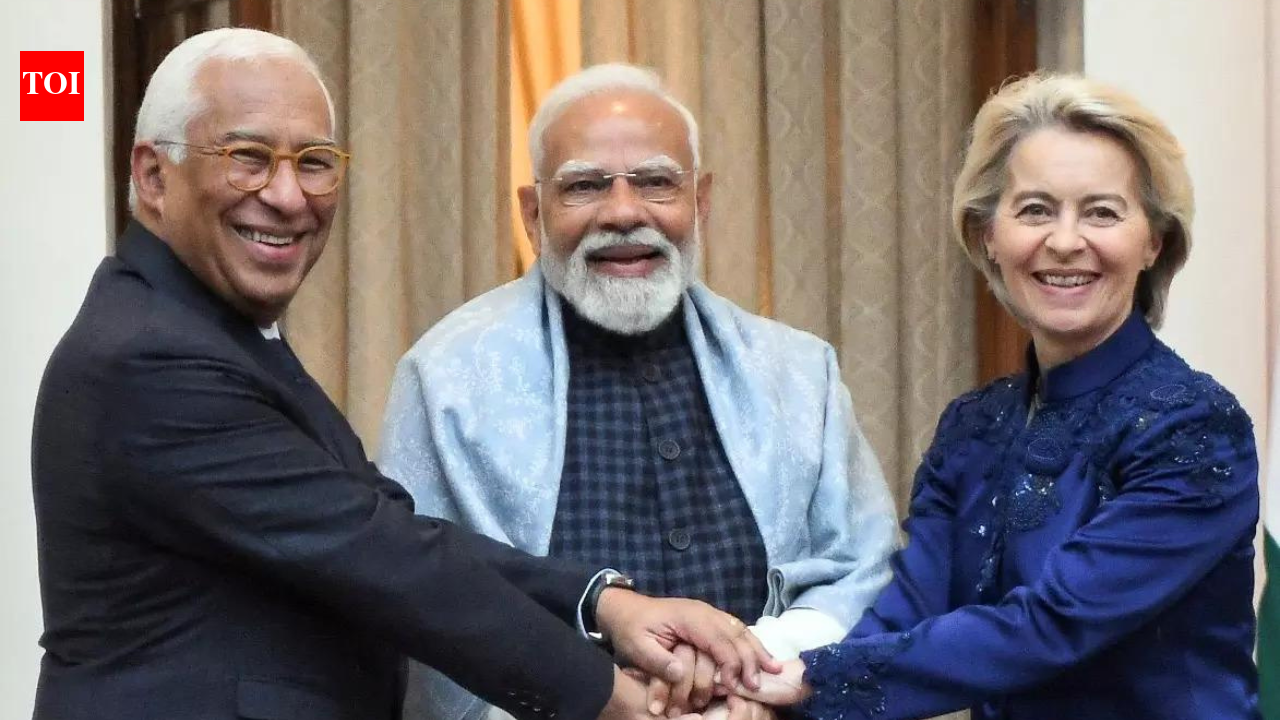
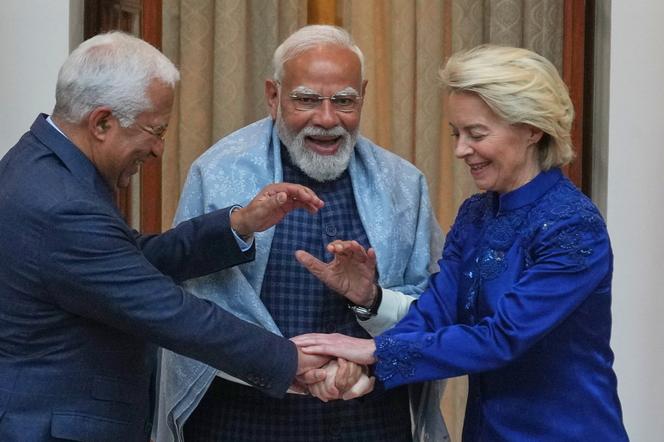
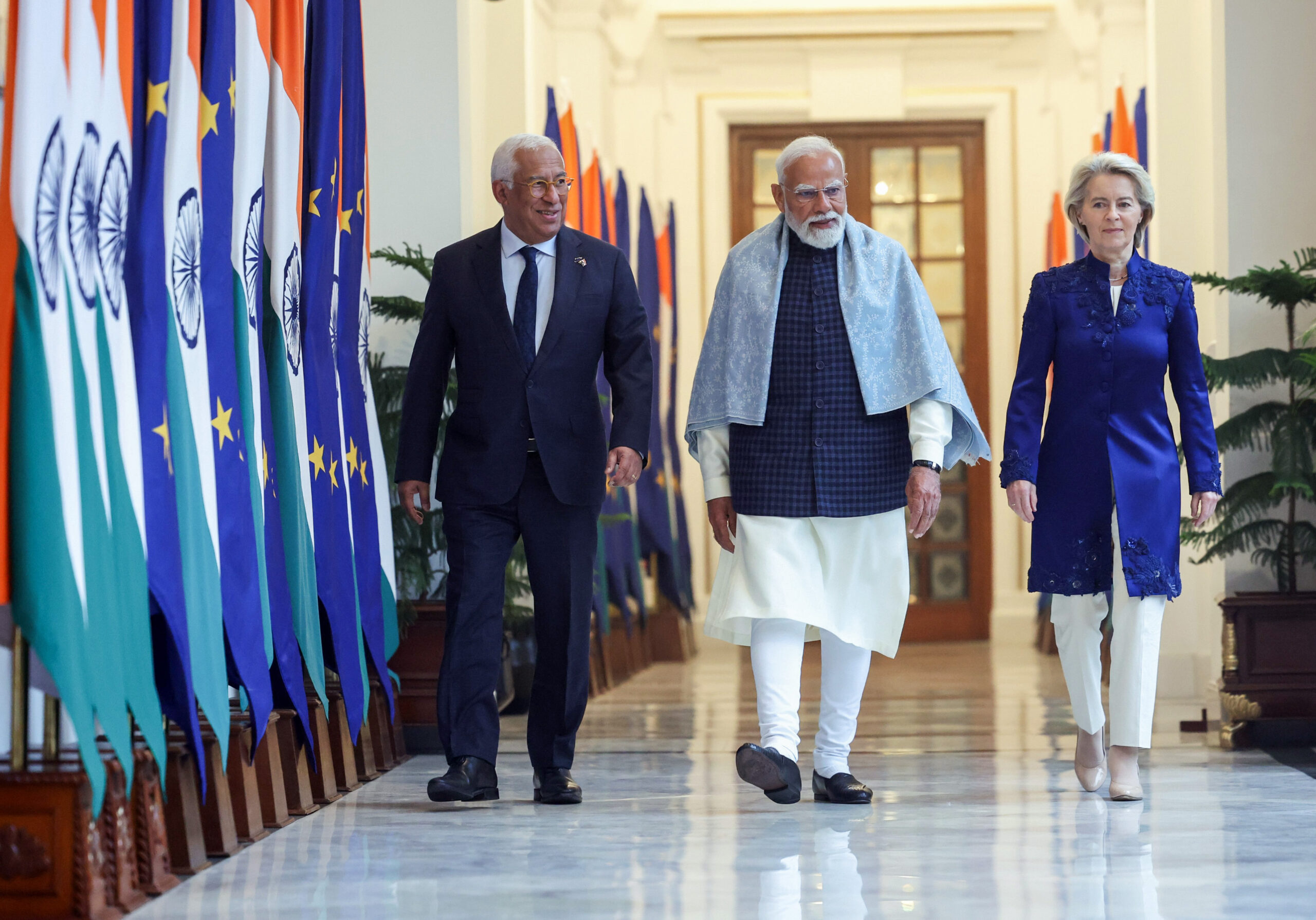
The India-EU Free Trade Agreement, announced January 27, 2026, represents a transformational shift in cross-border commerce dynamics, eliminating tariffs on 99.5% of Indian goods and 96.6% of EU exports over a seven-year implementation period. This landmark deal—concluded after 25 years of stalled negotiations—directly addresses the tariff shock created by Trump's 50% duties on Indian goods and 25% penalties for Russian oil purchases, making bilateral trade more predictable and cost-efficient for e-commerce sellers operating across both markets.
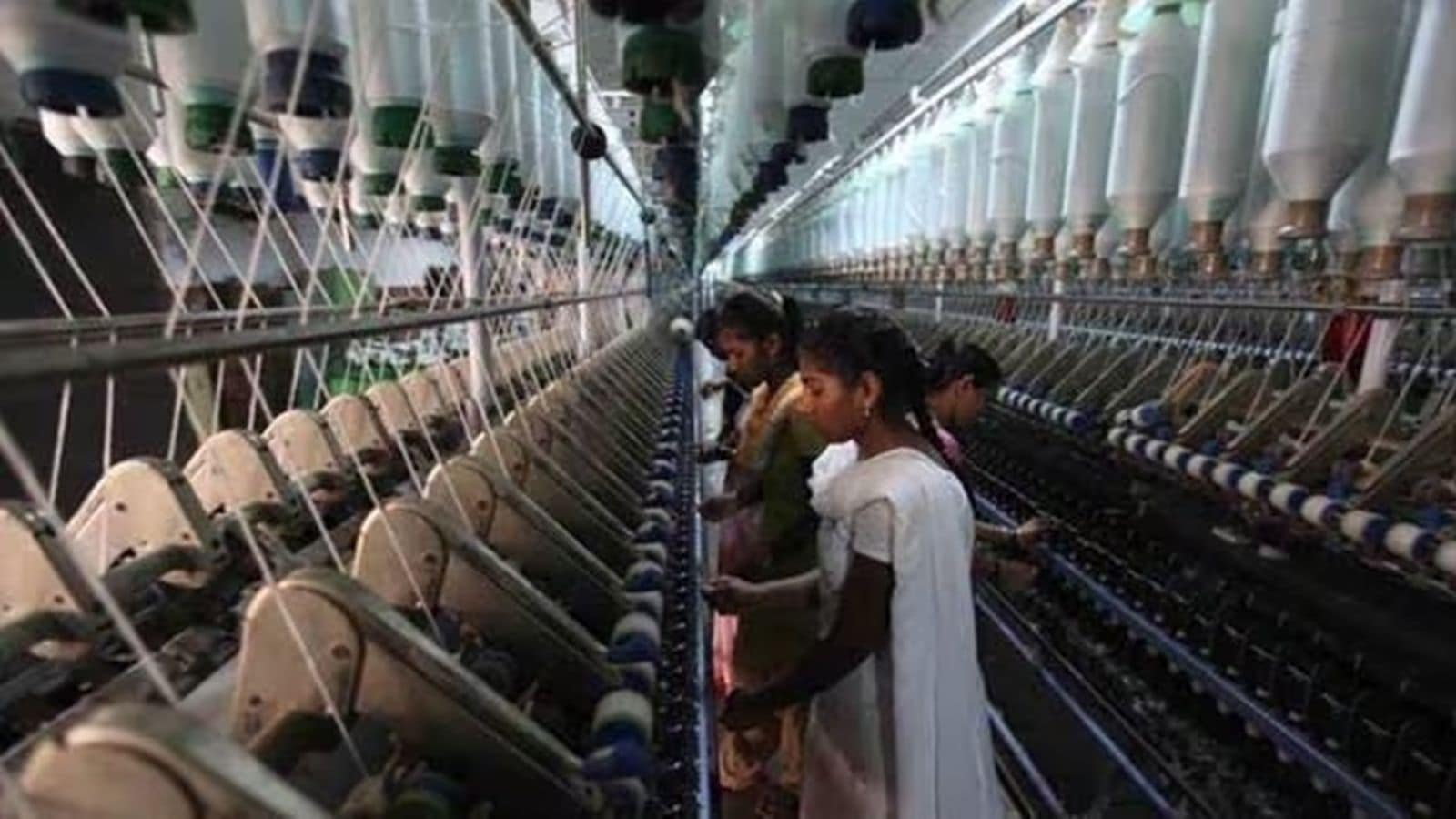
Immediate Tariff Arbitrage Opportunities: The agreement creates significant margin expansion for sellers in high-tariff categories. Indian exporters gain duty-free access to EU markets for textiles, leather goods, marine products, gems, and jewelry—categories historically burdened by 15-25% tariffs. European sellers entering India's traditionally protected market benefit from reduced duties on automobiles, pharmaceuticals, alcohol, and machinery. The $184.8 billion in projected duty savings translates to 8-15% cost reductions for sellers in these categories, directly improving gross margins. Implementation timeline: ratification by EU Parliament and member states through end of 2026, with phased tariff elimination beginning 2027.
Market Access Expansion for E-Commerce Sellers: India's $142.3 billion trade relationship with the EU (11.5% of India's total trade) now opens with reduced non-tariff barriers. Cross-border sellers can establish distribution networks in India with lower compliance costs, while Indian sellers gain streamlined access to 450+ million EU consumers. The agreement includes provisions for digital trade, intellectual property protection, and regulatory harmonization—critical infrastructure for online retailers. Sellers in gems & jewelry, textiles, and leather goods face the most immediate opportunities, as these categories see tariff elimination on 99%+ of SKUs. Pharmaceutical sellers benefit from harmonized IP standards, reducing counterfeiting risks.
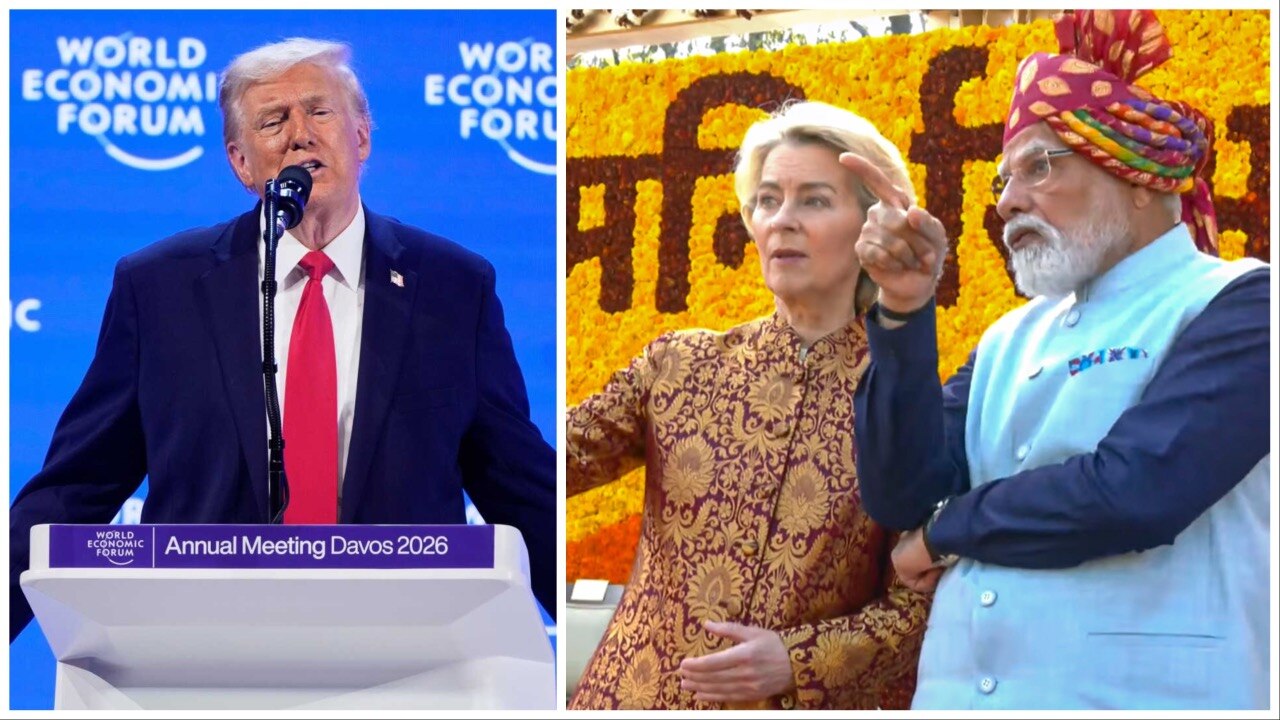
Competitive Dynamics Shift: The deal accelerates a broader geopolitical realignment where India and EU strengthen bilateral relationships outside the US framework. This creates competitive advantages for sellers already positioned in India-EU corridors while disadvantaging US-centric supply chains. Indian sellers previously reliant on US markets now have viable EU alternatives, reducing dependency on Trump's volatile tariff policies. EU sellers gain first-mover advantage in India's e-commerce market before Chinese competitors establish dominance. The agreement signals stability and rules-based cooperation, contrasting sharply with US unpredictability—a critical factor for sellers evaluating long-term sourcing strategies.
Implementation Risks and Compliance Windows: Substantial work remains before full implementation. Legal text finalization, EU Parliament ratification, and member state approval could face delays similar to the Mercosur deal. Outstanding issues include agriculture (dairy, sugar, beef, poultry remain protected), carbon emissions standards, and IP enforcement mechanisms. Sellers should monitor ratification progress through Q2-Q3 2026, as delays could push effective date beyond end-of-year target. Compliance complexity increases for sellers managing dual-market operations, requiring updated tariff classification systems, origin documentation, and customs procedures by implementation date.
Questions 8
What specific tariff reductions apply to Indian textile and apparel exports under the EU-India FTA?
The agreement eliminates tariffs on 99.5% of Indian goods, with textiles and apparel seeing immediate duty reductions from current 12-25% rates to zero over the seven-year phase-in period. Indian textile sellers gain duty-free access to EU markets starting 2027, representing an 8-15% cost advantage versus current tariff burdens. This directly impacts cross-border sellers sourcing Indian cotton, silk, and synthetic fabrics for European distribution. Implementation begins end of 2026 following ratification, with most textile categories achieving zero tariffs by 2030.
When does the India-EU FTA become effective and what compliance steps must sellers take?
The agreement requires ratification by EU member states and European Parliament, with implementation targeted for end of 2026. Sellers must update tariff classification systems, obtain origin certificates, and establish customs procedures by implementation date. The phased tariff elimination occurs over seven years (2027-2034), with most categories achieving zero duties by 2030. Sellers should monitor ratification progress through mid-2026 and prepare compliance documentation by Q3 2026. Delays similar to the Mercosur deal could push effective date into 2027, so contingency planning is essential.