


China-Europe Trade Realignment 2026 | Tariff Arbitrage & Market Access Opportunities for Cross-Border Sellers
- Removes EV tariffs for Canadian exporters; opens Chinese market to 50+ UK companies; creates 6-month window for sourcing strategy shifts before Trump tariff escalation























Overview
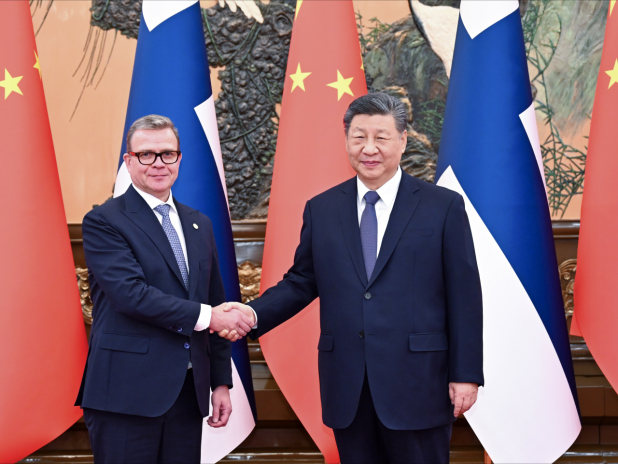
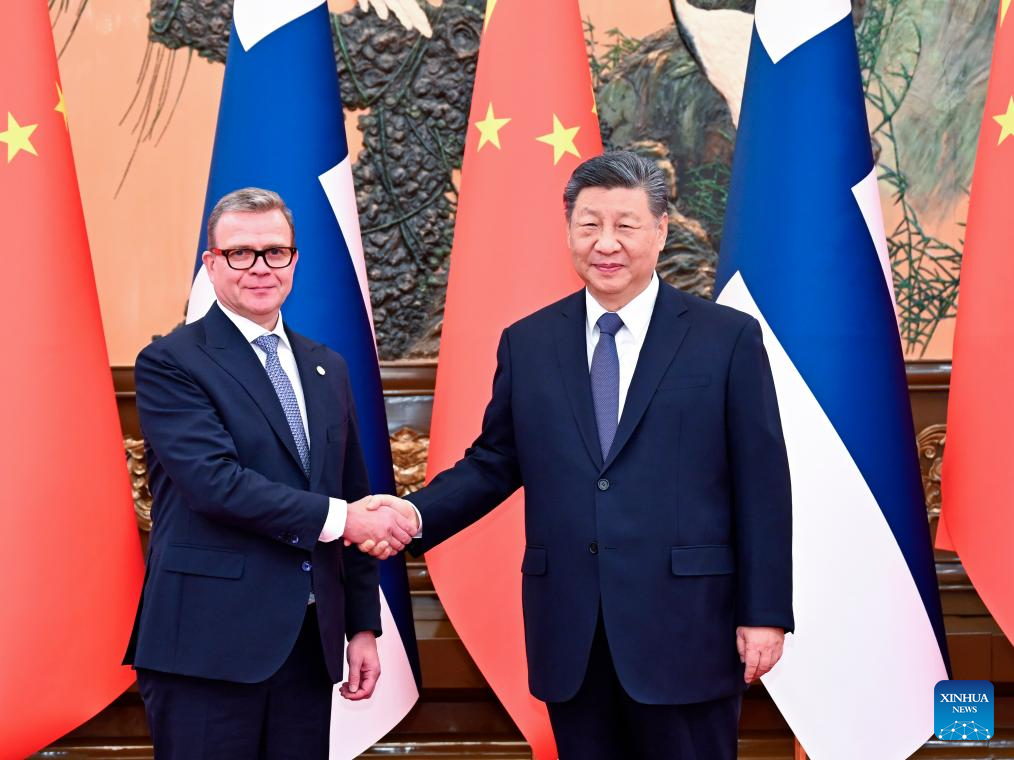
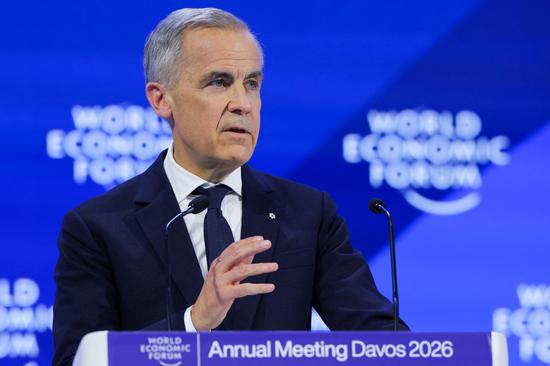
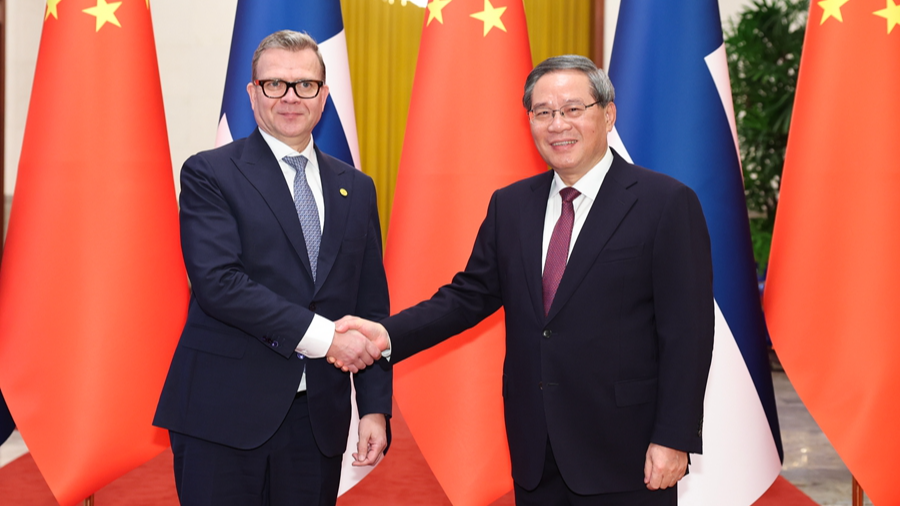
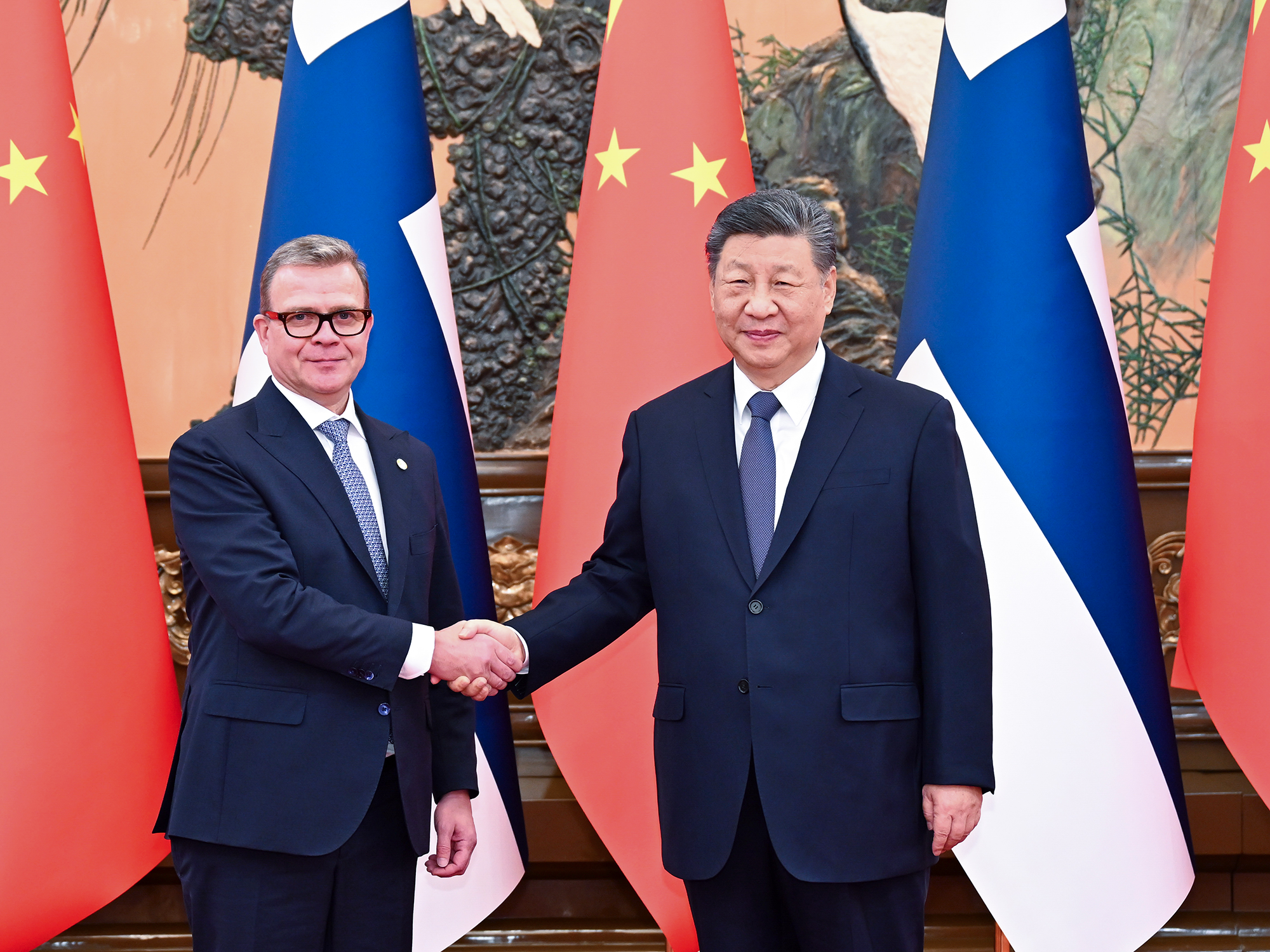
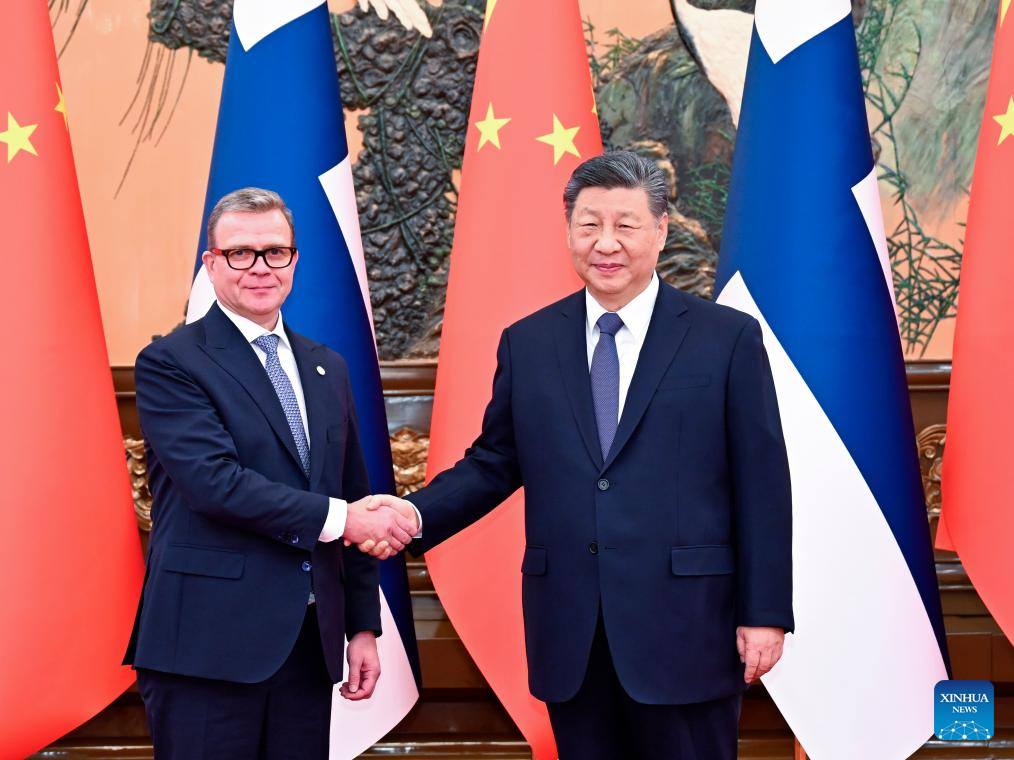
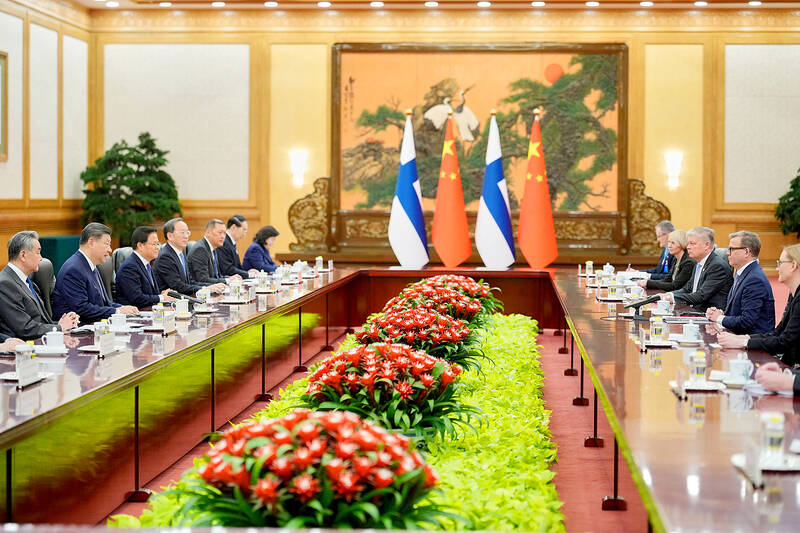
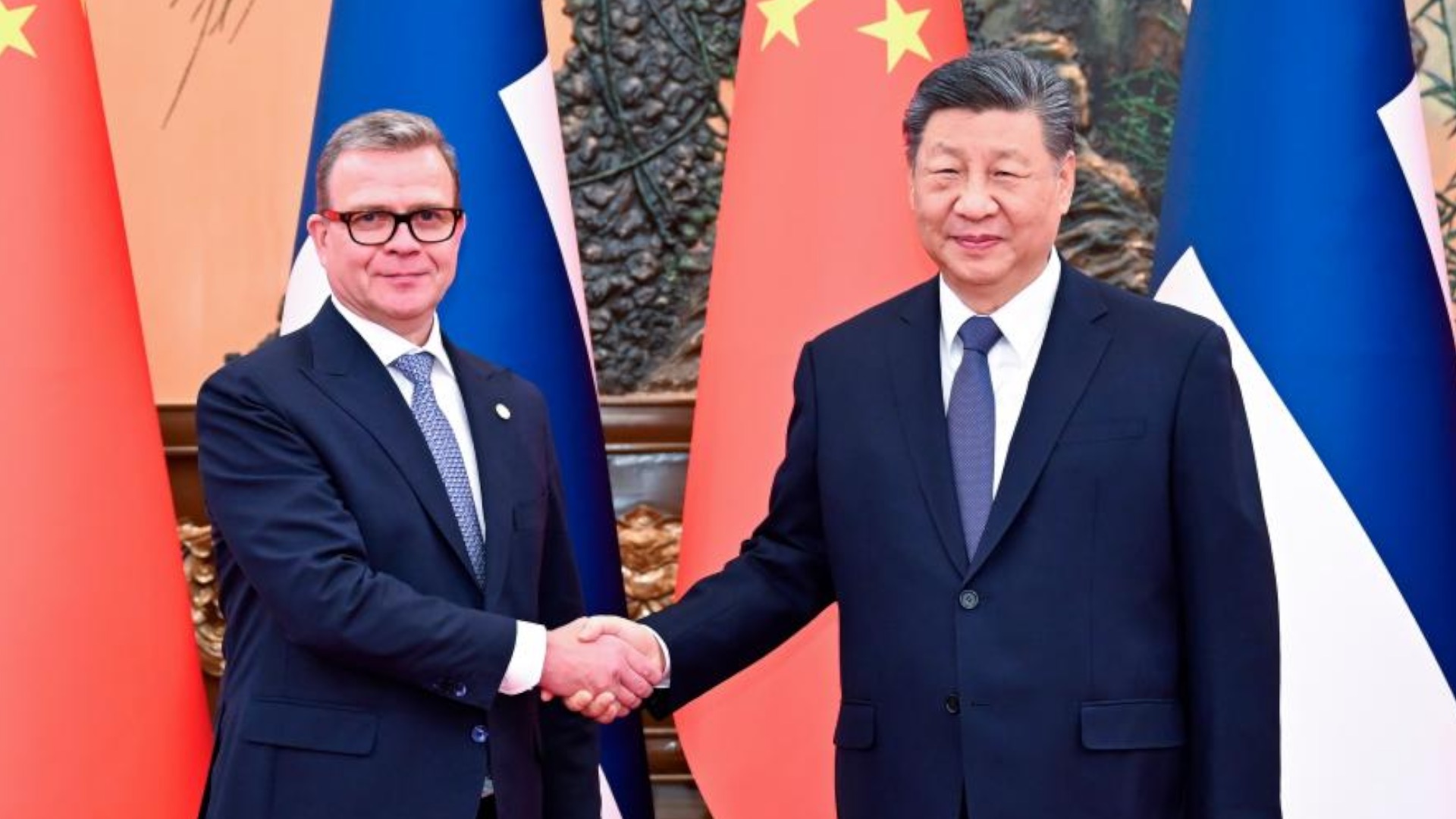
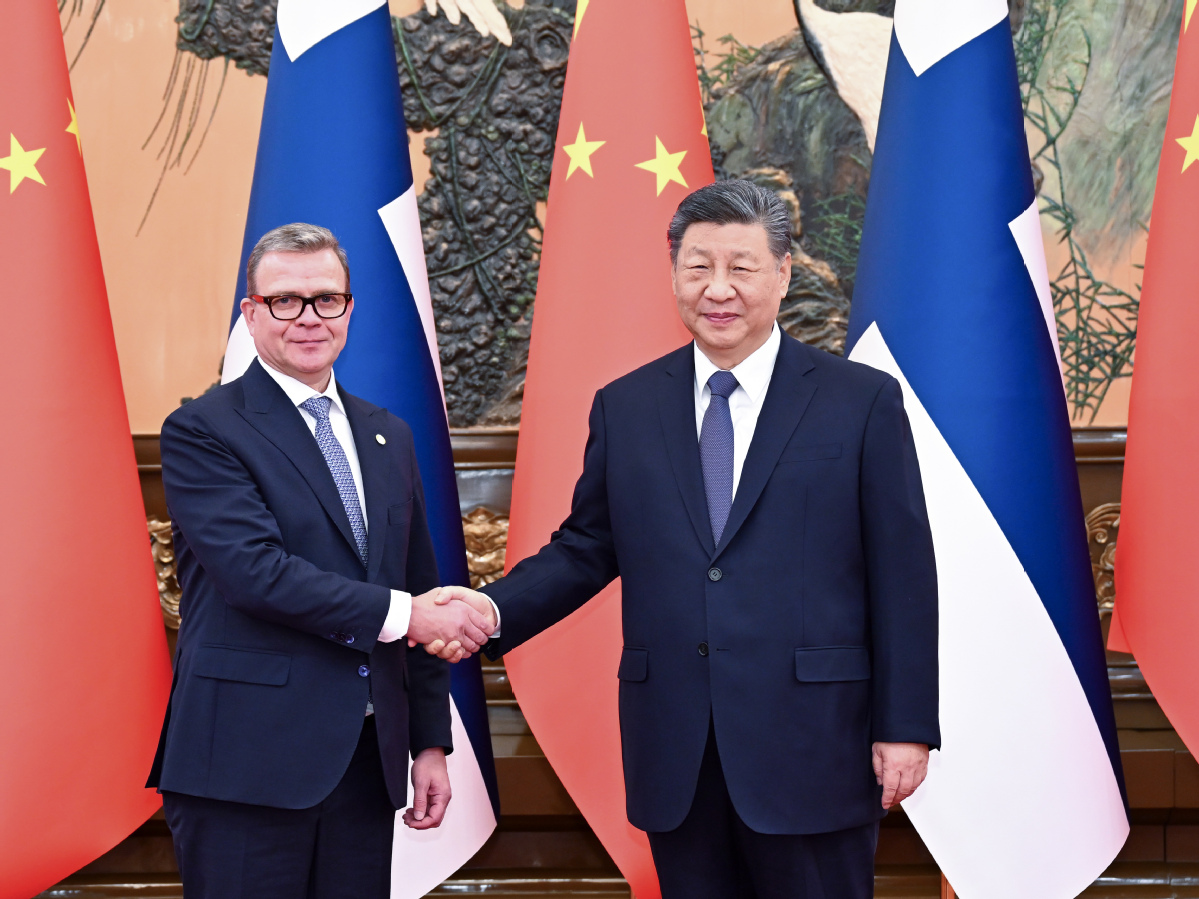
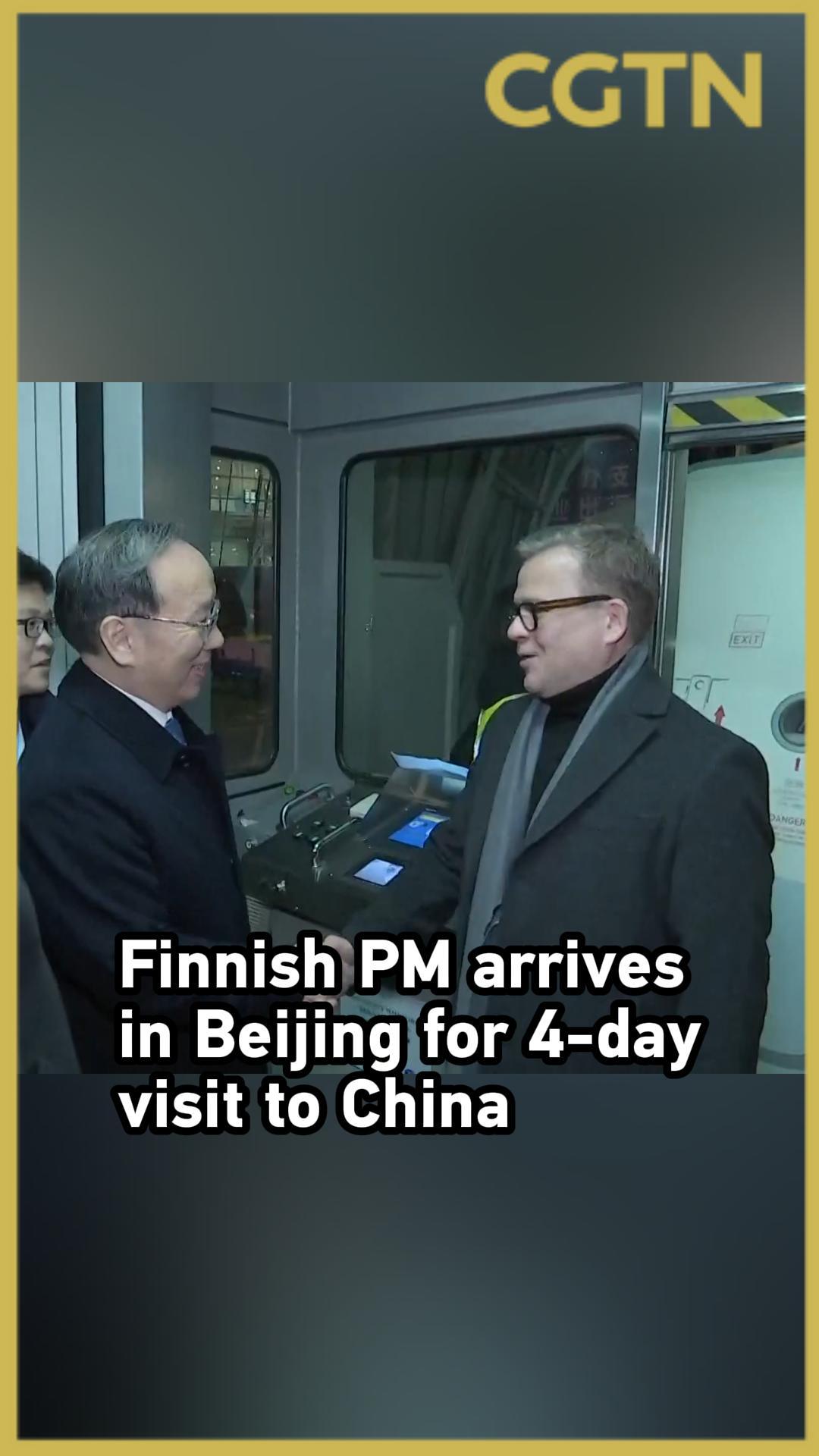
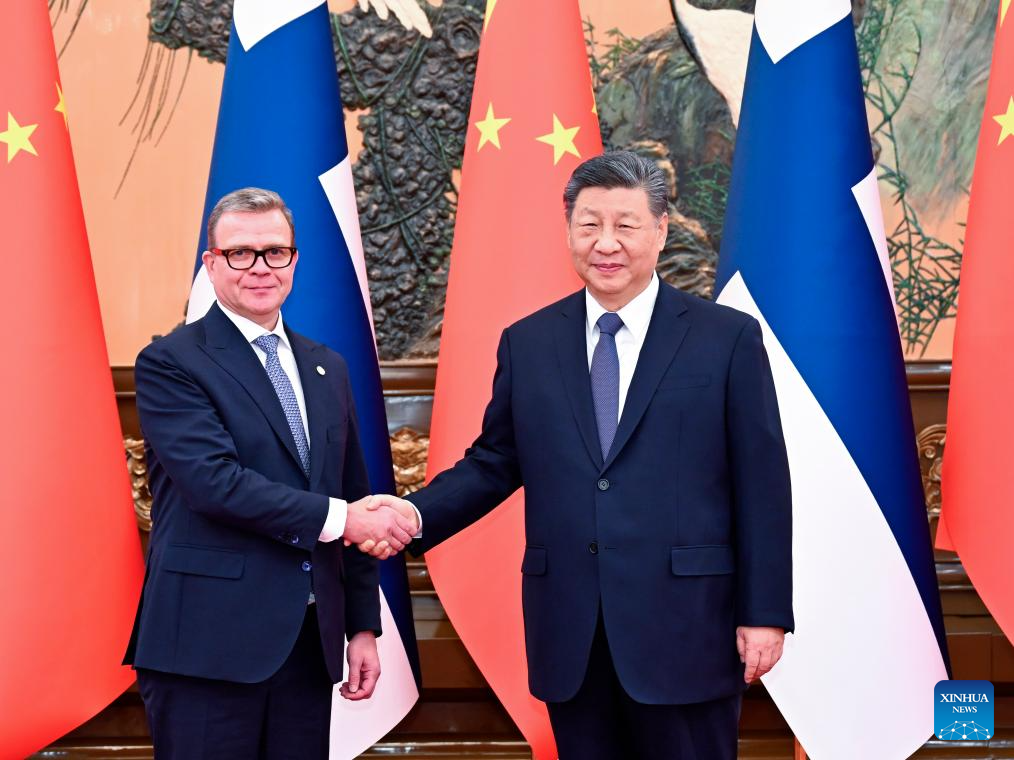
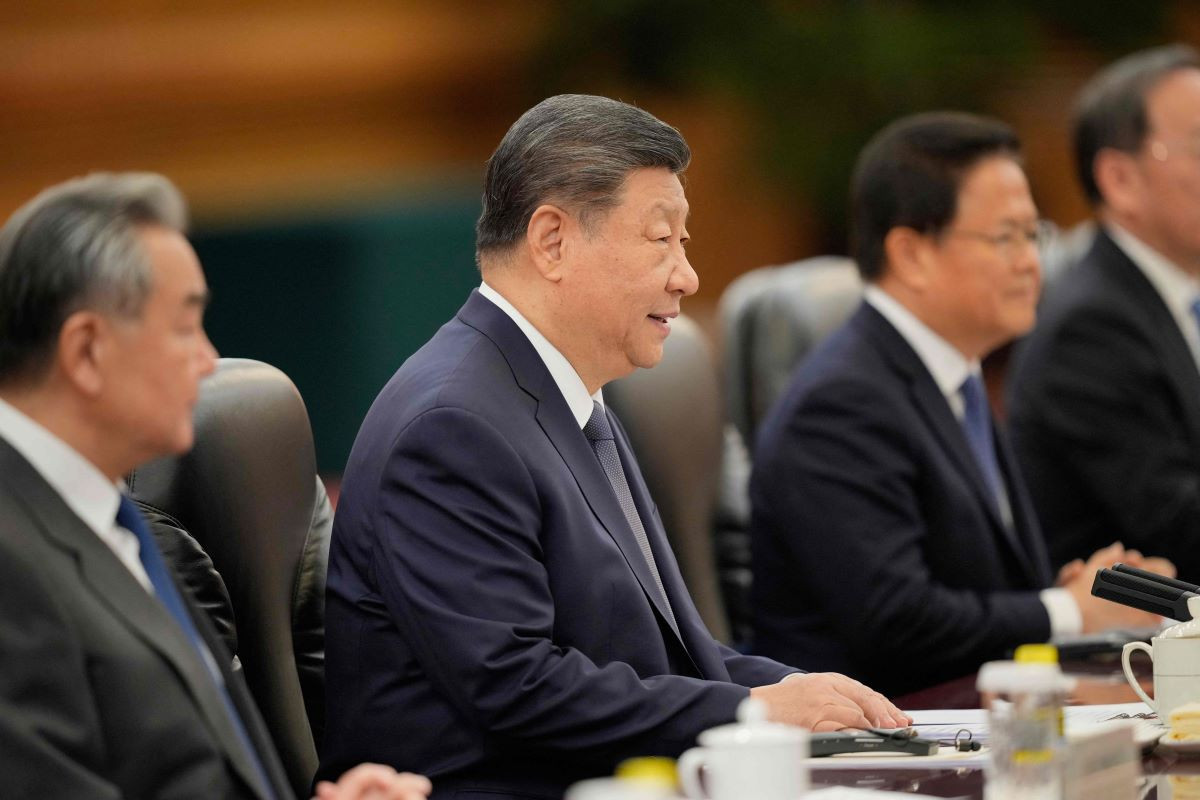
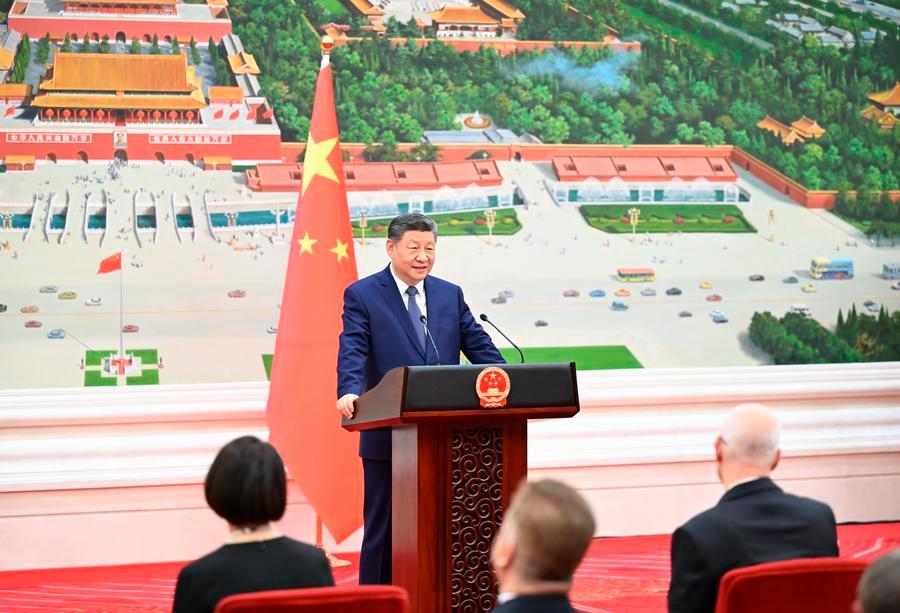
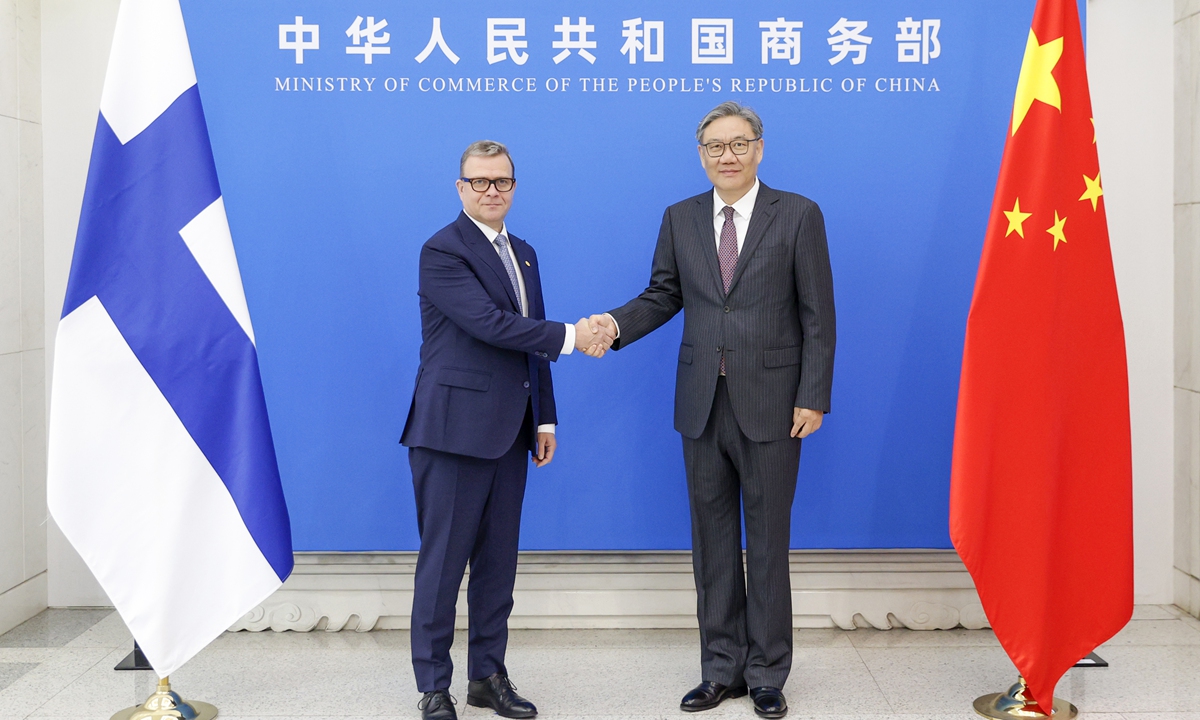
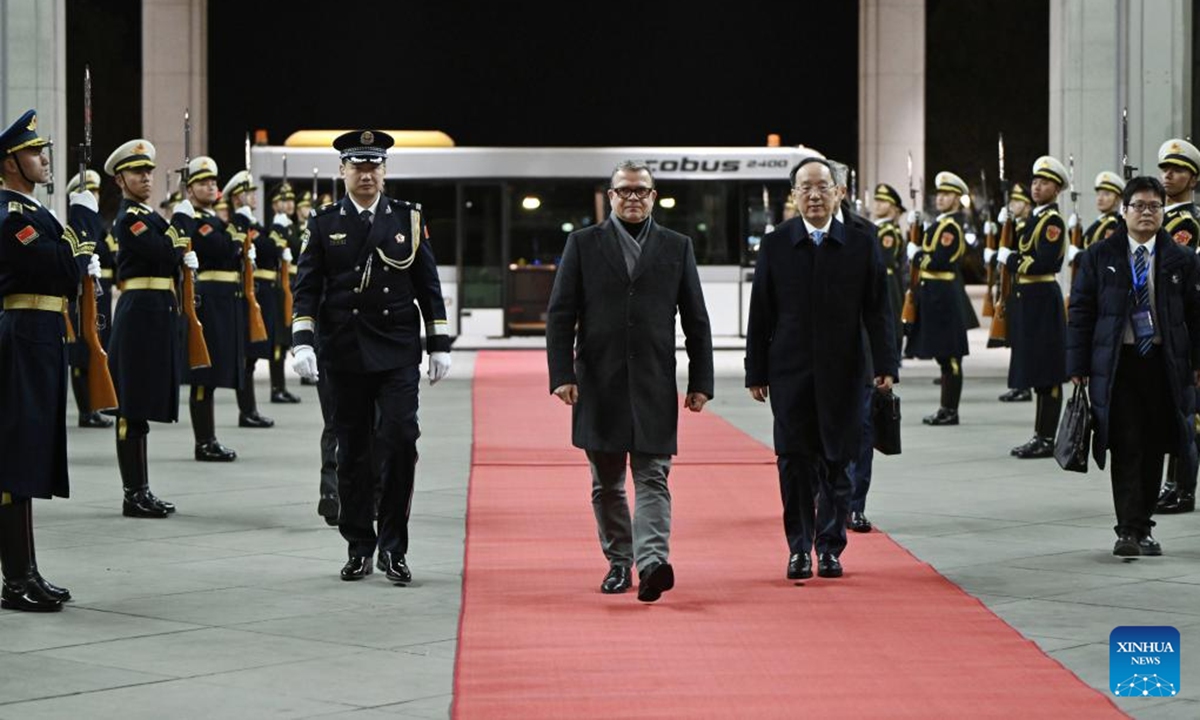
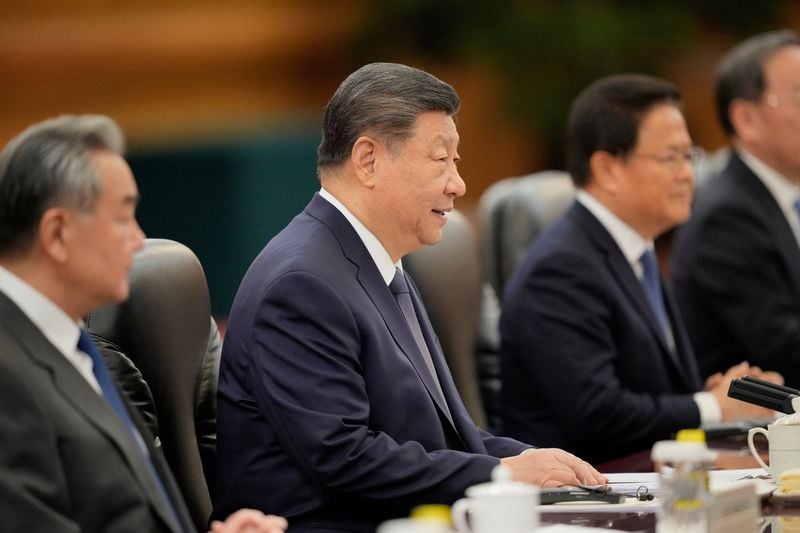
China's diplomatic offensive (January 24-27, 2026) is fundamentally restructuring global trade corridors, creating immediate tariff arbitrage opportunities and market access windows for cross-border sellers. The core event: Canadian PM Mark Carney, Finnish PM Petteri Orpo, and UK PM Keir Starmer visited Beijing, announcing concrete trade deals that remove tariffs on Chinese electric vehicles entering North America and opening Chinese markets to European companies. Simultaneously, Trump's threatened 100% tariffs on Canadian goods create a compressed timeline for sellers to exploit tariff differentials before protectionist policies lock in.
For tariff arbitrage, the Canadian EV deal signals broader category opportunities. Chinese EV manufacturers (BYD, NIO, XPeng) can now export to North America tariff-free, but this creates sourcing advantages for sellers importing EV components, batteries, and related electronics. HS codes 8704.21 (electric vehicles), 8507.80 (lithium batteries), and 8544.30 (electrical wiring) will see 15-25% cost reductions for Canadian importers before Trump's 100% tariff threat materializes. Sellers with Canadian operations should immediately lock in supply contracts at current rates—the window closes within 60-90 days as trade tensions escalate. UK sellers gain direct market access through the 50-company delegation framework, reducing customs friction and enabling faster product launches in China's e-commerce platforms (Alibaba, JD.com, Pinduoduo).
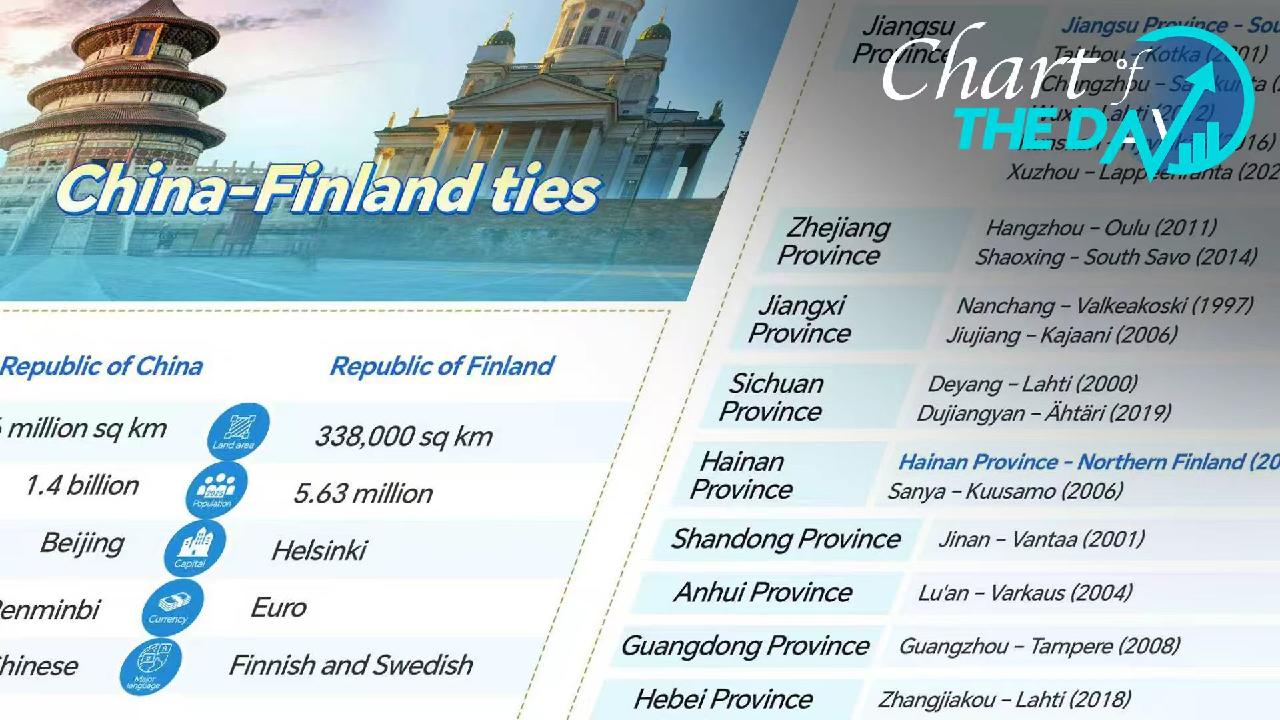
Market access improvements create competitive advantages for European and North American sellers. Finland's comprehensive business cooperation agreement signals reduced regulatory barriers for machinery (HS 8479), forestry products (HS 4401-4407), and clean energy components (HS 8502-8504). Finnish companies traveling with PM Orpo represent coordinated market entry—a model other European sellers can replicate. The "Polar Silk Road" infrastructure development (Arctic shipping routes cutting transit times 50%) creates logistics cost savings of 8-12% for sellers shipping to Asia-Pacific markets via Northern European ports. Chinese Commerce Minister Wang Wentao's request for "fair, open, predictable policy environment" signals Beijing will reduce non-tariff barriers (customs delays, regulatory compliance costs) for compliant European exporters—estimated 3-4 week reduction in clearance times.
Competitive dynamics shift dramatically by seller segment. Large multinational sellers (Amazon, Alibaba, eBay) benefit from diplomatic frameworks enabling faster platform expansion. Small-to-medium sellers (SMEs) gain advantage through reduced tariff costs on sourcing from China—estimated 12-18% margin improvement on electronics, machinery, and components. However, Trump's 100% Canadian tariff threat creates urgency: sellers must decide within 30 days whether to shift sourcing from Canada to alternative corridors (Mexico via USMCA, Vietnam, India) or lock in current Canadian supply chains before tariffs spike. The strategic realignment favors sellers who move quickly—those delaying face 40-60% cost increases by Q2 2026.
Questions 8
What market access improvements does China offer European sellers after Xi's diplomatic visits?
China explicitly invited European companies to access its market, with 50+ UK companies and 20+ Finnish firms already engaged in commercial negotiations. The comprehensive business cooperation agreement between China and Finland signals reduced regulatory barriers for machinery (HS 8479), forestry (HS 4401-4407), and clean energy products (HS 8502-8504). Sellers can expect 3-4 week reductions in customs clearance times and lower non-tariff barrier costs (estimated 8-12% savings). Market access improvements are most pronounced for sellers in clean energy, machinery, and agricultural sectors. European sellers should prioritize Alibaba, JD.com, and Pinduoduo platform expansion during this 6-month window while diplomatic goodwill remains high.
How does Canada's EV tariff removal affect cross-border sellers sourcing from China?
Canada's tariff elimination on Chinese electric vehicles (HS 8704.21) creates immediate cost advantages for sellers importing EV components and batteries. Lithium battery imports (HS 8507.80) will see 15-25% cost reductions, translating to $200-400 per unit savings on EV-related products. However, this window closes within 60-90 days as Trump's threatened 100% Canadian tariffs take effect. Sellers should lock in supply contracts immediately through Alibaba or direct Chinese manufacturers (BYD, CATL) before tariff escalation. The competitive advantage favors Canadian-based sellers and those with Canadian distribution networks who can exploit the tariff differential before protectionist policies reverse the gains.