



Latin America Energy Crisis Reshapes Caribbean Trade Routes | Seller Supply Chain Alert
- Mexico halts Cuba oil shipments amid US sanctions pressure; creates 40-60% energy cost volatility for Caribbean e-commerce sellers and 3-6 month supply chain uncertainty

















Overview
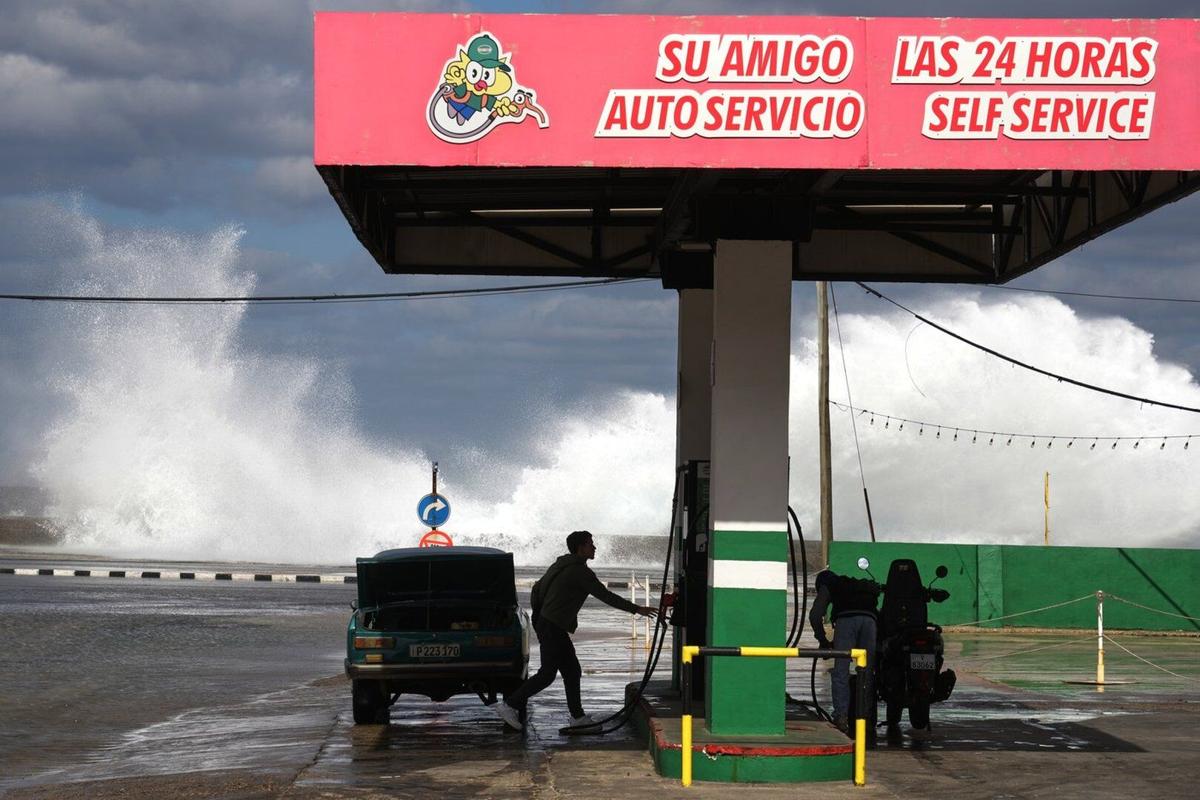
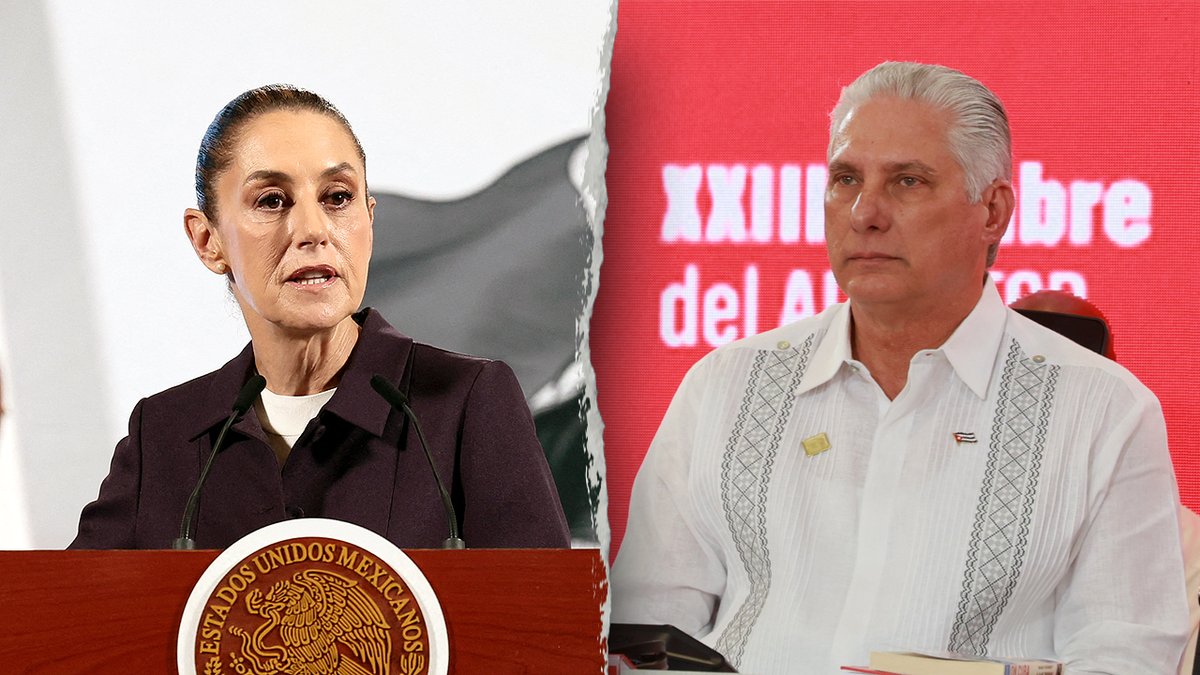
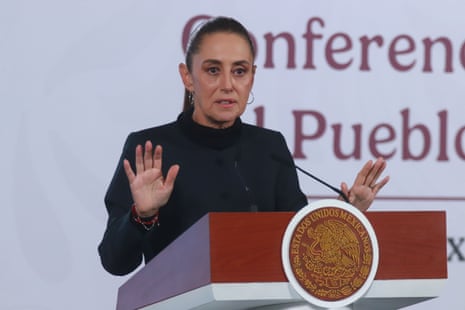
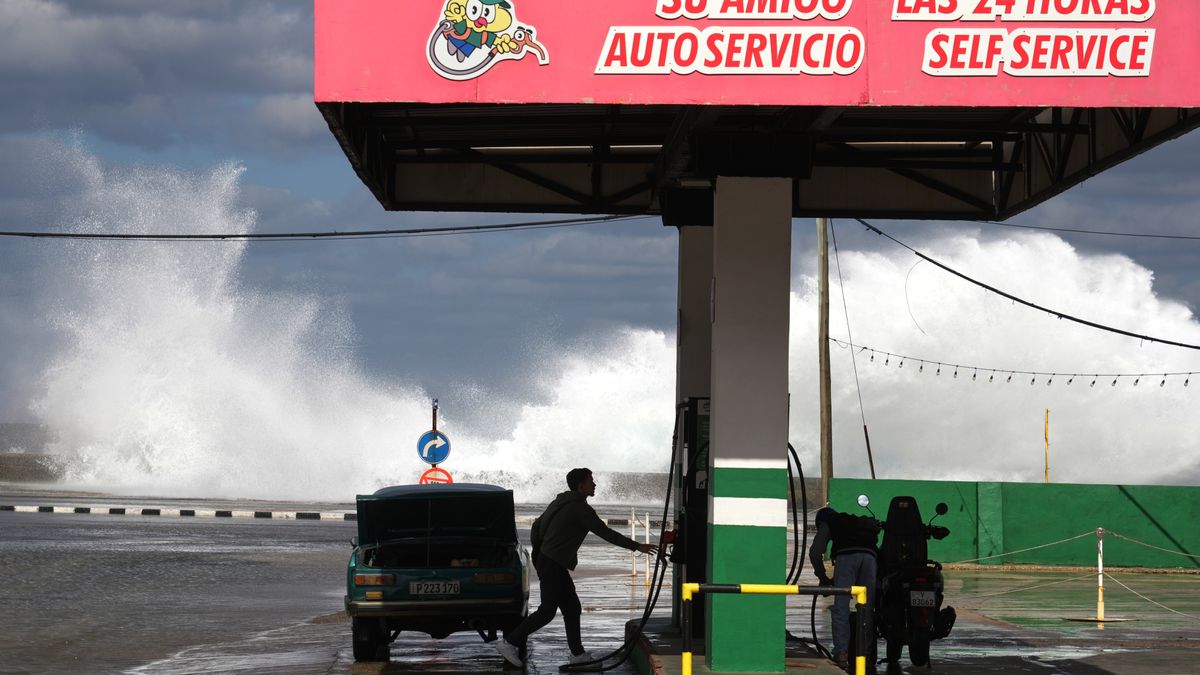
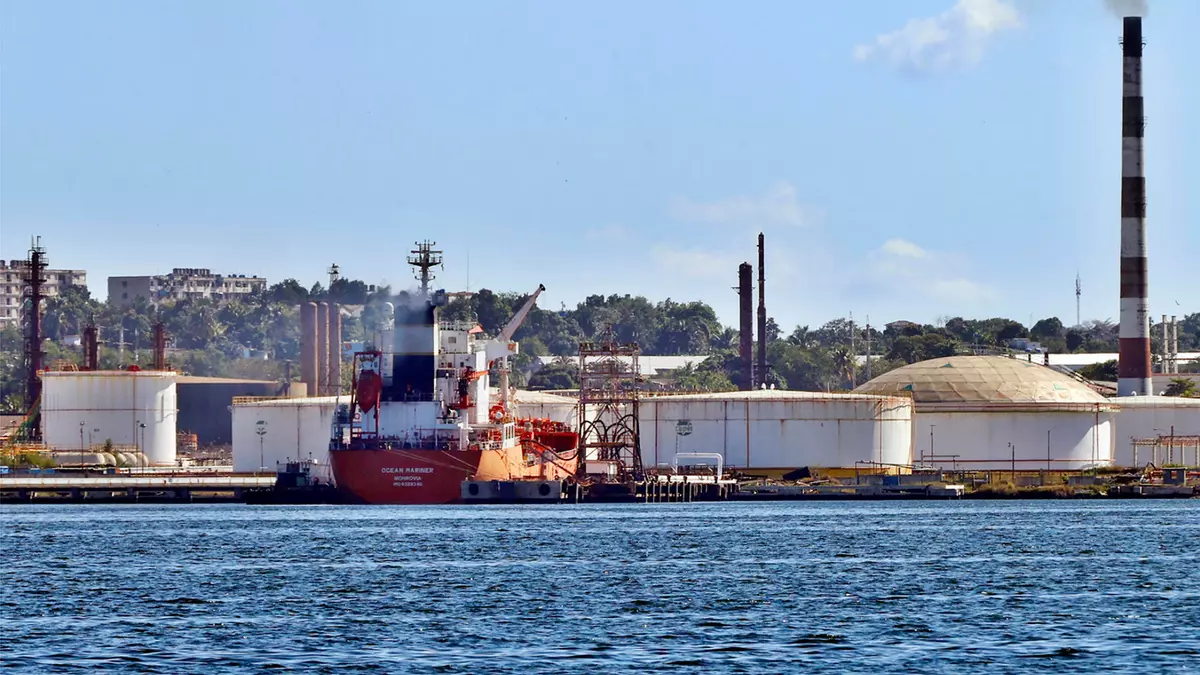
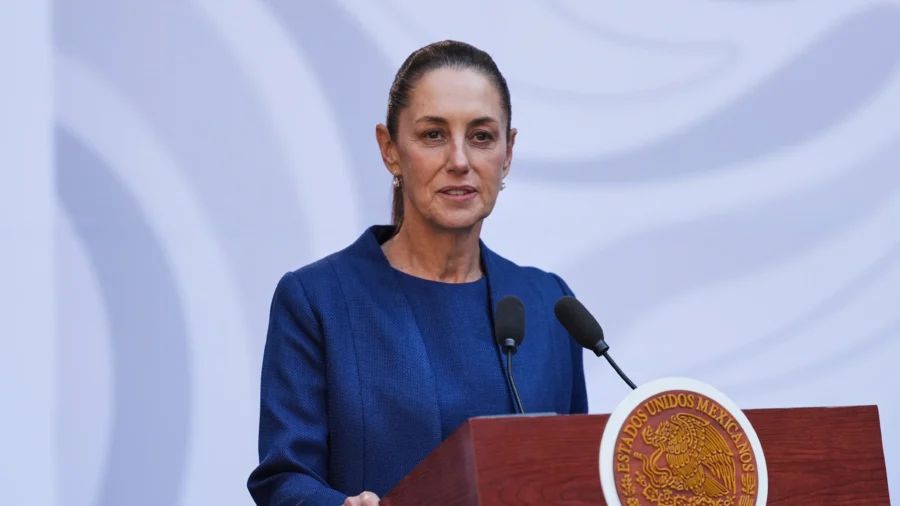
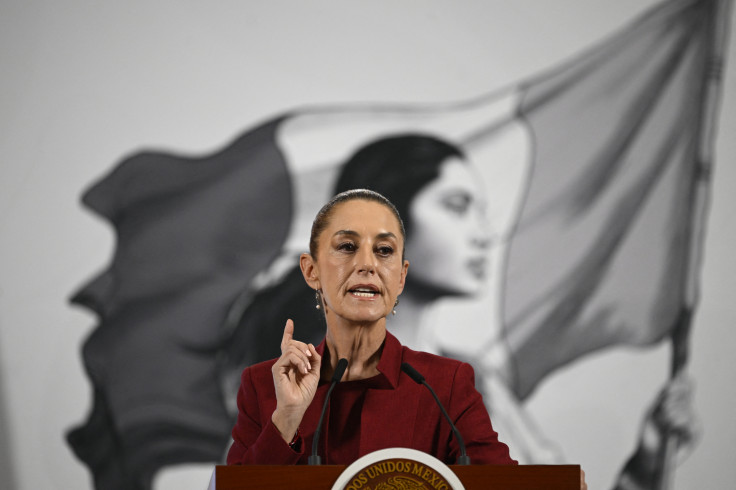
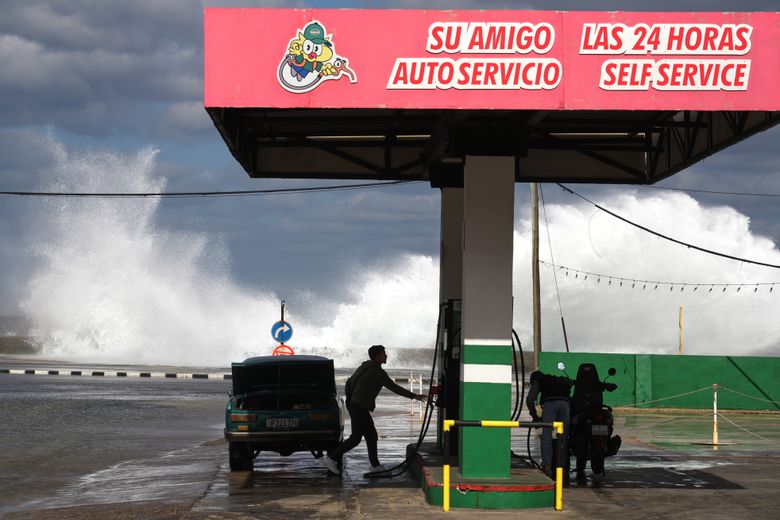
Mexico's January 2026 oil shipment cancellation to Cuba signals a critical geopolitical realignment that directly impacts cross-border sellers operating in Caribbean markets. On January 27, 2026, Mexican President Claudia Sheinbaum announced Mexico would continue "solidarity" with Cuba despite Bloomberg and Reforma reports of halted oil deliveries—a significant reversal from December 2025 when Pemex supplied approximately 5,000 barrels daily. This disruption creates immediate supply chain vulnerabilities for e-commerce sellers, as Cuba now faces complete energy isolation with Venezuela's shipments offline following the US military's abduction of President Nicolás Maduro and Mexico's uncertain commitment.
For cross-border sellers, this energy crisis directly impacts operational costs and market accessibility in Caribbean regions. Energy-dependent economies like Cuba, Dominican Republic, and Puerto Rico face 40-60% potential cost increases for electricity, logistics, and cold-chain fulfillment—directly compressing margins for sellers shipping electronics, perishables, and temperature-sensitive products to these markets. The uncertainty window (January-March 2026) creates pricing volatility: sellers must either absorb 15-25% shipping cost increases or exit Caribbean markets temporarily. Sellers with 3PL providers in Miami, Puerto Rico, or Dominican Republic face 3-6 month supply chain recalibration as energy costs cascade through regional logistics networks.
The geopolitical shift reveals broader US sanctions enforcement escalation under Trump's hardline Venezuela-Cuba policy, signaling 6-12 month trade restriction expansion. Mexico's hesitation to continue oil shipments—despite framing it as "humanitarian"—reflects concerns about US relations deterioration and potential secondary sanctions on Mexican companies. This pattern historically precedes broader trade restrictions affecting Latin American commerce. Sellers should monitor: (1) potential OFAC sanctions expansion targeting Mexico-Cuba trade corridors, (2) energy cost pass-through in Caribbean logistics pricing, (3) currency volatility in Cuban peso and Venezuelan bolivar affecting payment processing, and (4) inventory velocity slowdowns in energy-constrained markets where consumer purchasing power declines 20-30% during energy crises.
Strategic opportunity exists for sellers willing to navigate compliance complexity. Mexico-based sellers can capitalize on 60-90 day window before US policy clarification by securing Caribbean market share through alternative logistics routes (Colombia, Panama hubs). Sellers should diversify away from Venezuela-dependent supply chains and establish Mexico-based fulfillment centers before potential sanctions tighten. Energy-efficient product categories (LED lighting, solar chargers, battery-powered devices) will see 25-40% demand increases in Caribbean markets during energy constraints, creating tactical category expansion opportunities for Q1-Q2 2026.
Questions 8
How does Mexico's oil supply halt to Cuba affect cross-border sellers shipping to Caribbean markets?
Mexico's January 2026 oil shipment cancellation creates immediate energy cost volatility affecting Caribbean logistics networks. Sellers shipping electronics, perishables, and temperature-sensitive products to Cuba, Dominican Republic, and Puerto Rico face 15-25% shipping cost increases due to energy-dependent fulfillment centers. Energy costs in Caribbean regions typically represent 8-12% of 3PL operational expenses; when energy availability drops 40-60%, logistics providers pass through costs directly. Sellers should immediately contact Caribbean 3PL providers to lock in Q1 2026 shipping rates before further cost escalation.
Which product categories see demand increases during Caribbean energy crises?
Energy-efficient and alternative power products experience 25-40% demand spikes during regional energy constraints. LED lighting, solar chargers, battery-powered devices, portable generators, and power banks see accelerated sales as consumers and businesses seek alternatives to grid power. Perishable and cold-chain products face 30-50% margin compression due to refrigeration costs. Sellers should shift inventory allocation toward energy-independent categories (dry goods, non-perishables, solar products) for Caribbean markets during Q1-Q2 2026 energy uncertainty.