



Japan's Strategic Fortress: Language as a Gatekeeper for Permanent Residency
- Transforming Immigration Policy to Preserve Cultural Integrity and Manage Workforce Dynamics





Overview
Japan is engineering a profound transformation of its immigration landscape by weaponizing language proficiency as a strategic control mechanism. The proposed policy represents a calculated approach to addressing multiple national challenges: demographic decline, cultural preservation, and selective talent integration.
Demographic Engineering through Linguistic Barriers emerges as the core strategy. With Japan hosting 3.96 million foreign residents, only 932,100 (23.6%) currently holding permanent residency, the government is implementing a sophisticated filtration system. The Japanese Language Proficiency Test (JLPT) at N2 level will become the new gatekeeping mechanism, effectively creating a linguistic firewall that goes beyond mere communication skills.
The policy's multilayered approach reveals a nuanced geopolitical calculation. By mandating not just language skills but also cultural education programs, Japan is essentially creating a comprehensive integration framework. The requirement to complete citizenship instruction by April 2027 signals a deliberate strategy of cultural assimilation rather than simple workforce expansion. This approach transforms immigration from an economic necessity into a carefully curated social process.
For international professionals and cross-border businesses, these changes represent a significant strategic recalibration. Talent mobility will now require substantial investment in language and cultural training. Companies operating in Japan will need to develop robust integration programs, potentially creating new consulting and educational market opportunities. The most impacted segments will likely be technology, finance, and e-commerce sectors that rely heavily on international talent.
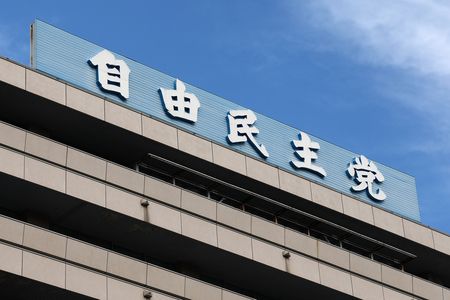
The broader geopolitical context is equally revealing. With the Liberal Democratic Party expanding conditions for revoking residency status—including potential revocation for non-payment of taxes—Japan is constructing a highly selective immigration model. This approach balances economic pragmatism with a conservative cultural preservation agenda, positioning language proficiency as a national security and social cohesion tool.
Questions 4
What percentage of foreign residents currently hold permanent residency in Japan?
Currently, approximately 23.6% of Japan's 3.96 million foreign residents hold permanent residency status, which represents about 932,100 individuals out of the total foreign population.
How will these new requirements impact international businesses in Japan?
Companies will need to invest significantly in language and cultural training programs for foreign employees. This may create new consulting opportunities and require strategic workforce development approaches that prioritize linguistic and cultural integration.