



The Anatomy of a Fallen Dictator: Assad's Strategic Exile and Geopolitical Survival
- How political power transforms into strategic resilience for displaced authoritarian leaders











Overview
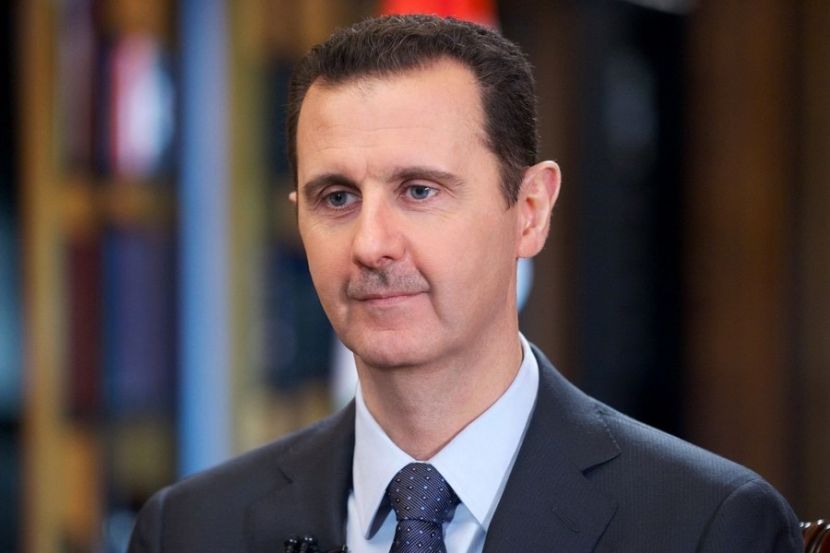
Geopolitical survival emerges as a complex chess game in the aftermath of Bashar al-Assad's regime collapse, revealing a masterclass in strategic adaptation. Following a devastating 14-year conflict that claimed 620,000 lives and displaced 14 million Syrians, Assad's exit strategy demonstrates an extraordinary ability to preserve personal wealth and strategic positioning despite total political defeat.
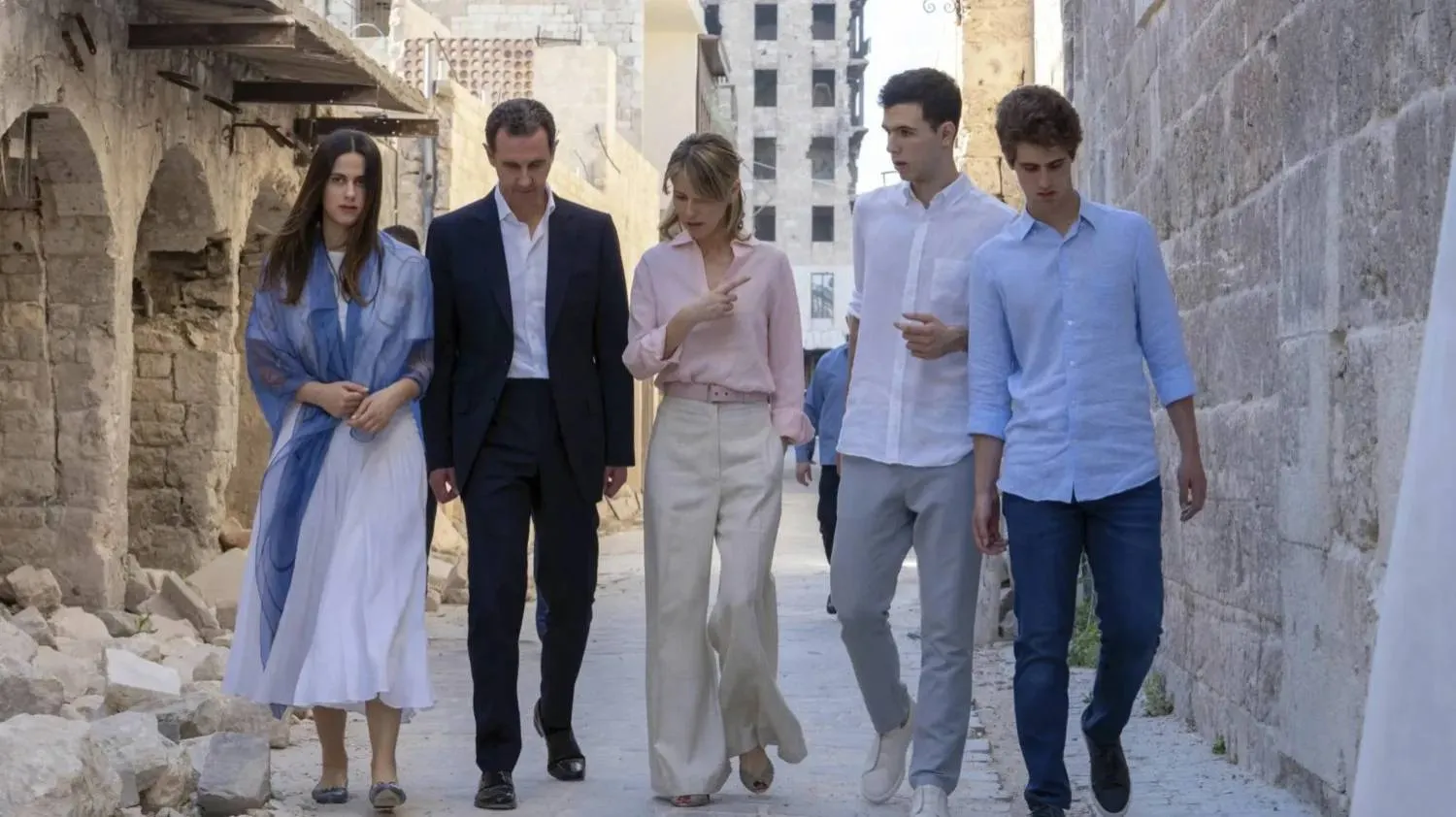
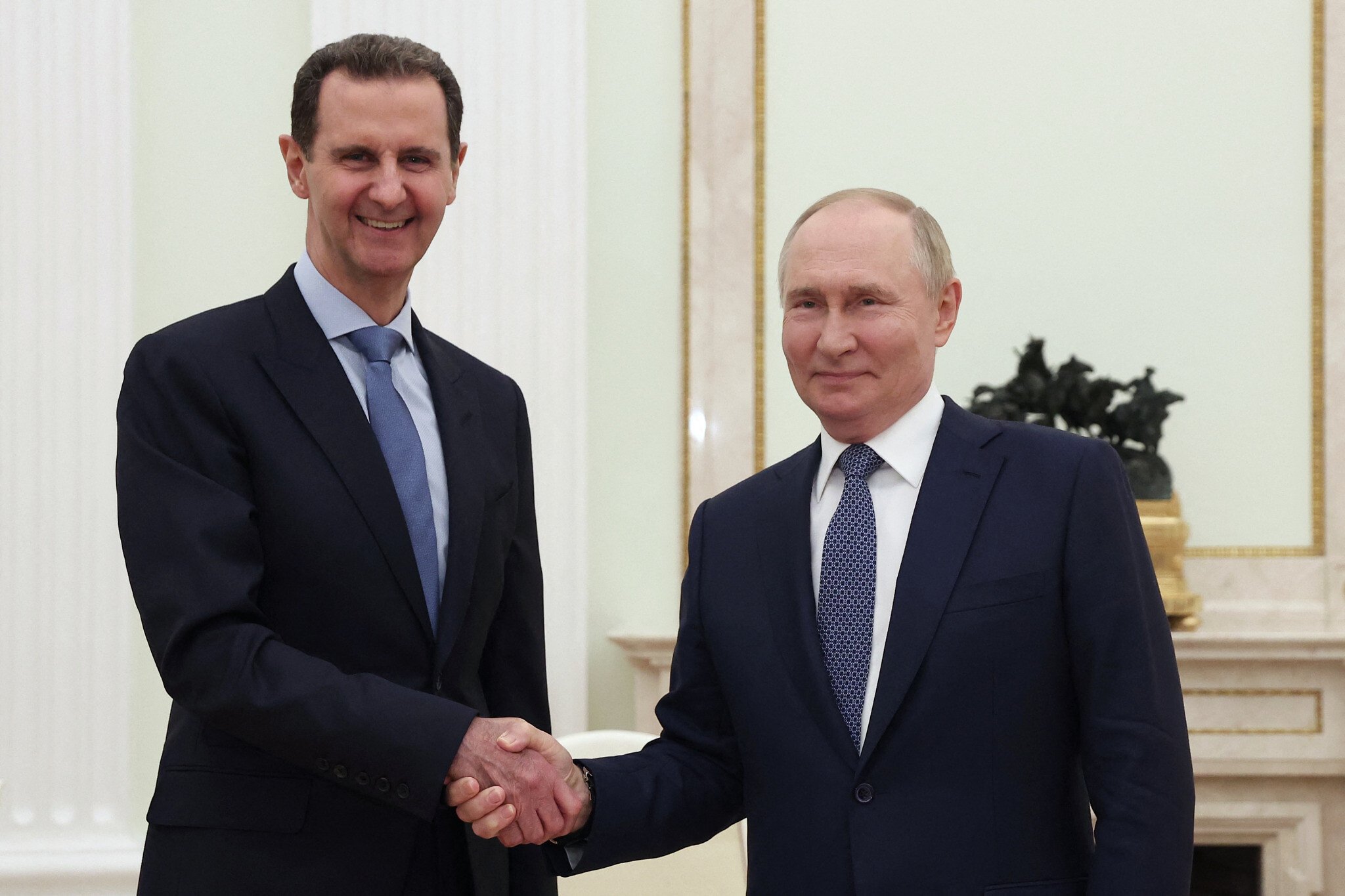
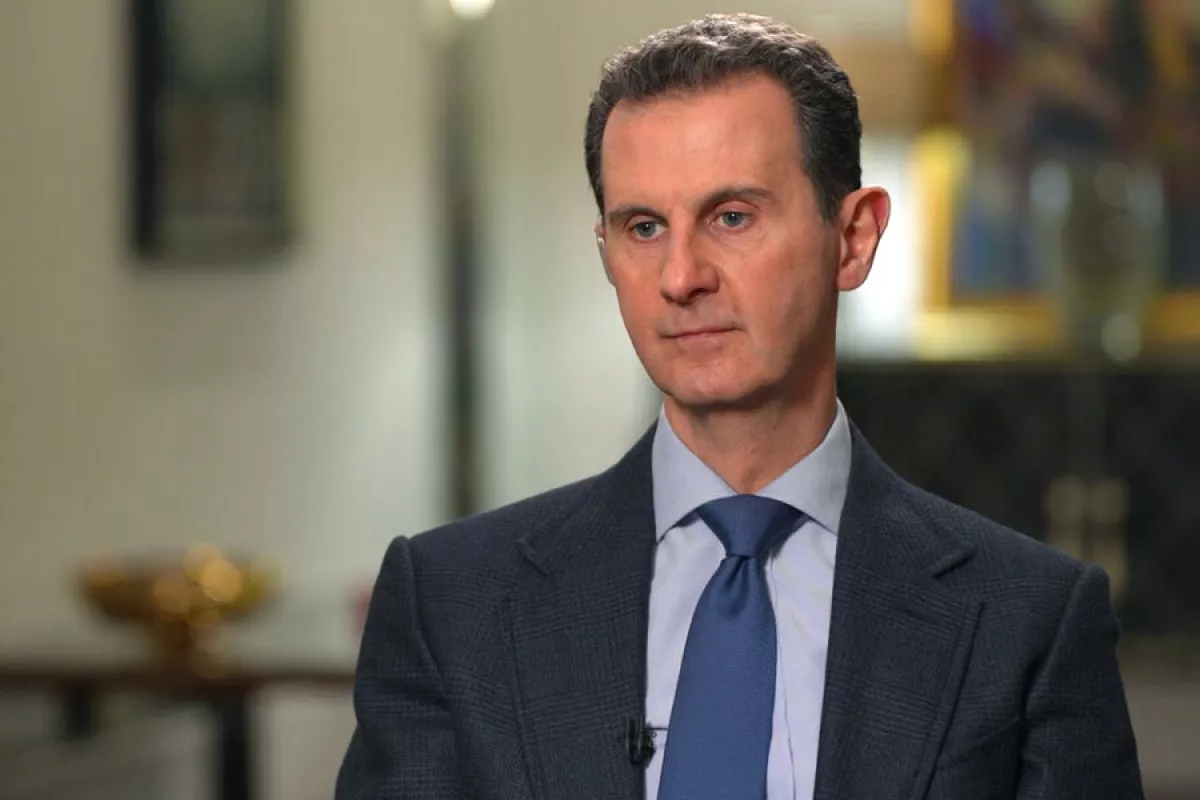
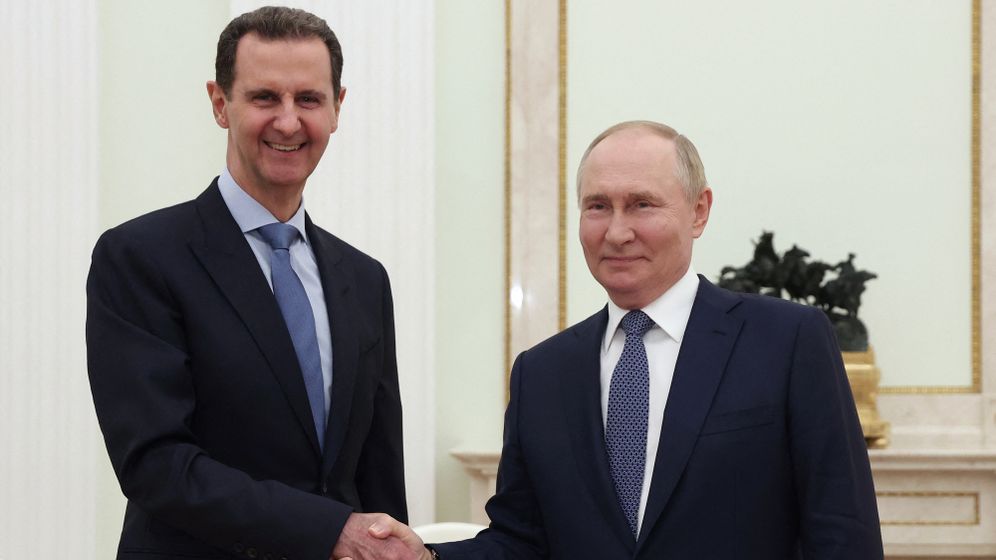
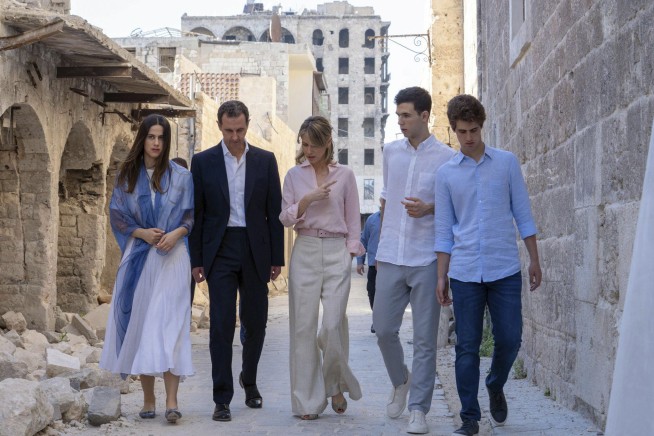
The Assad family's exile narrative is less about defeat and more about calculated relocation. By securing Russian and Emirati protection, they've transformed a potential catastrophic fall into a calculated geopolitical repositioning. Their move to Moscow's prestigious Rublyovka district, with apartments costing up to $13,000 per week, signals more than luxury—it represents a carefully negotiated diplomatic safety net. Russian security services aren't just providing shelter; they're essentially managing Assad's post-regime existence, strictly limiting his public activities and communications.
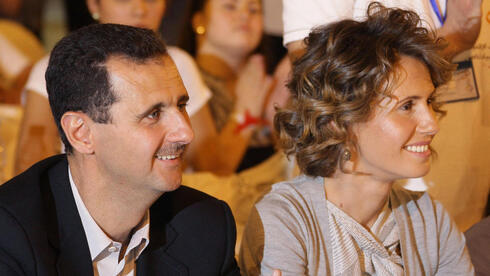
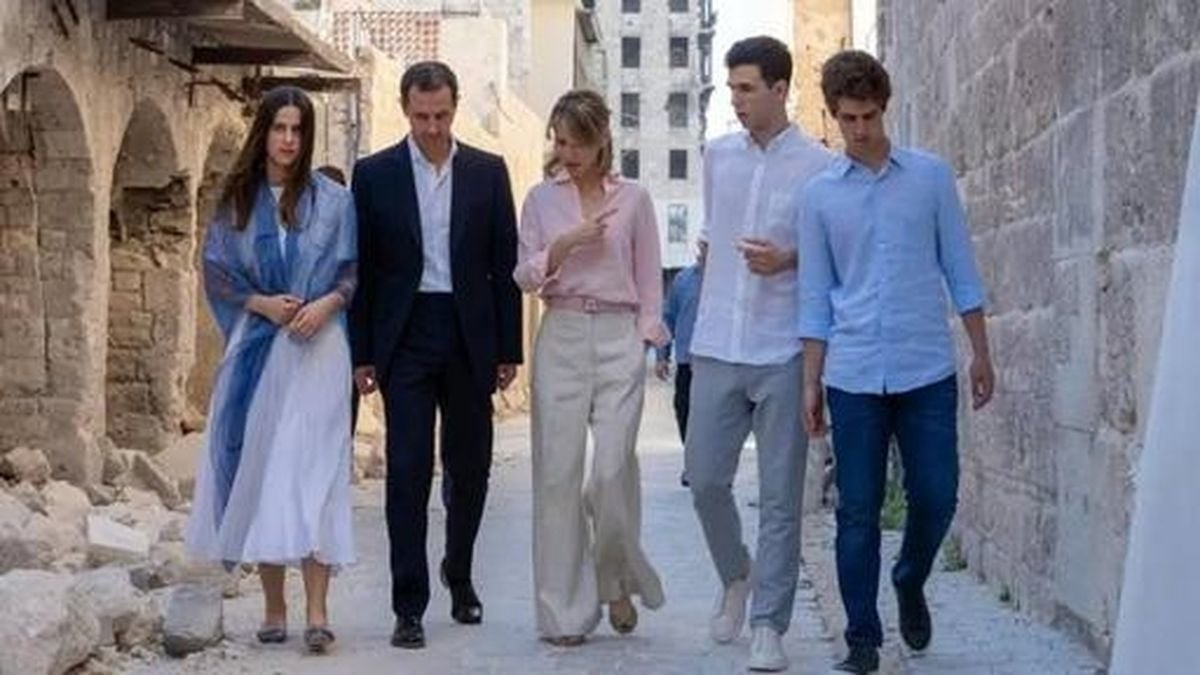
What makes this transition remarkable is the family's multi-jurisdictional strategy. While residing in Moscow, they maintain significant mobility through the UAE, with daughters like Zein studying at Sorbonne Abu Dhabi and hosting lavish birthday celebrations. This suggests a sophisticated approach to exile: maintaining global optionality while being physically protected in Russia. The strategic asset movement—having transferred wealth before 2011 western sanctions—demonstrates long-term planning that transcends immediate political circumstances.
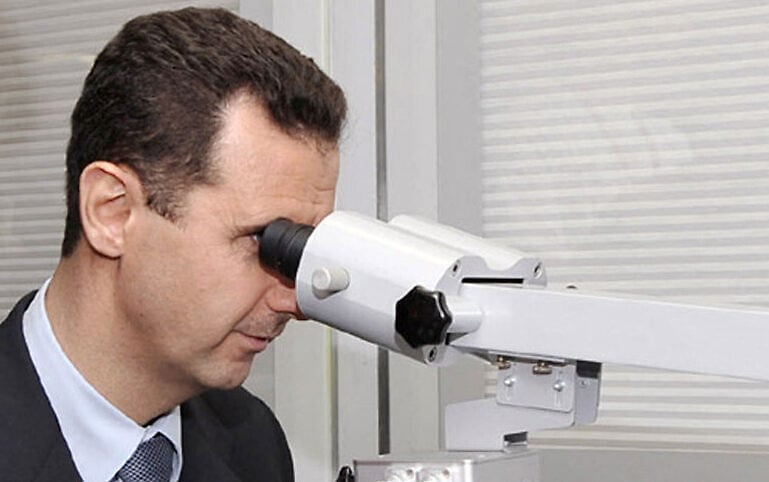
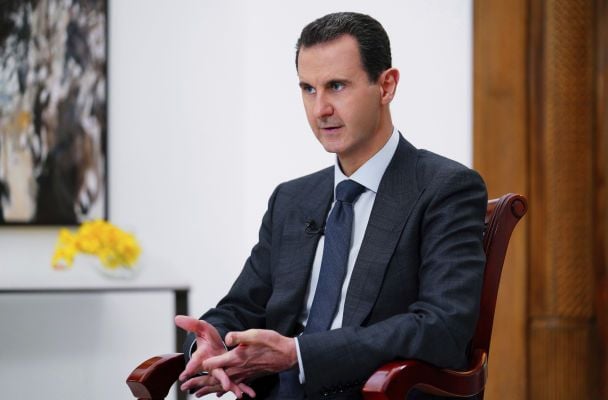
The most telling detail is perhaps Assad's current pursuits: studying ophthalmology and Russian, seemingly disconnected from political ambitions. This isn't retreat, but strategic recalibration—a dictator transforming from a political actor to a carefully managed international resident, preserving family interests and potential future opportunities.
Critically, the abandonment of his loyal aide reveals the cold calculus of power: personal survival trumps institutional loyalty. This microcosm illustrates how political transitions strip away institutional protections, leaving individual actors to navigate dramatically altered landscapes through personal resourcefulness and strategic connections.
Questions 3
How did Assad maintain his wealth and lifestyle after losing power?
Assad strategically moved assets to Moscow before 2011 western sanctions, secured protection from Russian and Emirati authorities, and maintained access to luxury accommodations in Moscow's Rublyovka district and Dubai, effectively insulating his family's financial resources from political collapse.
What role are Russia and the UAE playing in Assad's exile?
Russia provides physical protection and diplomatic cover, housing the Assad family in high-end neighborhoods and restricting his public activities. The UAE offers a secondary base, allowing his children to study and maintain a social presence, creating a multi-jurisdictional safety net.