



Radioactive Seafood Recall Exposes Critical Gaps in Global Food Safety Compliance
- Regulatory enforcement challenges threaten international food supply chain integrity for retailers and consumers


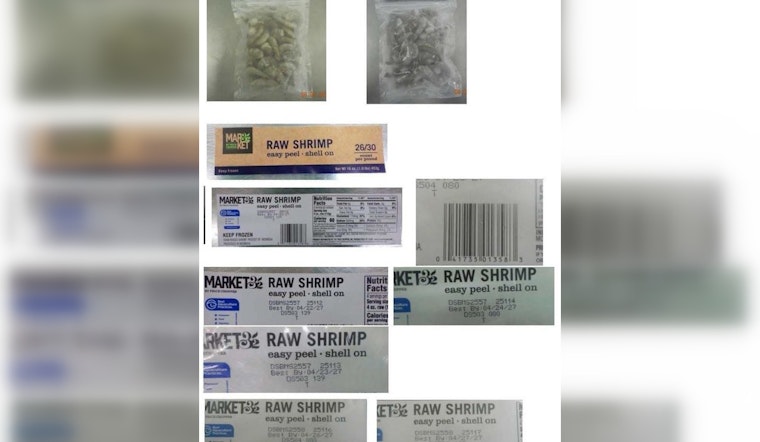




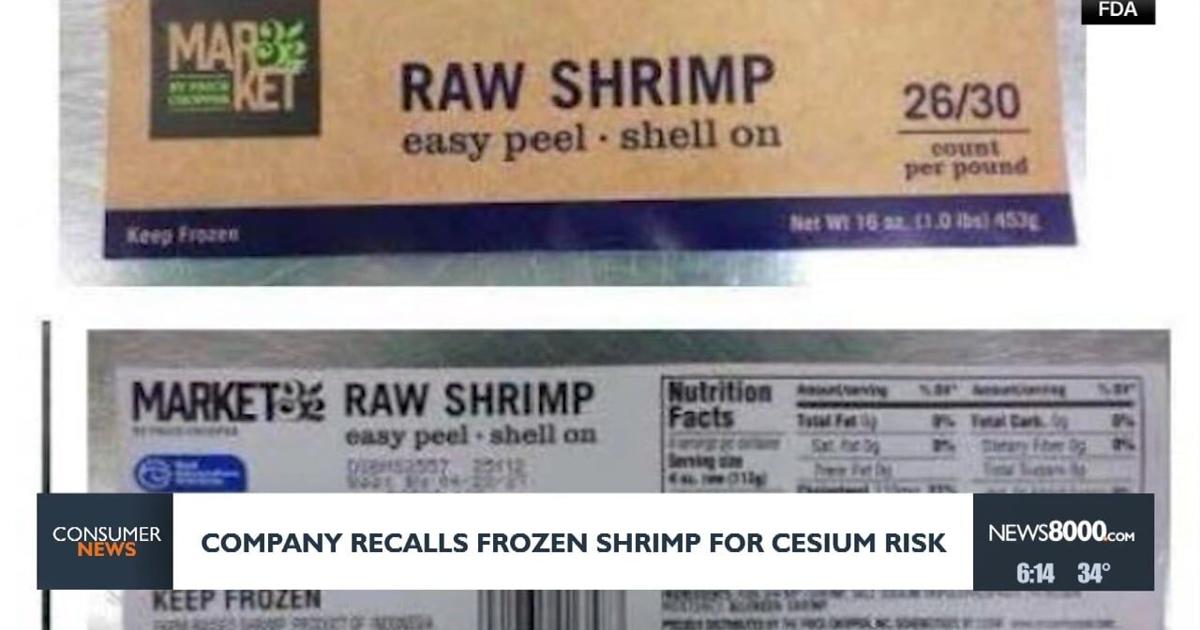









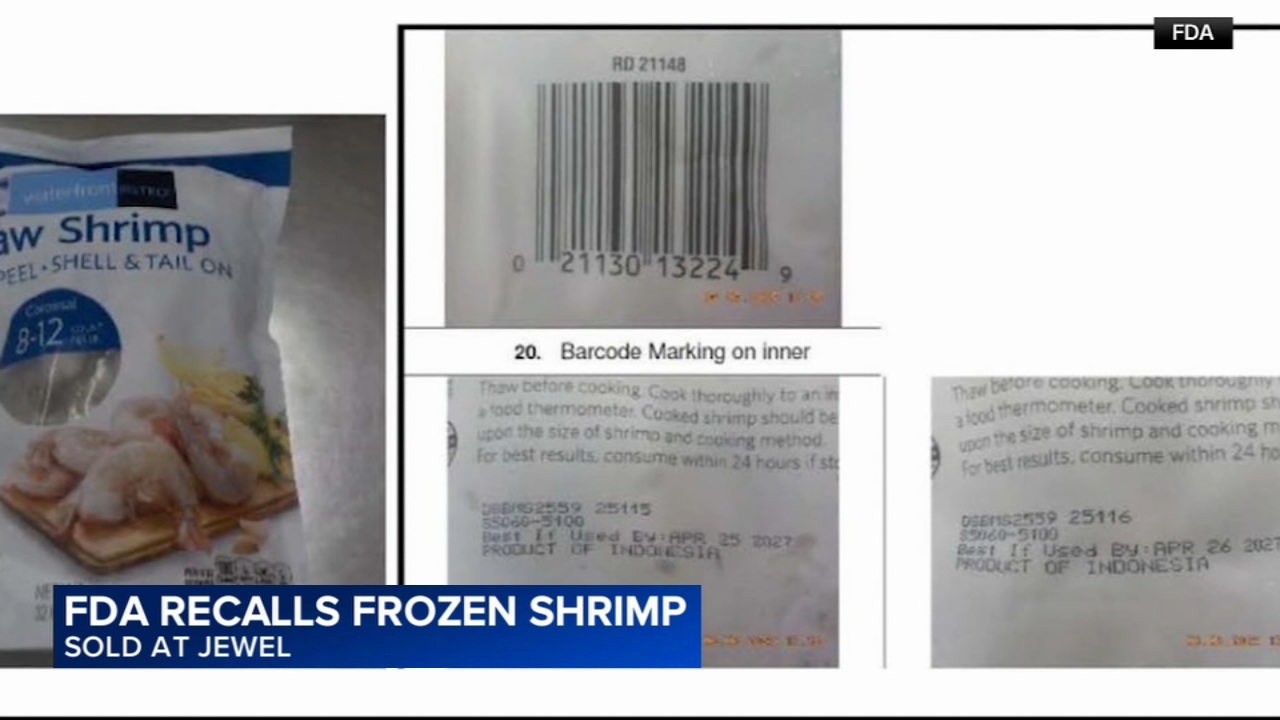








Overview
The Waterfront Bistro shrimp recall represents a pivotal moment in global food safety regulation, revealing profound vulnerabilities in cross-border supply chain management. At the core of this incident lies a critical compliance challenge: how international food distributors can effectively mitigate radioactive contamination risks while maintaining complex, multinational sourcing networks.
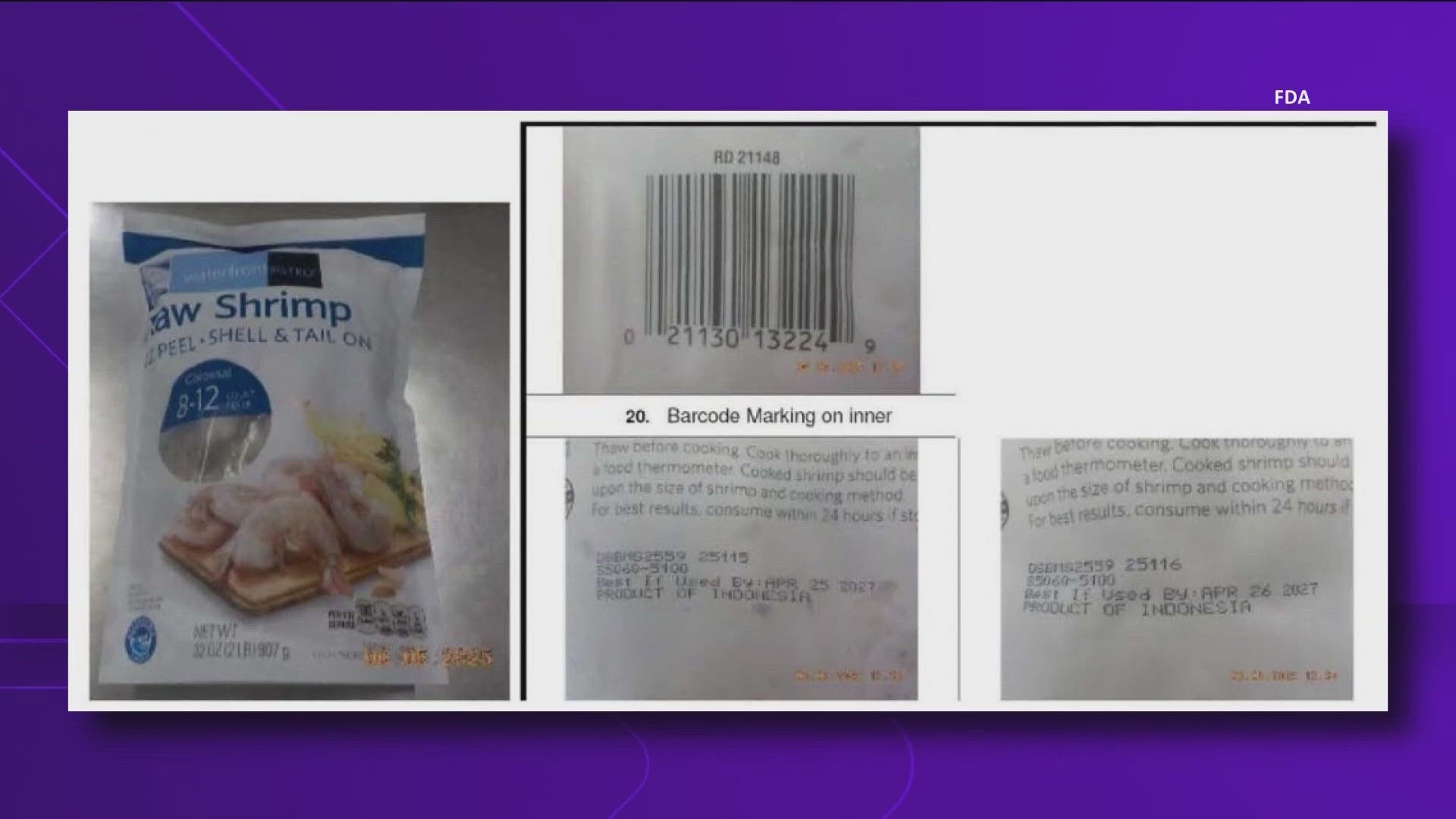
Regulatory Compliance as a Strategic Imperative: The FDA's recall of frozen shrimp containing cesium-137 from Indonesian suppliers underscores the urgent need for comprehensive quality control mechanisms. This isn't merely a product safety issue, but a systemic risk management challenge. The recall affects multiple brands across the Midwest, Northeast, and West regions, demonstrating the widespread potential for contamination when international supply chains lack rigorous testing protocols.
Supply Chain Vulnerability Mapping: The incident reveals multiple compliance failure points. Shrimp prepared in unsanitary conditions in Indonesia managed to penetrate U.S. retail networks, highlighting critical gaps in supplier vetting processes. For food retailers, this represents a multidimensional risk: potential consumer health impacts, brand reputation damage, and significant financial liability. The fact that no illnesses have been reported yet provides a narrow window for proactive risk mitigation.
Enforcement and Economic Implications: This recall signals a potentially transformative moment for food importers. Retailers must now view quality control not as an optional expense, but as a fundamental business protection strategy. The economic calculus has shifted—the cost of comprehensive testing and supplier auditing is now demonstrably lower than potential recall, legal, and reputational damages. Forward-thinking companies will treat this as a strategic opportunity to differentiate through superior compliance infrastructure.
The broader lesson is clear: in an increasingly interconnected global food system, regulatory compliance is no longer a bureaucratic checkbox, but a critical competitive advantage. Companies that can rapidly detect, communicate, and resolve potential contamination risks will emerge as trusted players in an increasingly complex international marketplace.
Questions 3
What specific risks does radioactive contamination pose in food supply chains?
Radioactive isotopes like cesium-137 can cause long-term health risks, including increased cancer probability. In food supply chains, such contamination represents not just a health hazard but a complex regulatory and economic challenge that can destroy consumer trust and brand reputation.
How can food retailers protect themselves from similar contamination risks?
Retailers must implement multi-layered compliance strategies including rigorous supplier vetting, comprehensive testing protocols, real-time traceability systems, and rapid response mechanisms for potential contamination incidents. This requires investment in both technological infrastructure and systematic quality control processes.