


The $1.7 Billion Powerball: A Statistical Odyssey of Improbable Wealth
- Exploring the Mathematical Mirages of Lottery Jackpot Dreams



















Overview
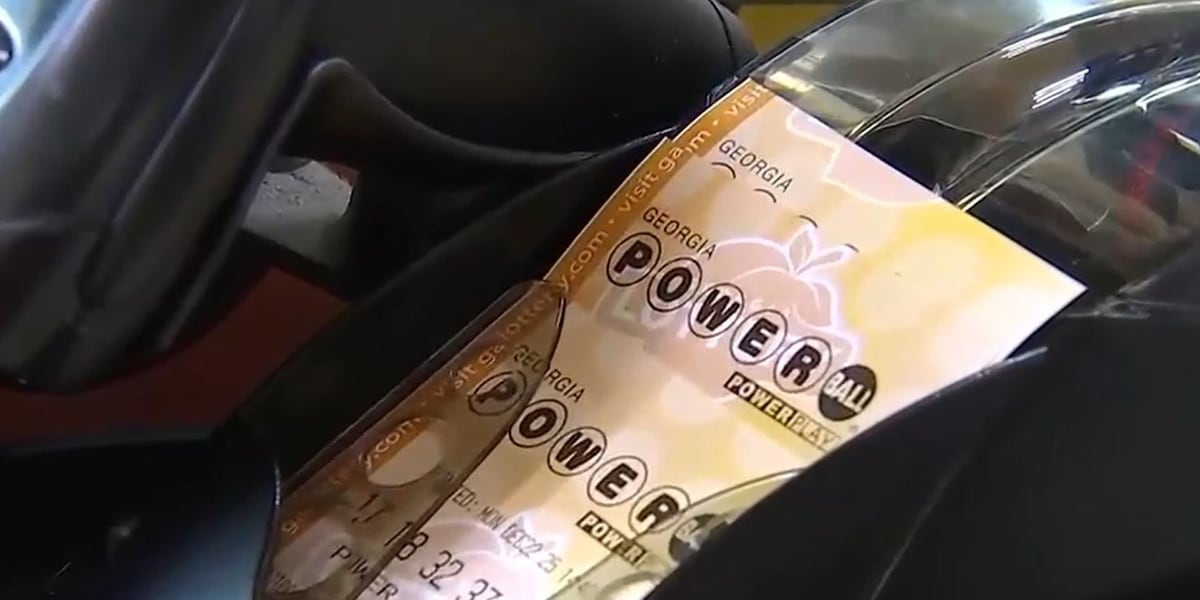
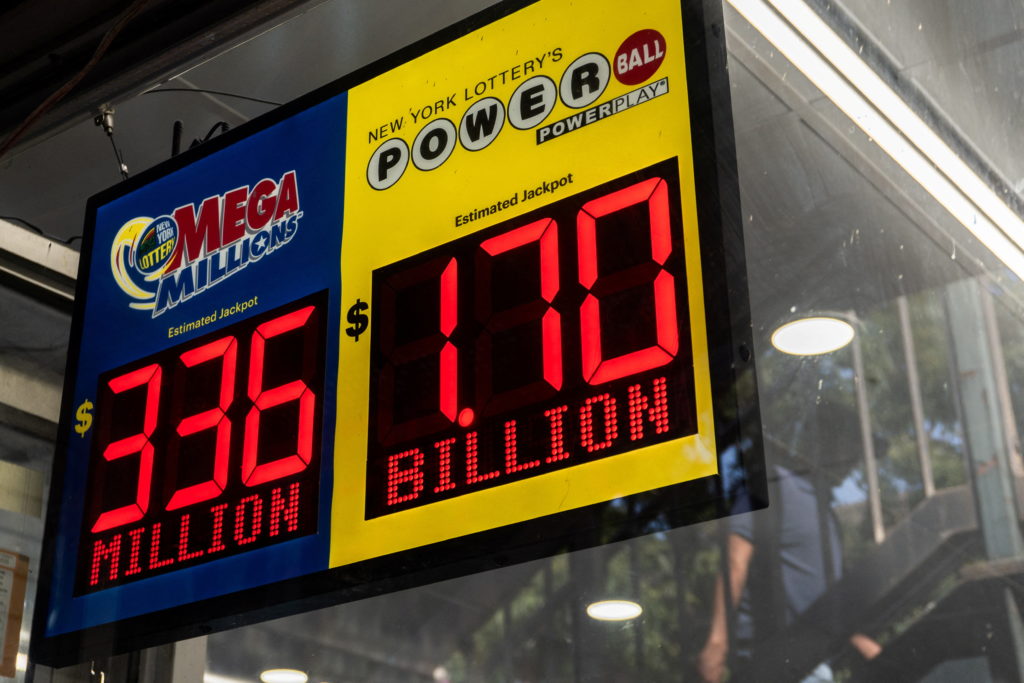
In the realm of financial probability, the $1.7 billion Powerball jackpot represents a fascinating intersection of hope, mathematics, and human psychology. The astronomical odds—approximately one in 292,201,338—transform this lottery from a potential windfall into a profound statistical phenomenon that reveals more about human aspiration than actual wealth generation.
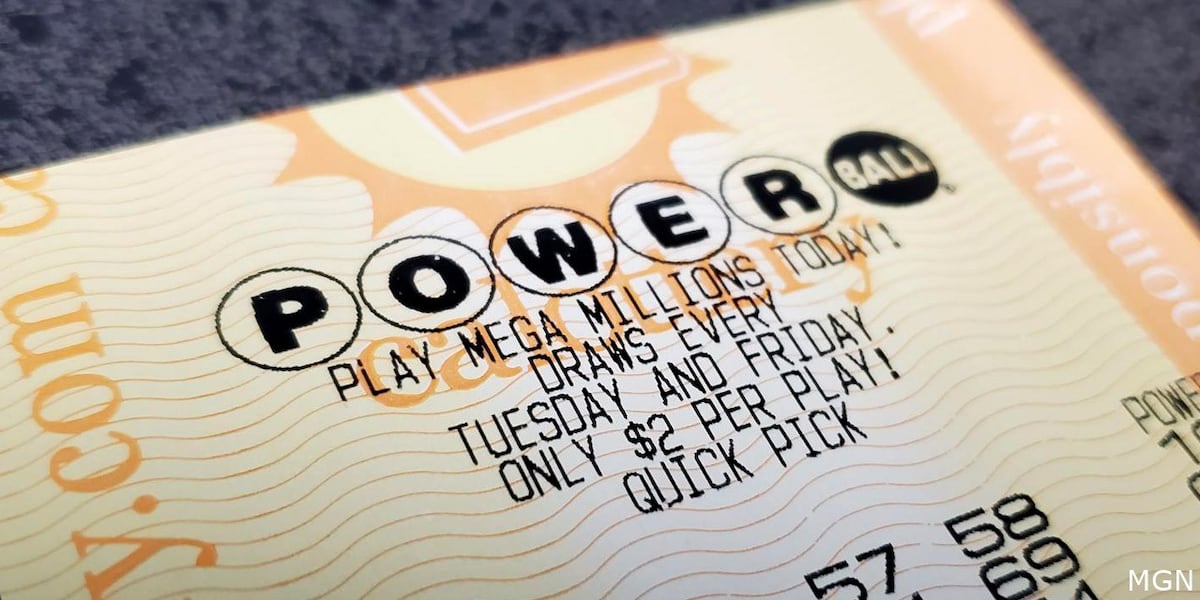
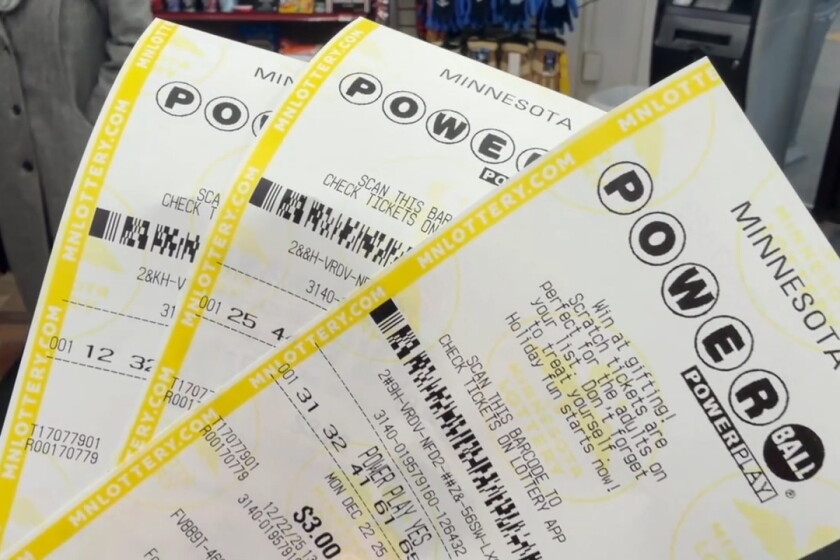
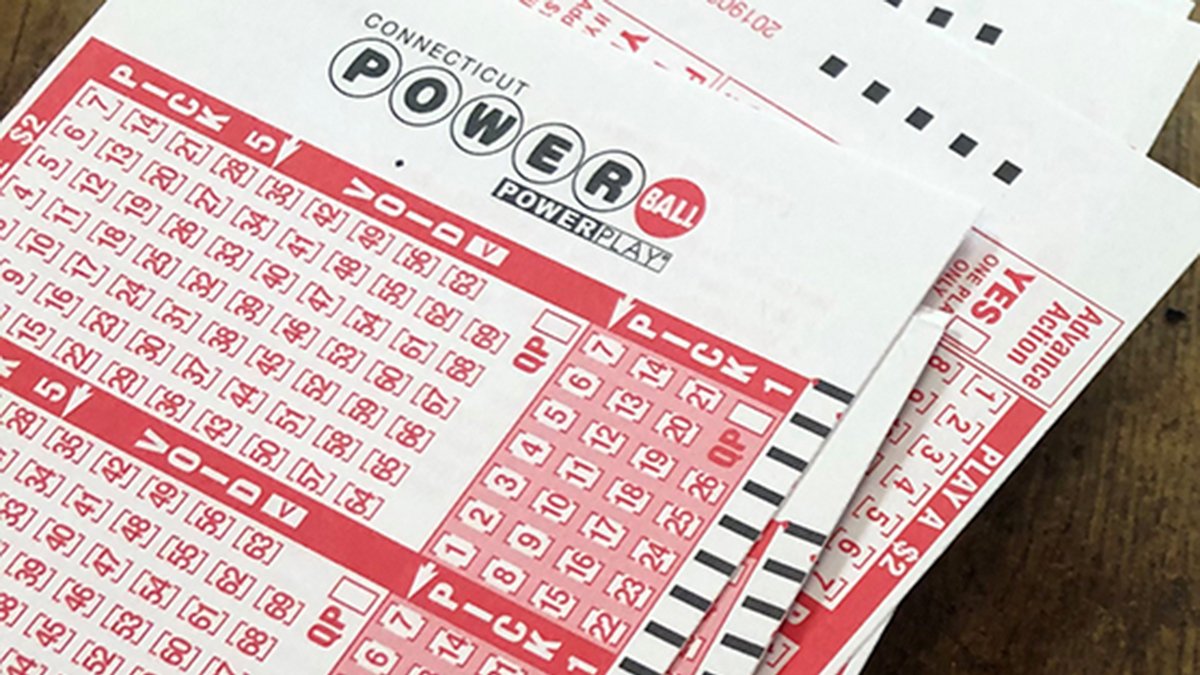
The lottery's mechanics are deliberately designed to create spectacle. Lottery officials intentionally adjusted game rules in 2015 to generate larger, more attractive prize pools, understanding that massive jackpots capture public imagination far more effectively than modest winnings. The current prize structure requires players to select five numbers from 1-69 and a separate Powerball number from 1-26, creating a near-impossible mathematical challenge.
Contextualizing these odds provides remarkable perspective. A player is statistically more likely to be struck by lightning (less than one in a million) or find a pearl in an oyster (one in 66) than claim this astronomical prize. The $1 million second-tier prize, while still incredibly rare (odds of 1 in 11,688,053), represents a more tangible—though still improbable—potential outcome.
The financial implications extend beyond mere probability. Winners face complex decisions: a 29-year annuity increasing 5% annually or a lump sum cash value of $781.3 million. This choice itself becomes a sophisticated financial planning challenge, with significant tax and investment considerations that most players rarely contemplate.
Historically, the United States has witnessed over a dozen billion-dollar lottery prizes since 2016, with the record standing at $2.04 billion in 2022. This trend suggests that lottery mechanisms have evolved from simple gambling to elaborate financial entertainment products that sell hope as much as potential wealth.
For most participants, the true value lies not in winning, but in the momentary suspension of mathematical reality—a brief window where astronomical dreams seem briefly possible. The $2 ticket price purchases not just a chance at wealth, but a temporary escape from financial constraints, making the lottery a unique psychological product as much as a financial instrument.
Questions 3
What financial decisions do Powerball winners face?
Winners must choose between a 29-year annuity that increases 5% annually or a lump sum cash value of $781.3 million. This decision involves complex tax implications, investment strategies, and long-term financial planning that most players haven't considered before winning.
How do lottery officials make these massive jackpots attractive?
Lottery officials strategically adjusted game mechanics in 2015 to create larger prize pools. By making the odds extremely low, they ensure jackpots can grow to headline-grabbing amounts, which drives more ticket sales and public excitement about the potential windfall.