





State-Sponsored Cyber Infiltration Threatens Tech Workforce Integrity
- North Korean Agents Expose Critical Vulnerabilities in Remote Hiring Ecosystems
























)








Overview
The digital workforce is facing an unprecedented cybersecurity challenge as state-sponsored infiltration transforms from theoretical risk to operational reality. North Korean agents have systematically targeted remote tech positions, particularly at Amazon, revealing a sophisticated strategy that goes far beyond traditional cyber threats.
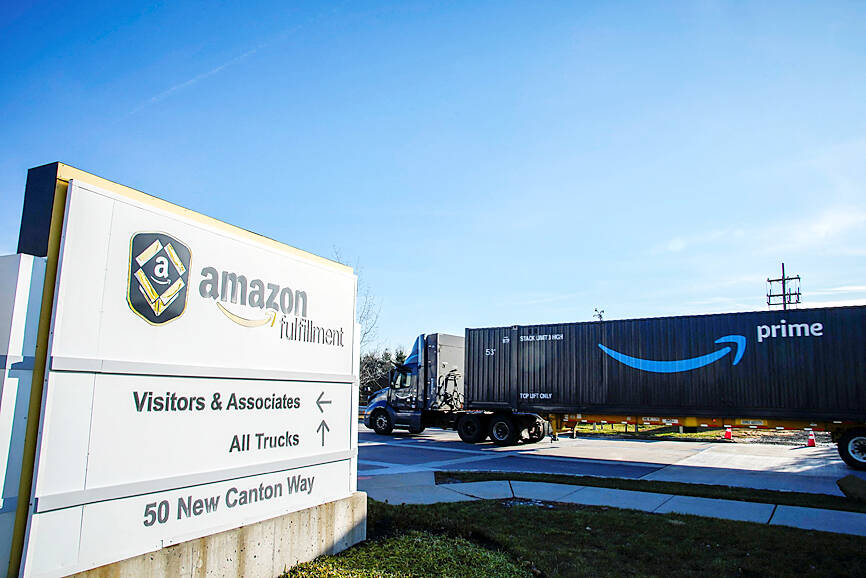
Amazon's Chief Security Officer Stephen Schmidt has uncovered a startling trend: nearly 2,000 job applications from suspected North Korean operatives have been blocked since April 2024, representing a 27% quarter-over-quarter surge. These aren't random attempts, but calculated infiltrations designed to exploit the remote work ecosystem. The agents employ complex tactics including identity theft, hijacking dormant social media accounts, and creating 'laptop farms' - networks of computers physically located in the United States but operated remotely.
The strategic implications are profound. These infiltration attempts aren't merely about securing employment, but represent a calculated economic warfare mechanism. By placing operatives in tech companies, North Korea aims to generate revenue streams that can potentially fund weapons programs while simultaneously creating opportunities for intellectual property theft and digital infrastructure penetration. The U.S. Justice Department has already uncovered 29 illegal laptop farms, highlighting the systematic nature of these operations.
For tech companies and e-commerce platforms, this represents a critical inflection point. Traditional hiring verification processes are being rendered obsolete by increasingly sophisticated fraud techniques. The threat extends far beyond a single company—it's a systemic challenge that demands reimagining identity verification, remote work protocols, and cybersecurity infrastructure.
The geopolitical dimension adds another layer of complexity. Recent international forums involving the U.S., Japan, and South Korea underscore that these aren't isolated incidents, but part of a broader state-sponsored cyber strategy. Companies must now view remote hiring not just as a talent acquisition process, but as a potential national security vulnerability.
Questions 3
What steps can companies take to protect against such infiltration?
Companies must implement multi-layered identity verification processes, including AI-powered screening, manual verification, comprehensive background checks, and continuous monitoring of remote employees. Collaboration with cybersecurity agencies and developing more robust digital identity validation technologies are crucial.
What makes these infiltration attempts different from traditional cyber threats?
Unlike typical cyber attacks, these are systematic, state-sponsored efforts to place operatives directly inside tech companies' workforce. The strategy involves long-term economic manipulation, potential weapons program funding, and strategic intelligence gathering through embedded personnel.