


The Digital Transformation of Holiday Shopping: AI, E-Commerce, and Consumer Resilience
- Emerging opportunities for e-commerce sellers in a technology-driven retail landscape



























Overview
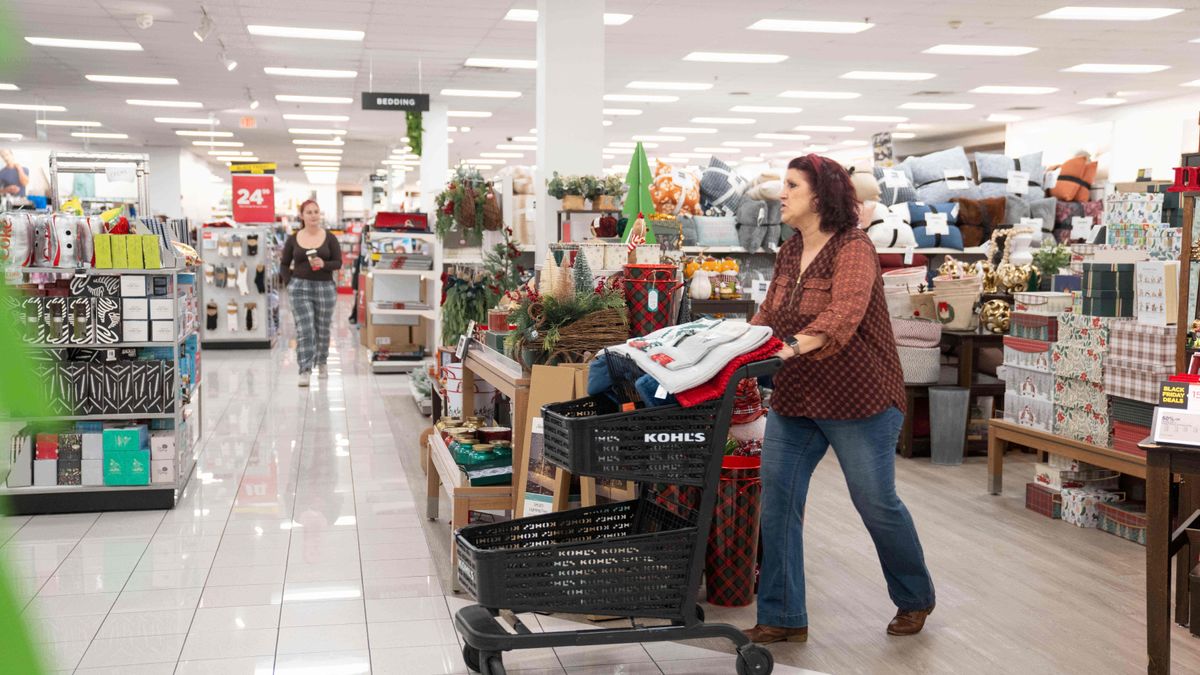
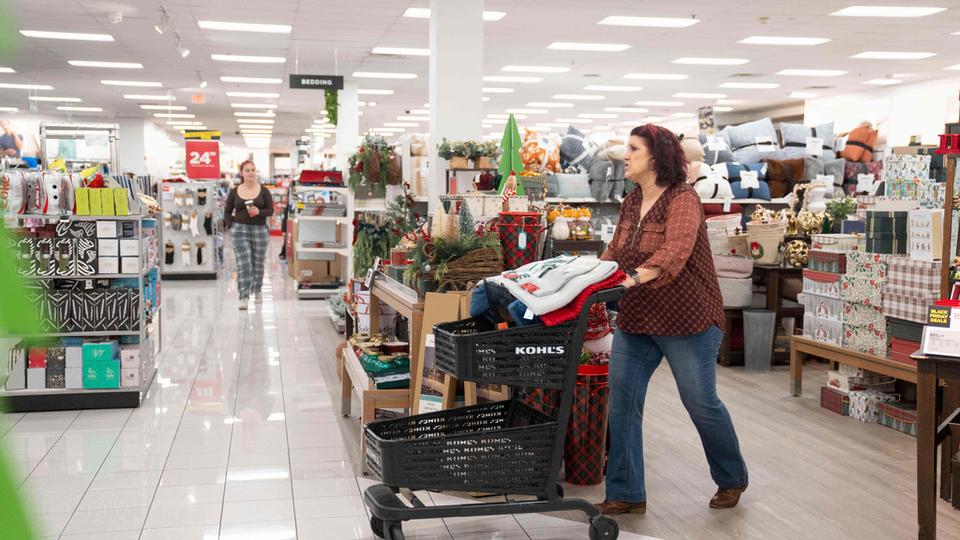
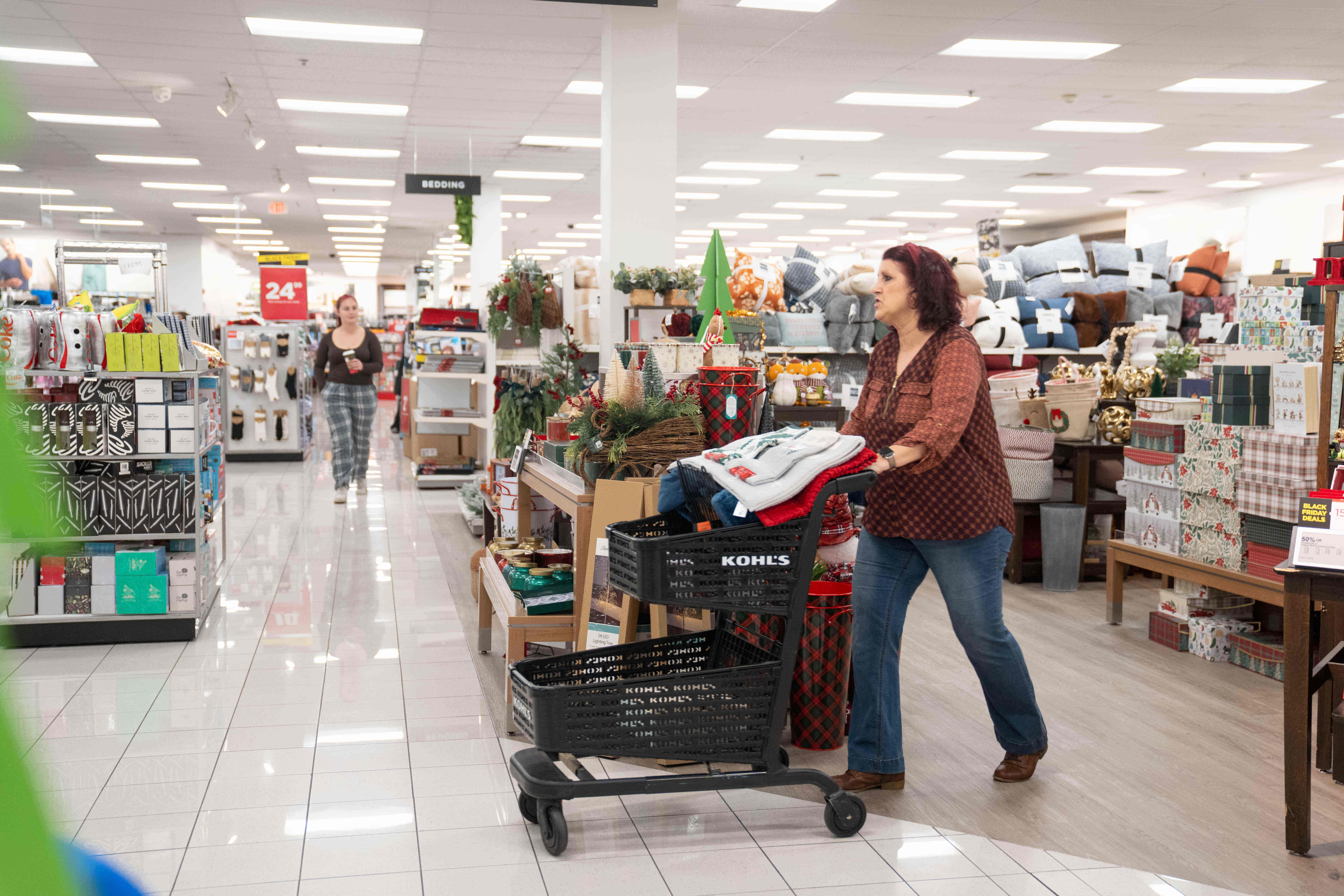
The 2023 holiday shopping season reveals a pivotal moment in retail transformation, where digital technologies and consumer behavior are reshaping the e-commerce landscape. With total retail spending rising 4.2% and e-commerce sales jumping 7.8%, the market demonstrates remarkable resilience despite economic uncertainties.
Artificial Intelligence emerges as a critical driver of this transformation. Approximately half of consumers now use AI for product comparison and gift selection, signaling a fundamental shift in shopping decision-making. This technological integration is particularly pronounced in the electronics category, which saw a robust 5.8% sales increase, driven by high-performance AI-powered devices.
The data tells a nuanced story of platform evolution. While physical stores still dominate with 73% of payment volume, e-commerce is rapidly gaining ground. The 27% online sales share represents more than just a transactional channel—it's becoming a sophisticated ecosystem of convenience, personalization, and intelligent shopping experiences. Cross-border e-commerce sellers are particularly well-positioned, with opportunities emerging in technology, personal goods, and AI-enhanced shopping platforms.
Consumer behavior reflects a strategic approach to spending. Despite inflationary pressures, real spending growth remained positive at 2.2%, indicating a careful but confident market. Clothing and accessories performed strongly with a 5.3% sales acceleration, while shoppers demonstrated selective purchasing patterns, prioritizing meaningful gifts over decorative items.
The implications are clear: e-commerce platforms must now compete on technological sophistication, not just price and convenience. Sellers who can leverage AI, provide seamless digital experiences, and offer intelligent product recommendations will gain a significant competitive advantage in this evolving retail landscape.
Questions 4
What platforms are most promising for holiday sales?
While physical stores still dominate at 73% of payment volume, e-commerce is rapidly gaining ground with 27% market share. Platforms that integrate AI, offer personalized experiences, and provide seamless digital interactions will have a competitive edge.
How are consumers managing spending amid economic uncertainties?
Consumers are showing strategic spending behavior, with a 4.2% total retail increase and 2.2% real spending growth. They're prioritizing meaningful purchases, particularly in electronics and clothing, while being selective about discretionary spending.