


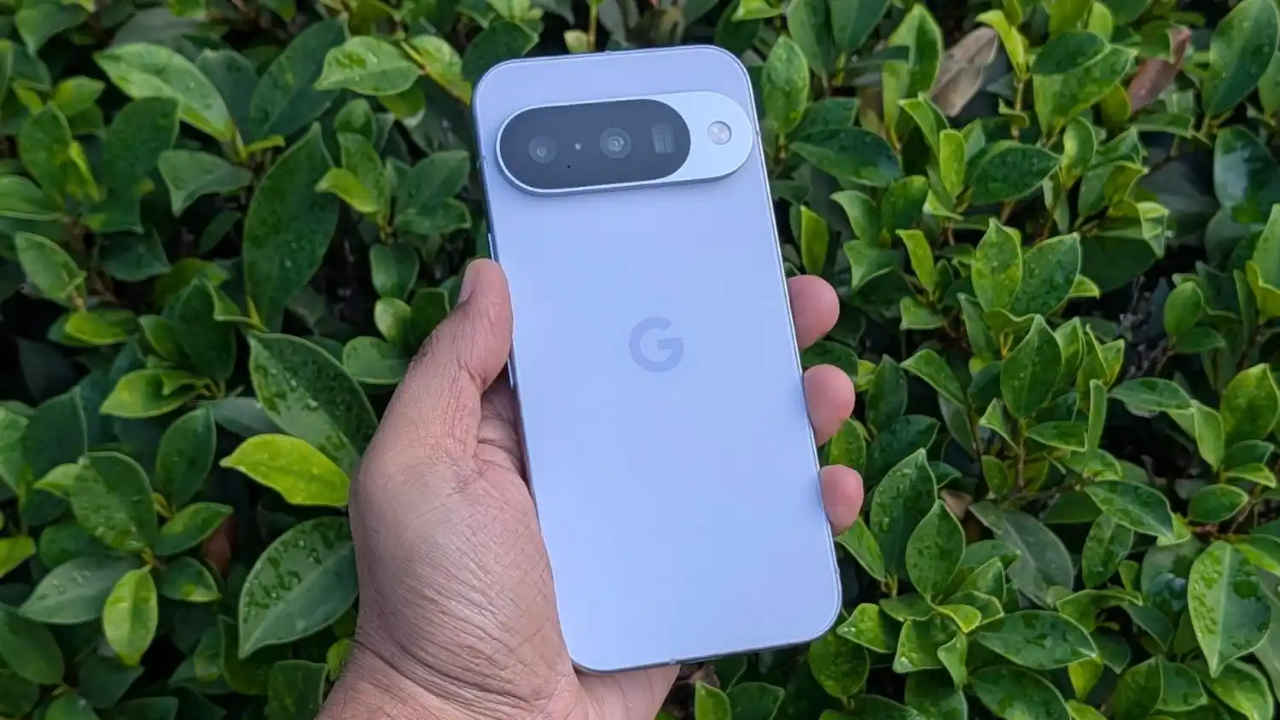



Google's Strategic Price War: How Pixel 10's $449 Disrupts the Smartphone Market
- Aggressive Pricing Strategy Signals Major Shift in Consumer Electronics Competitive Landscape








Overview
The consumer electronics market is experiencing a seismic pricing transformation, with Google's Pixel 10 emerging as a strategic weapon that could redefine smartphone market dynamics. By dramatically reducing the Pixel 10's price from $799 to $449 - a stunning 35% markdown - Google is executing a calculated move that goes far beyond a simple holiday sale.
This price reduction represents more than a promotional tactic; it's a deliberate strategy to disrupt the smartphone ecosystem. The Pixel 10's compelling specifications - including a 6.3-inch AMOLED display, Google Tensor G5 processor, and 12GB RAM - combined with an unprecedented price point, create a value proposition that challenges established market players like Apple and Samsung.
The broader context reveals a sophisticated market maneuver. Google isn't just offering a discount; it's signaling a fundamental shift towards value-driven consumer electronics. The seven-year software update commitment transforms the device from a mere smartphone into a long-term technology investment. For e-commerce sellers and tech resellers, this presents a remarkable arbitrage opportunity - purchasing high-specification devices at dramatically reduced prices for cross-border markets.
The timing and scale of these discounts suggest deeper strategic intentions. Manufacturers like Google and Samsung are likely clearing inventory in anticipation of upcoming product launches, while simultaneously applying pressure on competitors through aggressive pricing. This approach reflects the intense competitive landscape of consumer electronics, where pricing has become a critical battleground for market share.
For tech entrepreneurs and e-commerce strategists, the Pixel 10's pricing represents a potential inflection point. The combination of advanced specifications, extended software support, and dramatically reduced pricing creates a new market segment that challenges traditional premium smartphone positioning. Savvy sellers should view this not just as a sales opportunity, but as a signal of evolving consumer expectations around technology value and longevity.
Questions 3
What opportunities does this pricing strategy create for e-commerce sellers?
E-commerce sellers can leverage the Pixel 10's low price for cross-border arbitrage, purchasing devices in markets with the deepest discounts and reselling in regions with higher smartphone prices. The device's robust specifications and long-term software support make it an attractive product for international tech markets.
Why is Google offering such a significant discount on the Pixel 10?
The discount is likely a strategic move to gain market share, clear existing inventory before a new product launch, and challenge competitors by offering high-specification devices at unprecedented price points. It signals Google's commitment to disrupting the smartphone market through aggressive pricing and value proposition.