


AI Rewrites the Code: Microsoft's Radical Programming Language Revolution
- Artificial intelligence transforms software engineering through unprecedented code modernization strategies



Overview
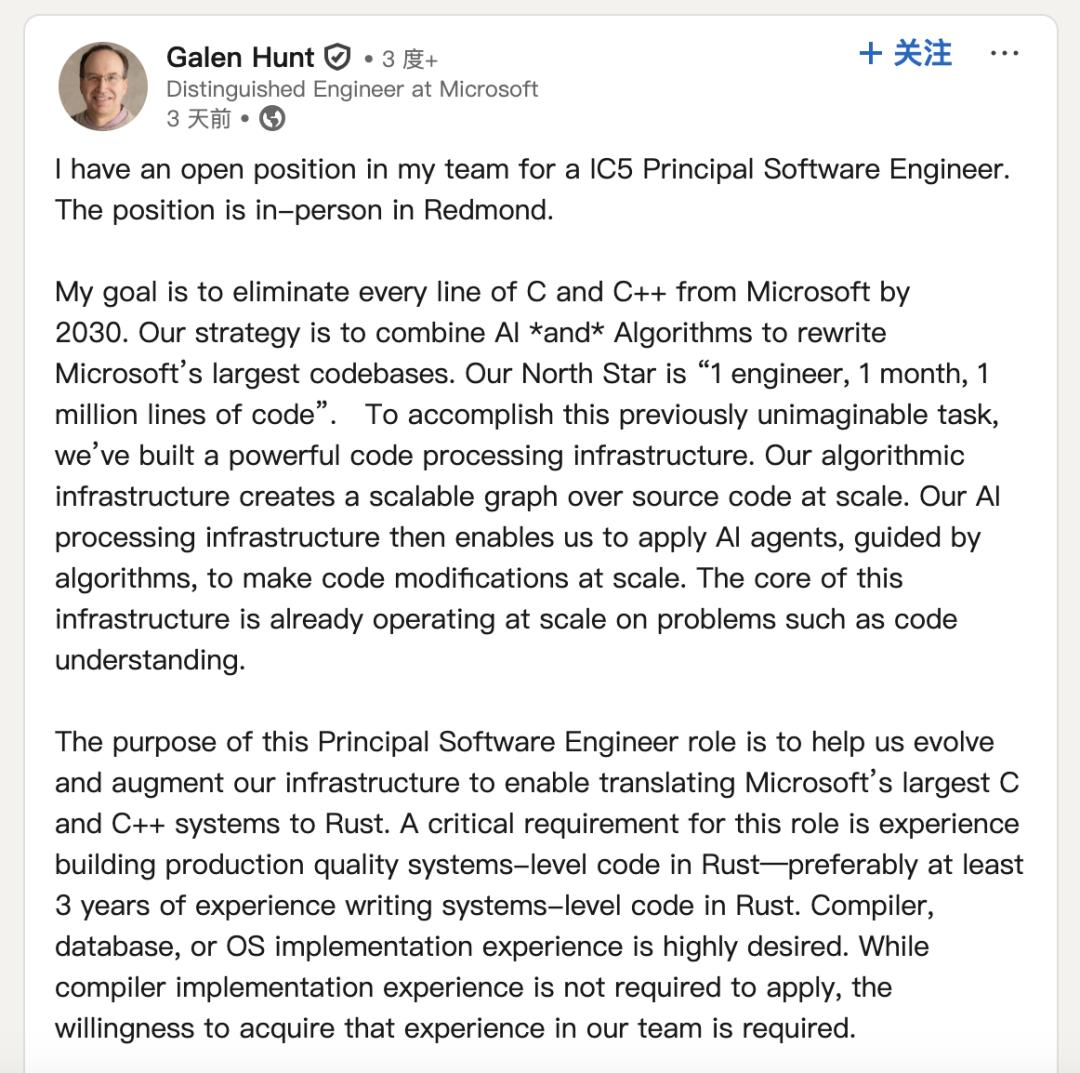
Artificial intelligence is fundamentally reshaping software development, with Microsoft launching an audacious initiative to completely transform its technological infrastructure through AI-powered code translation. The company's bold strategy involves systematically eliminating legacy programming languages like C and C++, replacing millions of lines of code with more modern, AI-compatible alternatives by 2030.
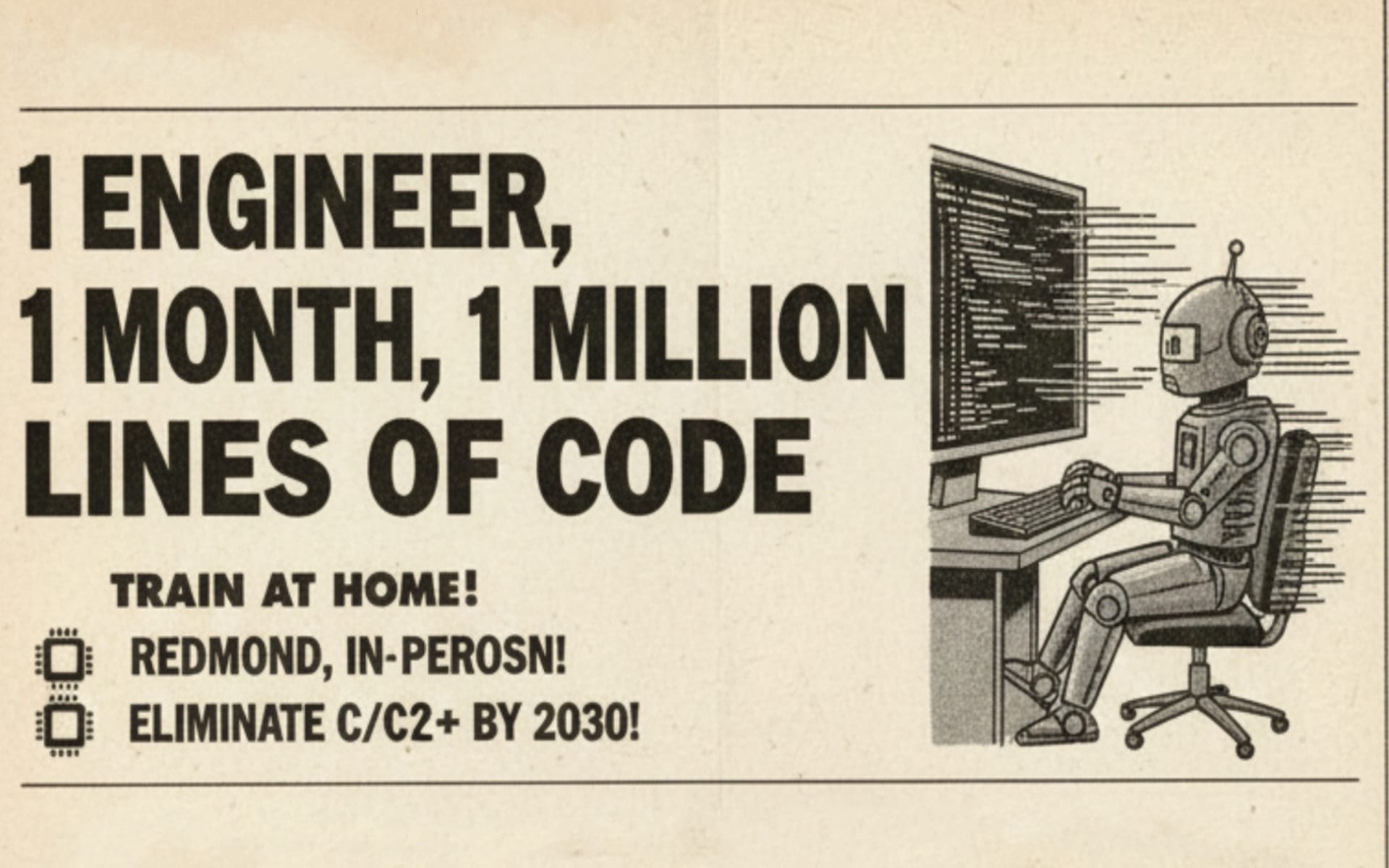
Strategic Code Transformation represents more than a technical upgrade—it's a watershed moment in software engineering. Microsoft is mandating an unprecedented effort where engineers must rewrite 1 million lines of code monthly, targeting Rust as the preferred next-generation programming language. This isn't merely a language swap; it's a comprehensive reimagining of how software is constructed, maintained, and evolved.
The deeper significance lies in AI's expanding role as a transformative engineering tool. By using advanced AI agents and algorithms to analyze, translate, and rewrite complex code bases, Microsoft is demonstrating that artificial intelligence can solve engineering challenges previously considered intractable. The initiative signals a profound shift: programming languages are no longer static artifacts but dynamic, adaptable systems that can be systematically modernized through intelligent automation.
For technology professionals and businesses, this development represents a critical inflection point. The implications extend far beyond Microsoft—this approach suggests a future where AI-optimized programming becomes the standard, not the exception. Companies will need to rapidly upskill their engineering teams, invest in AI-driven development tools, and rethink their approach to technical debt and system modernization.
The most striking aspect is the scale and ambition of the transformation. By committing to a complete codebase overhaul within six years, Microsoft is essentially treating its entire software infrastructure as a living, continuously evolving organism. This approach challenges traditional notions of software maintenance, suggesting that radical, AI-powered reimagination can be more efficient than incremental updates.
Questions 4
What risks does this massive code transformation present?
The primary risks include potential system disruptions during translation, the complexity of maintaining compatibility across millions of lines of code, and the significant retraining required for engineering teams. However, Microsoft's phased approach and AI-powered tools are designed to mitigate these challenges.
What are the broader implications for software developers?
Developers will need to rapidly upskill in AI-assisted coding, learn Rust, and adapt to more dynamic, AI-driven development methodologies. The industry is shifting towards seeing programming languages as adaptable systems that can be intelligently modernized, rather than static codebases.