


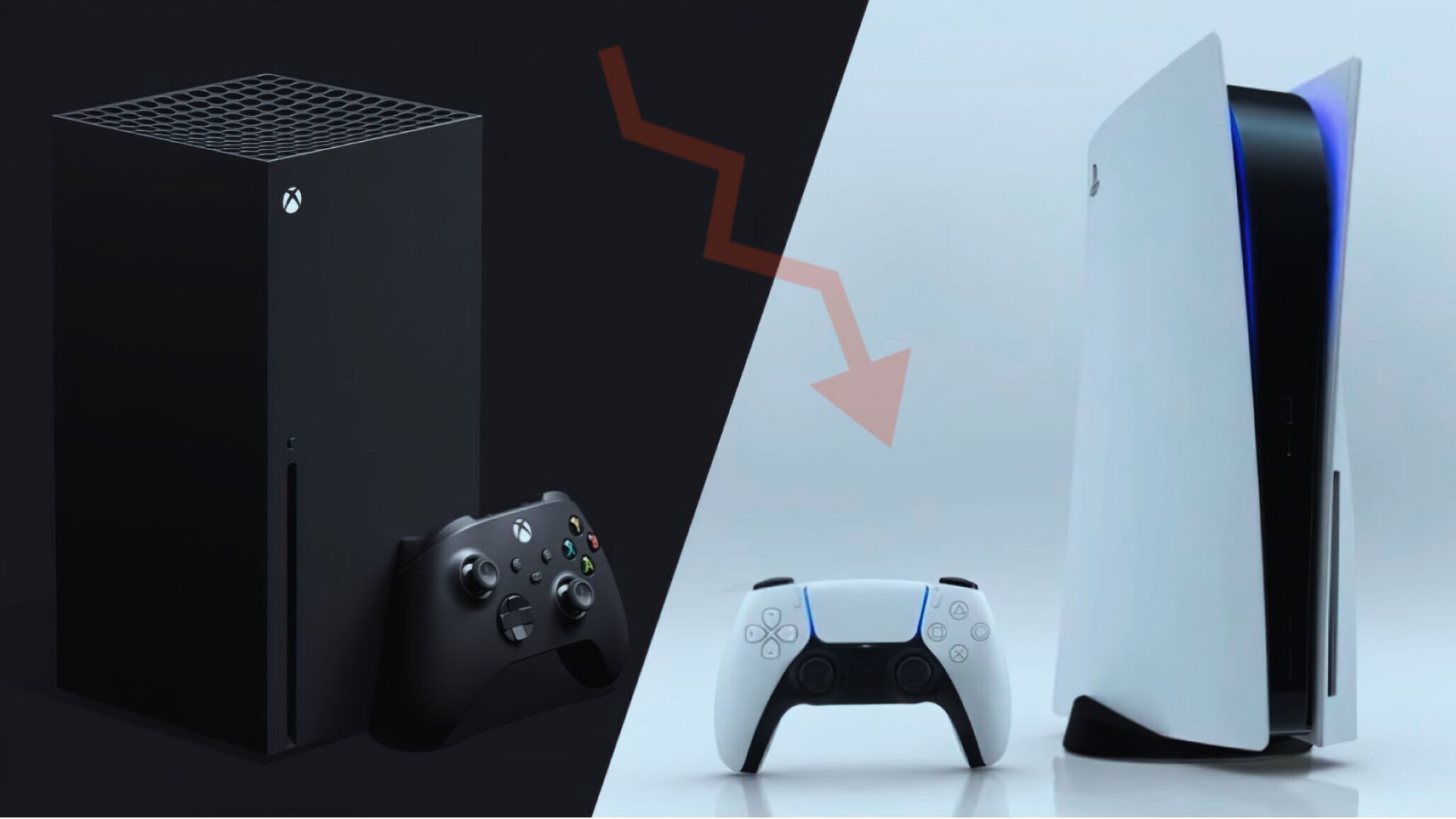

Xbox's Existential Pivot: Microsoft Reimagines Gaming Beyond Hardware
- Strategic transformation signals the end of traditional console competition for gaming platforms


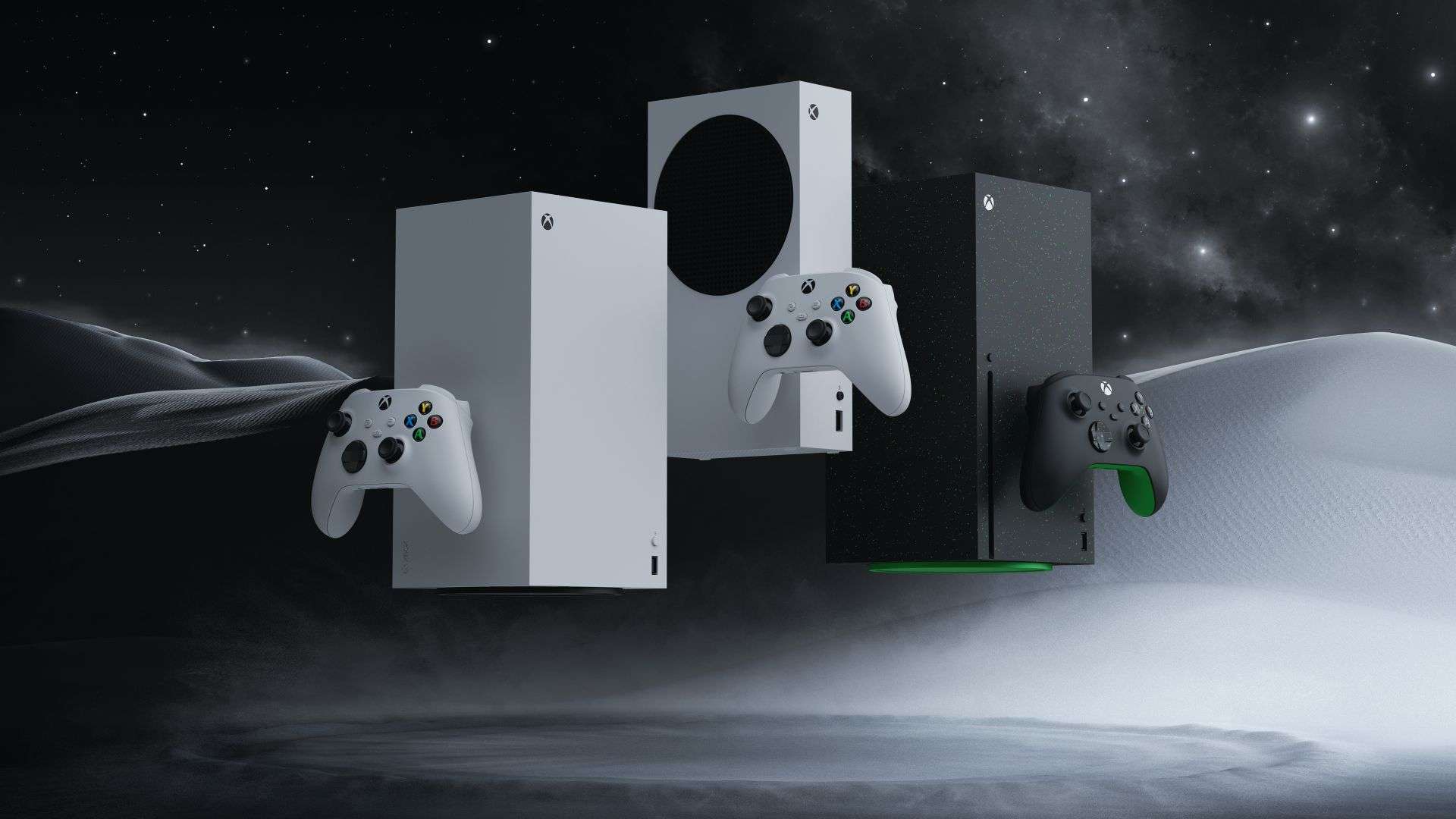
Overview
The gaming industry is witnessing a fundamental restructuring as Microsoft dramatically reimagines its Xbox strategy, moving decisively away from hardware-centric competition toward a fluid, platform-agnostic ecosystem. In 2025, Xbox experienced a seismic market shift, with console sales plummeting 70% and revealing the unsustainability of traditional gaming business models.
Strategic Transformation Drivers: The collapse of Xbox's traditional market position stems from multiple interconnected factors. Console sales have dramatically underperformed, with Xbox Series X/S selling just 1.7 million units compared to PlayStation's 84.2 million. This stark disparity has forced Microsoft's leadership, including Satya Nadella and Phil Spencer, to fundamentally rethink their gaming approach.
Cloud and Subscription: The New Battleground: Microsoft is pivoting toward Game Pass and cloud gaming as its primary strategic vectors. Despite a controversial 50% price increase, Game Pass has demonstrated resilience, reporting 34 million subscribers and nearly $5 billion in revenue. Cloud gaming hours have surged 45% year-over-year, with services now available in 30 countries, signaling a profound shift from hardware to service-based gaming.
Market Implications: This transformation represents more than a corporate strategy adjustment—it's a systemic reimagining of gaming distribution. By prioritizing accessibility across multiple devices and platforms, Microsoft is challenging decades-old console ecosystem dynamics. The company is essentially decoupling gaming experiences from specific hardware, creating a more flexible, device-agnostic model that could reshape how game developers and publishers conceptualize their products.
For industry stakeholders, the message is clear: adaptability and platform-independent design are becoming critical competitive advantages. Microsoft's bold pivot suggests that the future of gaming lies not in proprietary consoles, but in seamless, cloud-enabled experiences that transcend traditional technological boundaries.
Questions 4
How successful is Xbox Game Pass in this new strategy?
Despite a controversial 50% price increase, Game Pass has shown resilience with 34 million subscribers and nearly $5 billion in revenue. Cloud gaming hours have increased 45% year-over-year, indicating growing user acceptance of the subscription-based model.
What does Microsoft's gaming strategy mean for game developers?
Developers will need to design games that can seamlessly operate across multiple platforms and devices, focusing on cloud compatibility and flexible deployment. The shift suggests a future where game design prioritizes service integration over hardware-specific optimization.