



Microsoft's Software Revolution: Breaking Free from Subscription Traps
- Transforming Productivity Software Economics for Small Businesses and Individual Professionals









Overview
Microsoft is strategically reshaping the productivity software market by offering compelling one-time purchase alternatives that challenge the dominant subscription-based model. The company's recent moves reveal a nuanced understanding of user pain points, particularly for small businesses, students, and professionals seeking predictable software expenses.
The core strategy centers on price disruption and flexibility. By introducing Microsoft Office 2024 Home Edition at $119.97 and Office Professional 2021 at just $34.97, Microsoft is effectively demolishing traditional software pricing barriers. These offerings represent more than mere discounts—they're a calculated response to subscription fatigue. The packages include comprehensive productivity tools like Word, Excel, PowerPoint, and additional applications, providing users with lifetime access without recurring monthly fees.
What makes this approach particularly compelling is its multi-segment targeting. For students, the reduced pricing makes professional-grade software accessible. For small businesses, the one-time purchase model eliminates financial uncertainty. The lifetime license approach transforms software from a recurring expense to a strategic investment, with prices averaging approximately $5 per application.
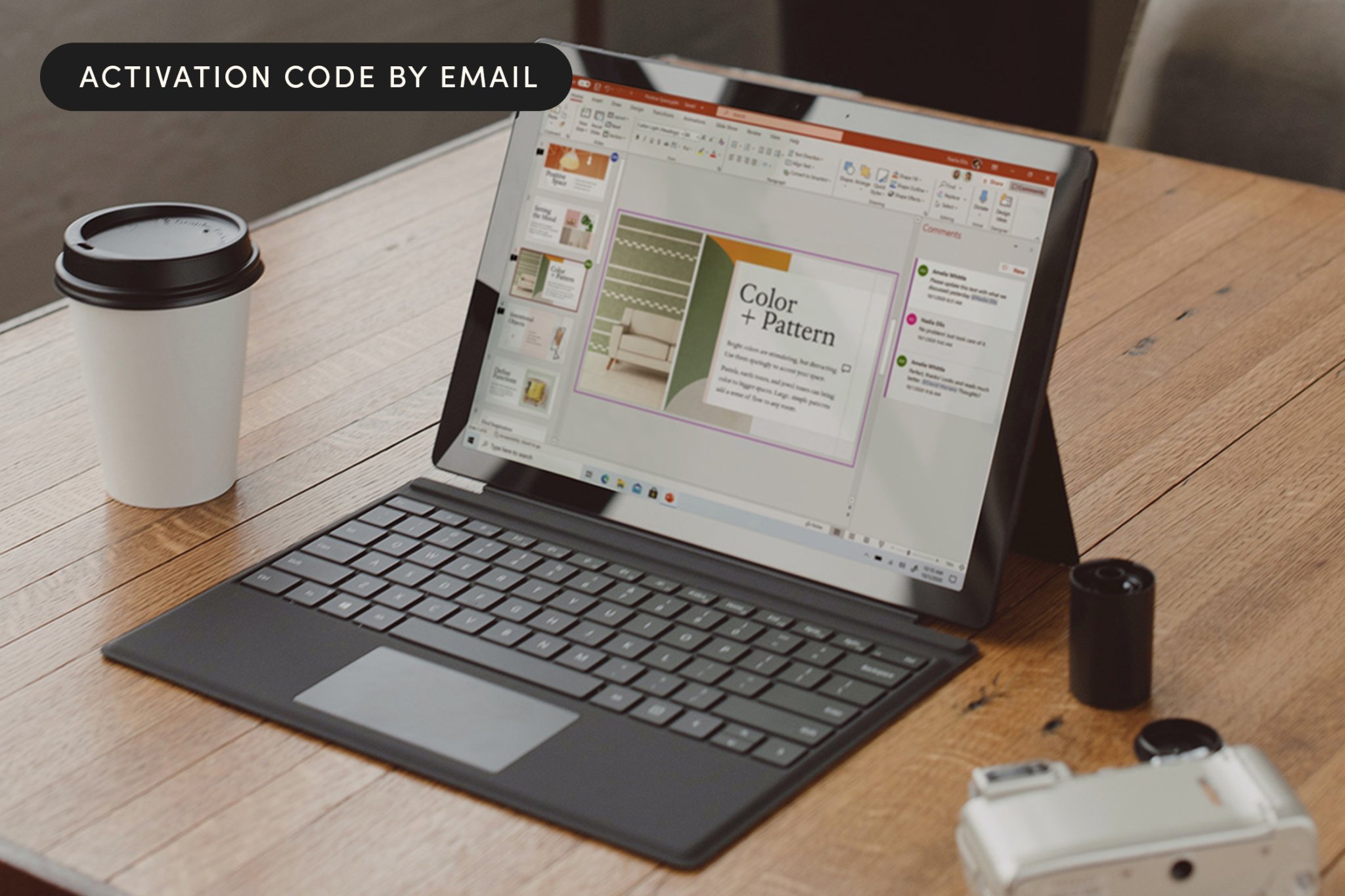
The broader implications are significant. Microsoft is signaling a potential pivot in software distribution, recognizing that users increasingly demand ownership, predictability, and value. By offering instant digital delivery, compatibility across Windows 10 and 11, and a comprehensive suite of applications, the company is not just selling software—it's providing a flexible productivity ecosystem.
For digital marketers and e-commerce professionals, this represents a critical opportunity to rethink software procurement strategies. The trend suggests a growing market for cost-effective, non-subscription software solutions that prioritize user autonomy and financial predictability.
Questions 3
What makes these Office versions different from previous subscription models?
Unlike subscription-based Office 365, these versions offer a lifetime license with a single payment, instant digital delivery, and compatibility across Windows 10 and 11. They include core productivity apps and additional tools at a significantly reduced price point.
How do these new pricing models benefit small businesses?
The one-time purchase model eliminates recurring monthly fees, provides a comprehensive suite of productivity applications at a fixed cost, and offers lifetime access. Small businesses can now budget more effectively and avoid ongoing software subscription expenses.