

The Revolt Against AI-Generated Game Art: When Technology Meets Creative Integrity
- Emerging player backlash signals critical challenges for game developers integrating generative AI








Overview
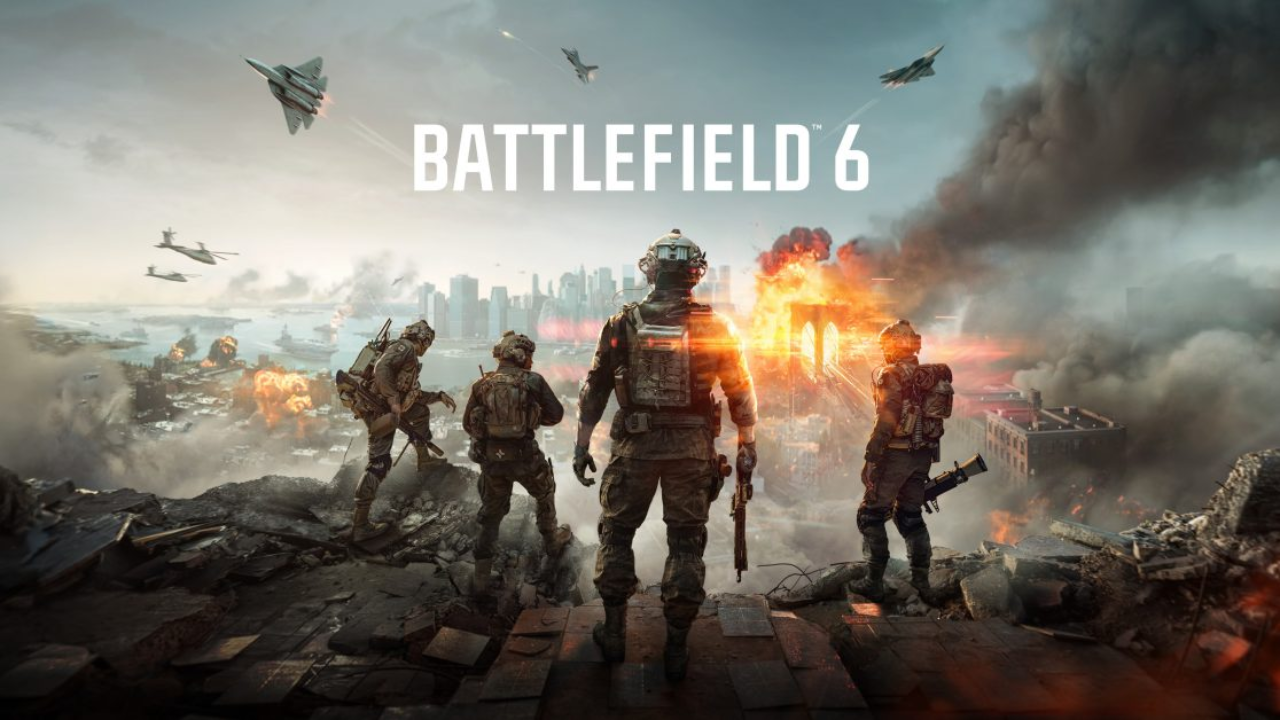
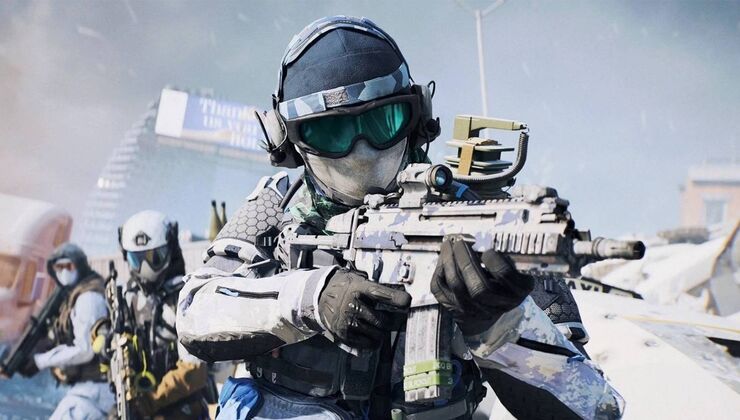
The gaming industry stands at a critical inflection point where technological innovation collides head-on with artistic authenticity. In the Battlefield 6 controversy, players have exposed a fundamental tension: the growing unease with generative AI encroaching on creative domains traditionally reserved for human artists.
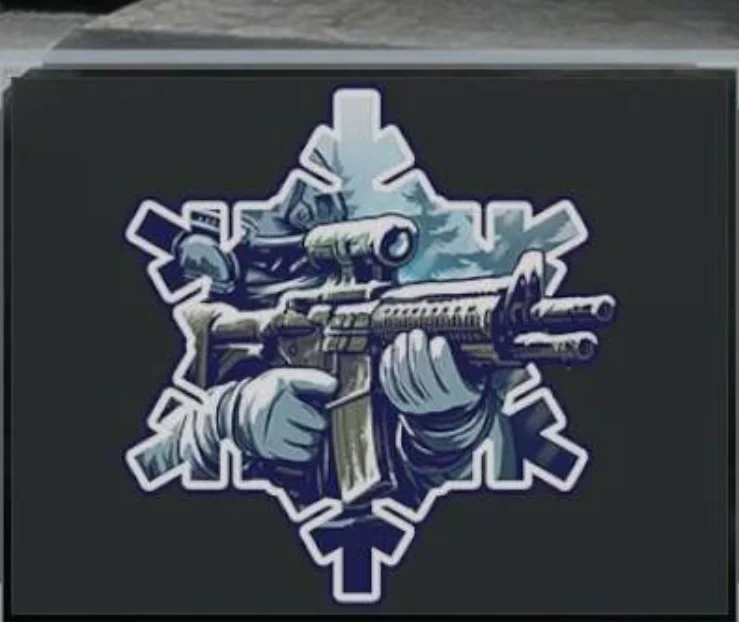
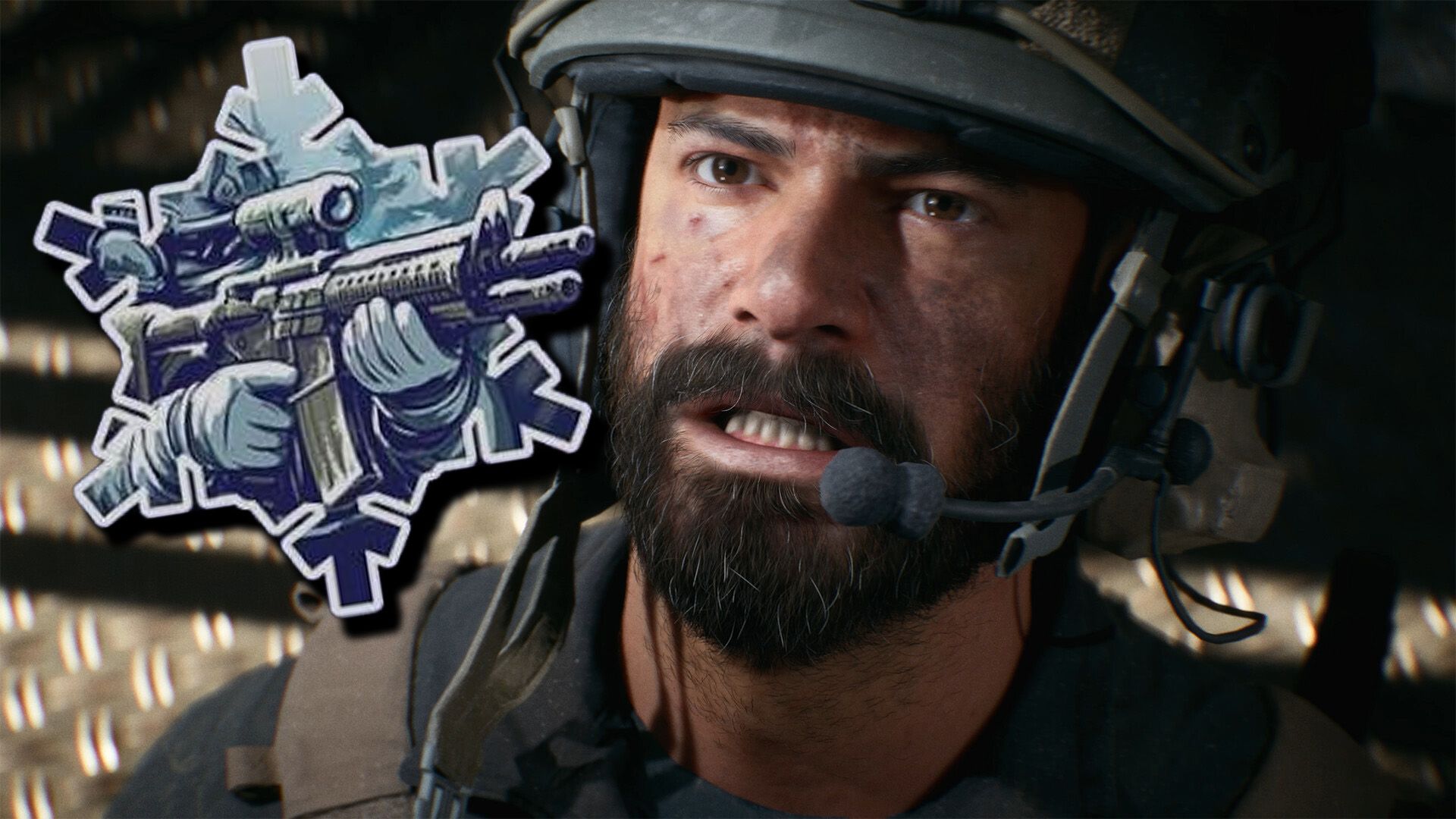
The core issue emerged through seemingly innocuous cosmetic items—specifically, a player card sticker featuring an anatomically impossible assault rifle with two barrels. This single image became a lightning rod for broader industry concerns about AI's role in content creation. EA DICE's previous assurances that AI would only be used in proprietary development stages now ring hollow, as players meticulously dissect and challenge AI-generated assets.
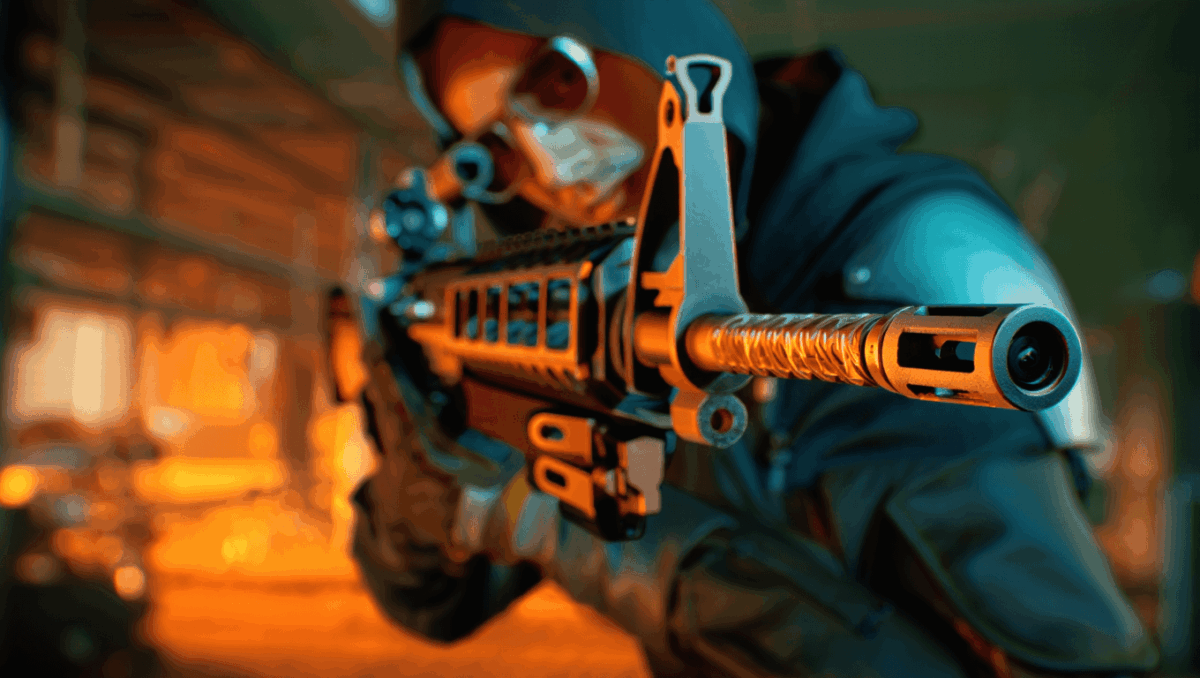
What makes this controversy particularly significant is the community's sophisticated resistance. Players aren't merely complaining; they're conducting forensic investigations into suspected AI artwork, highlighting technical anomalies like missing trigger details and improbable design elements. The backlash transcends aesthetic preferences—it represents a principled stand against what many perceive as a threat to human creativity.
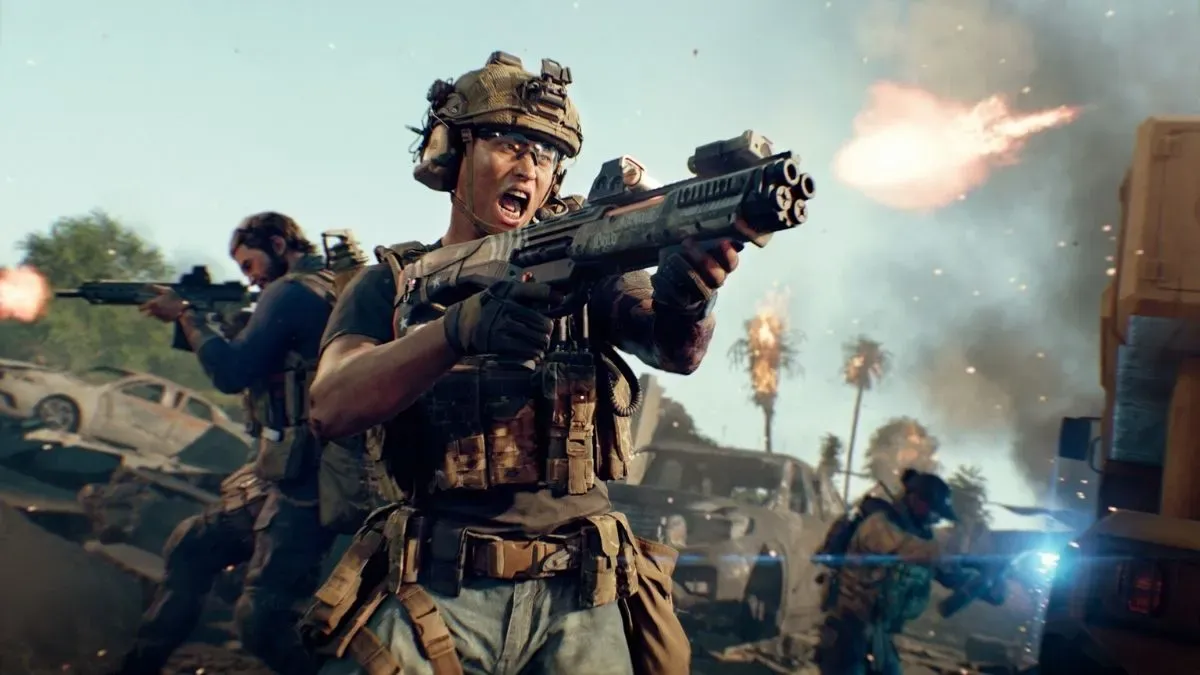
The implications extend far beyond Battlefield 6. Similar controversies in games like Call of Duty: Black Ops 7 suggest this is not an isolated incident but a systemic challenge facing digital entertainment. Game developers now face a critical strategic dilemma: how to leverage AI's efficiency without compromising artistic integrity and player trust.
For the broader creative technology ecosystem, this represents a pivotal moment. The gaming community has demonstrated it will actively resist low-quality AI substitutions, signaling that technological capability alone is insufficient. Successful integration of generative AI will require nuanced approaches that complement, rather than replace, human artistic vision.
Questions 3
Why are Battlefield 6 players so upset about AI-generated cosmetics?
Players are concerned about the quality and authenticity of AI-generated artwork, viewing it as a potential threat to human artists and a compromise of creative standards. The technical inconsistencies in AI-generated stickers, like anatomically impossible designs, have triggered a broader debate about artistic integrity in game development.
What are the potential long-term implications of AI in game design?
The controversy suggests that AI integration must be carefully managed. Successful adoption will require complementing human creativity rather than replacing it, with a focus on enhancing artistic workflows while preserving the unique value of human-created content.