






Creative Constraints: How a Small Game Studio Redefined Success Without Scaling Up
- Challenging traditional growth models through intentional team limitations in creative industries













Overview
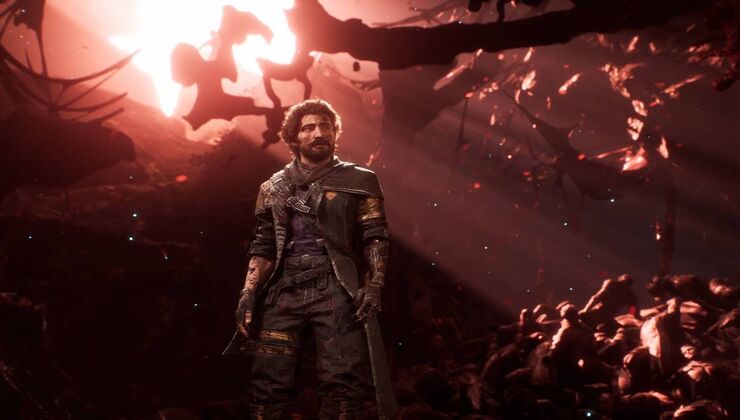
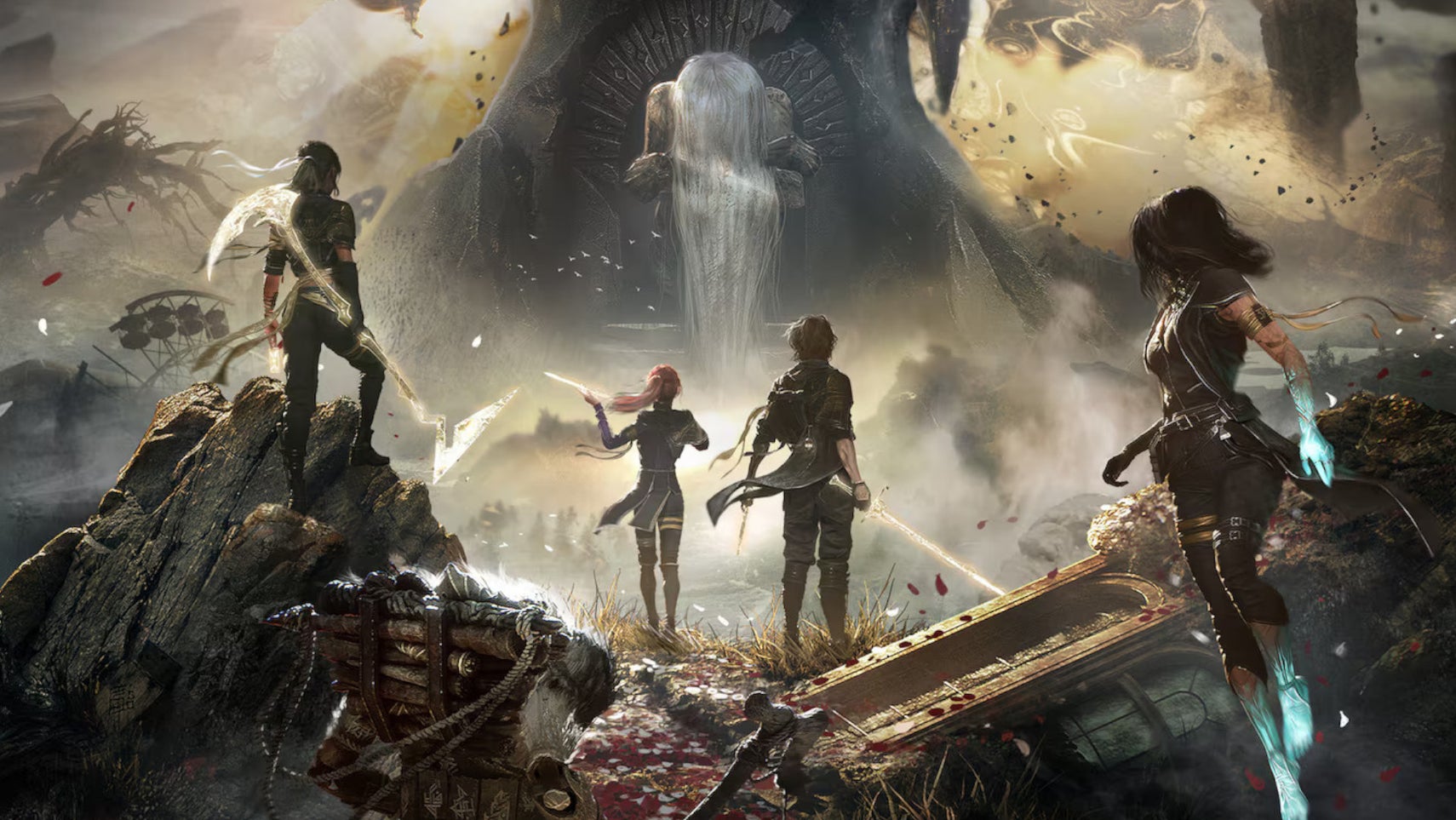
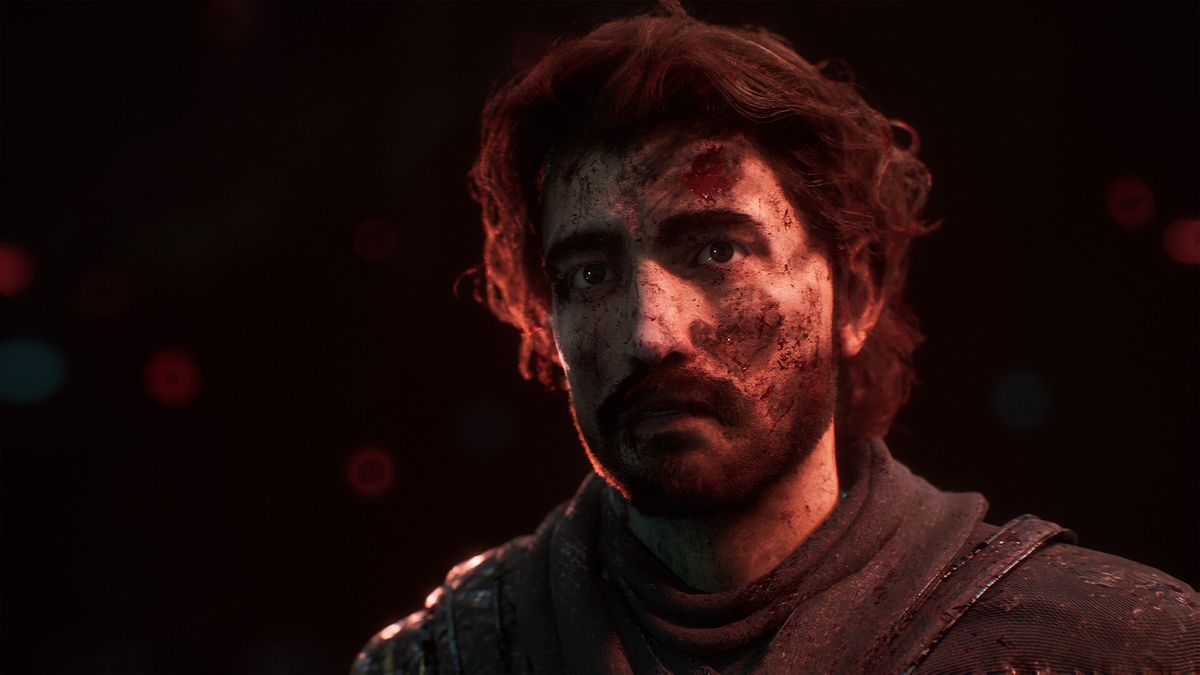
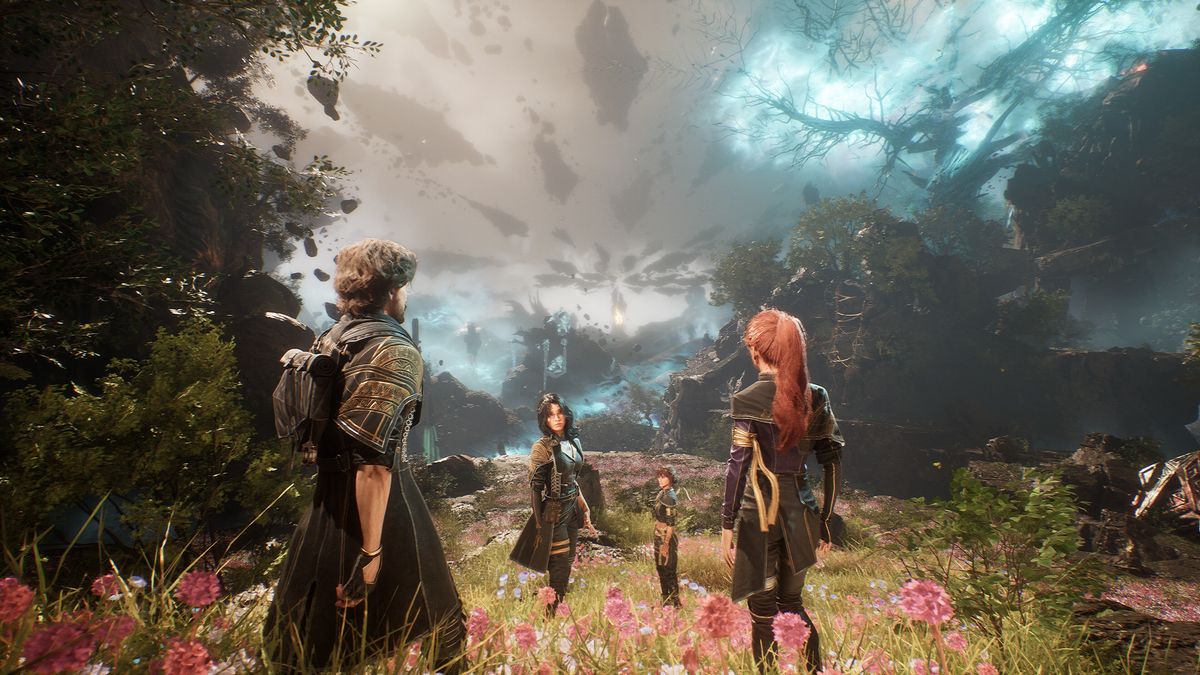
In the rapidly evolving landscape of game development, Sandfall Interactive has emerged as a provocative case study of strategic restraint. With their breakthrough title Clair Obscur: Expedition 33, the studio achieved a remarkable milestone by selling over 5 million units and winning nine prestigious awards, all while deliberately choosing not to expand beyond their compact 33-person team.
Guillaume Broche, the studio's co-founder, has articulated a counterintuitive philosophy that challenges conventional startup growth narratives. His stance—"We love making games more than we love managing"—represents a profound reimagining of success in the creative industries. By maintaining a small, focused team, Sandfall demonstrates that creative integrity can be a more valuable currency than corporate expansion.
The studio's approach reveals several critical insights. First, their intentional limitations are not a constraint but a strategic advantage. By keeping the team compact, they maintain agility, reduce operational complexity, and preserve the passionate core that drove their initial success. The game's development, completed with a budget under 10 million, showcases how focused execution can outperform resource-heavy approaches.
Notably, Sandfall's journey wasn't without challenges. The game was disqualified from the Indie Game Awards due to generative AI content, highlighting the emerging ethical complexities in game development. Yet, this setback did not deter their core mission of creating genuinely engaging experiences.
For creative professionals and entrepreneurs, Sandfall represents a new paradigm: success is not about scaling rapidly, but about maintaining the quality and passion that initially differentiated your work. Their strategy suggests that in an era of constant growth pressure, strategic restraint can be a powerful competitive differentiator.
The broader implications extend far beyond gaming. Sandfall's model challenges the Silicon Valley-driven narrative that equates growth with success, proposing instead that true innovation emerges from focused, passionate teams who prioritize craft over corporate expansion.
Questions 3
How does Sandfall's strategy challenge traditional startup growth models?
By rejecting the typical Silicon Valley narrative of constant expansion, Sandfall demonstrates that success can be achieved through quality, team dynamics, and creative integrity rather than aggressive scaling. Their model suggests that smaller teams can produce high-impact products without massive infrastructure investments.
What are the potential risks of Sandfall's non-scaling approach?
Potential risks include limited capacity for multiple simultaneous projects, potential burnout of core team members, and challenges in handling rapid market opportunities. However, their focused approach mitigates these risks by maintaining team passion and operational efficiency.