




The AI Eyewear Revolution: How Smart Glasses Are Rewriting Consumer Tech
- Transforming Wearable Technology Through Seamless AI Integration and Design Innovation


Overview
The convergence of artificial intelligence and eyewear is rapidly transforming consumer technology, signaling a profound shift in how we interact with personal devices. Smart glasses are no longer a futuristic concept but an emerging reality, with major tech players like Meta and Ray-Ban pioneering a new category of intelligent, multi-functional accessories.
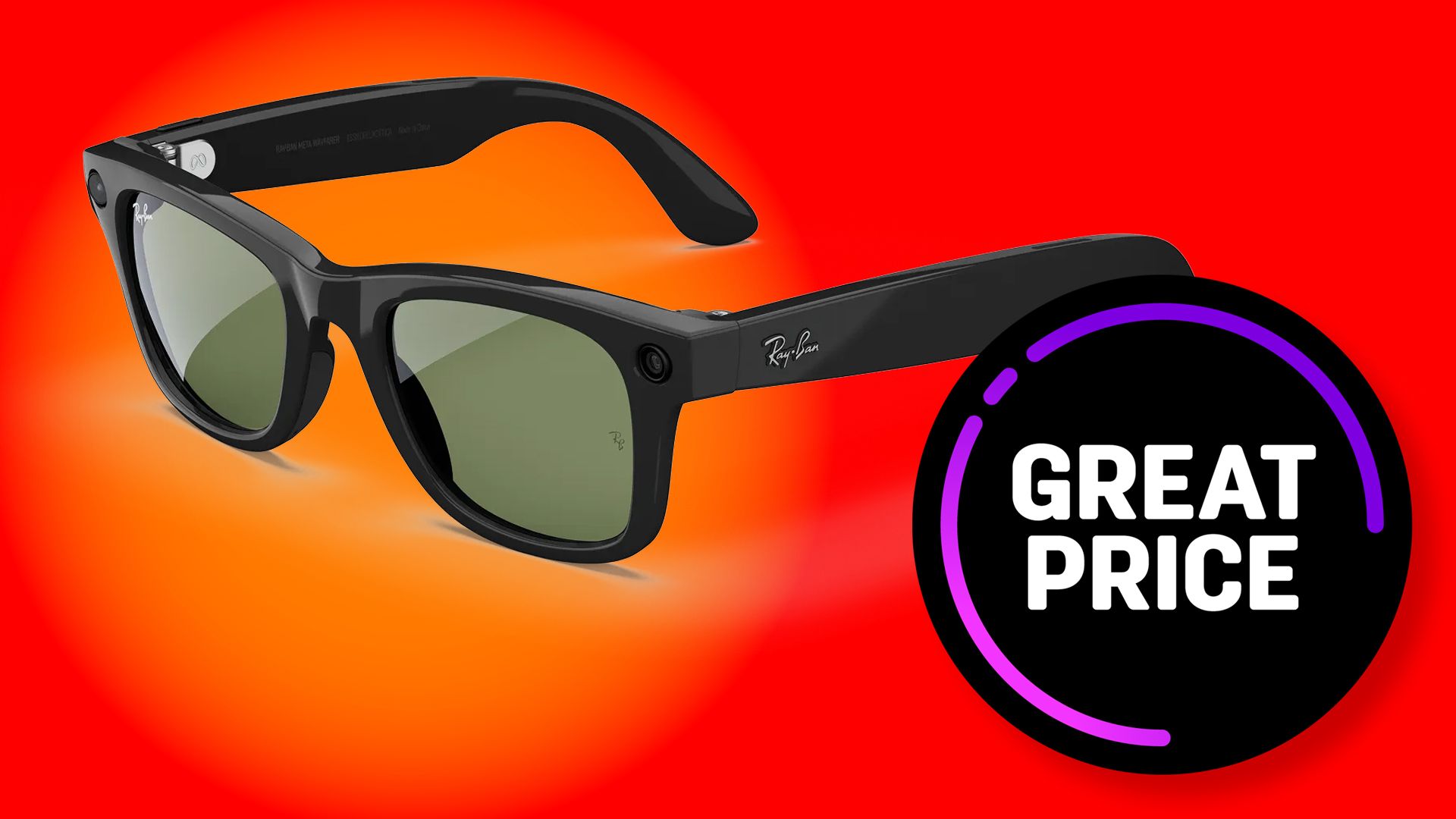
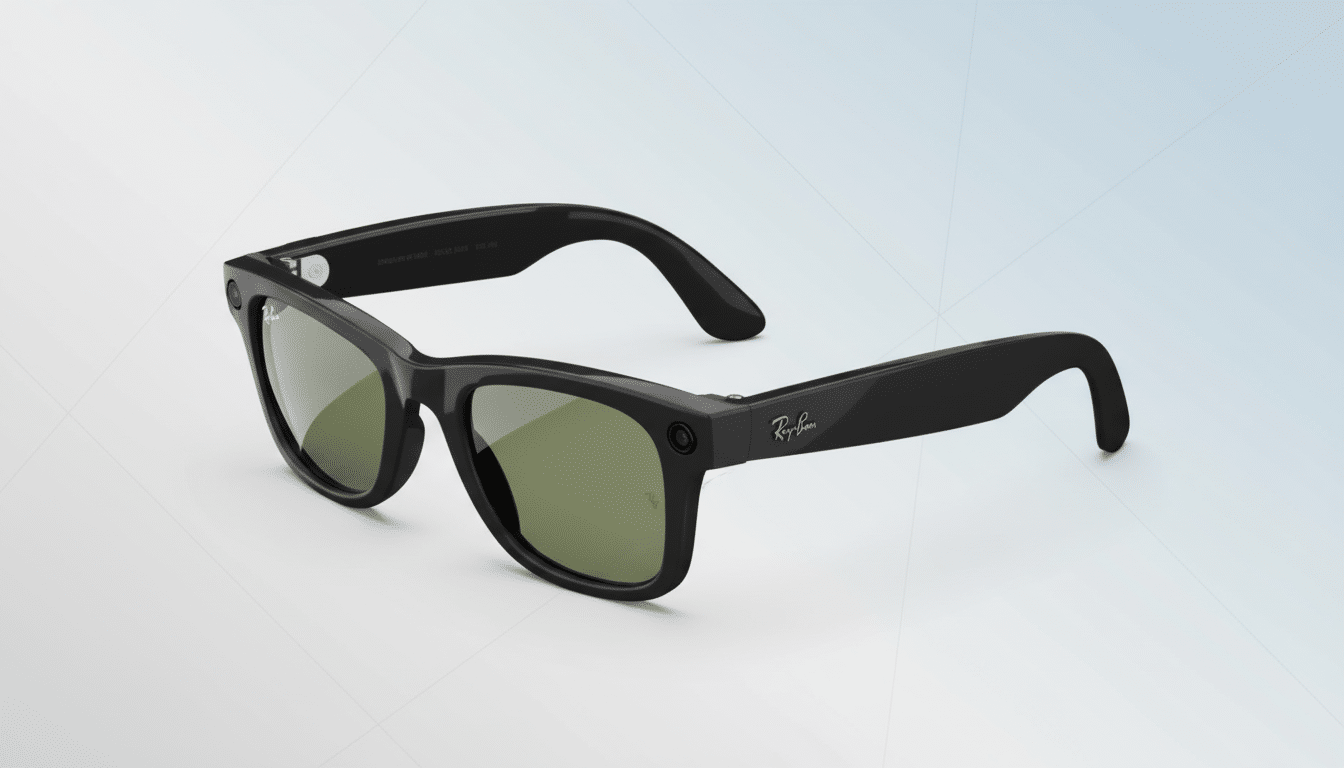
The current wave of smart eyewear represents a strategic breakthrough in technological design. By integrating advanced capabilities like AI-powered translation, high-resolution video capture, and seamless connectivity into familiar form factors, companies are solving critical adoption barriers. The Ray-Ban Meta Smart AI Glasses, priced at $246.75 with a 25% discount, exemplify this approach—offering real-time multilingual translation, 12 MP camera functionality, and a five-microphone system, all packaged in a classic Wayfarer design that doesn't scream "tech device".
For e-commerce sellers and tech entrepreneurs, this represents a significant market opportunity. The smart eyewear segment is maturing beyond early experimental products like Google Glass, with major investments from tech giants focusing on consumer-friendly designs. The collaboration between Meta and EssilorLuxottica (owners of Oakley and Ray-Ban) demonstrates a sophisticated strategy: combining cutting-edge technological expertise with established brand design heritage.
The market is witnessing a fascinating convergence of trends. Specialized products like the Oakley Meta Vanguard smart sunglasses for golfers showcase how wearable technology can be tailored to specific use cases—offering features like swing analysis, fitness tracking, and performance monitoring. This indicates a broader shift from generic tech products to purpose-built, context-aware accessories that enhance rather than interrupt user experiences.
Critically, these developments signal an emerging paradigm where artificial intelligence and traditional product design are no longer separate domains. The ability to integrate advanced technological capabilities without compromising aesthetic appeal or functionality represents a significant leap forward. For sellers and innovators, this opens vast opportunities in developing niche, technology-enhanced products across multiple domains.
The strategic implications are profound: companies that can seamlessly blend AI capabilities with intuitive, stylish design will likely dominate emerging consumer technology markets. The smart eyewear revolution is just beginning, promising a future where our accessories are not just passive objects, but intelligent, context-aware companions.
Questions 3
How are e-commerce sellers positioned to benefit from the smart eyewear trend?
E-commerce sellers can capitalize on this trend by exploring niche, technology-enhanced product lines, developing specialized smart accessories for specific use cases (like sports or professional environments), and adapting inventory strategies to include AI-integrated wearables that offer genuine utility beyond traditional product limitations.
What makes the current generation of smart glasses different from previous attempts?
Unlike earlier iterations like Google Glass, current smart glasses prioritize design aesthetics and seamless functionality. They integrate advanced AI capabilities into familiar, stylish frames, making them appear like traditional eyewear while offering sophisticated technological features like real-time translation and high-resolution video capture.