


Apple's Wearable Revolution: AI and AR Converge in Next-Generation Personal Technology
- Transformative ecosystem strategy reshaping how humans interact with digital information






Overview
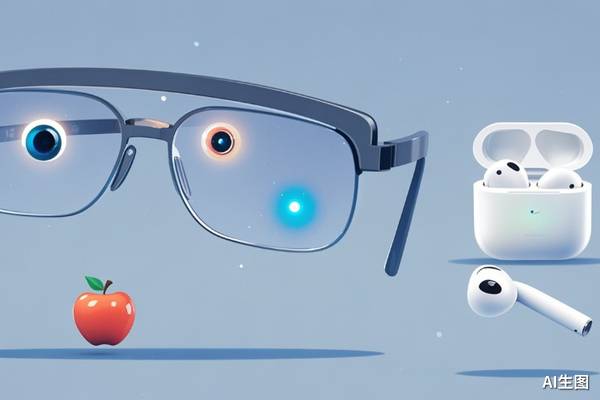
Apple is orchestrating a profound technological transformation that goes far beyond traditional product launches, strategically positioning itself at the intersection of augmented reality (AR) and artificial intelligence (AI) in wearable technology. The company's ambitious roadmap for 2026-2027 reveals a meticulously planned evolution of personal computing, where seamless digital integration becomes the new technological paradigm.
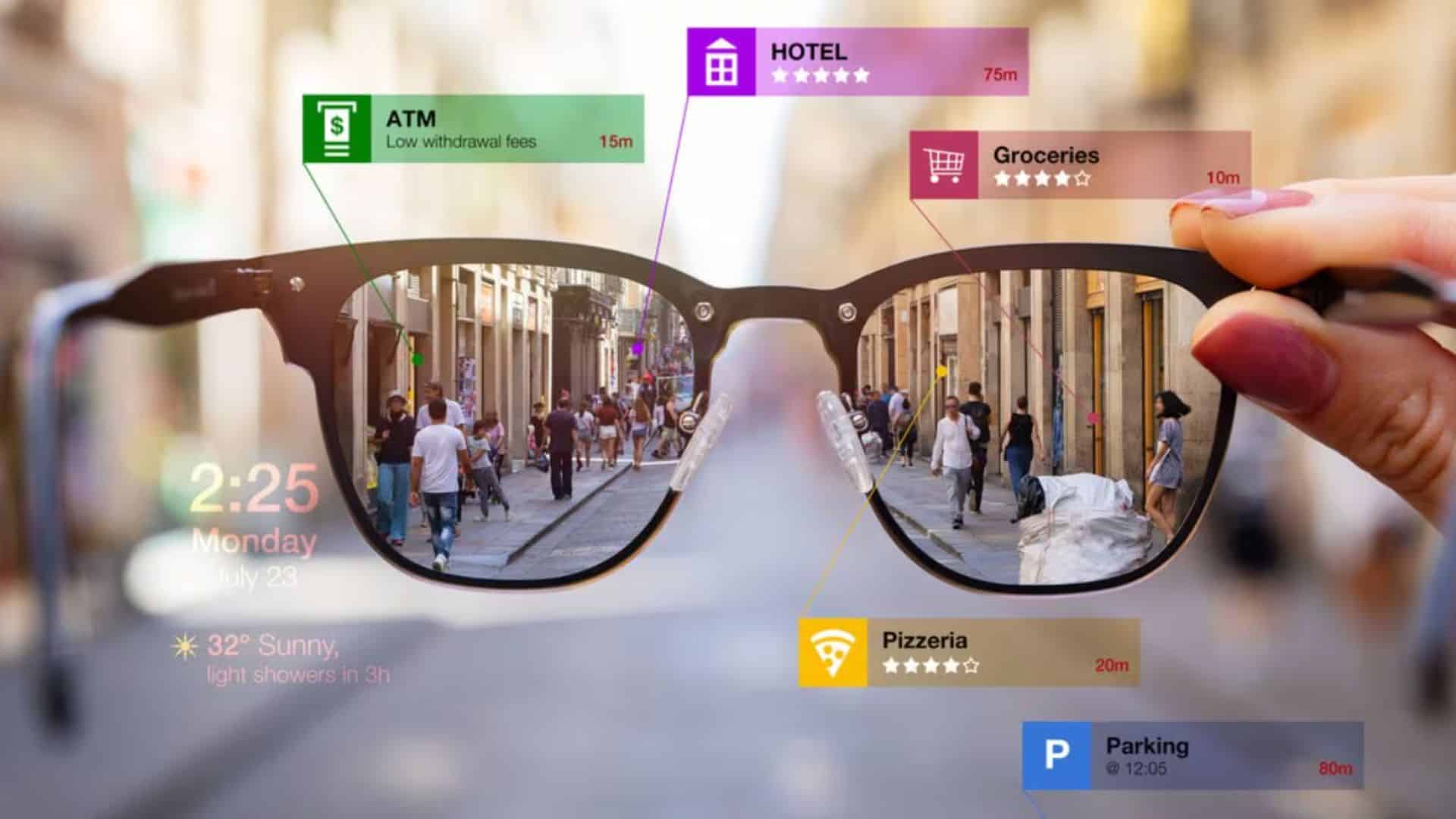
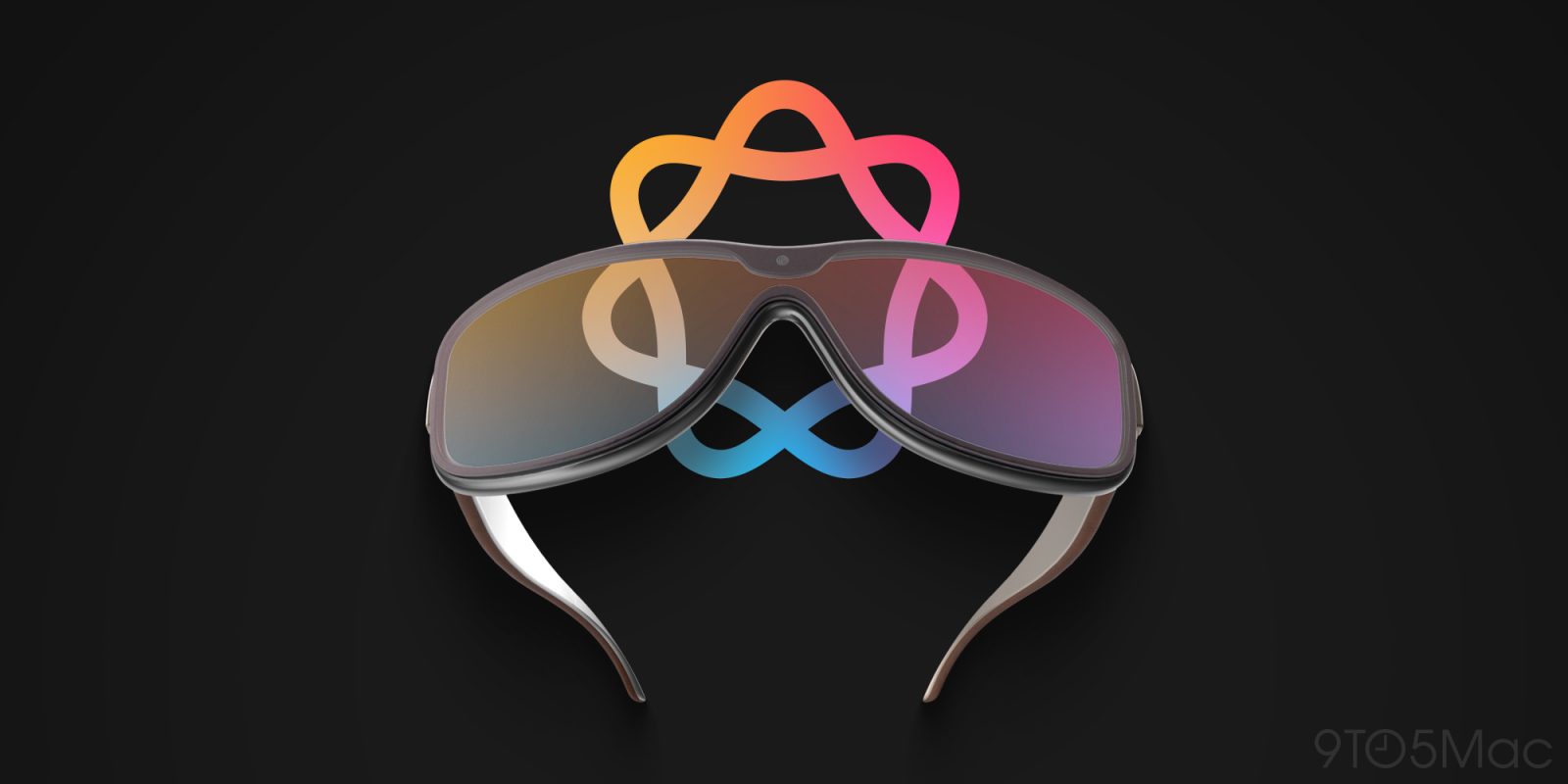
Tim Cook's strategic vision is crystallizing through a multi-layered approach to wearable technology. The planned AR glasses represent more than just a new product category—they symbolize a fundamental reimagining of human-computer interaction. By targeting a 2026 launch with an initial product that serves as an iPhone accessory, Apple is adopting a deliberate, incremental strategy that allows for ecosystem development and consumer adaptation.
The technological foundations are equally impressive. Micro-LED displays, custom AI chips, and advanced environmental mapping sensors demonstrate Apple's commitment to creating truly intelligent wearable devices. The first-generation glasses, while not offering full AR functionality, will leverage Siri integration and AI capabilities to provide a glimpse into the future of contextually aware computing.
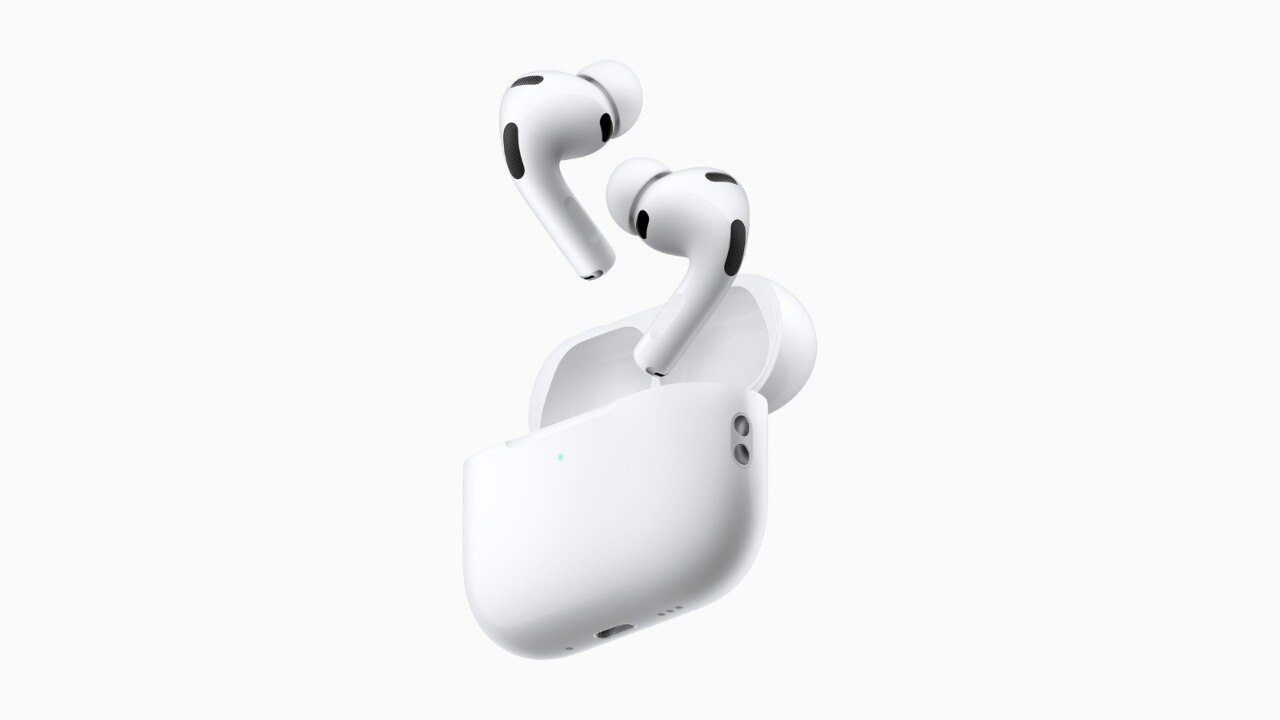
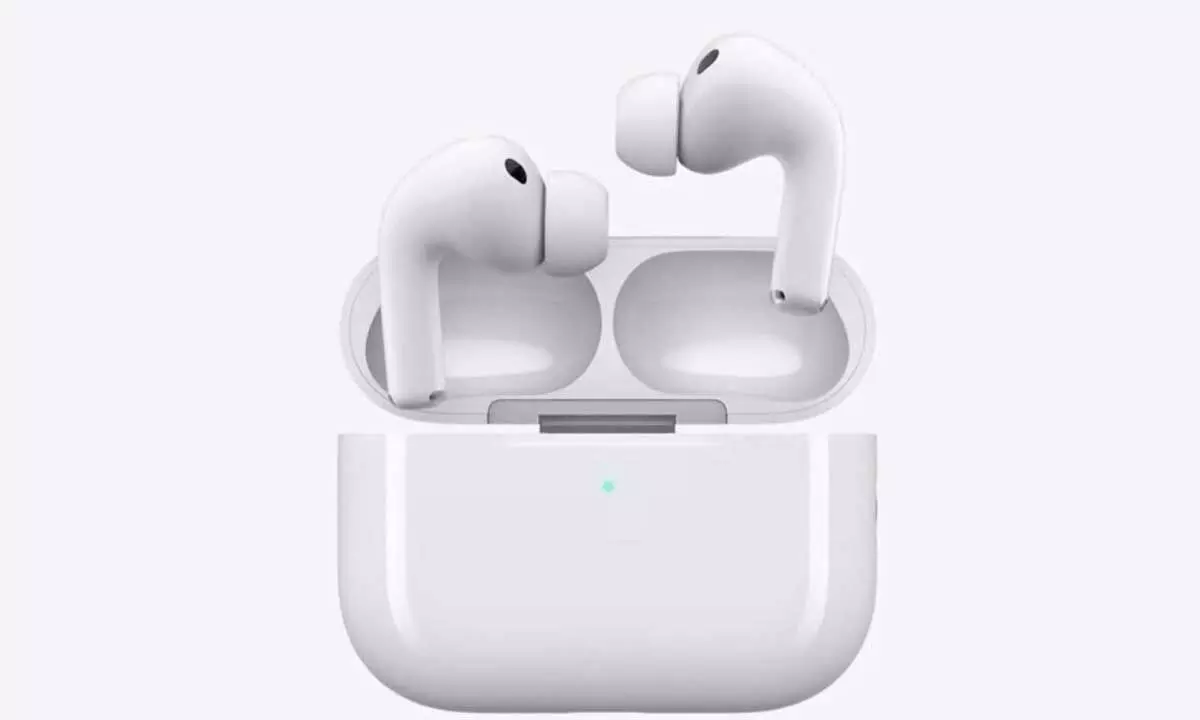
Simultaneously, the AI-enhanced AirPods Pro signal another dimension of this strategy. With features like Visual Look Up technology and advanced notification management, these devices transform from simple audio accessories into sophisticated personal assistants. The ConversationBreakthroughVQA feature hints at a future where wearable devices can intelligently manage user interactions and environmental information.
For e-commerce and technology sellers, this represents a seismic opportunity in accessory, software, and complementary technology markets. Early adopters who can develop AR-compatible and AI-integrated solutions will gain substantial competitive advantages. The emerging ecosystem suggests potential white spaces in user interface design, content creation, and digital overlay technologies.
Ultimately, Apple is not just launching products—it is architecting a new computing paradigm that moves beyond smartphone-centric interactions. By integrating AI and AR into wearable form factors, the company is positioning itself to redefine how humans perceive and interact with digital information in real-world environments.
Questions 3
What opportunities exist for e-commerce and technology sellers?
Significant opportunities emerge in AR-compatible accessories, AI-enhanced software, and complementary technologies. Sellers should focus on developing solutions that integrate with Apple's ecosystem, such as user interface designs, content creation tools, and digital overlay technologies for AR glasses and AI-powered wearables.
How will AI transform wearable technology according to these developments?
AI is shifting wearables from passive devices to active, contextually aware assistants. Features like Visual Look Up in AirPods and advanced notification management demonstrate how AI will enable devices to understand user context, provide proactive information, and intelligently manage interactions.