
Mediterranean Power Dynamics Reshape Regional Trade and Strategic Alliances
- Geopolitical Realignment Creates New Opportunities for Strategic Partnerships in Middle Eastern Markets














Overview
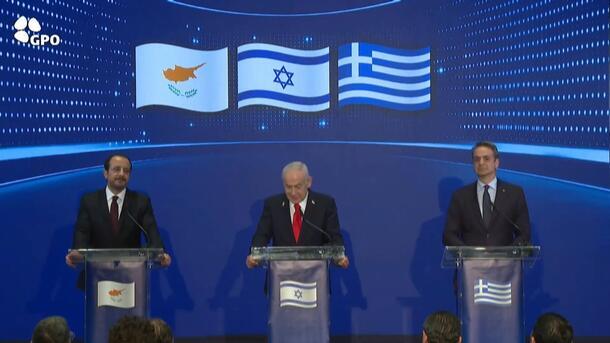
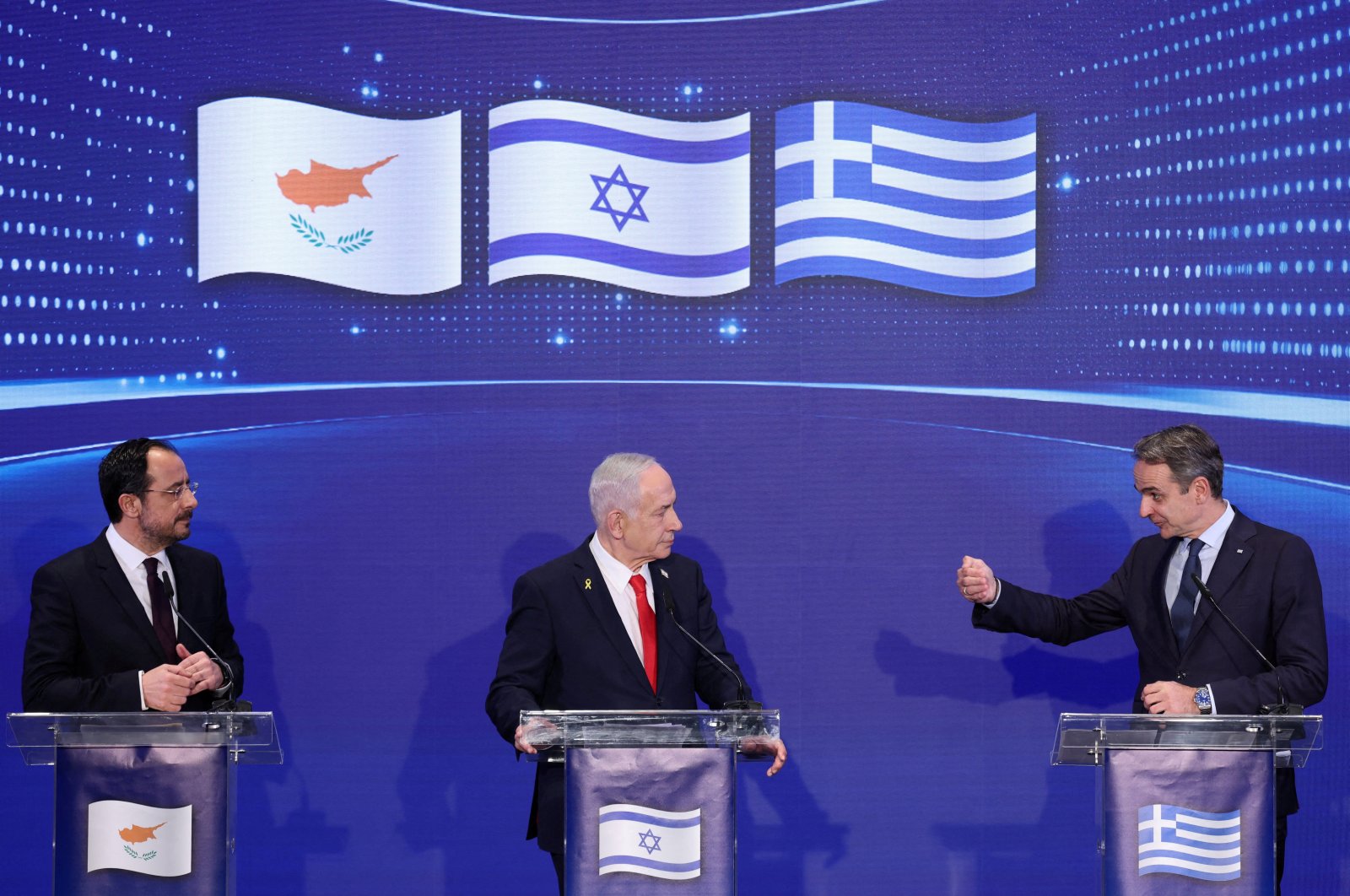
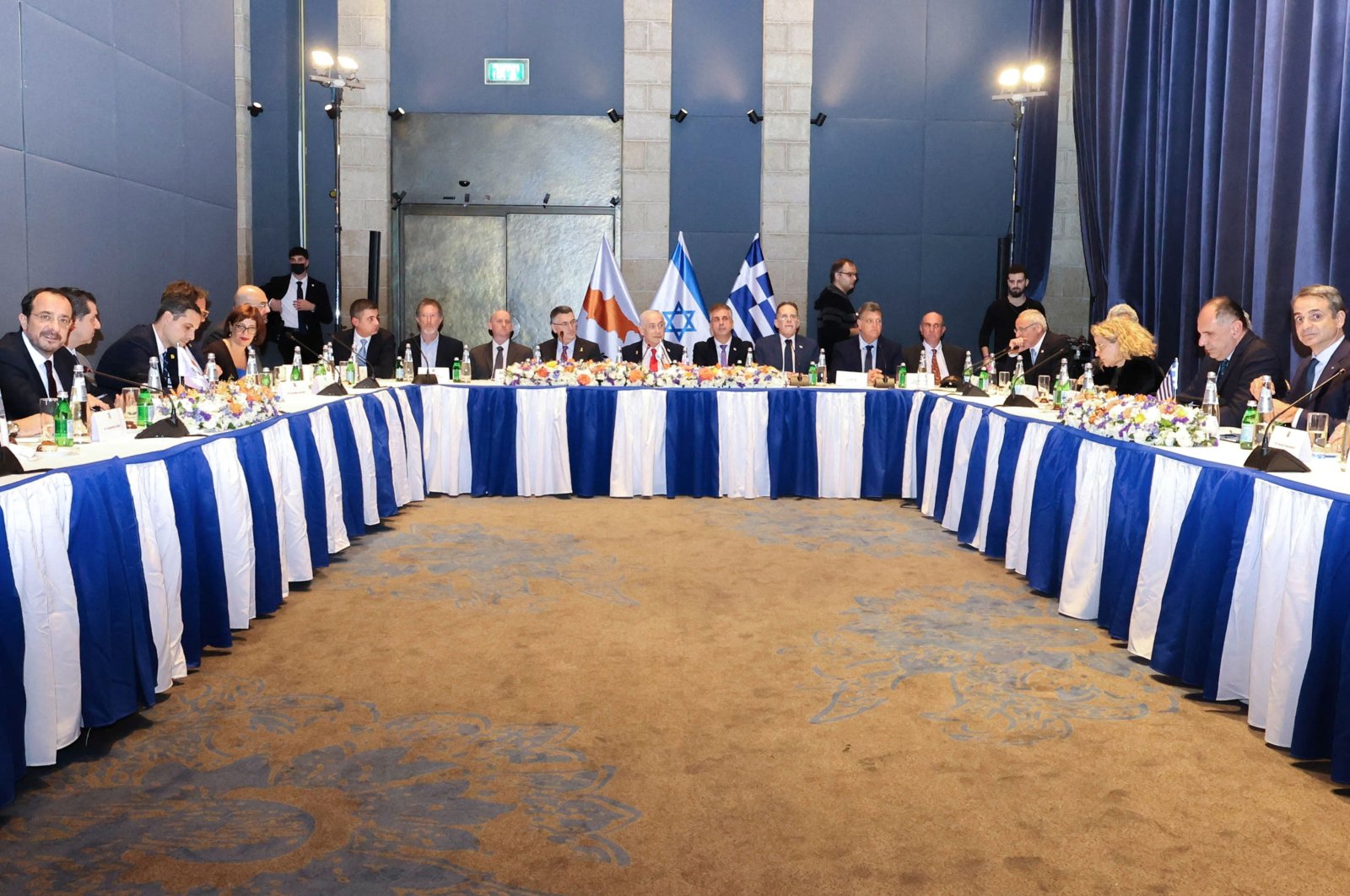
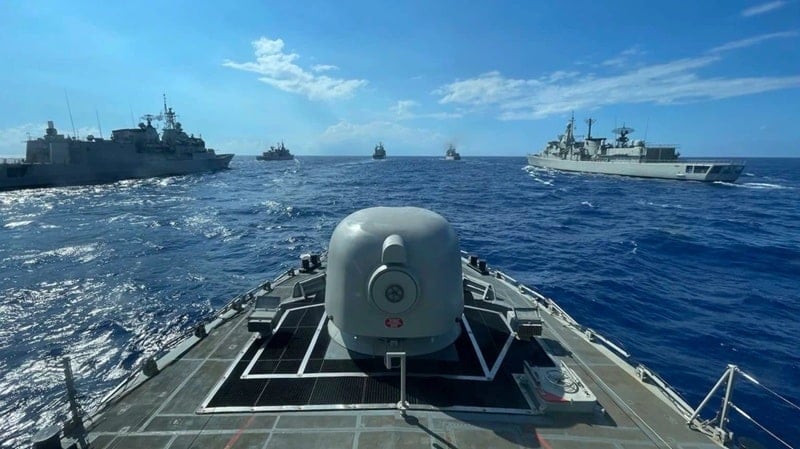
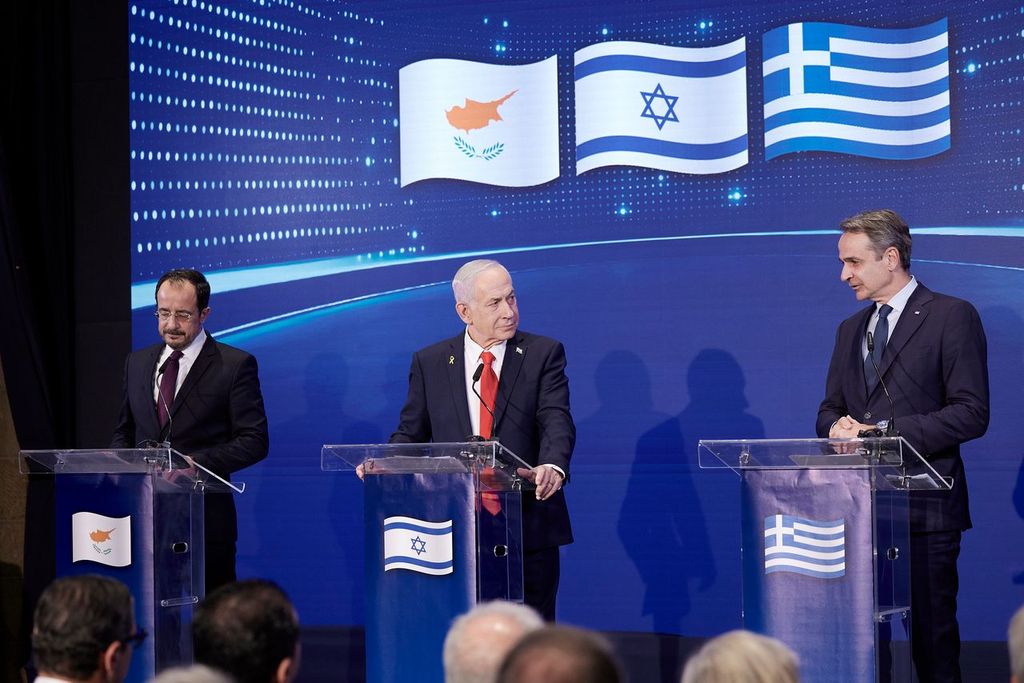
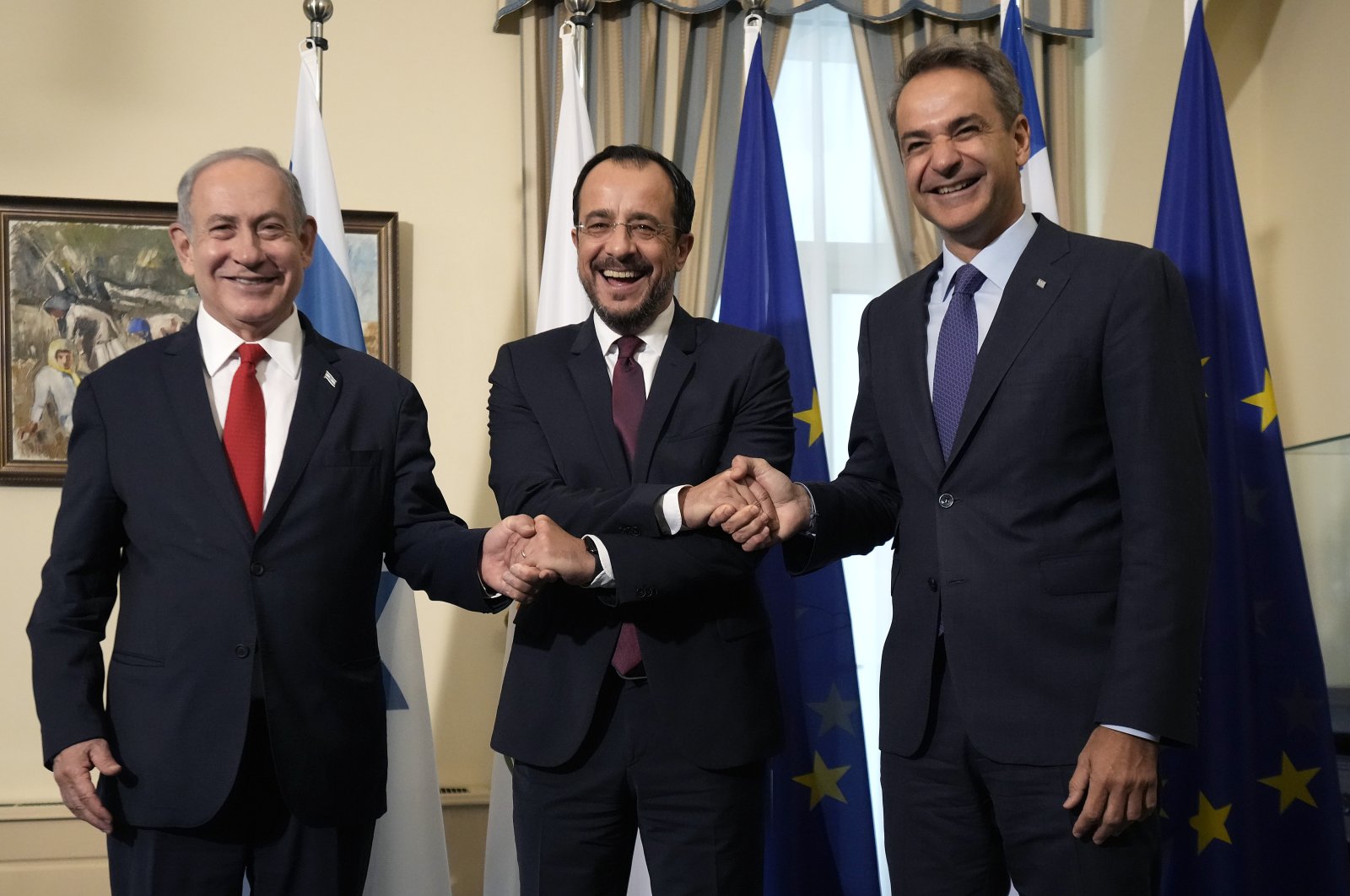
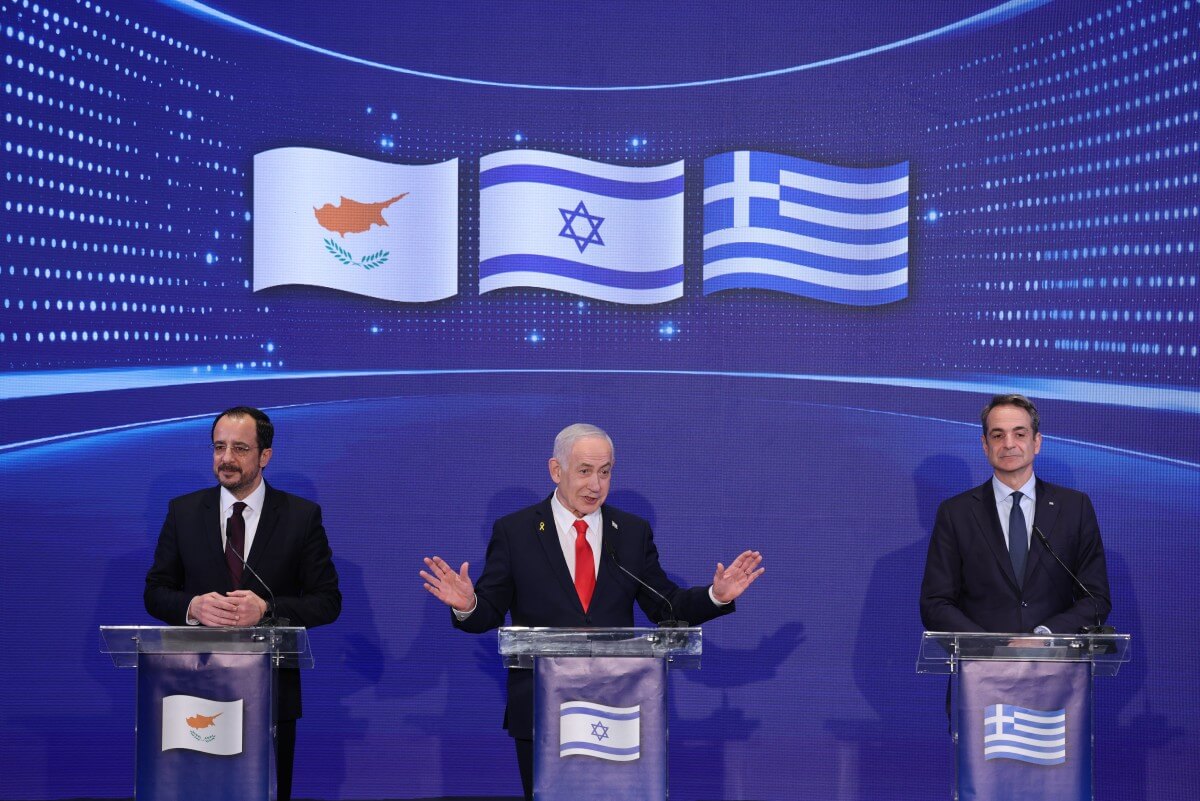
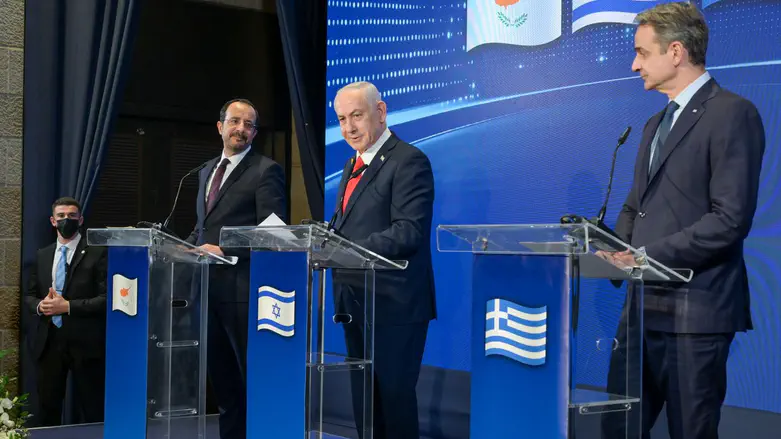
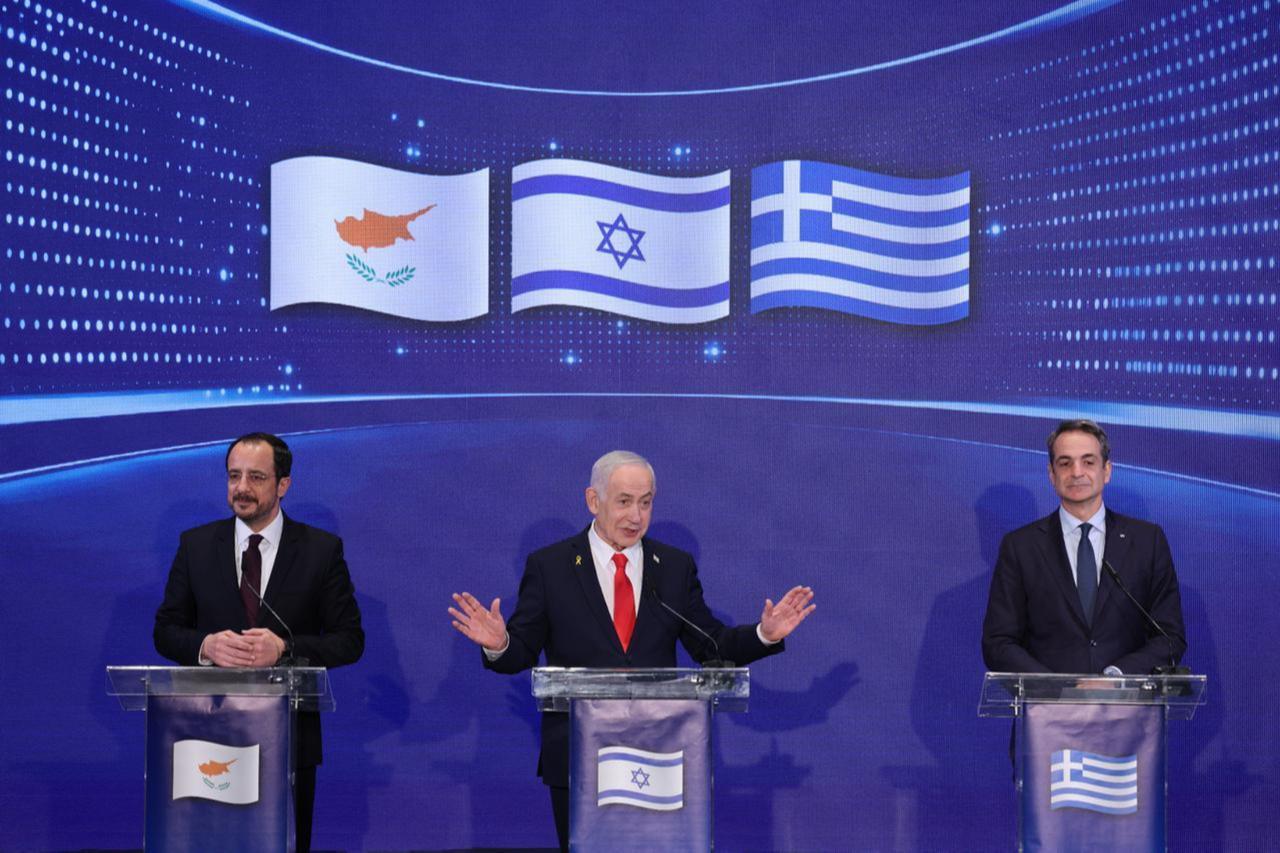
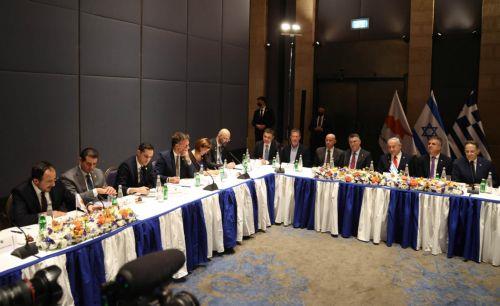
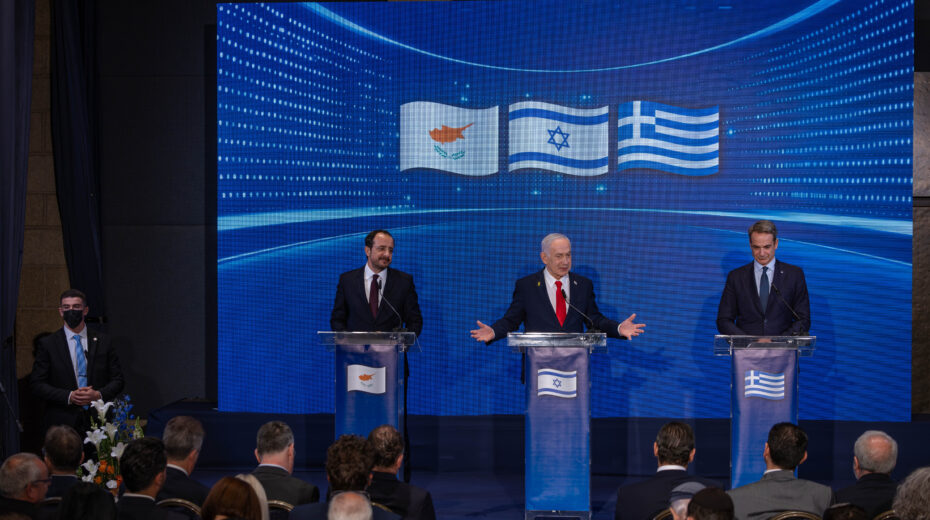
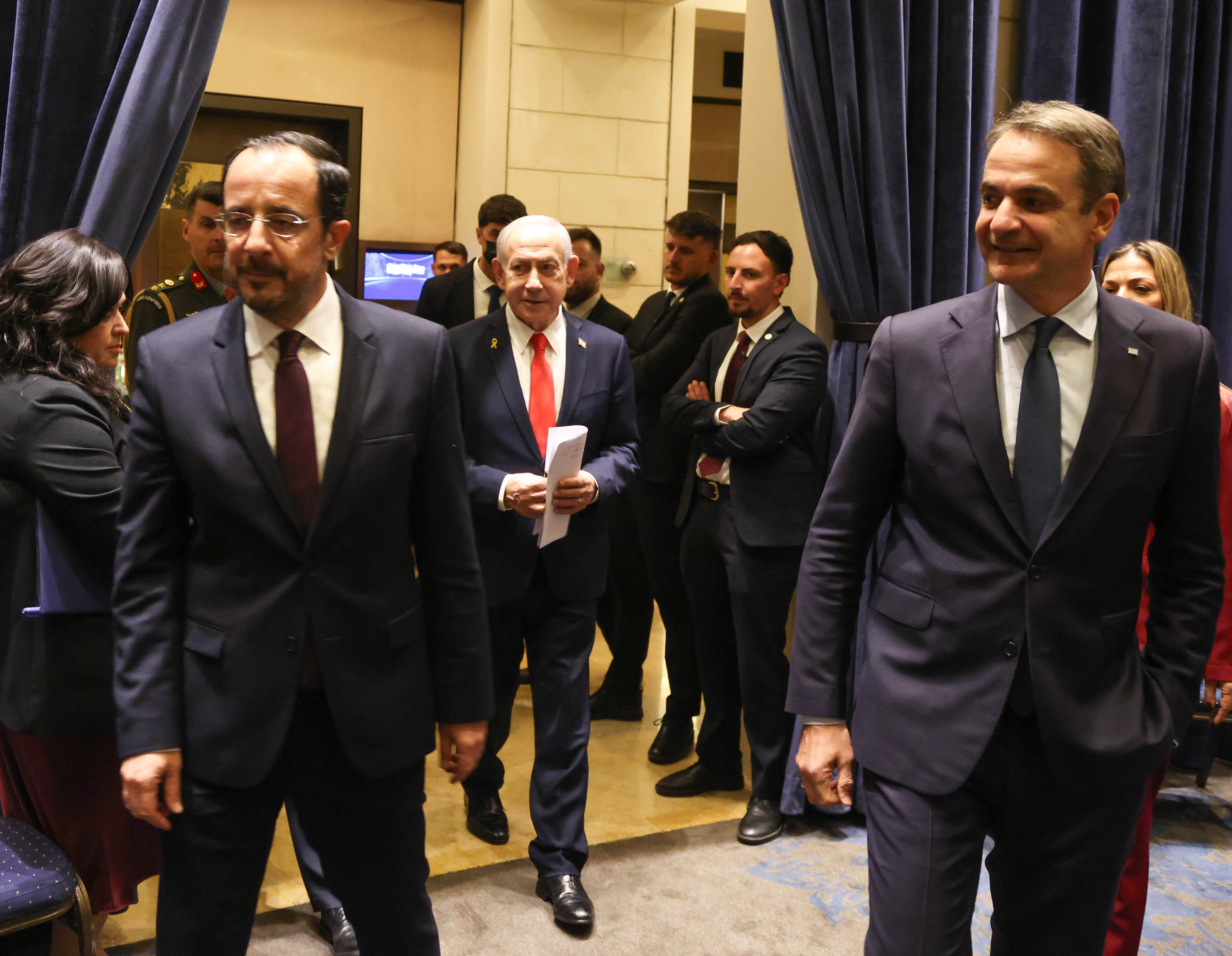
The recent trilateral summit in Jerusalem reveals a critical inflection point in Mediterranean geopolitical strategy, where regional powers are strategically repositioning to manage emerging security challenges. Netanyahu's diplomatic maneuver with Greek and Cypriot leaders represents more than a simple bilateral meeting—it's a calculated response to complex regional tensions, particularly the ongoing Iranian missile development concerns.
The summit's strategic significance lies in its multilateral approach to regional stability. By explicitly warning Iran about missile development while simultaneously emphasizing cooperation through the Abraham Accords, Israel is demonstrating a nuanced diplomatic strategy. The geopolitical landscape is shifting from confrontation to strategic partnership, with maritime security and economic cooperation becoming key instruments of regional influence.
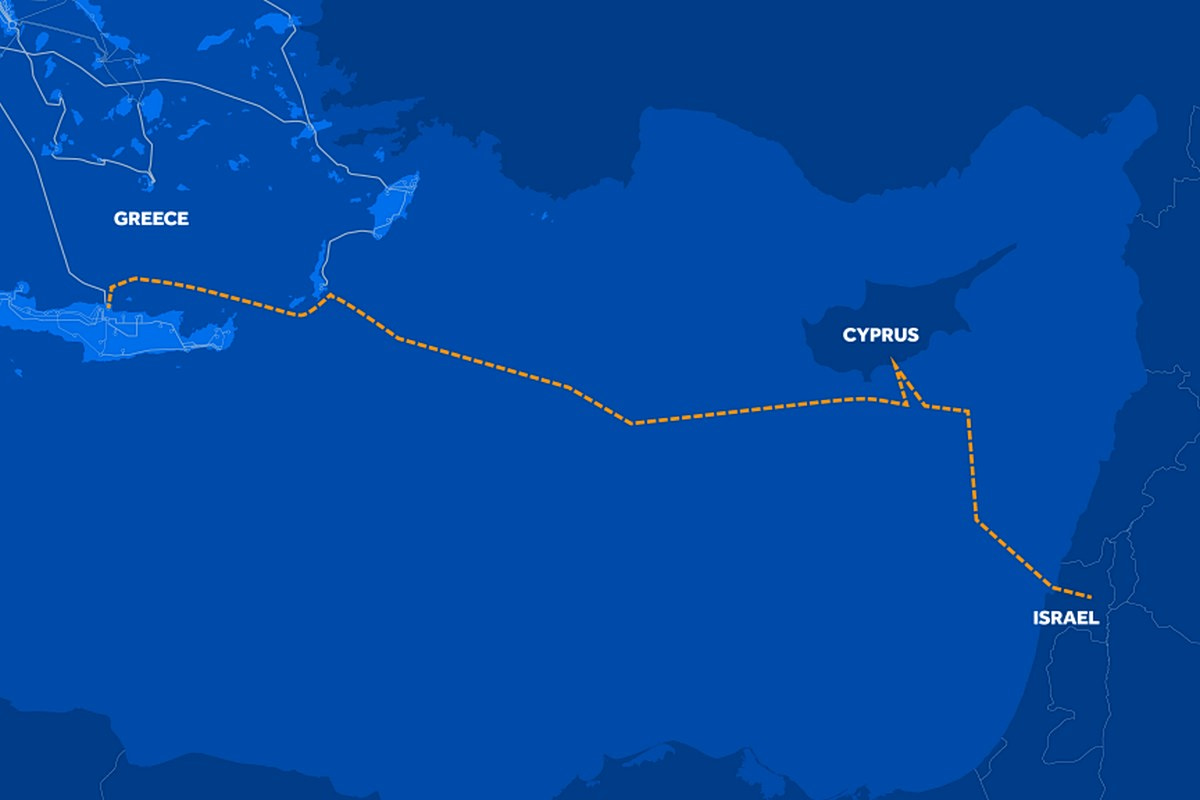
For international trade and cross-border sellers, these developments signal potentially transformative market dynamics. The emphasis on maritime security corridors and regional economic cooperation suggests emerging opportunities in logistics, trade routes, and strategic market access. Sellers should closely monitor these diplomatic developments, as they could dramatically reshape trade regulations and market entry strategies in the Middle Eastern economic ecosystem.
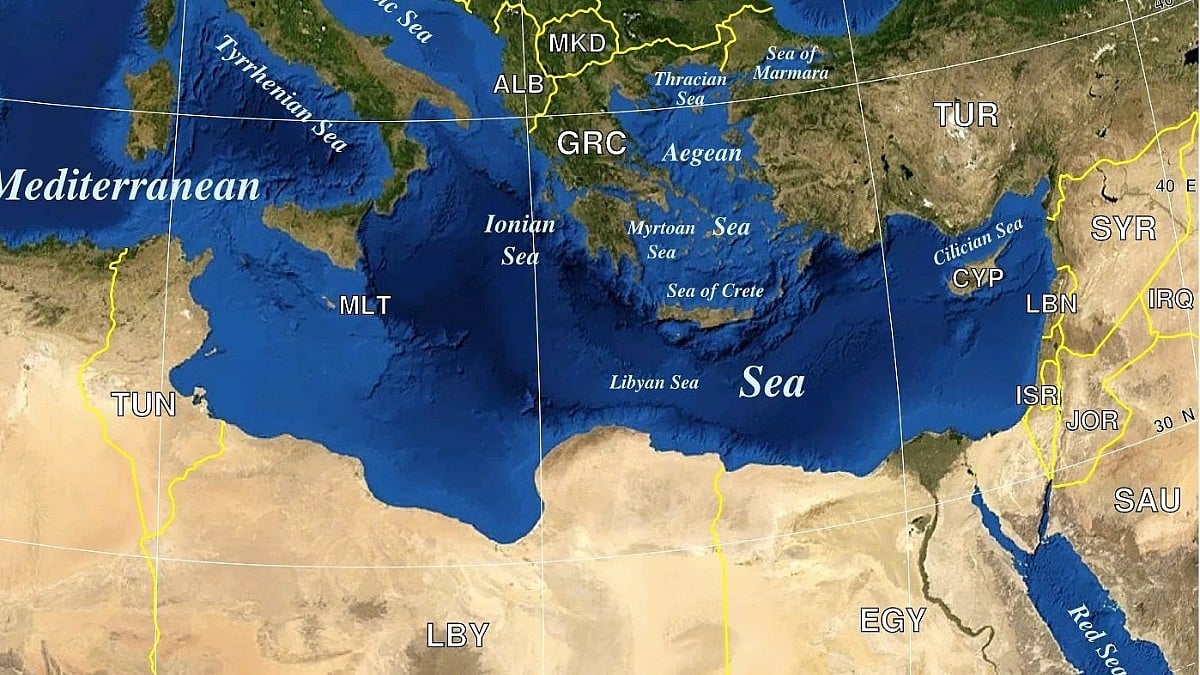
The alliance between Greece, Israel, and Cyprus represents a calculated counterbalance to regional power shifts, particularly in response to Türkiye's growing influence. This realignment is not merely a political maneuver but a strategic recalibration of economic and security interests. The commitment to expanding cooperative frameworks indicates a long-term vision of regional stability achieved through economic interdependence.
Critically, this geopolitical reconfiguration offers a cautiously optimistic perspective on regional development. By prioritizing dialogue and strategic partnerships over direct confrontation, these nations are creating a more predictable environment for international business and cross-border trade. Sellers and investors should view this as a potential inflection point for market expansion and strategic positioning in a historically complex region.
Questions 3
How do the recent diplomatic developments impact cross-border trade opportunities in the Mediterranean region?
The trilateral summit signals increased economic cooperation and potentially more streamlined trade regulations. Sellers should anticipate reduced barriers, especially in maritime logistics and technology sectors, with the Abraham Accords creating new market access pathways.
Which market sectors are likely to benefit most from these regional cooperation initiatives?
Maritime logistics, technology transfer, defense technologies, and infrastructure development are prime sectors poised for growth. The emphasis on security cooperation and economic integration creates opportunities in high-value, strategic industry segments.