





Holocaust Education & Remembrance Products | Emerging Seller Opportunity in Commemorative Merchandise 2025
- 196,600 global survivors declining annually; EU antisemitism at 80-year high; educational content demand surging across Europe and North America







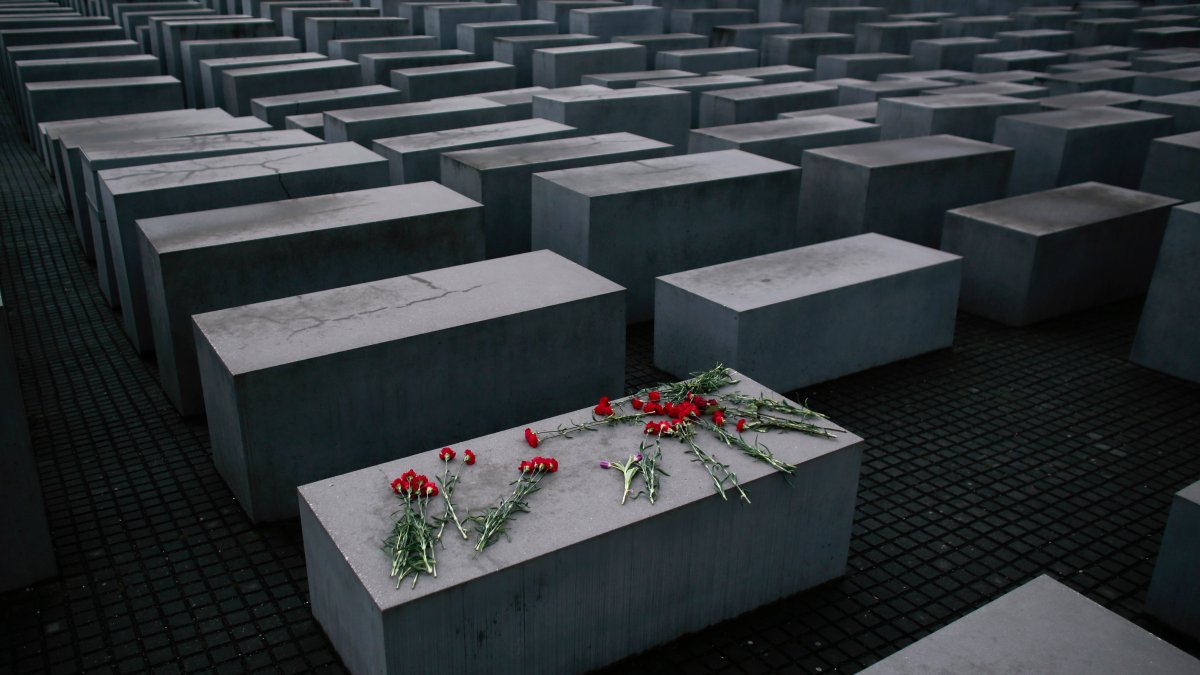


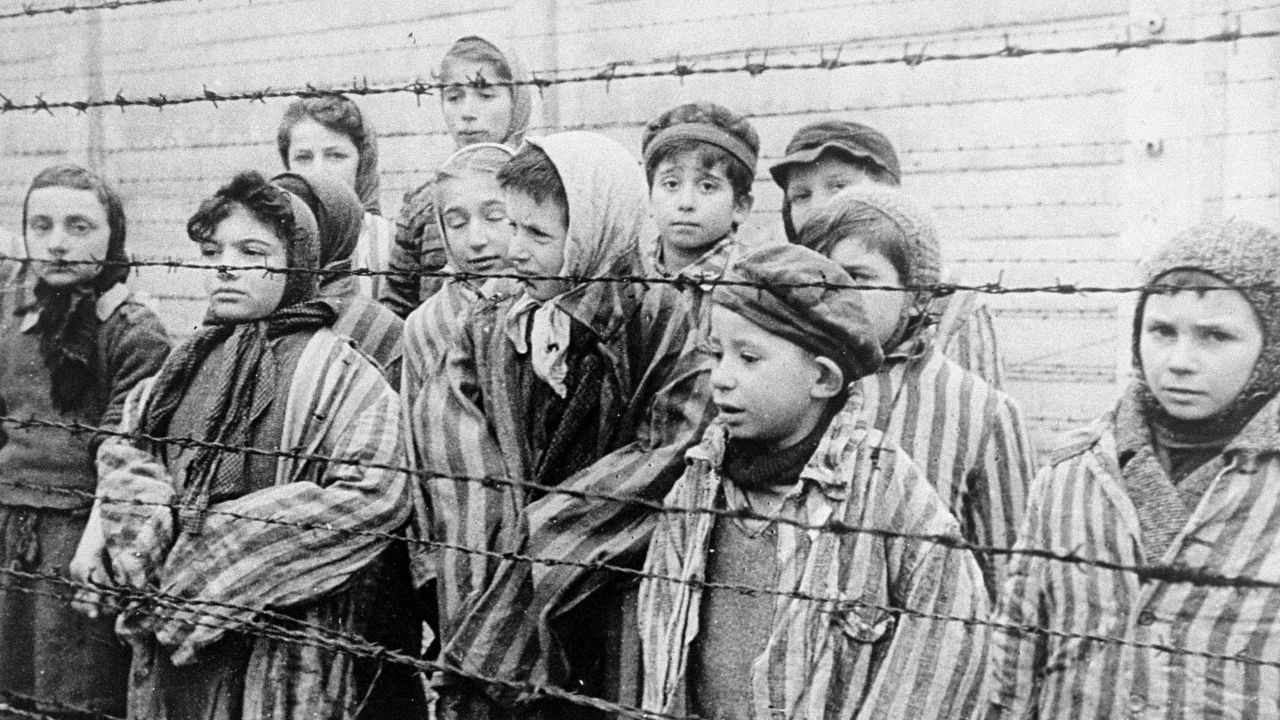




































Overview
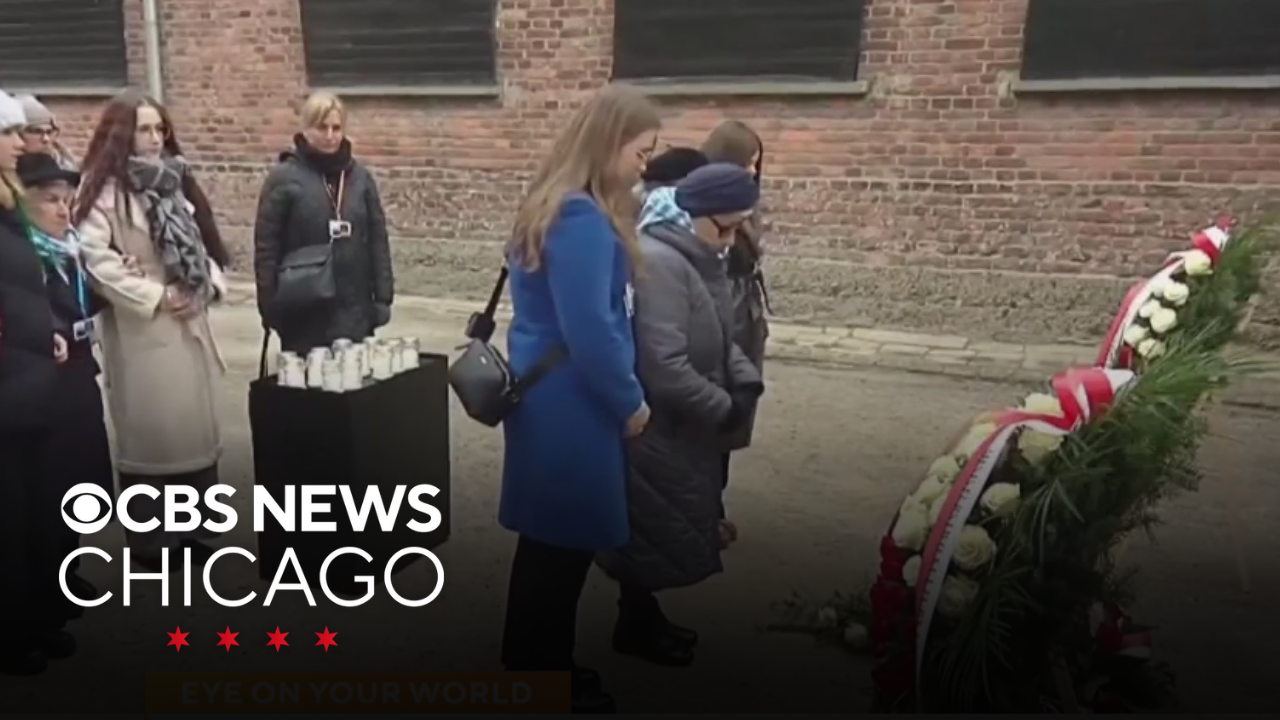
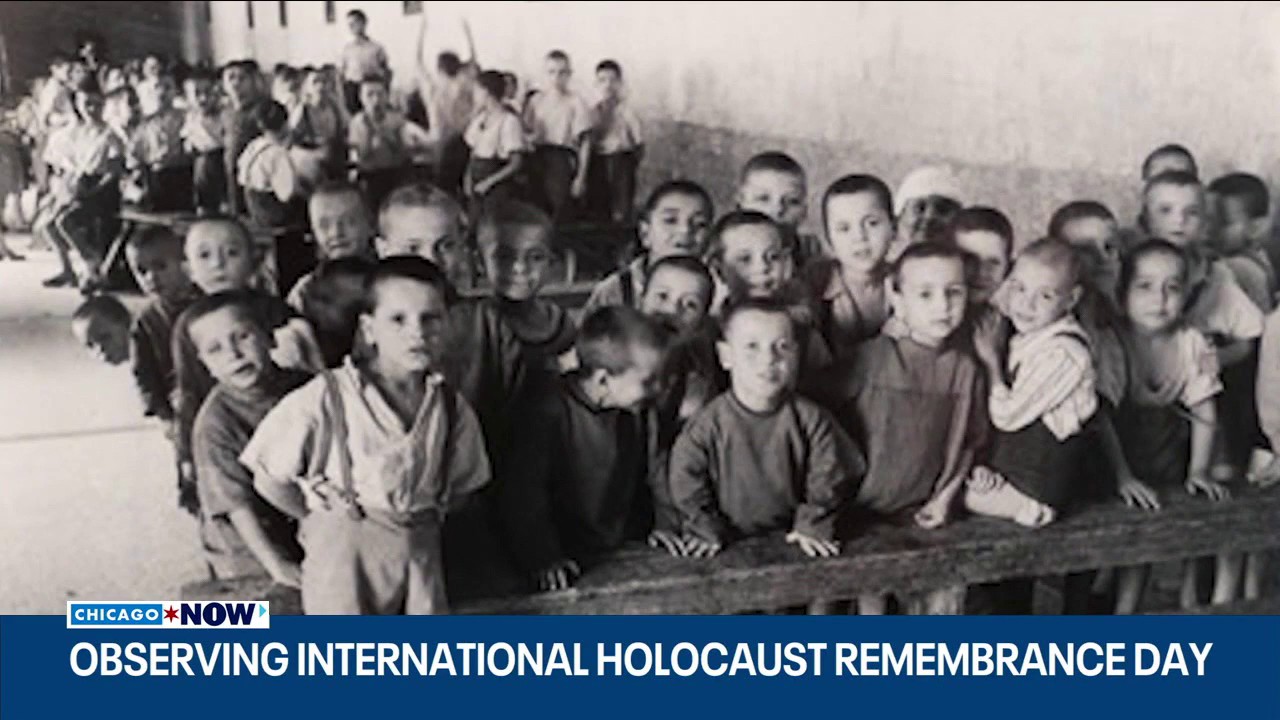
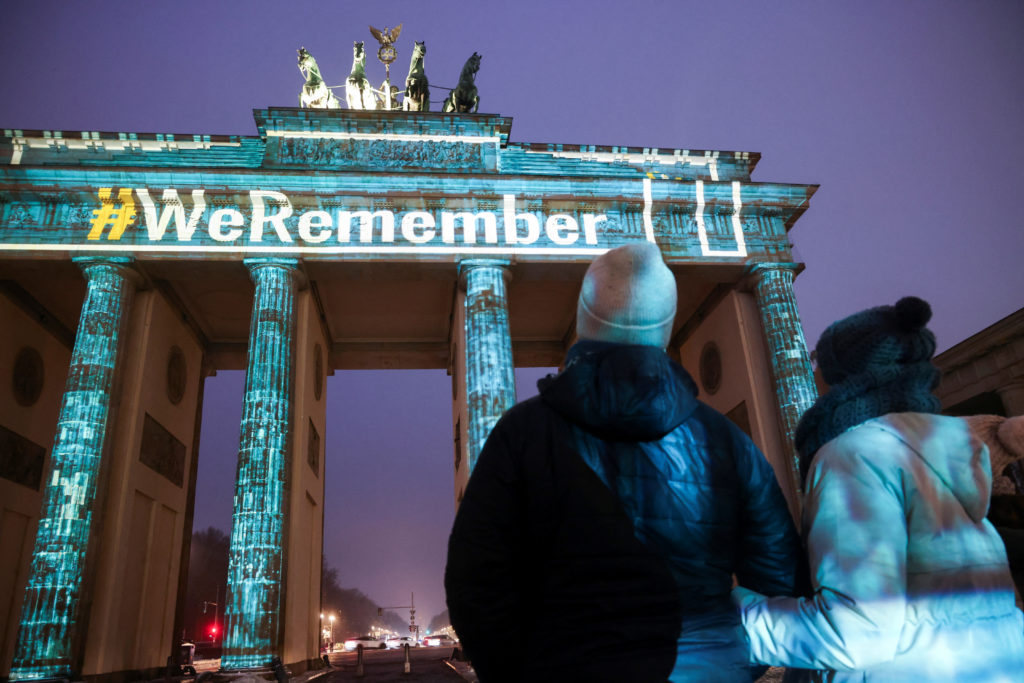
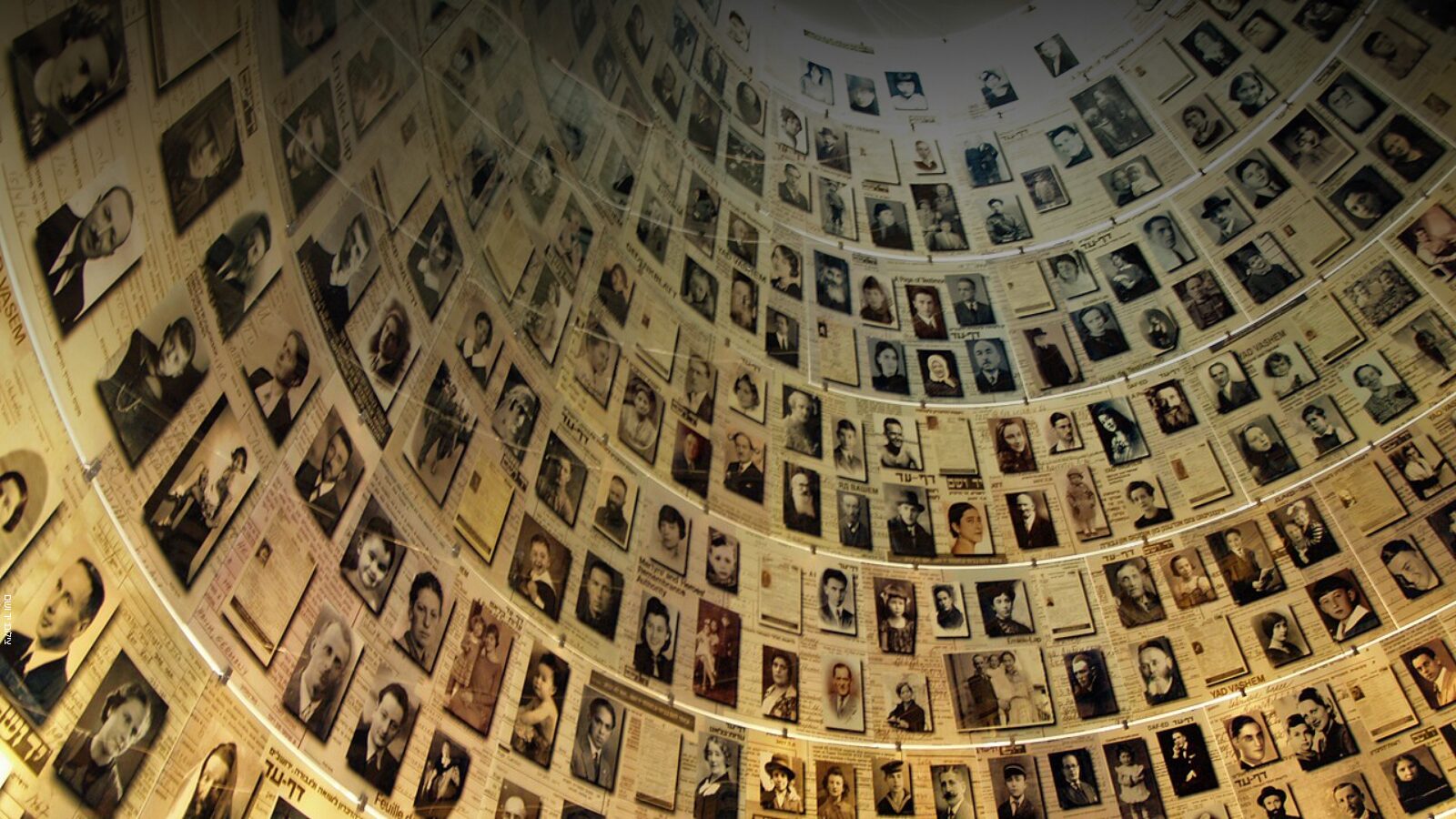
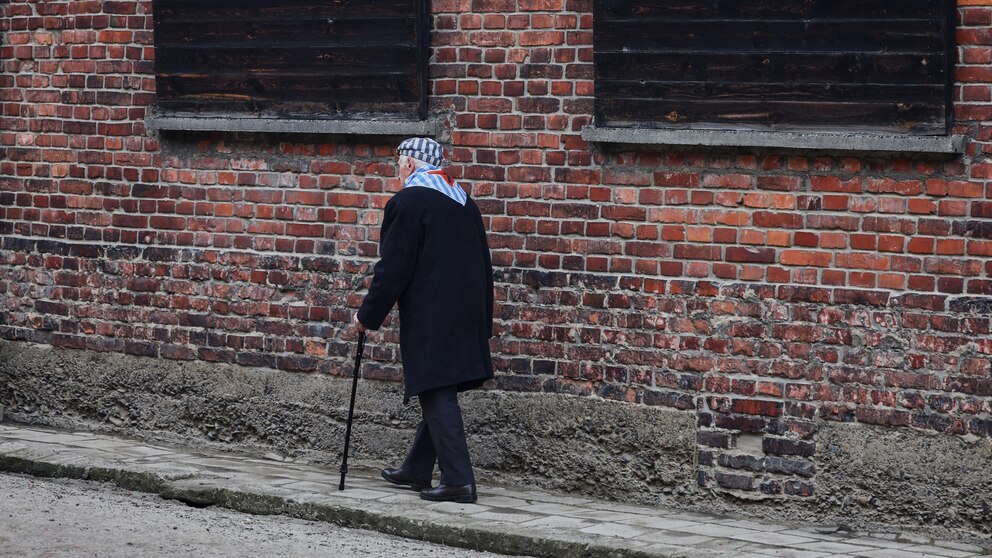
The January 27, 2025 International Holocaust Remembrance Day commemorations reveal a critical market opportunity for cross-border e-commerce sellers: surging demand for educational, commemorative, and memorial products across Europe and North America. With approximately 196,600 Jewish survivors remaining globally (down from 220,000 annually) and EU diplomat Kaja Kallas warning that antisemitism is at its highest level since the Holocaust, institutional and consumer demand for remembrance materials, educational resources, and memorial merchandise is accelerating. Ireland's announcement of increased Holocaust education funding following a survey showing 15% of young people had never heard of the Holocaust and 10% of those aged 18-29 believe it's a myth signals expanding educational budgets and institutional purchasing power across European markets.
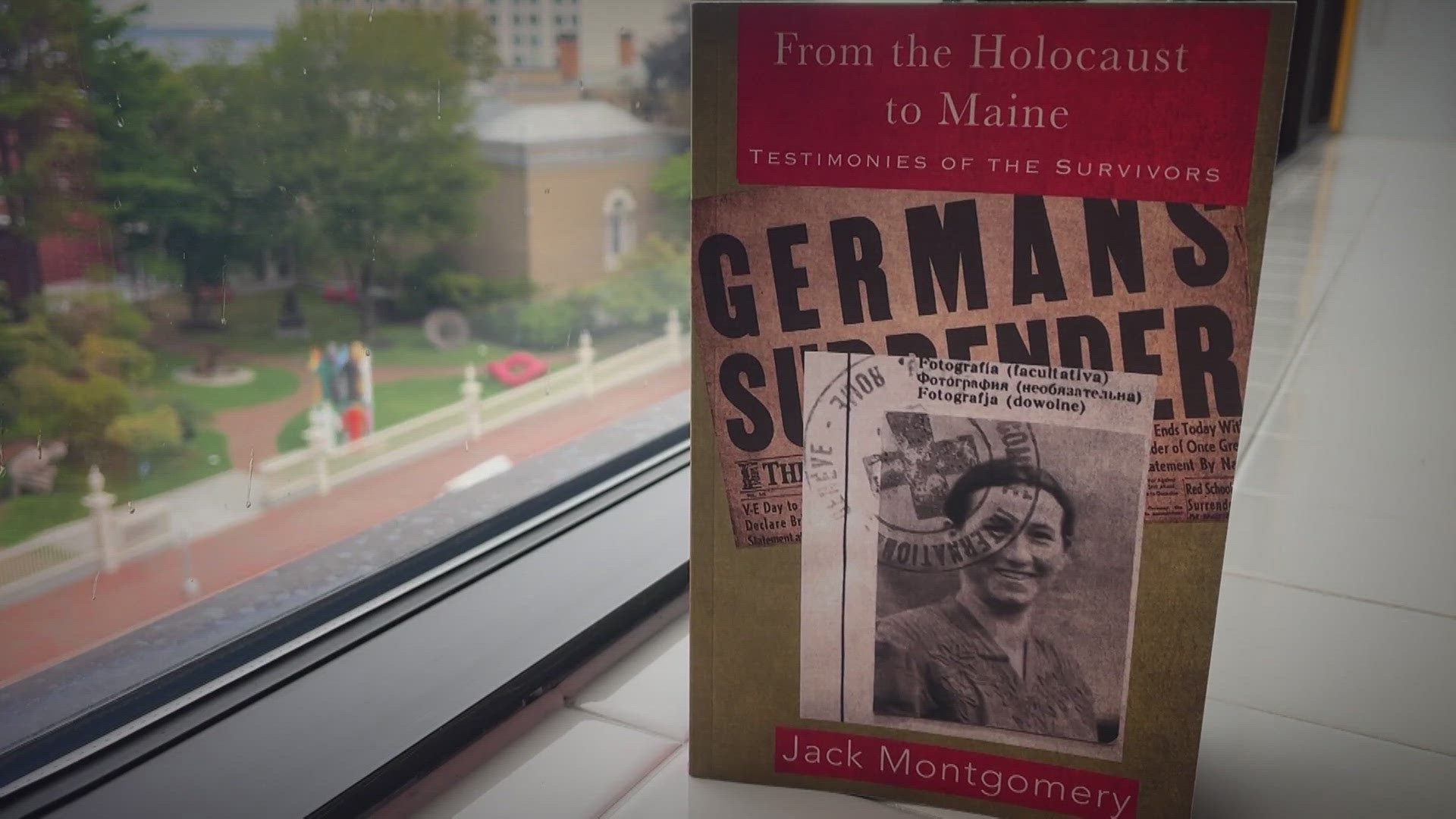
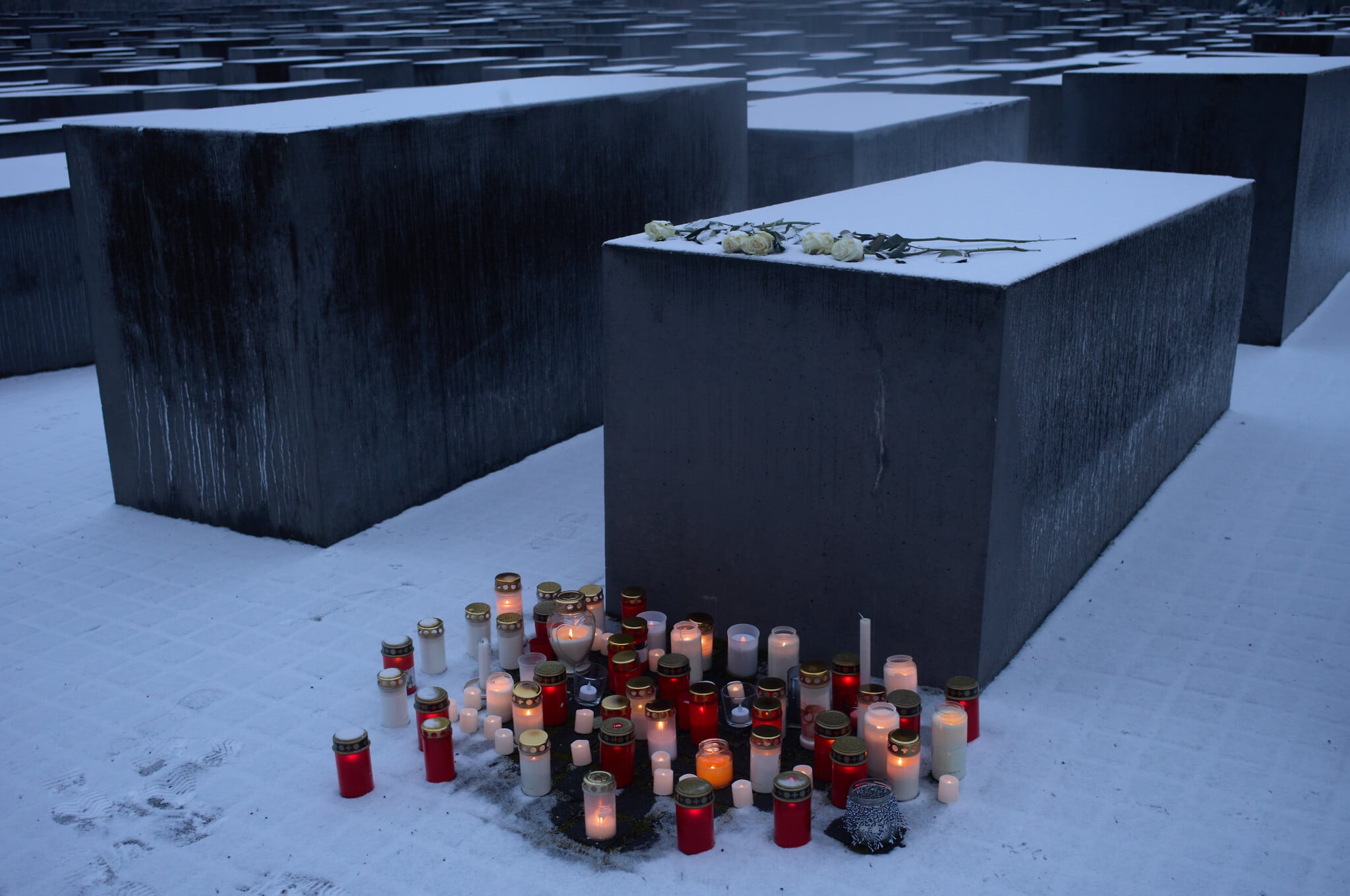
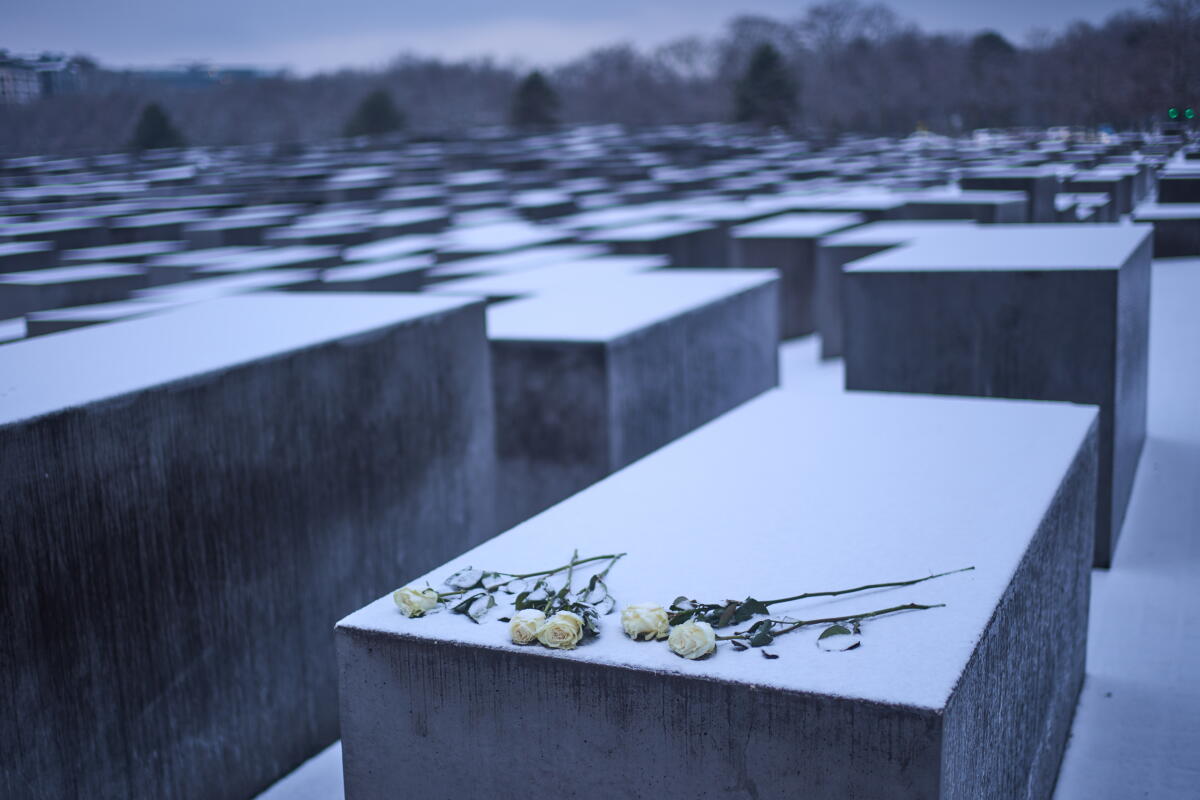
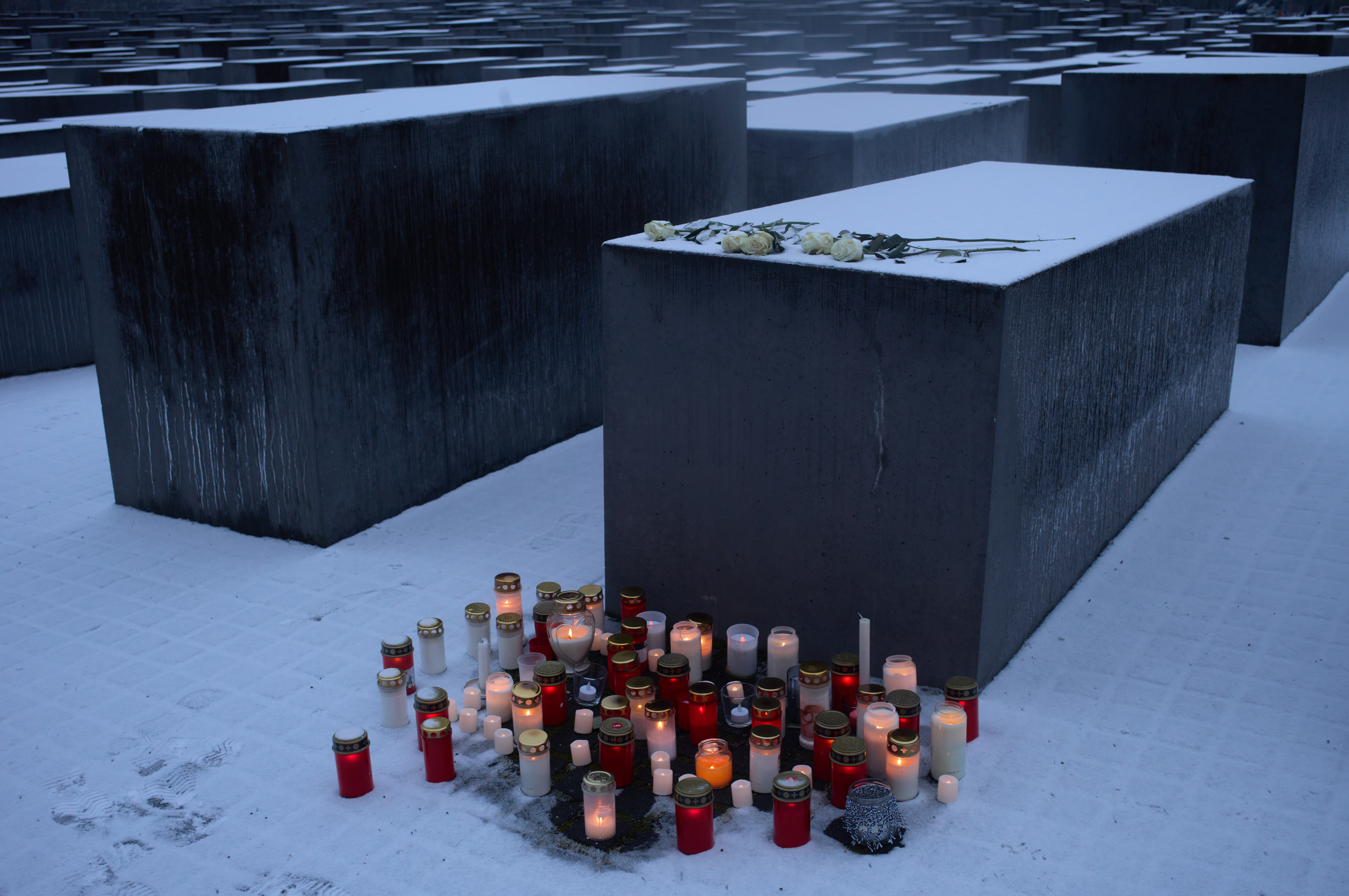
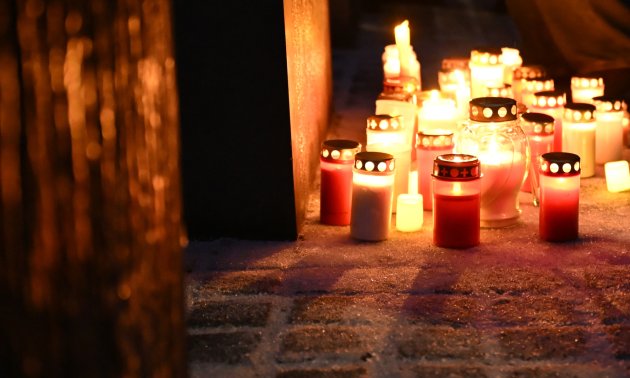
Product Category Opportunities: Sellers can capitalize on multiple merchandise categories experiencing heightened demand. Educational materials including documentary films, survivor testimony compilations, and historical books are seeing increased institutional purchases from schools and libraries. Commemorative merchandise—memorial candles, Stolpersteine (stumbling stones) replicas, and Holocaust remembrance jewelry—demonstrates consistent demand during January-February peak season. The Anne Frank Educational Centre's warnings about AI-generated propaganda distorting Holocaust history create demand for authenticated, verified educational content and anti-misinformation resources. Sellers offering curated educational bundles, survivor memoir collections, and classroom-ready teaching materials can target the expanding European education sector.
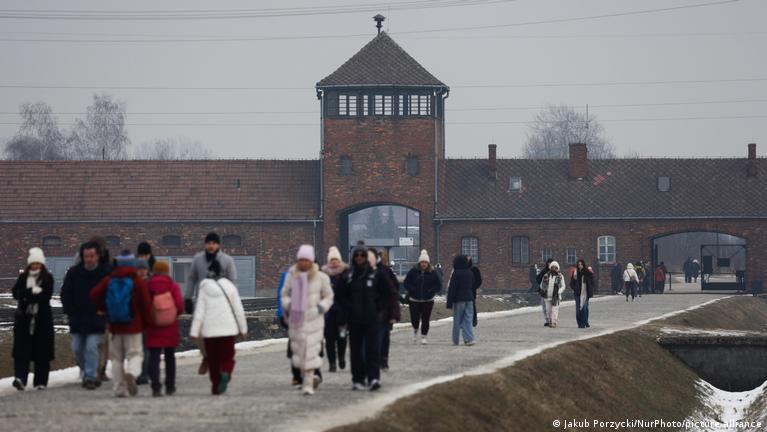
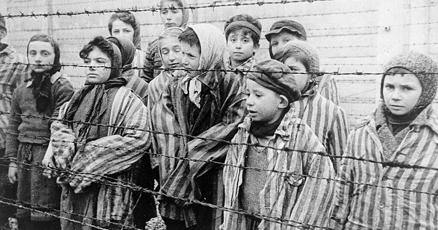
Market Dynamics and Regional Expansion: The 81st anniversary of Auschwitz liberation (January 27, 1945) and coordinated European commemorations across Czech Republic, Netherlands, Germany, and Ireland indicate synchronized purchasing patterns. Tova Friedman's TikTok activism and survivor testimonies reaching younger demographics suggest growing Gen-Z interest in Holocaust history, expanding the consumer base beyond traditional institutional buyers. The NoToHate initiative and UN Action Plan to Enhance Monitoring and Response to Antisemitism represent institutional commitments that translate to sustained educational procurement budgets. Germany's political tensions—with the far-right Alternative für Deutschland (AfD) party attempting to minimize Nazi atrocities—create demand for counter-narrative educational materials and historical accuracy resources. Sellers positioned in German, Czech, Dutch, and Irish markets can target both institutional buyers (schools, museums, libraries) and individual consumers seeking quality remembrance products.
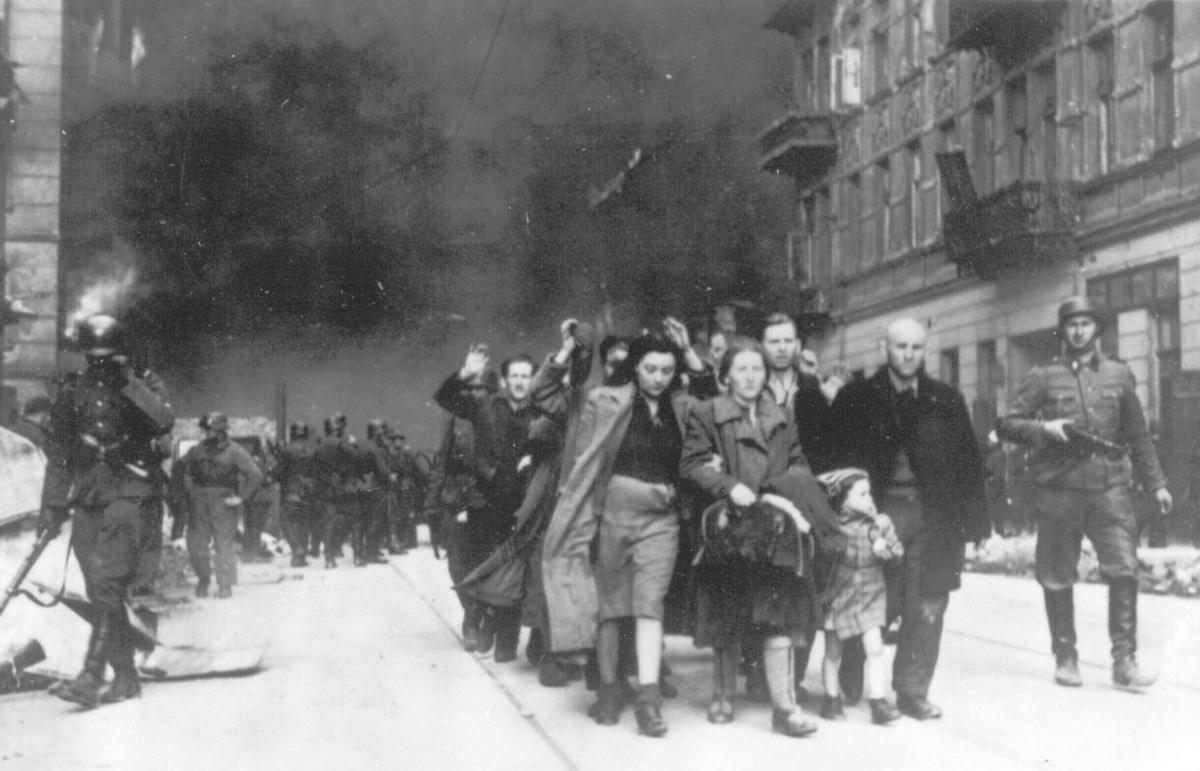
Operational Considerations: Cross-border sellers should prioritize EU-based fulfillment for European markets given the concentrated demand across multiple countries. Product authenticity and historical accuracy are critical—materials must align with standards set by organizations like the Anne Frank Educational Centre and Conference on Jewish Material Claims Against Germany. Sellers should monitor platform policies regarding sensitive historical content and ensure compliance with EU hate speech regulations and GDPR requirements for educational materials. The declining survivor population creates urgency for testimonial-based products, suggesting limited-edition or archival-quality merchandise commands premium pricing. Seasonal peaks occur around January 27 (Auschwitz liberation), April 19 (Warsaw Ghetto Uprising), and May 8 (VE Day), allowing for strategic inventory planning and promotional campaigns.
Questions 7
How does the declining survivor population affect e-commerce product strategy?
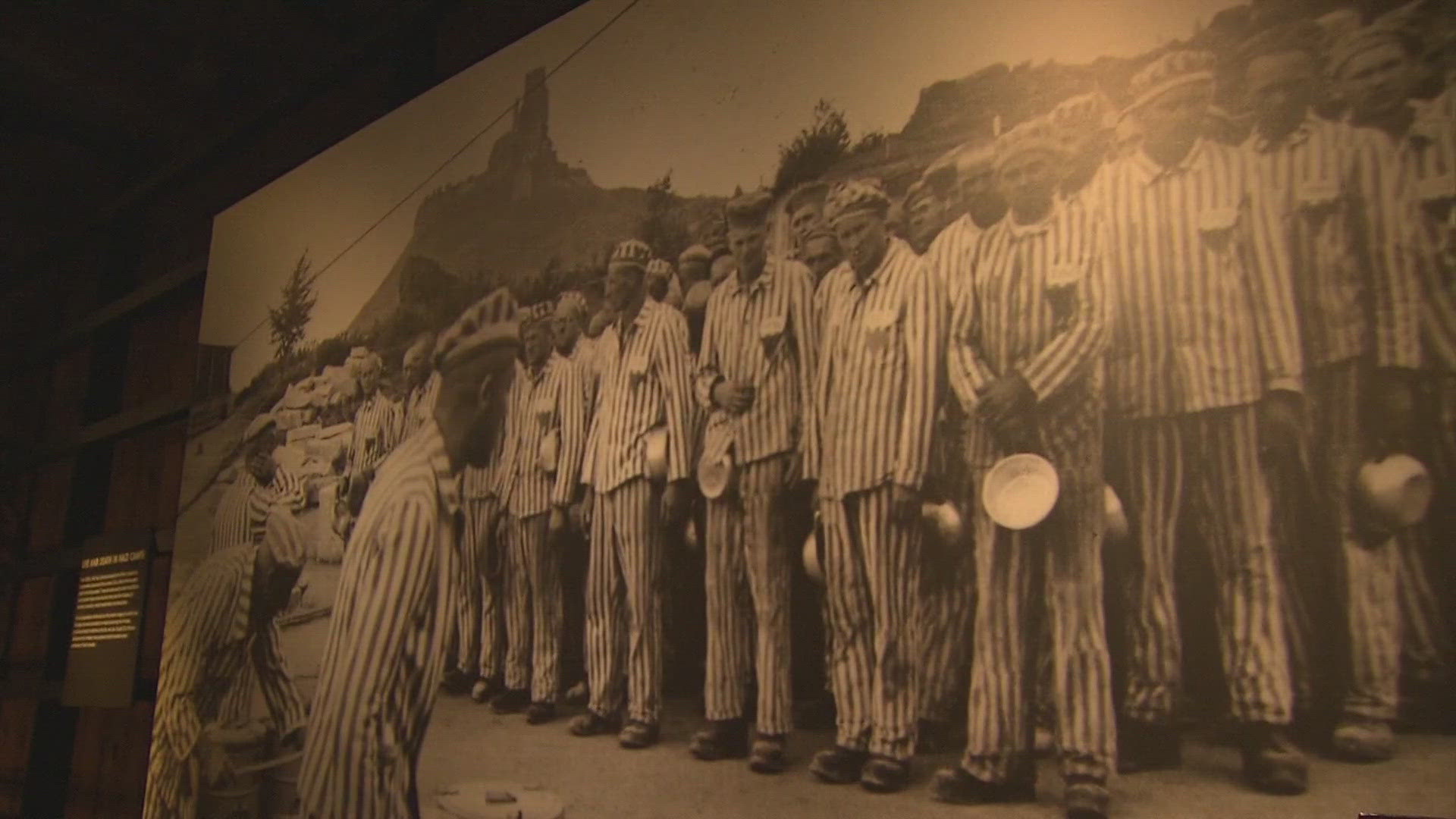
With approximately 196,600 Jewish survivors remaining globally (declining from 220,000 annually), testimonial-based products and survivor-authored materials command premium pricing and create urgency for limited-edition releases. The Anne Frank Educational Centre's warnings about AI-generated propaganda distorting Holocaust history create demand for authenticated, verified educational content. Sellers should prioritize survivor memoir collections, recorded testimonies, and archival-quality materials as these become increasingly scarce. Products featuring direct survivor accounts or interviews can justify 20-40% price premiums compared to secondary historical sources. This scarcity dynamic suggests sellers should establish exclusive partnerships with survivor organizations and educational institutions to secure authentic content before supply becomes critically limited.
What product categories are seeing increased demand during Holocaust Remembrance season?
Educational materials, survivor memoir collections, documentary films, and commemorative merchandise are experiencing peak demand during January-February around International Holocaust Remembrance Day (January 27). Schools and libraries across Europe are increasing Holocaust education budgets following Ireland's funding announcement and surveys showing 15% of young people lack Holocaust awareness. Sellers can target institutional buyers with curated educational bundles, classroom-ready teaching materials, and authenticated survivor testimony products. Memorial candles, Stolpersteine replicas, and historical jewelry also show consistent consumer demand during this period, with premium pricing justified by historical accuracy and authenticity certifications.