


Amazon Grocery Pivot & Tariff Shifts | Seller Supply Chain Impact 2025
- Amazon closes Fresh/Go stores, expands Whole Foods delivery to 5,000+ US cities; South Korea tariffs jump 15-25% affecting electronics, pharma sellers


























Overview
Amazon's strategic grocery restructuring and emerging tariff volatility create dual challenges for cross-border e-commerce sellers in Q1 2025. On January 27, 2026, Amazon announced the closure of all Amazon Fresh and Amazon Go stores, redirecting $2B+ in capital toward Whole Foods expansion and same-day delivery infrastructure. The company plans to open 100+ new Whole Foods locations while expanding perishable goods delivery to 5,000+ US cities by end of 2025, with further expansion in 2026. This pivot signals Amazon's confidence in logistics-driven fulfillment over physical retail—a critical insight for sellers evaluating their own omnichannel strategies.
For grocery and food product sellers, this restructuring creates immediate opportunities and risks. Amazon's $100B+ annual grocery GMV (excluding Fresh/Whole Foods) positions it as a top-3 US grocer, but the shift away from Amazon-branded stores means suppliers must now prioritize Whole Foods integration and Amazon Fresh delivery logistics. Sellers of perishable goods, specialty foods, and health products should expect increased competition for shelf space in Whole Foods' 550+ existing locations and 100+ planned new stores. The company's emphasis on "rapid fulfillment combined with quality control" (per analyst Hitha Herzog) indicates stricter packaging, temperature control, and delivery window requirements. Sellers currently relying on Amazon Fresh placement face 60-90 day transition windows to migrate inventory to Whole Foods or alternative channels.
Simultaneously, tariff escalation on South Korean goods (15% to 25% on automobiles, electronics, pharmaceuticals, lumber) creates supply chain cost pressures for sellers sourcing from Asia. The Trump administration's tariff announcement directly impacts electronics sellers, supplement/pharma vendors, and automotive parts suppliers who depend on Korean manufacturing. Conversely, the confirmed U.S.-India trade deal offers tariff reduction opportunities for sellers sourcing textiles, IT services, and generic pharmaceuticals from India. The Federal Reserve's decision to maintain rates at 3.5-3.75% (with 97.2% investor confidence) suggests stable financing costs for Q1 2025, but the U.S. Consumer Confidence Index hitting a decade-low signals consumer spending caution—particularly relevant for discretionary categories. Sellers should monitor Amazon's February 5 earnings call for detailed grocery segment guidance and potential FBA fee adjustments tied to the Fresh store closures.
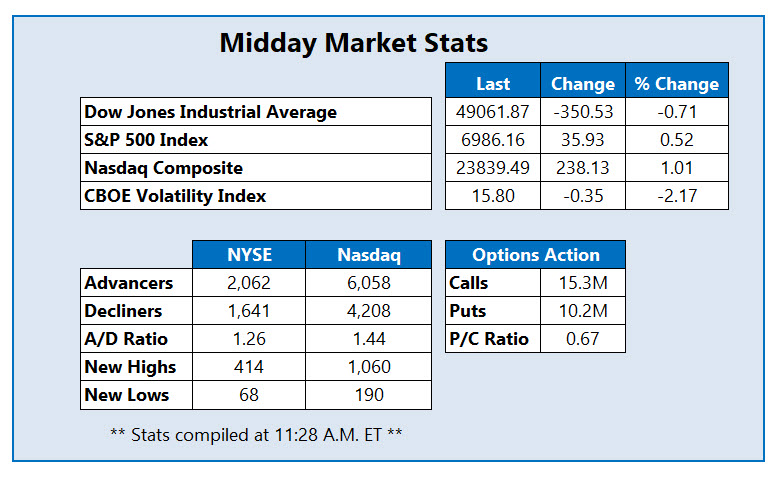
Immediate seller actions: (1) Audit current Amazon Fresh inventory and initiate Whole Foods vendor applications by February 15; (2) Review Korean supplier contracts and model tariff impact scenarios (10-15% cost increases likely); (3) Evaluate India sourcing alternatives for tariff-sensitive categories; (4) Monitor S&P 500 volatility (currently at 6,978.57) as proxy for consumer discretionary spending trends; (5) Prepare for potential FBA fee restructuring post-earnings on February 5.
Questions 8
What does Amazon's $100B grocery GMV reveal about seller opportunities in food e-commerce?
Amazon's $100B+ annual grocery GMV (excluding Fresh and Whole Foods) positions it as a top-3 US grocer and signals massive seller opportunity in food e-commerce. This figure includes Amazon Fresh delivery, Pantry, Subscribe & Save, and third-party seller grocery products—indicating diverse monetization channels beyond physical stores. Sellers should focus on high-margin categories (specialty foods, organic products, health supplements) where Amazon Fresh closures create supply gaps. The emphasis on same-day delivery to 5,000+ cities creates logistics advantages for sellers with efficient fulfillment networks. Sellers with existing grocery presence should expand SKU counts and optimize listings for 'rapid fulfillment' keywords to capture demand from Fresh store closures.
How does the Federal Reserve's interest rate decision impact seller financing costs?
The Federal Reserve's decision to maintain rates at 3.5-3.75% (January 27-28 meeting, 97.2% investor confidence) keeps small business loan rates stable at 7-9% through Q1 2025. Sellers financing inventory expansion or 3PL infrastructure should lock in rates before potential increases post-earnings season. However, the U.S. Consumer Confidence Index hitting a decade-low signals consumer spending caution, which may reduce demand for discretionary products and compress margins. Sellers should prioritize cash flow management and reduce inventory exposure in discretionary categories (apparel, home goods) while maintaining stock in essential categories (groceries, health products).