
Trade Wars and Tech Titans: How Protectionist Policies Are Reshaping Global Manufacturing
- Emerging policy dynamics accelerate technological power shifts between US and China
Overview
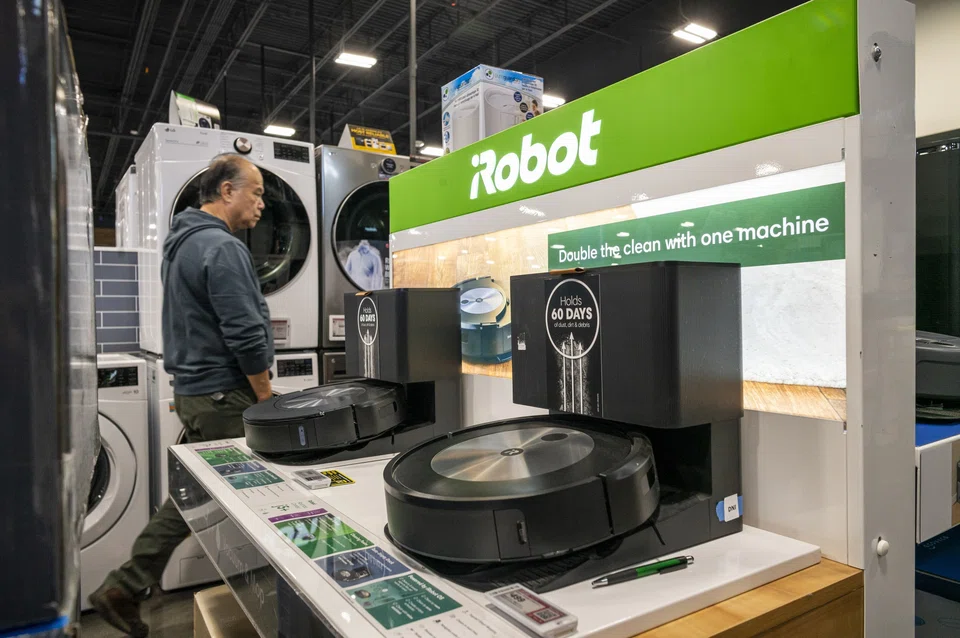
The iRobot bankruptcy represents a pivotal moment in international trade policy, revealing how protectionist measures can inadvertently accelerate technological competition. In 2025, the once-dominant US robotics manufacturer's collapse under a 46% import levy demonstrates the complex interplay between trade restrictions and global technological innovation.
US trade policies have created an unexpected catalyst for Chinese technological advancement. The $23 million cost increase from Vietnam import restrictions effectively pushed iRobot toward bankruptcy, while simultaneously creating market space for Chinese competitors like Shenzhen-based Picea Robotics. This development is not an isolated incident, but part of a broader strategic transformation driven by China's Made in China 2025 industrial plan.
The underlying policy dynamics reveal a critical insight: protectionist measures often produce opposite outcomes from their intended goals. By attempting to shield US manufacturers through high tariffs, policymakers have inadvertently accelerated the competitive positioning of Chinese technology firms. Small and medium technology manufacturers must now navigate an increasingly complex international trade landscape where policy restrictions can rapidly reshape competitive advantages.
The strategic implications extend far beyond robotics. This case study illustrates how technological leadership is no longer guaranteed by historical market positions, but determined by adaptive manufacturing capabilities and nuanced international trade strategies. China's systematic approach to industrial policy—combining strategic investment, targeted manufacturing support, and aggressive global market positioning—stands in stark contrast to the more reactive US approach.
For technology sellers and policymakers, the key takeaway is clear: trade policy is no longer just about protecting domestic industries, but about creating ecosystems that foster continuous innovation and global competitiveness. The iRobot case serves as a critical warning that protectionist measures can potentially undermine the very technological leadership they seek to preserve.
Questions 3
How do protectionist trade policies impact technological innovation?
Contrary to intentions, protectionist policies can accelerate competitor growth by creating market pressures that force innovation. In the iRobot case, US tariffs inadvertently created opportunities for Chinese manufacturers by increasing operational costs for US companies and opening market space for more agile competitors.
What strategies can technology manufacturers use to navigate complex trade environments?
Successful manufacturers must develop flexible global sourcing strategies, invest in continuous innovation, and carefully monitor policy changes. This includes maintaining diverse manufacturing locations, developing adaptable supply chains, and staying ahead of technological trends to remain competitive.