



Drone Warfare Revolution: Ukraine's Low-Cost Tech Disrupts Military Strategies
- Innovative drone technologies redefine asymmetric military capabilities and technological adaptation










Overview
The ongoing Russia-Ukraine conflict has unveiled a transformative paradigm in modern warfare: technological innovation trumping traditional military advantages. At the heart of this revolution lies Ukraine's sophisticated drone warfare strategy, which demonstrates how small, agile forces can neutralize technologically superior opponents through intelligent, cost-effective unmanned systems.
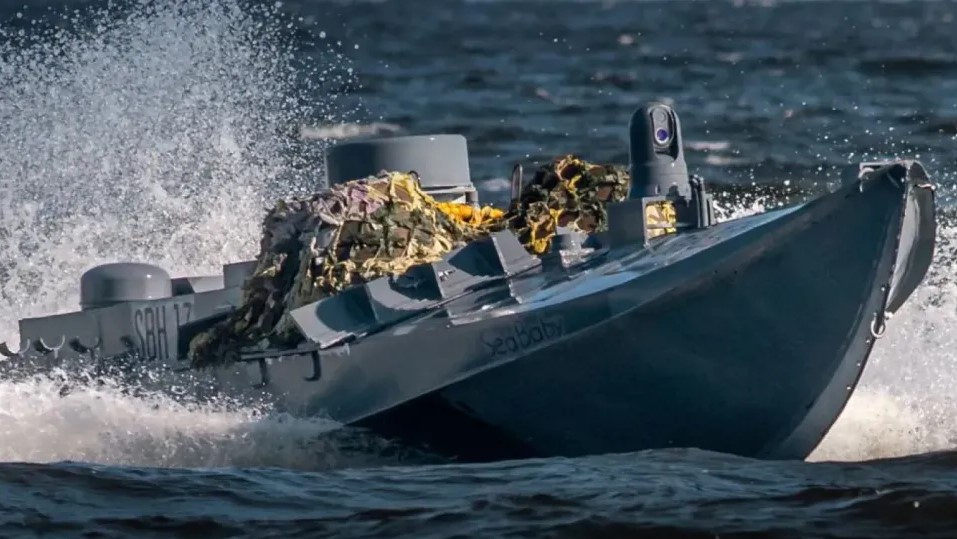
Ukraine's approach represents a critical inflection point in military technology. While Russia manufactures approximately 400 drones daily, Ukrainian forces have developed a strategic doctrine of precision and innovation. Naval drone units like Group 13 have successfully pushed back Russia's Black Sea fleet, striking high-value assets including a submarine and a patrol ship worth $65 million. The Magura 5 and Magura 7 naval drones exemplify this strategy, operating in coordinated "flocks" to hunt and neutralize maritime targets with unprecedented efficiency.
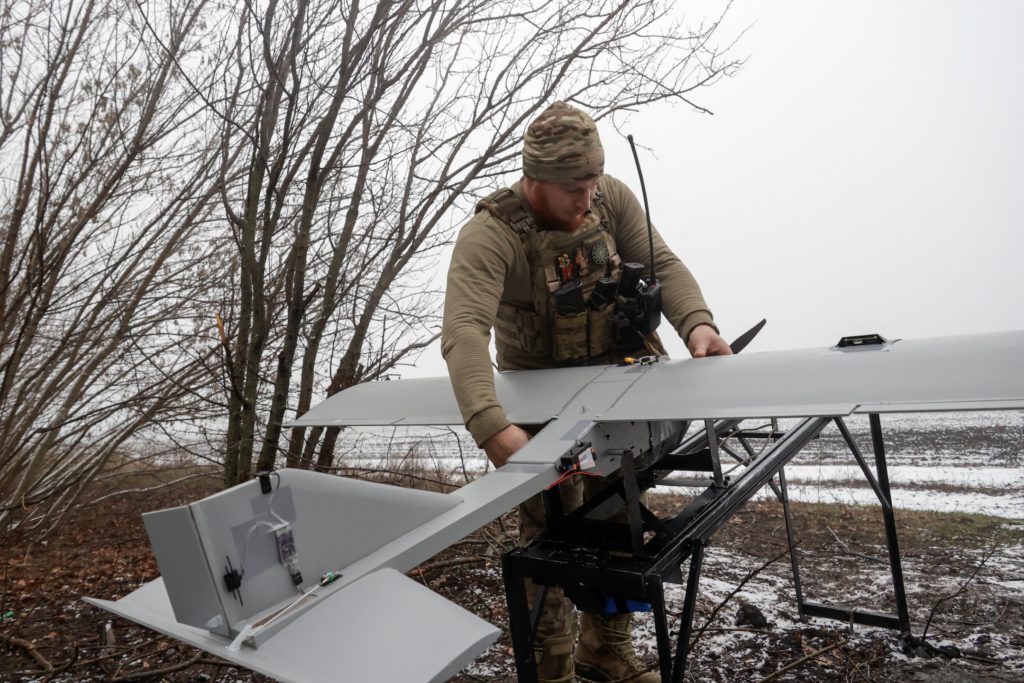
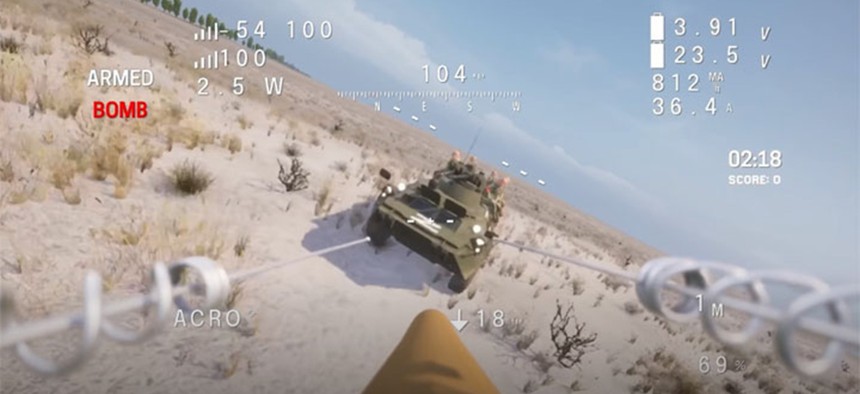
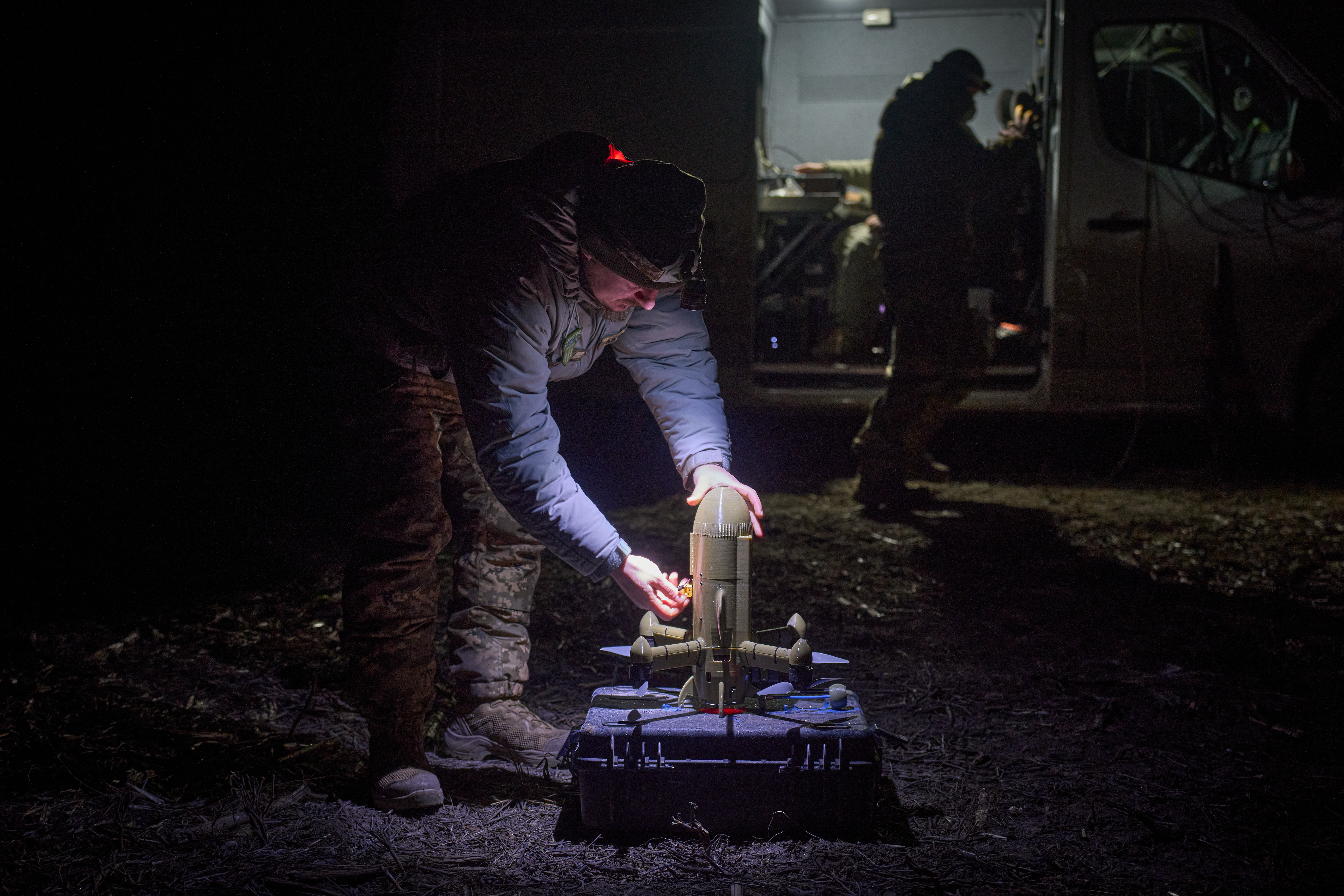
The technological innovation extends beyond naval operations. Ukrainian startups like Wild Hornets and General Cherry are mass-producing low-cost drone interceptors that can neutralize high-altitude suicide drones at a fraction of traditional weapon costs. Systems like the Sting and Bullet interceptors, costing as little as $1,000, can take down enemy drones valued between $10,000 and $300,000. This represents a fundamental shift in military technology procurement—where small, agile startups can outpace traditional defense contractors through rapid prototyping and volunteer-driven innovation.
Critically, these drone technologies have demonstrated strategic impact beyond tactical engagements. In one notable instance, Ukrainian drones eliminated over 10% of Russia's refinery capacity, showcasing how unmanned systems can deliver asymmetric strategic blows. The conflict has accelerated a global recognition that technological adaptability, not just manufacturing scale, determines military effectiveness.
The implications extend far beyond the current conflict. This emerging paradigm suggests that future military capabilities will be defined by innovation speed, cost-efficiency, and strategic deployment of unmanned technologies—a lesson with profound global significance.
Questions 3
What are the broader implications of Ukraine's drone technologies?
These technologies suggest a fundamental transformation in military capabilities, where small, agile teams can develop game-changing technologies that outpace traditional defense procurement. The conflict demonstrates that future military effectiveness will depend more on innovation speed than manufacturing scale.
What makes Ukraine's drone approach unique?
Ukraine combines rapid prototyping, volunteer-driven innovation, and mass manufacturing to create effective drone technologies. Their approach focuses on strategic targeting and coordinated 'flock' operations, rather than simply producing large numbers of drones.