



The Powerball Paradox: When Astronomical Odds Meet Human Hope
- A statistical exploration of lottery dreams and financial reality for risk-takers and skeptics





Overview
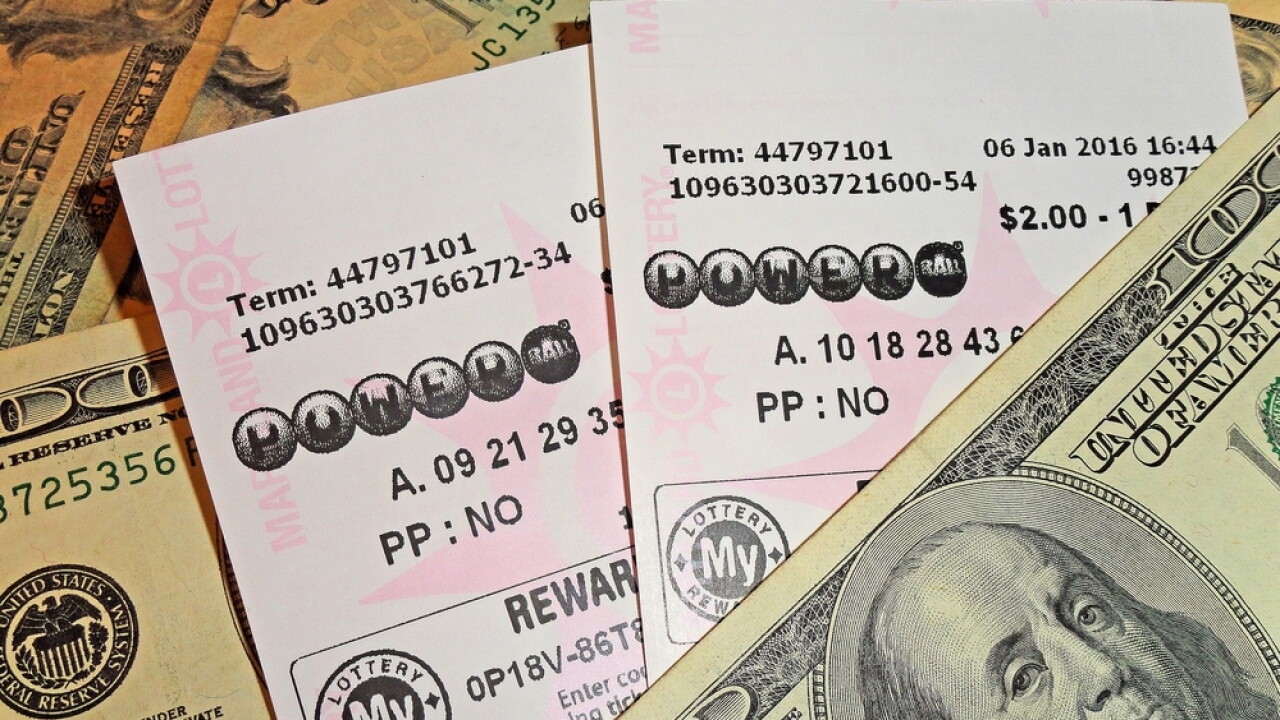
In the high-stakes world of lottery gambling, the Powerball jackpot represents a fascinating intersection of mathematical improbability and human aspiration. With a staggering $1.7 billion prize currently unclaimed, the game reveals profound insights into risk perception and financial psychology.
Probability Reveals Harsh Realities: The odds of winning the Powerball jackpot are mind-bogglingly slim—approximately one in 292,201,338. To contextualize this astronomical probability, players are more likely to be struck by lightning (less than one in a million) or find a pearl in an oyster (one in 66) than claim the top prize. This statistical landscape transforms the lottery from a potential financial strategy into a pure entertainment mechanism.
Local Wins Mask Systemic Improbability: The recent $1 million ticket sold in Valley Stream exemplifies the lottery's psychological allure. While this win represents a significant local event, it simultaneously underscores the broader statistical improbability. The 1 in 11,688,053.52 odds of the second-tier prize still demonstrate how remote substantial winnings truly are.
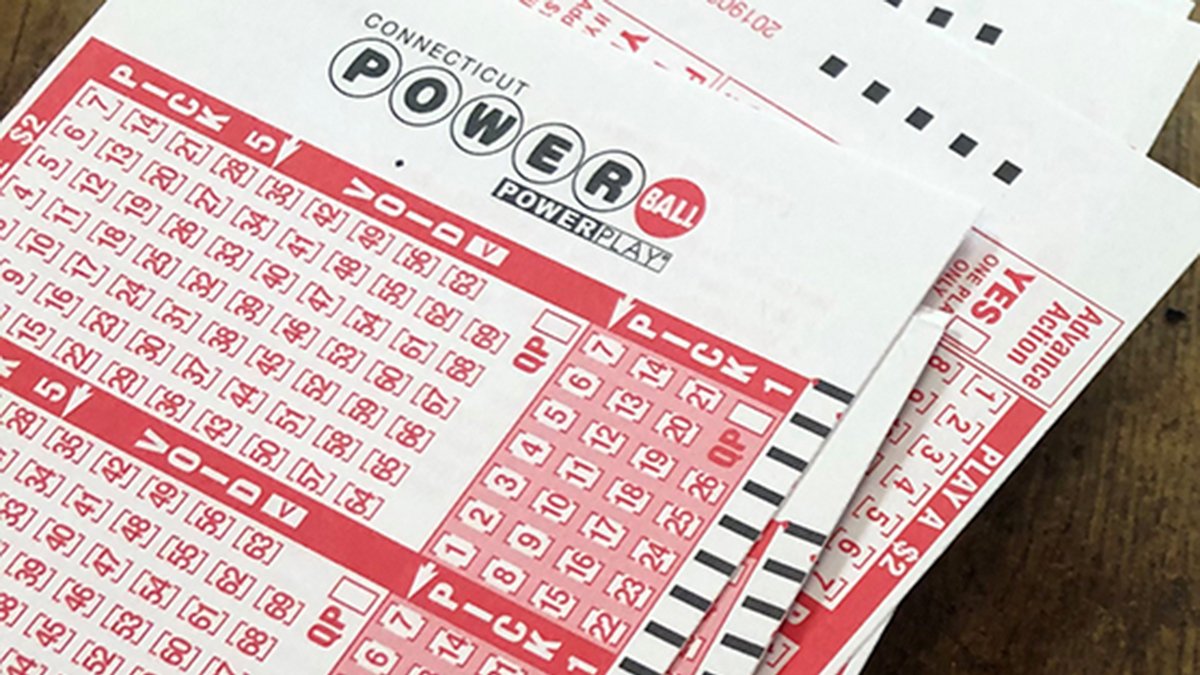
Financial Psychology at Play: Beyond raw numbers, the Powerball phenomenon illuminates critical behavioral economics principles. Players consistently underestimate extreme statistical improbabilities, investing $2 per ticket with virtually no realistic chance of transformative returns. The jackpot's growth to $1.7 billion suggests that hope consistently trumps mathematical reasoning, creating a fascinating market dynamic where entertainment value supersedes rational investment strategy.
The lottery's enduring appeal lies not in realistic wealth acquisition, but in selling a momentary dream—a $2 ticket to temporary psychological escape from financial constraints. For most participants, the true value is the brief fantasy of instantaneous transformation, rather than any genuine expectation of winning.
Questions 3
How does the current $1.7 billion jackpot compare to previous lottery prizes?
The $1.7 billion jackpot represents an exceptionally large prize, reflecting growing public interest and accumulated winnings from multiple drawings without a top-prize winner. Such massive jackpots tend to attract more players, further driving ticket sales and prize growth.
Why do people continue to play despite such low probabilities?
People play the lottery primarily for psychological reasons: the $2 ticket offers a brief moment of hope and fantasy about instantaneous wealth transformation. The entertainment value of imagining a potential win outweighs the minimal financial investment.