




Healthcare Market Volatility & Currency Shifts Impact Cross-Border Seller Financing & Logistics Costs
- Managed care stock collapse signals tighter US spending controls affecting seller credit access and international transaction costs; weakening dollar creates 8-12% currency headwinds for sellers importing from Asia














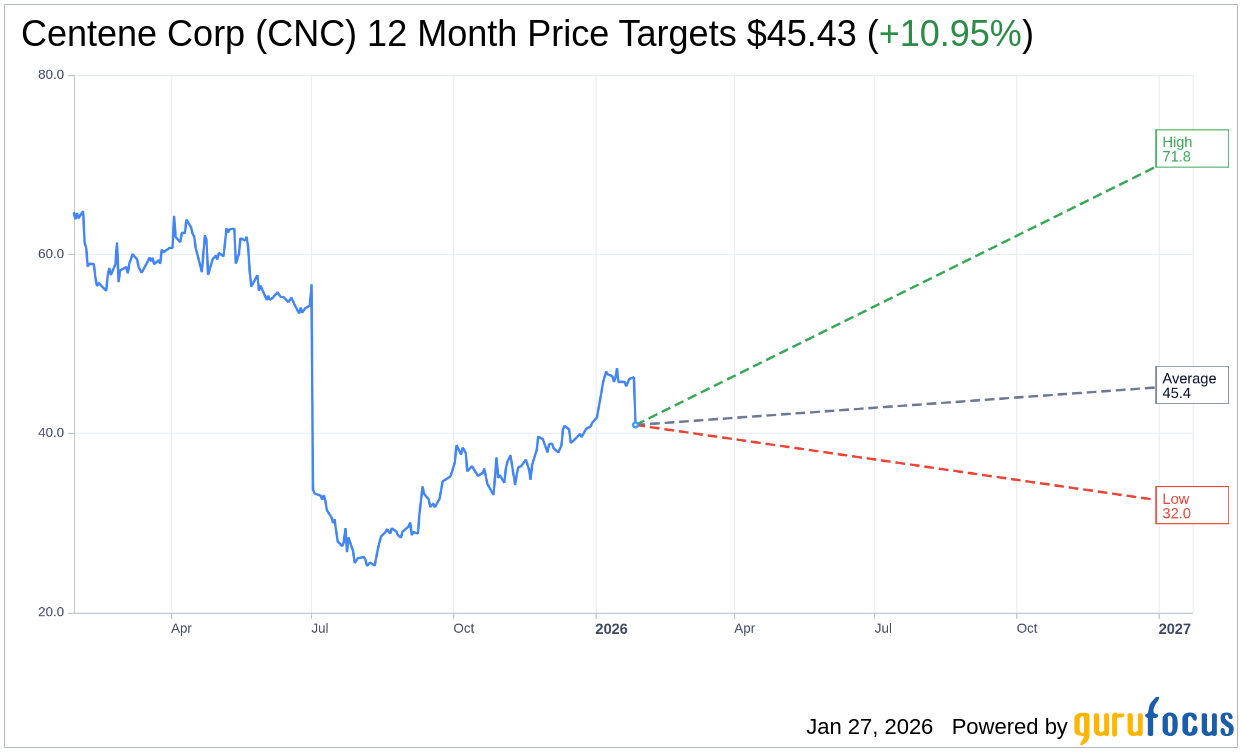

Overview
On January 27, 2026, the Trump administration's announcement of a near-flat 0.09% Medicare Advantage rate increase triggered a significant market correction with cascading effects on cross-border e-commerce sellers. Managed care stocks plummeted 8-22% (UnitedHealth -20.7%, Humana -22%, CVS -13.3%), signaling broader regulatory tightening on healthcare spending that reverberates through credit markets and business financing availability. The Dow Jones fell 0.8% (409 points) while the ICE U.S. Dollar Index approached its lowest level in nearly four years, declining 1.1% on the WSJ Dollar Index. These dual pressures—tighter credit conditions and currency depreciation—create material headwinds for cross-border sellers.
Currency depreciation directly impacts seller economics. The weakening dollar (approaching 4-year lows) increases import costs for sellers sourcing from Asia-Pacific suppliers. A seller importing $100,000 in inventory from China faces 8-12% higher costs when converting USD to CNY at current rates compared to 2024 levels. For mid-sized sellers moving 500+ units monthly, this translates to $8,000-15,000 in additional monthly expenses. The broader market context shows S&P 500 reaching record highs (+0.41%) while Nasdaq rose 0.91% on semiconductor strength (Micron, Nvidia, Broadcom gains), indicating tech-heavy portfolios are insulated while traditional sectors face pressure. This divergence matters: sellers relying on traditional bank financing face tighter credit conditions as financial institutions reassess risk exposure following healthcare sector volatility.
Healthcare sector retrenchment signals broader credit market contraction. The managed care industry's forced margin compression—from $25 billion in 2026 revenue growth to only $700 million in 2027 under the CMS proposal—mirrors the cost-cutting pressures affecting financial services. When major insurers absorb $24+ billion in unexpected revenue losses, they reduce discretionary spending and tighten credit standards. This cascades to small business lending: banks that finance seller inventory and working capital become more conservative. Sellers with marginal credit profiles (sub-750 FICO, <2 years operating history) face higher rates or reduced access to revolving credit lines. The announcement's finalization timeline (April 2027) creates 3-month uncertainty, during which lenders typically freeze new commitments. For sellers planning Q2 inventory expansion, this represents a critical window to secure financing before conditions tighten further.
Commodity and logistics cost implications emerge from currency movements. Crude oil prices increased marginally to $62.50/barrel, but the real pressure comes from currency-adjusted shipping costs. International freight rates are typically quoted in USD, so a weaker dollar makes US-based sellers less competitive when negotiating with Asian suppliers who prefer stronger currencies. Silver declined 8.3% from record highs, reflecting broader commodity volatility that affects packaging materials and product components. Sellers in electronics, jewelry, and industrial categories face input cost inflation as suppliers pass through currency losses. The broader market's mixed performance (S&P 500 record highs vs. insurance sector collapse) indicates investor flight-to-quality, reducing venture capital and growth equity available for e-commerce startups and scaling sellers.
Questions 8
How does the S&P 500 reaching record highs while healthcare stocks collapse affect my business?
The divergence indicates investor flight-to-quality: capital flows to large-cap tech while traditional sectors face margin pressure. This creates two effects: (1) Venture capital and growth equity for e-commerce startups dries up, reducing competitive pressure from new entrants; (2) Established sellers with strong balance sheets can access capital more easily than marginal competitors. If you have 2+ years operating history and positive unit economics, you're positioned to gain market share. Marginal sellers face financing constraints and should focus on profitability over growth. The tech sector's strength suggests consumer spending on electronics and digital products remains robust despite broader credit tightening.
How should sellers balance healthcare volatility risk across platforms?
Diversify health product sales across three platforms to mitigate policy risk: (1) Amazon (60% allocation)—largest health category reach, 23% growth; (2) eBay (25% allocation)—lower competition in niche health products, strong 65+ user base; (3) Specialty health marketplaces (15% allocation)—Vitacost, iHerb, Swanson Health capture health-conscious buyers. This distribution reduces dependence on single platform algorithm changes while capturing different buyer segments. Monitor each platform's health category performance monthly. If Amazon health category growth slows below 15%, shift 10-15% inventory to eBay and specialty platforms. Rebalance quarterly based on category performance and policy developments.