
Plus-Size Travel Market Expansion | Inclusive Apparel & Accessibility Products Opportunity
- 67% of U.S. adults overweight/obese creates $8-12B inclusive fashion market; Southwest policy shift drives demand for travel-friendly plus-size apparel, adaptive clothing, and accessibility products













Overview
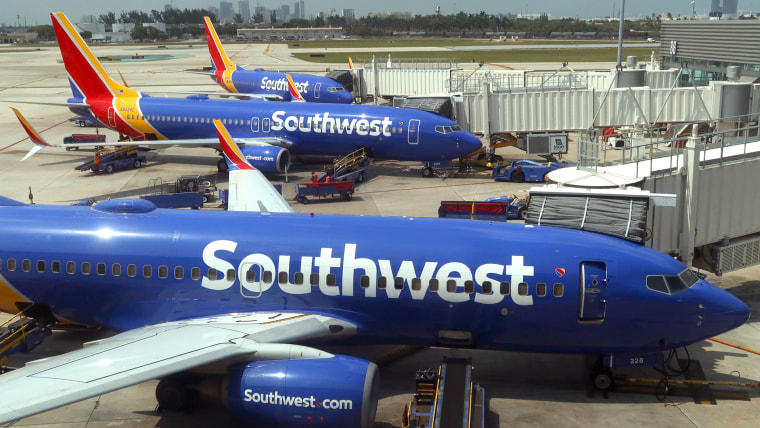
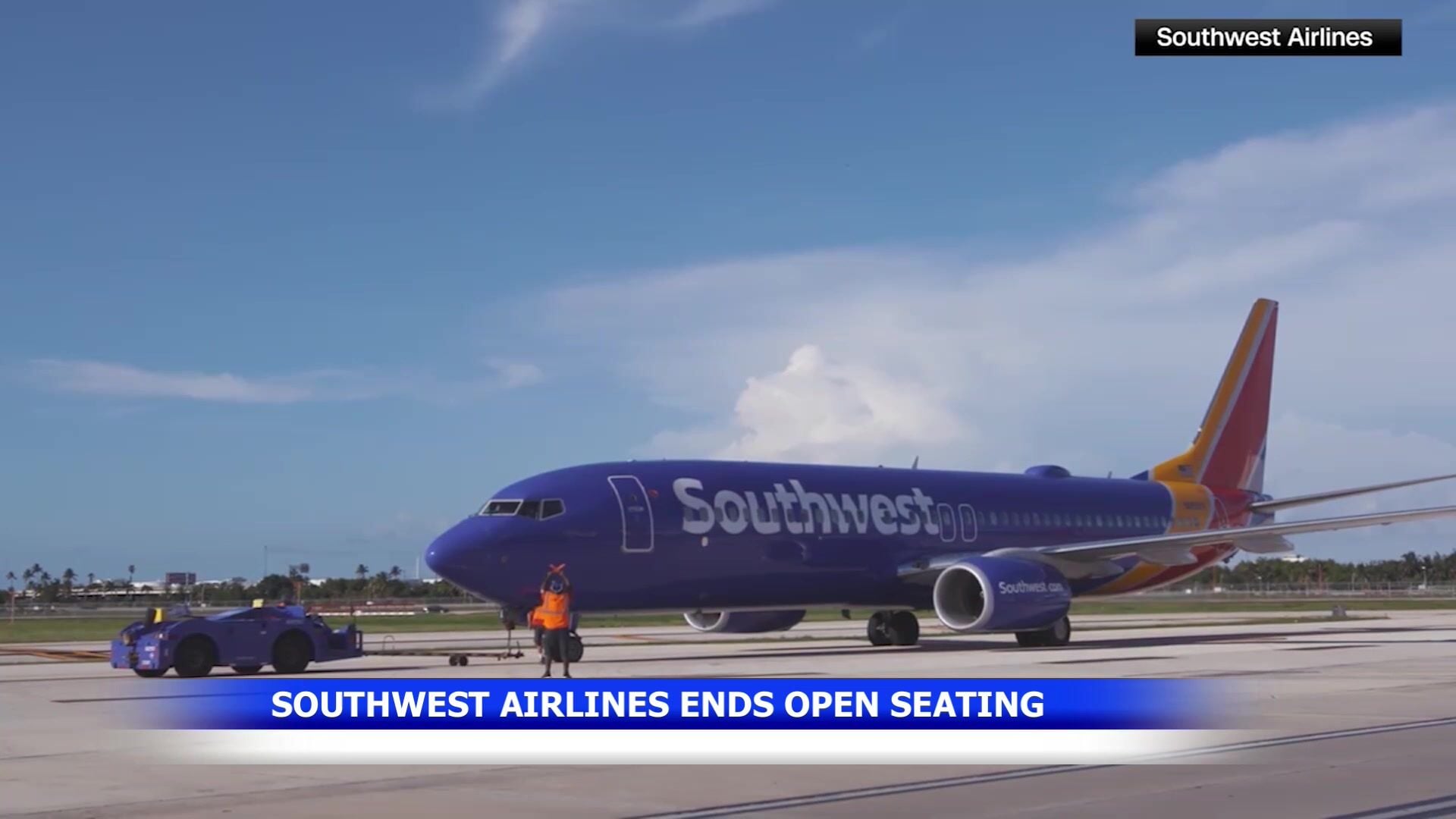
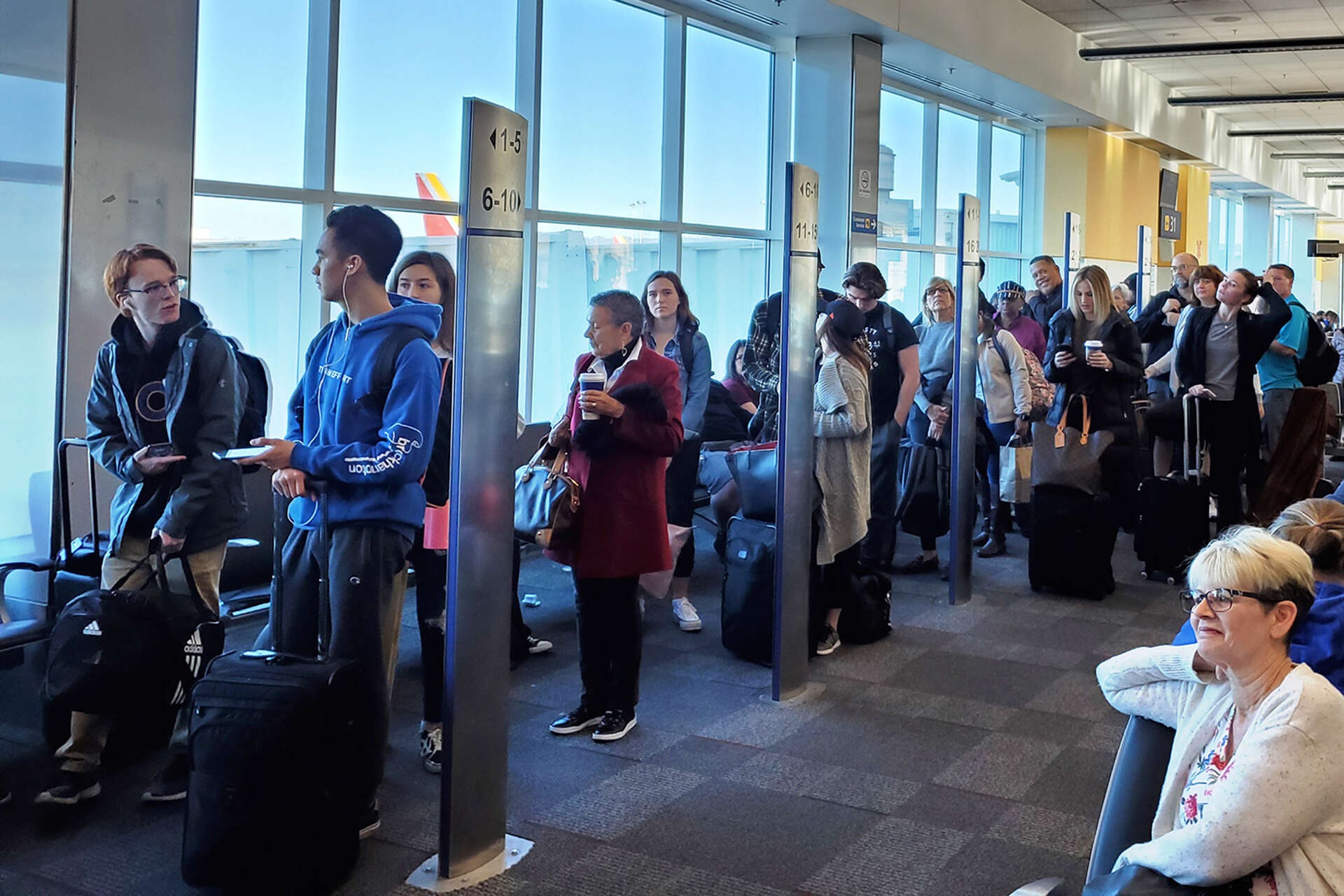
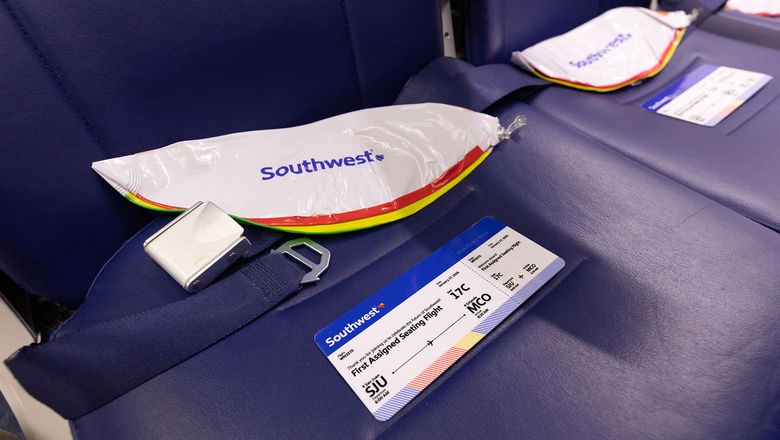
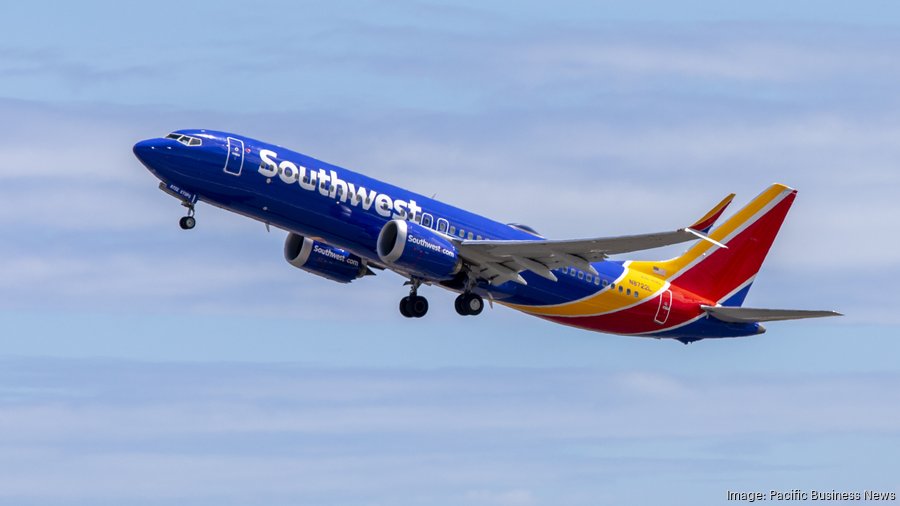
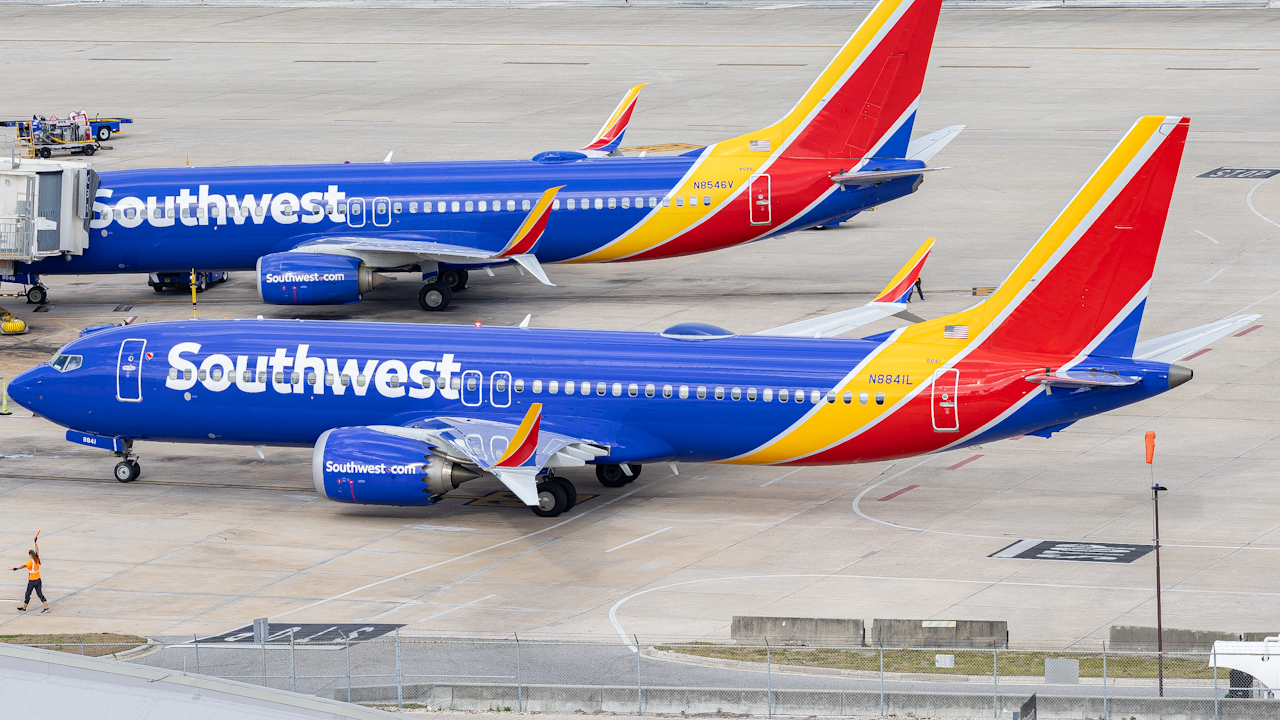
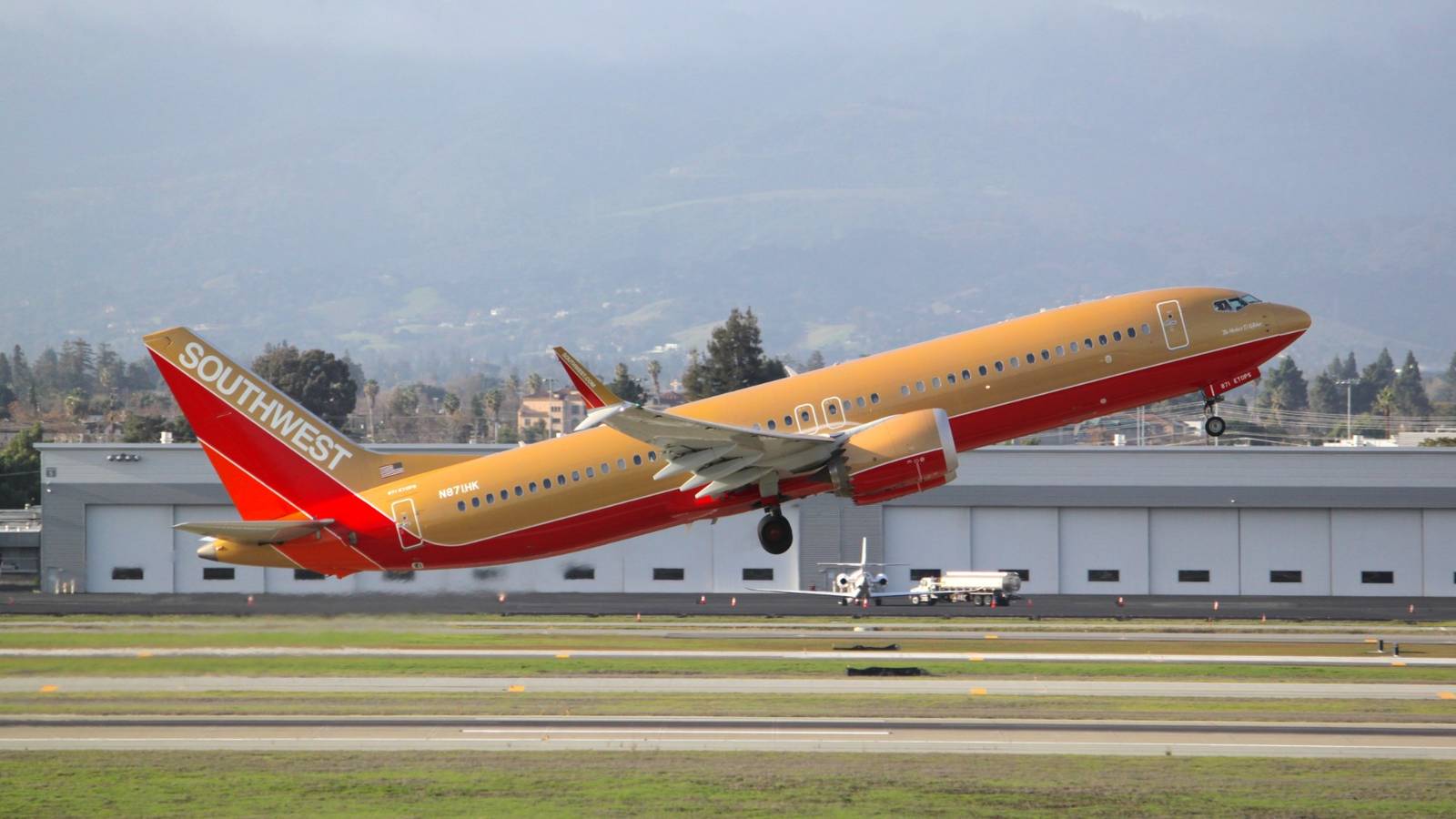
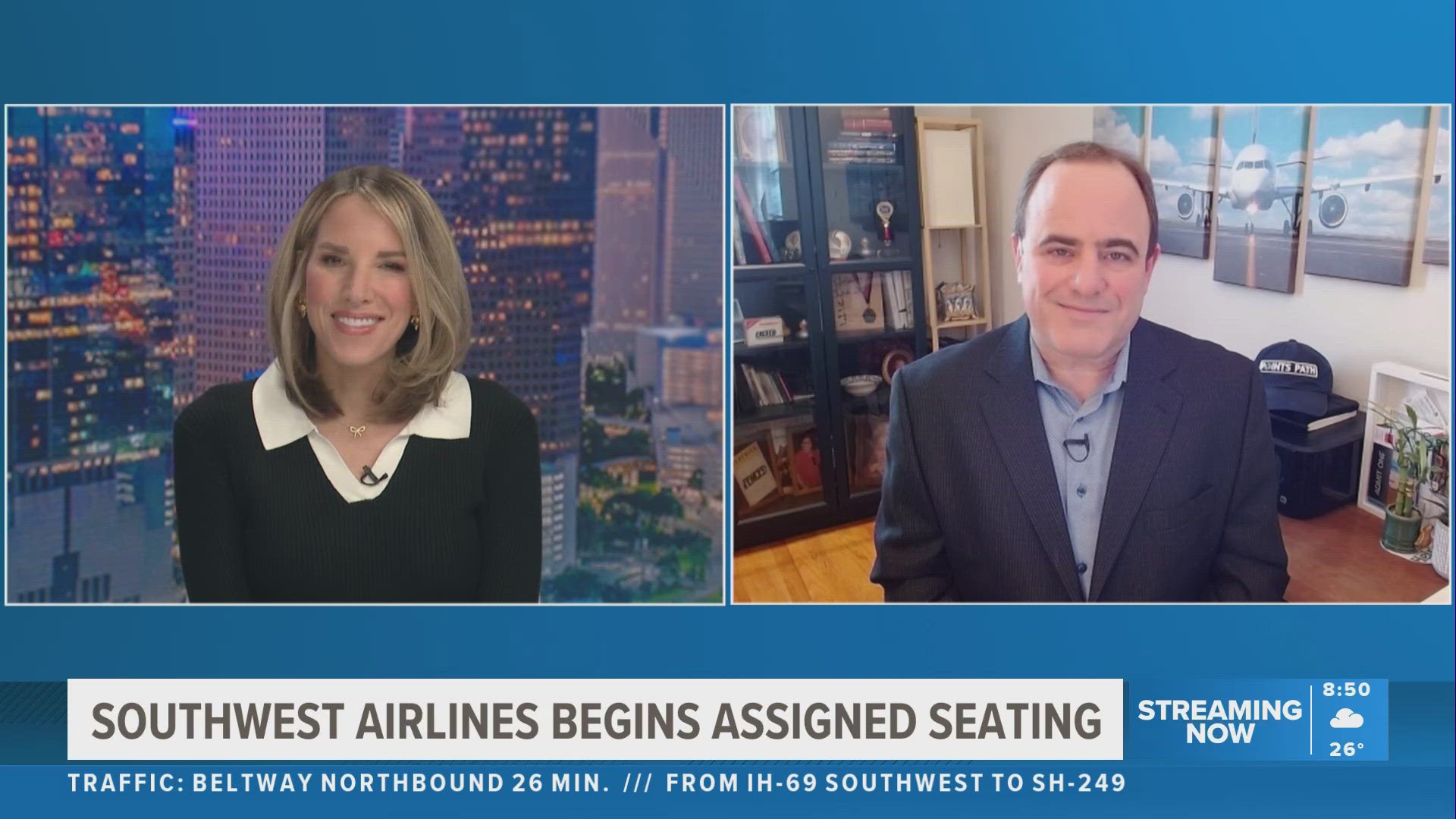
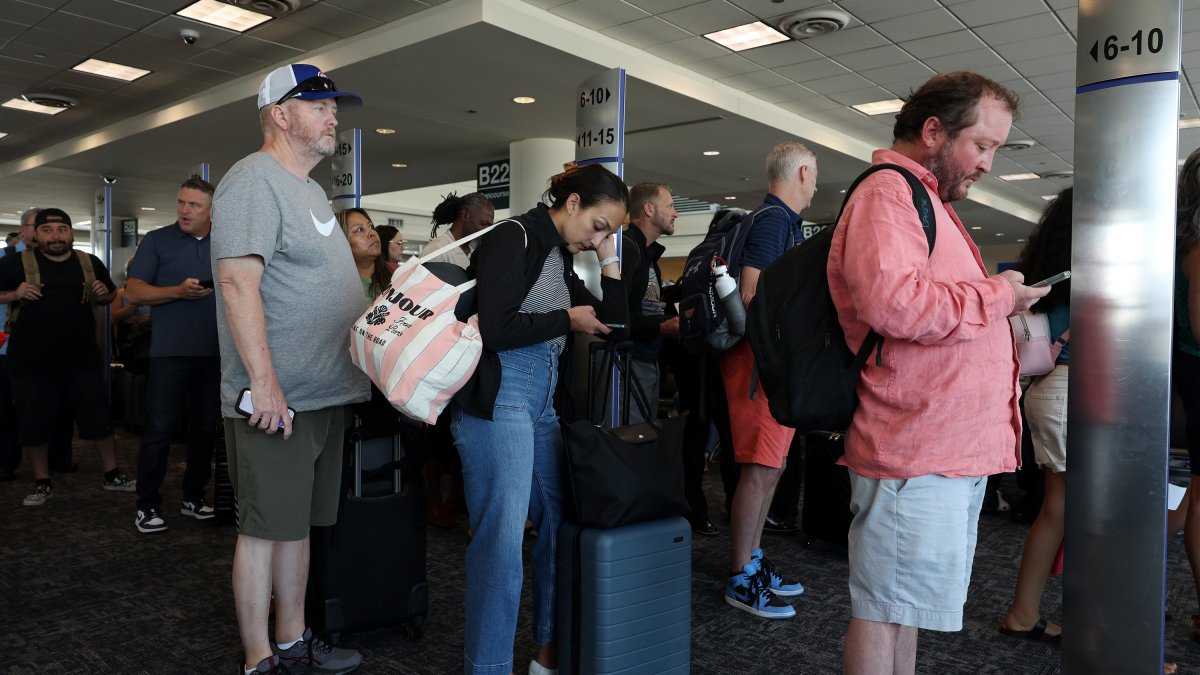
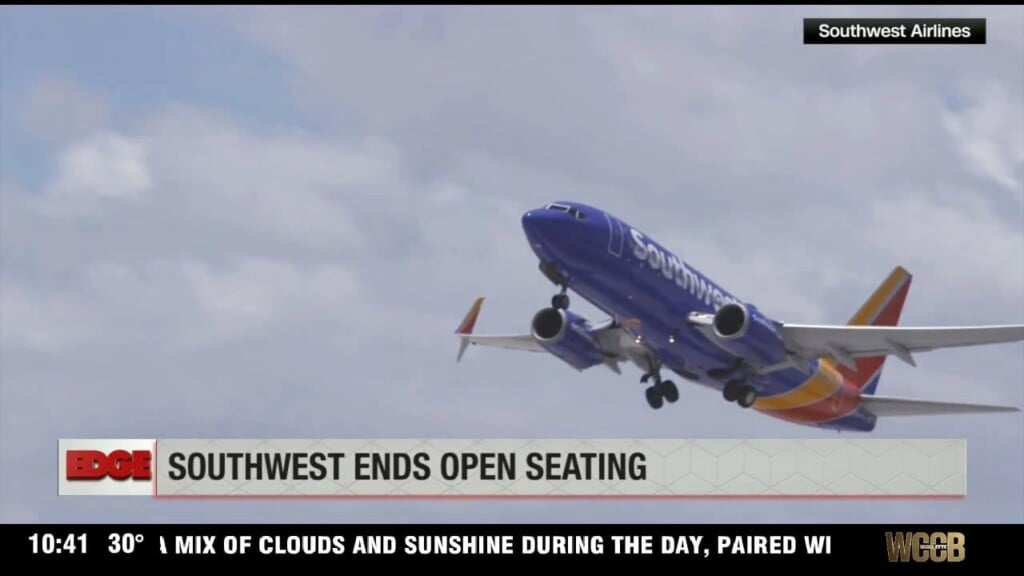
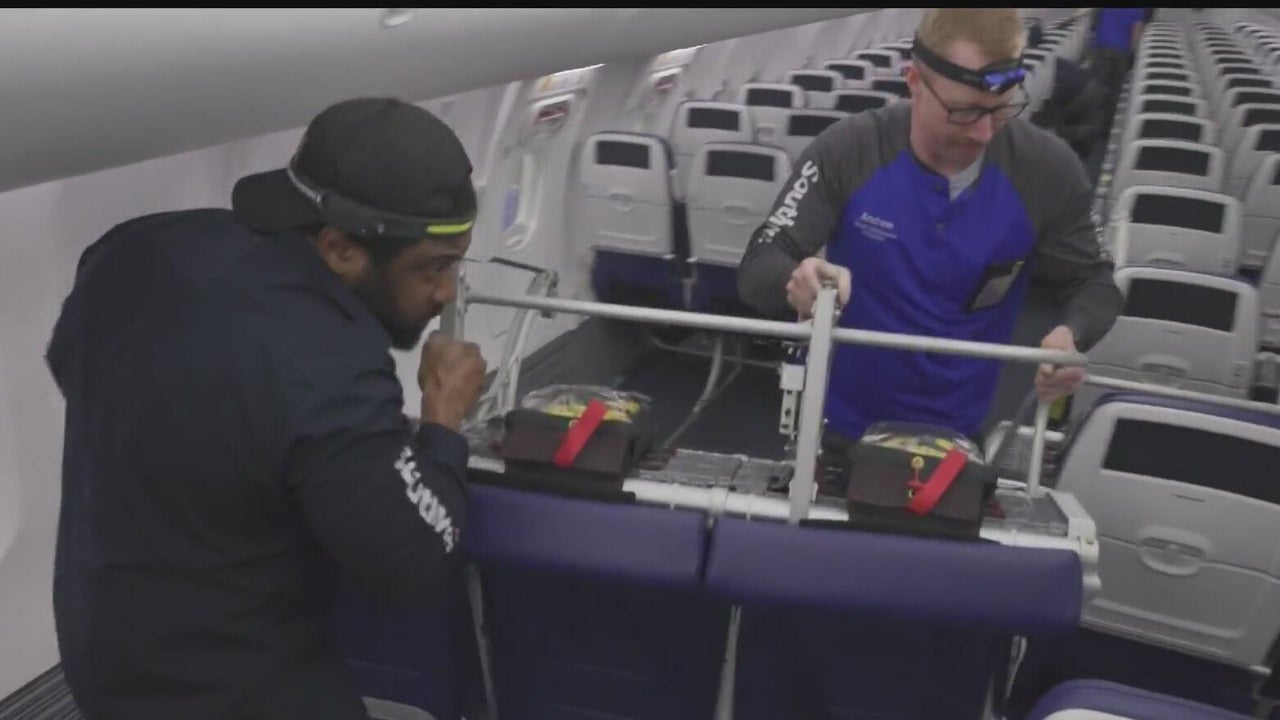
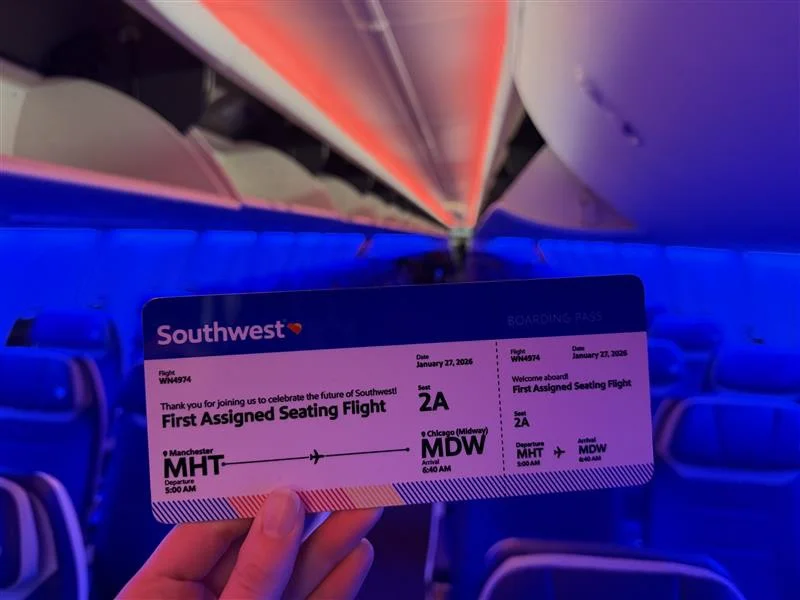
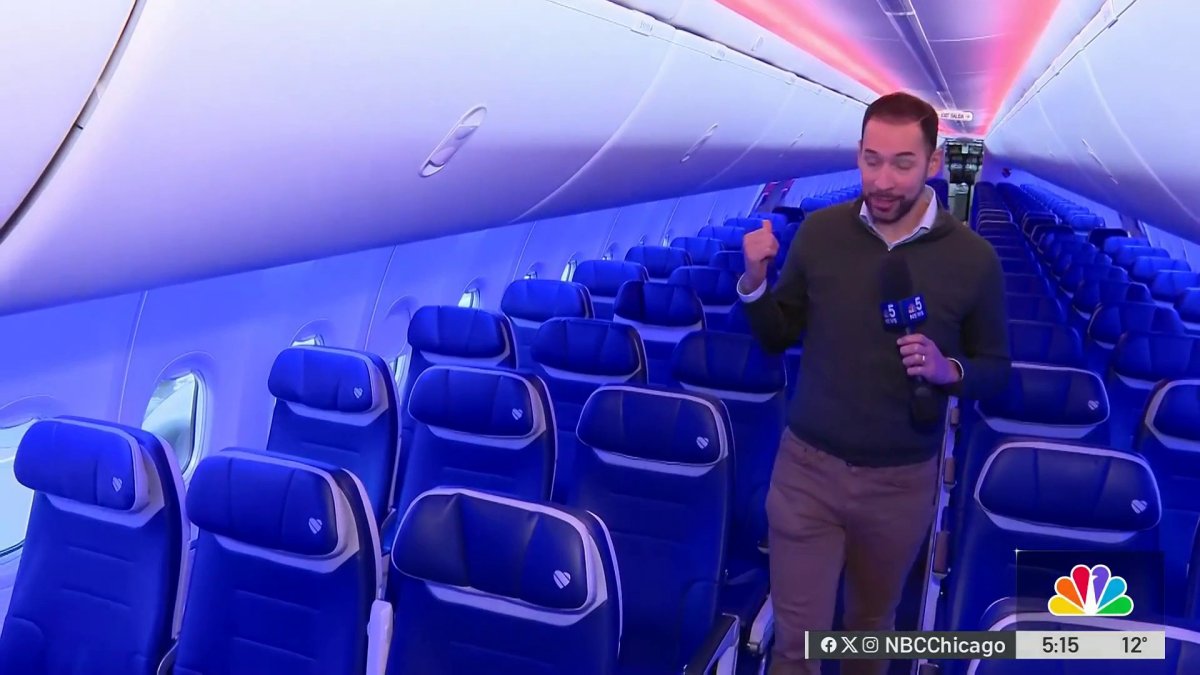
Southwest Airlines' simultaneous implementation of assigned seating (January 27, 2026) and restrictive "Customer of Size" policies represents a critical market inflection point for plus-size and adaptive apparel sellers. The policy requires plus-sized passengers unable to fit in standard 15.5-18 inch coach seats to purchase additional seats upfront with refunds only on non-full flights—eliminating the previous decade-long guarantee that differentiated Southwest from competitors.
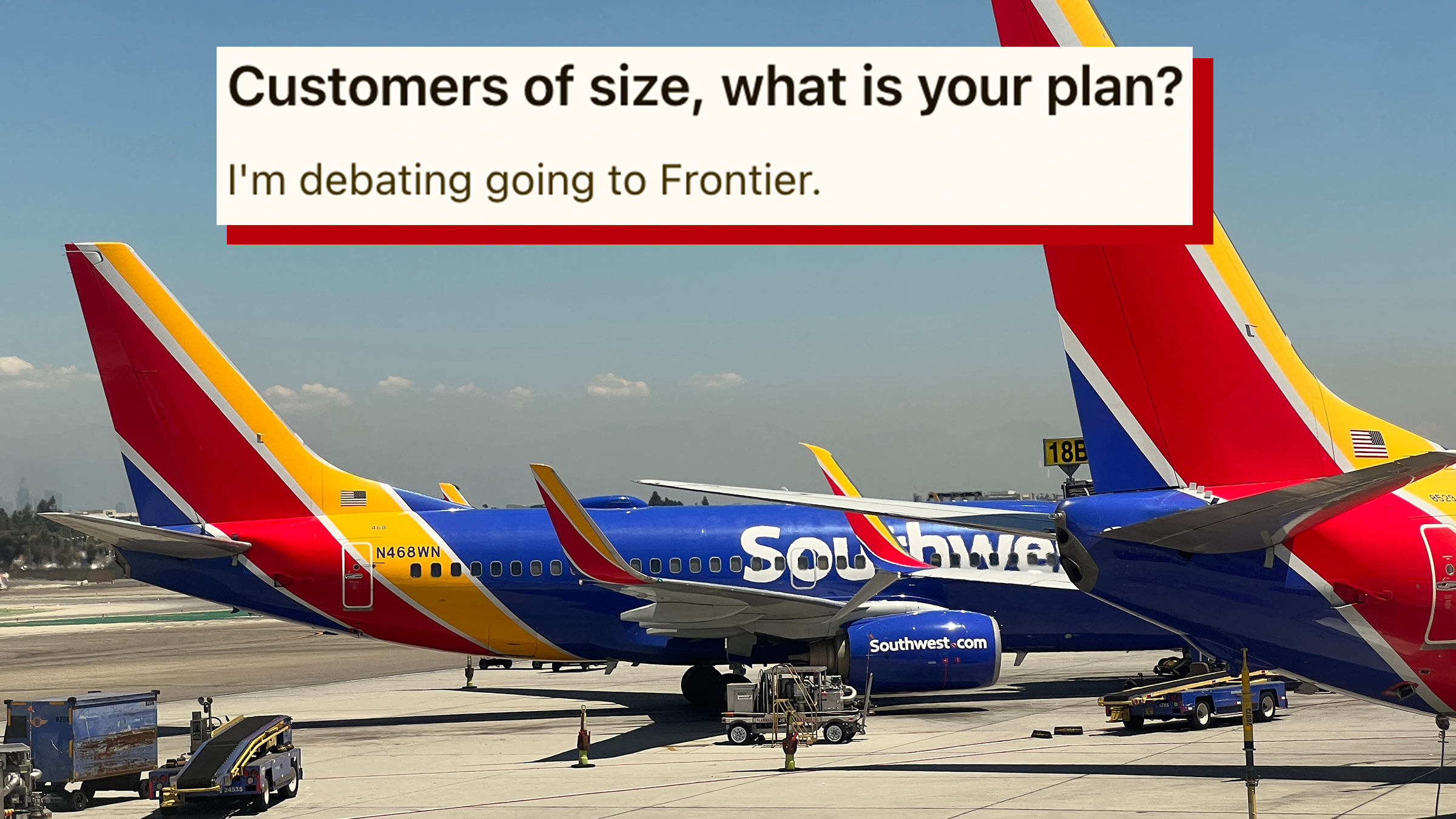
This policy shift directly impacts a massive consumer segment: over two-thirds of U.S. adults are classified as overweight or obese, representing approximately 220+ million potential customers. The backlash from communities like the National Association to Advance Fat Acceptance signals growing consumer activism around inclusive sizing and accessibility—a trend that translates directly to e-commerce opportunity. Passengers like Autumn Wright (Albany resident) are switching to alternative carriers, indicating brand loyalty erosion among plus-size travelers and creating acquisition opportunities for sellers targeting this underserved demographic.
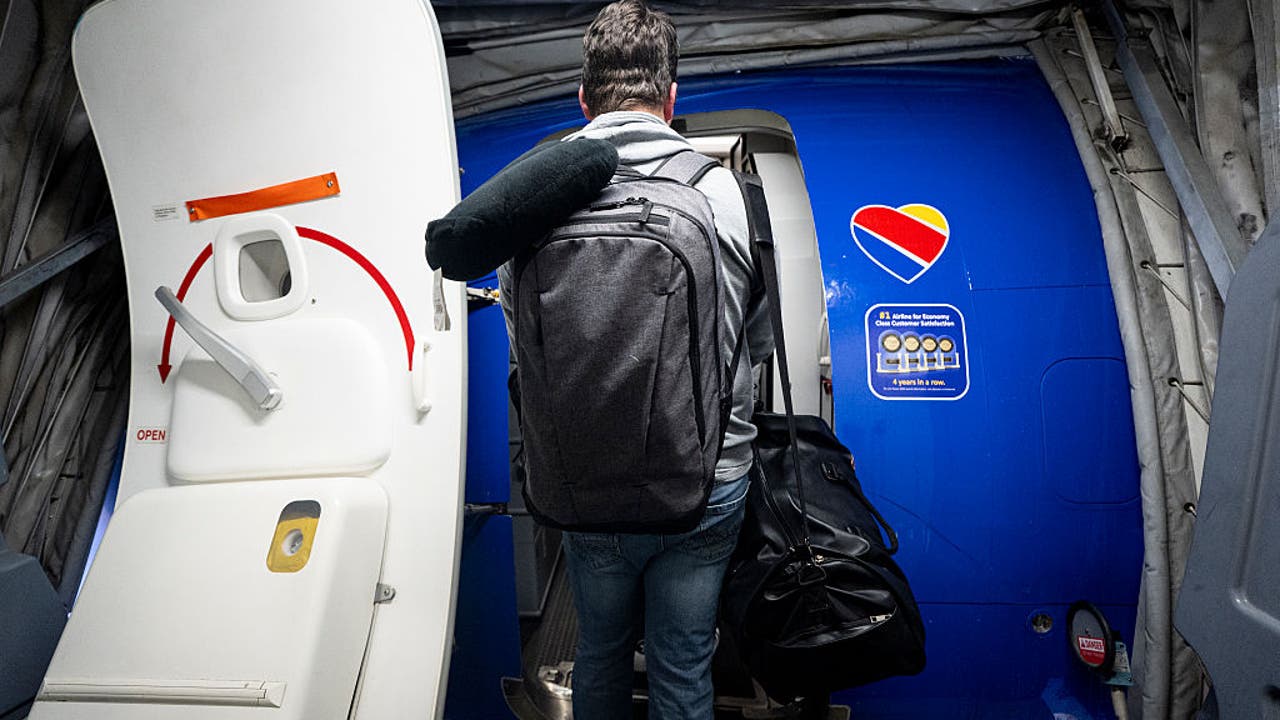
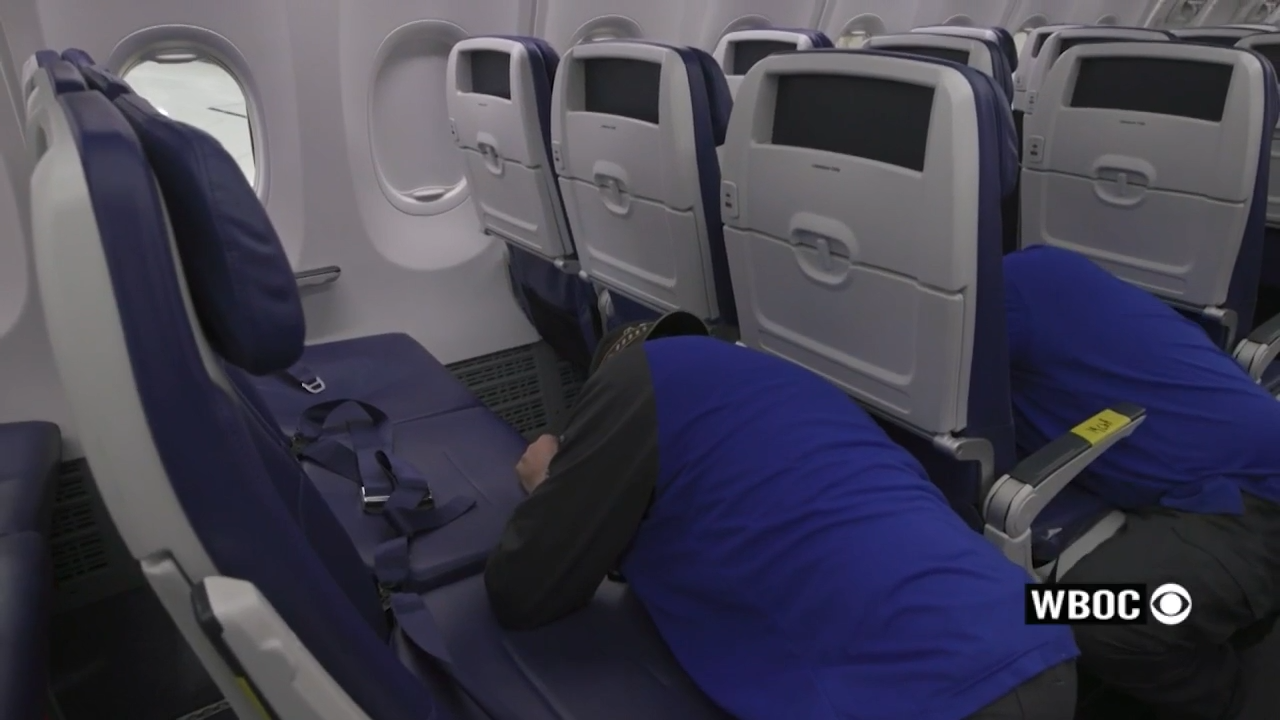
For cross-border sellers, this creates three distinct product opportunities: (1) Travel-specific plus-size apparel optimized for airline comfort—compression wear, expandable waistbands, moisture-wicking fabrics designed for 2-4 hour flights; (2) Accessibility and mobility products addressing the hardship highlighted by Wotasik regarding non-lifting armrests and premium seat restrictions—seat cushions, armrest extenders, aisle mobility aids; (3) Inclusive fashion categories capitalizing on the broader cultural moment around body diversity and accessibility advocacy.
The assigned seating transition (eliminating 54-year open-seating model) creates secondary opportunities: business travelers and frequent flyers now face paid seat selection fees, driving demand for premium travel accessories (neck pillows, compression socks, ergonomic seat cushions) to justify premium seat purchases. Southwest's shift toward ancillary revenue (seat fees, premium options) mirrors broader airline monetization trends, signaling that travel comfort products will command higher price points and customer willingness-to-pay.
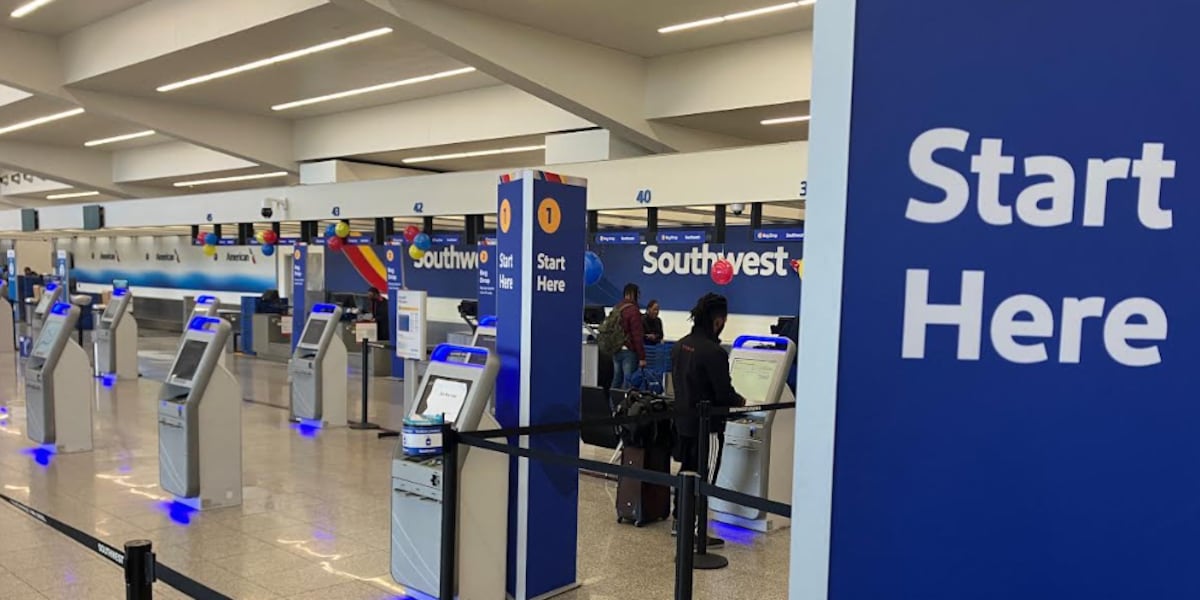
Retail partnership opportunities emerge in major hub cities: Dallas Love Field (Southwest's historic base), Las Vegas, Denver, and Phoenix airports represent high-traffic locations for pop-up showrooms targeting plus-size travelers. Sellers can establish temporary retail presence in airport terminals or nearby hotels to capture passengers during booking/travel windows. O2O conversion potential is significant—travelers researching seat comfort solutions online can be driven to in-airport kiosks for immediate purchase before flights.
The policy change also signals market consolidation risk: as Southwest aligns with United, American, and Delta on seating policies, differentiation opportunities shift to inclusive product categories rather than airline partnerships. Sellers should anticipate increased competition in plus-size travel apparel but also expanded addressable market as mainstream retailers (Amazon, Target, Walmart) increase plus-size inventory in response to policy-driven demand visibility.
Questions 7
How does Southwest's new plus-size policy create product opportunities for e-commerce sellers?
Southwest's policy requiring upfront additional seat purchases for plus-sized passengers creates immediate demand for travel-specific plus-size apparel and accessibility products. With over 67% of U.S. adults classified as overweight/obese (220+ million potential customers), sellers can target this underserved segment with compression travel wear, expandable waistband clothing, and ergonomic seat accessories. The policy backlash signals strong consumer activism around inclusive sizing, indicating higher brand loyalty and willingness-to-pay among plus-size buyers. Sellers should prioritize Amazon, Shopify, and specialty marketplaces with dedicated plus-size categories to capture search traffic from affected travelers researching comfort solutions.
What are the highest-ROI pop-up locations for plus-size travel apparel sellers?
Major Southwest hub airports represent optimal pop-up locations: Dallas Love Field (Southwest's historic base), Las Vegas, Denver, Phoenix, and Chicago Midway. These airports combine high plus-size passenger volume with concentrated booking windows (2-4 hours pre-flight). Sellers can establish temporary retail presence in airport terminals or nearby hotels at $3,000-8,000/month for 30-90 day trials. O2O conversion potential is significant—travelers researching seat comfort online can be driven to in-airport kiosks for immediate purchase. Secondary locations include plus-size fashion retailers (Torrid, Old Navy, Target) in these cities, which can serve as distribution partners for travel-specific product lines.