


Civil Liberties Under Siege: Australia's Unprecedented Crackdown on Public Protest
- Sweeping legislative changes signal a dramatic erosion of free speech and assembly rights in response to national security concerns












Overview
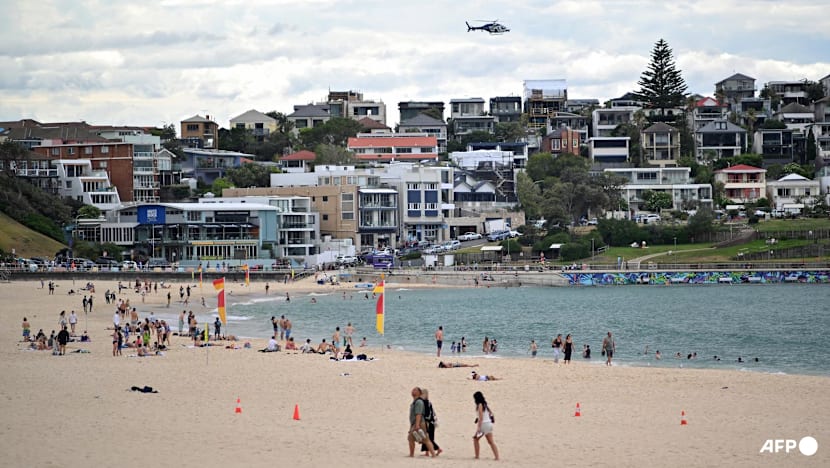
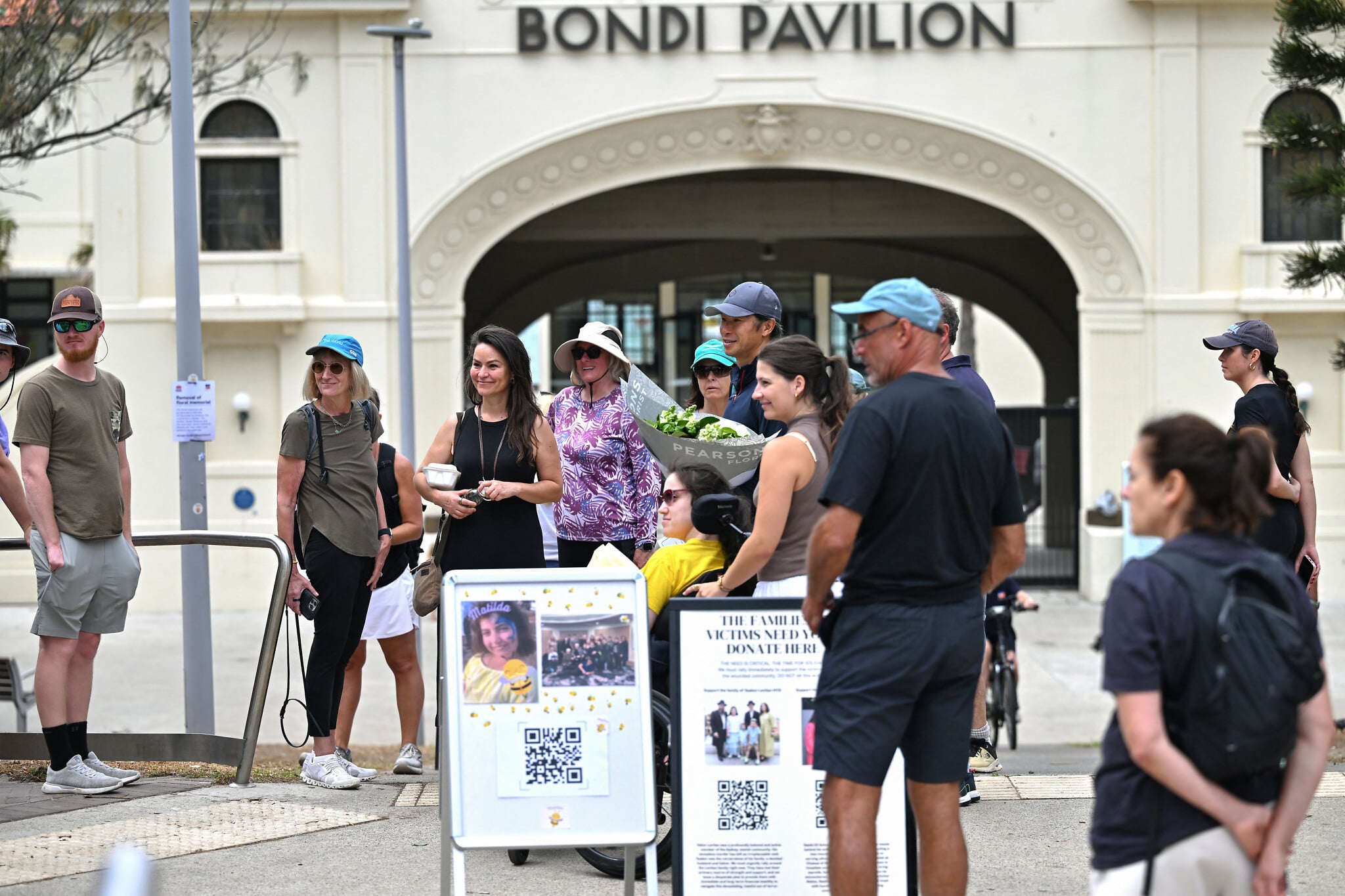
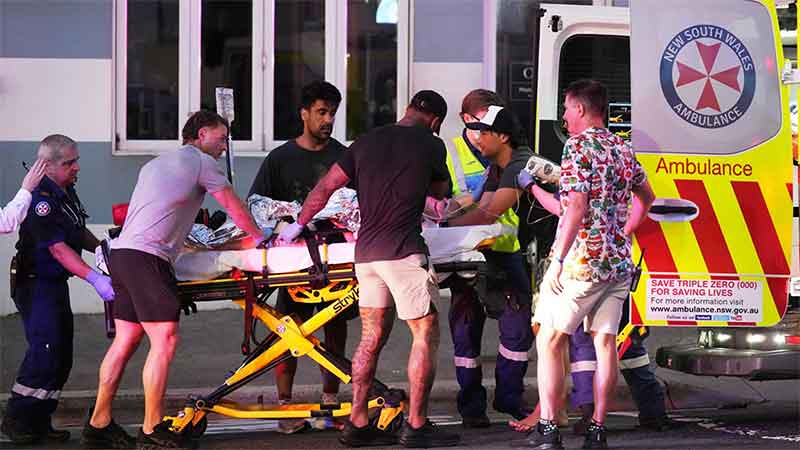
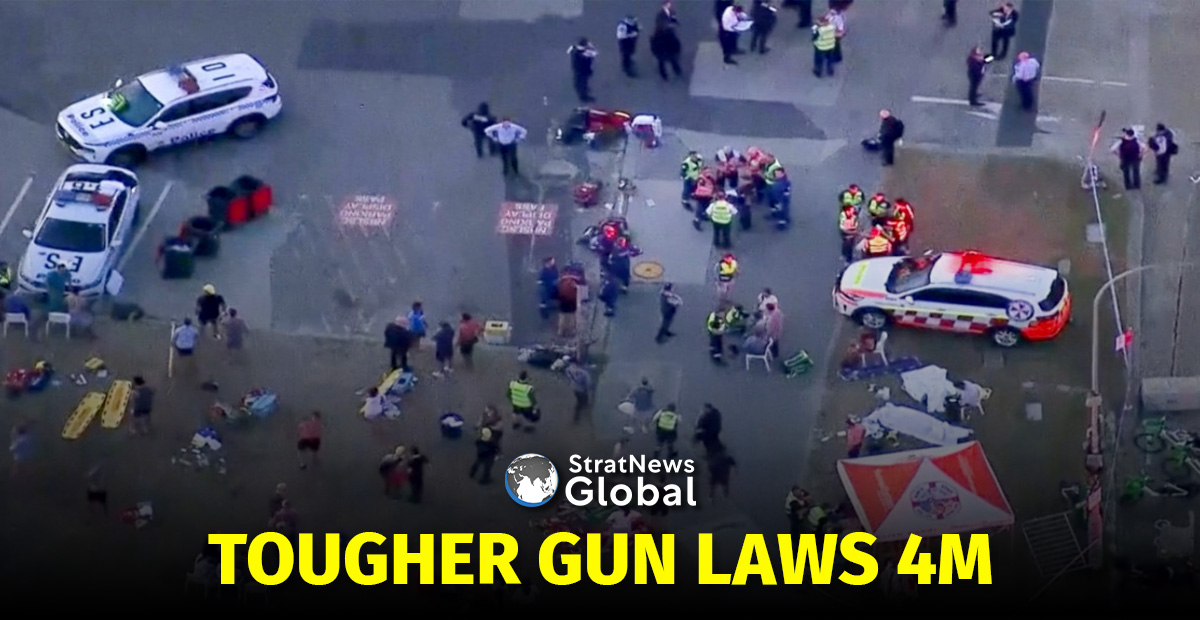
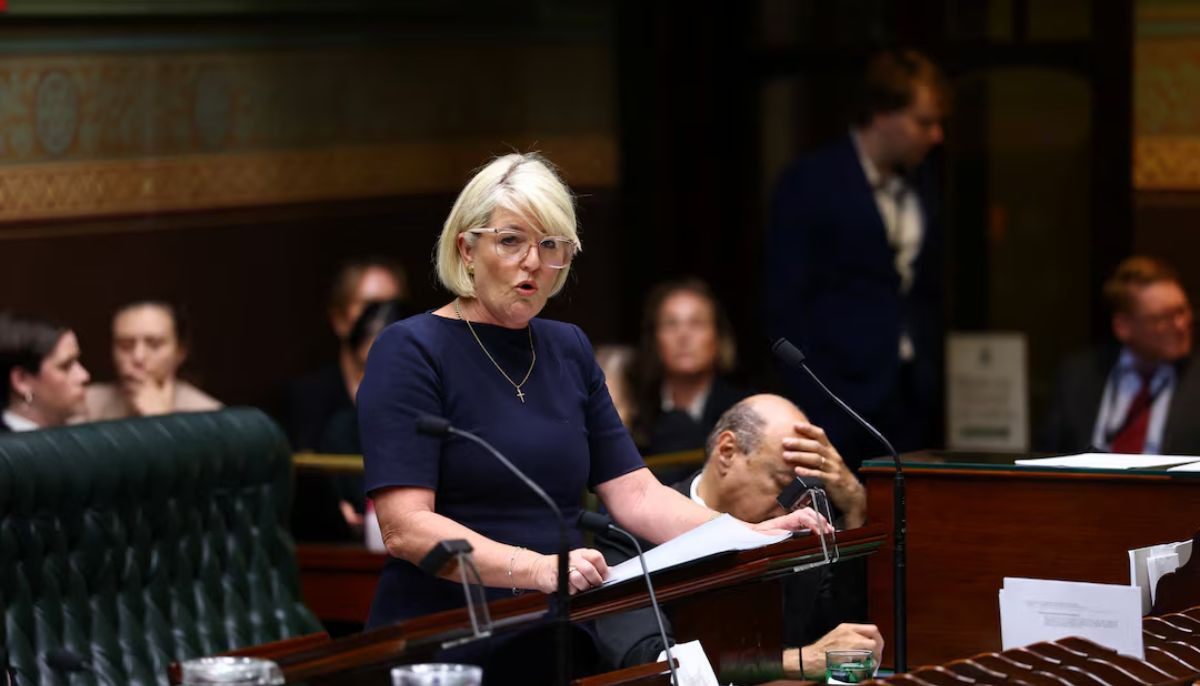
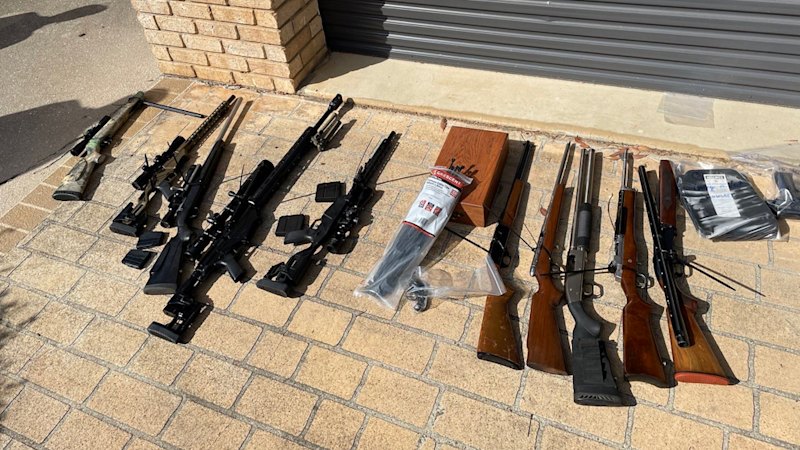
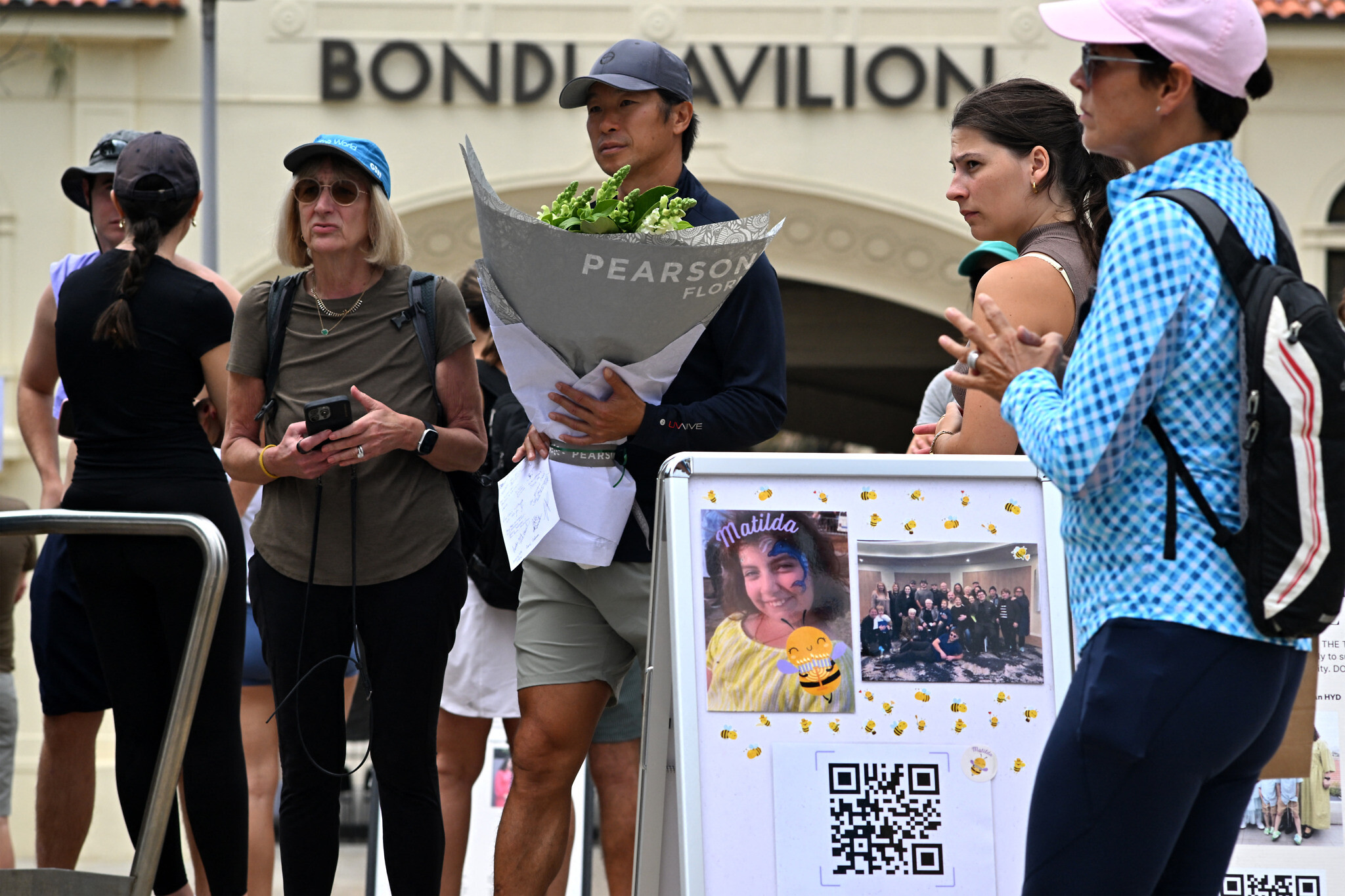
The recent legislative developments in New South Wales (NSW), Australia, represent a critical inflection point in the delicate balance between national security and democratic freedoms. Following the tragic Bondi Beach mass shooting, the Terrorism and Other Legislation Amendment Bill 2025 introduces unprecedented restrictions that fundamentally reshape the landscape of public assembly and political expression.
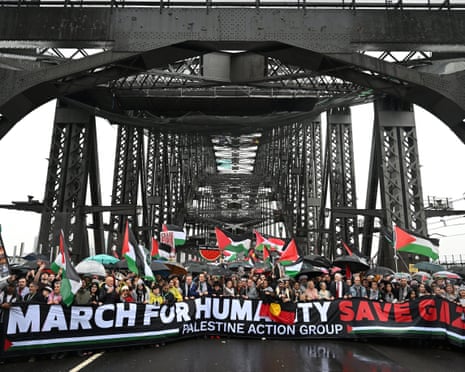
Regulatory Compression of Civil Liberties: The legislation's most striking feature is its expansive police powers to restrict public protests for up to three months after a terrorism declaration. This represents a systemic transformation of public space governance, effectively creating a legal mechanism that can preemptively silence political discourse. The laws specifically target demonstrations in solidarity with Palestinians, banning certain political speech and symbols, which signals a broader trend of using security legislation to manage complex geopolitical tensions.
Strategic Implications for Civic Engagement: The legal framework introduces a chilling effect on public protest that extends far beyond immediate security concerns. By empowering law enforcement to disperse gatherings that "potentially cause fear or obstruct traffic," the legislation creates a subjective standard that could be broadly interpreted. The fact that three advocacy groups—Palestine Action Group Sydney, Blak Caucus, and Jews Against the Occupation 48—have already announced plans for a constitutional challenge underscores the profound legal and philosophical tensions embedded in these new regulations.
The broader context is equally significant. Australia's recent recognition of Palestinian statehood at the UN, combined with these restrictive laws, reveals a complex diplomatic and domestic policy landscape. The legislation emerges not just as a response to a specific security incident, but as a strategic recalibration of how political dissent and public assembly are conceptualized in a post-terror threat environment.
Critically, this represents more than a local policy shift—it potentially sets a precedent for how democratic societies might incrementally restrict civil liberties under the guise of security protection. The laws demonstrate how quickly established democratic norms can be compressed when confronted with perceived existential threats.
Questions 3
What are the potential long-term constitutional implications?
The laws are likely to face significant constitutional challenges, as they appear to fundamentally restrict constitutionally protected rights of free assembly and political expression. The fact that multiple advocacy groups are already preparing legal challenges suggests these regulations may be tested in high-profile court cases.
How might these laws impact future political demonstrations in Australia?
These laws create a significant chilling effect on public protest, potentially deterring citizens from organizing demonstrations by introducing substantial legal risks. The subjective standards for restricting gatherings mean that advocacy groups must now navigate much more complex legal terrain when planning public events.