


Strategic Territorial Shifts Reshape Eastern Ukraine's Geopolitical Landscape
- Escalating Conflict Triggers Massive Supply Chain and Market Risk Recalibration for International Businesses



)

Overview
The capture of Siversk represents a pivotal moment in the ongoing Russo-Ukrainian conflict, signaling profound implications for regional stability and international market dynamics. With Russian forces seizing this strategic town after intense military pressure, the geopolitical chessboard in Eastern Ukraine is experiencing a critical transformation that extends far beyond military territorial gains.
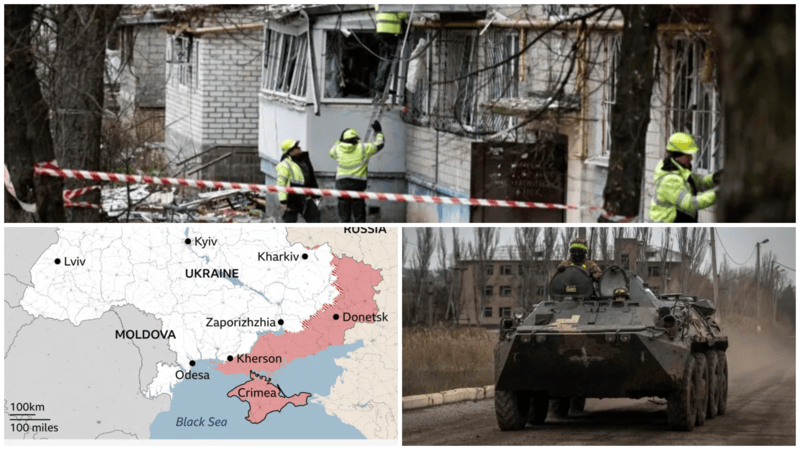
Territorial Control as Economic Disruption: The town's capture is more than a military milestone—it's a strategic inflection point with cascading consequences for cross-border commerce. Russia now controls approximately 19% of Ukrainian territory, creating unprecedented logistical challenges for businesses operating in the region. Supply chain resilience has become the new critical metric for companies with Eastern European market exposure.
Market Risk Recalibration: For international sellers and logistics providers, this development demands immediate strategic reassessment. The conflict has transformed from a geopolitical event to a systemic market disruption mechanism. Cross-border e-commerce sellers face exponentially increased risks, including:
- Dramatically elevated logistics costs
- Unpredictable supply route vulnerabilities
- Heightened compliance and risk management requirements
- Potential complete market access restrictions
The strategic implications extend beyond immediate territorial gains. By applying constant small-unit assault pressure and demonstrating significant manpower advantages, Russian forces are fundamentally reshaping the regional economic ecosystem. The strategic withdrawal of Ukrainian troops from Siversk—preserving soldier lives and combat capabilities—reveals a nuanced defensive strategy that recognizes the complex interplay between military tactics and broader geopolitical constraints.
For businesses, this represents a critical moment of strategic recalibration. The traditional risk management playbooks are becoming obsolete, replaced by dynamic, scenario-based contingency planning that must account for rapid, unpredictable geopolitical shifts.
Questions 3
What are the immediate risks for cross-border e-commerce sellers?
Sellers face elevated logistics costs, unpredictable supply routes, potential market access restrictions, and increased compliance requirements. The conflict creates a high-volatility environment demanding continuous strategic reassessment.
How does the capture of Siversk impact international business operations?
The town's capture significantly increases logistics risks and supply chain complexity for businesses in Eastern Europe. Companies must now develop more robust contingency plans, potentially including alternative routing, increased insurance, and dynamic risk assessment strategies.