


US Health Diplomacy Reshapes African Market Access and E-Commerce Opportunities
- Strategic health investments create unprecedented cross-border market entry points for medical technology providers




















Overview
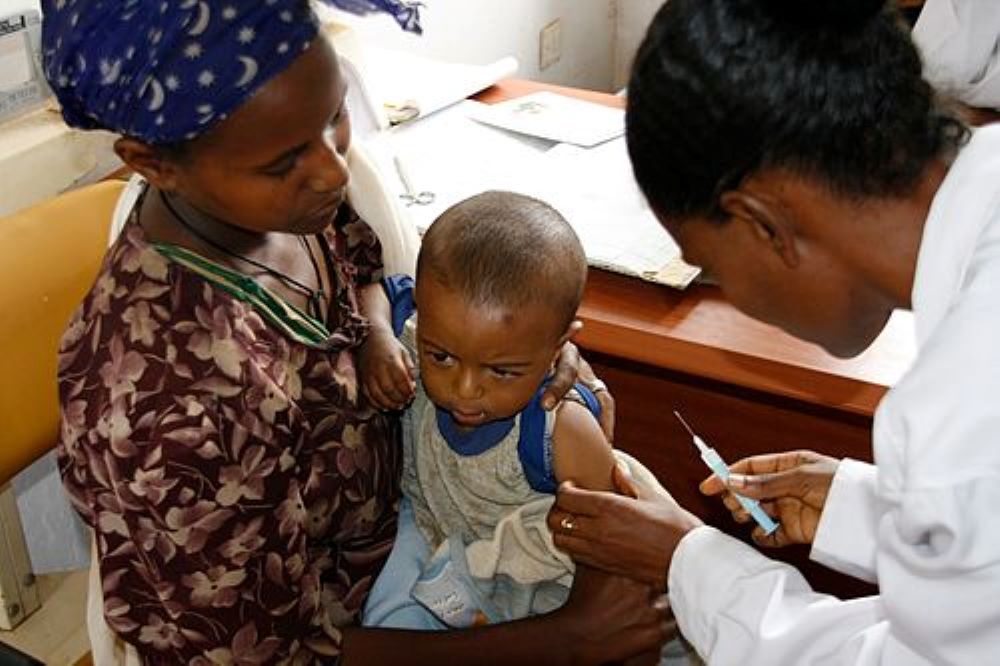
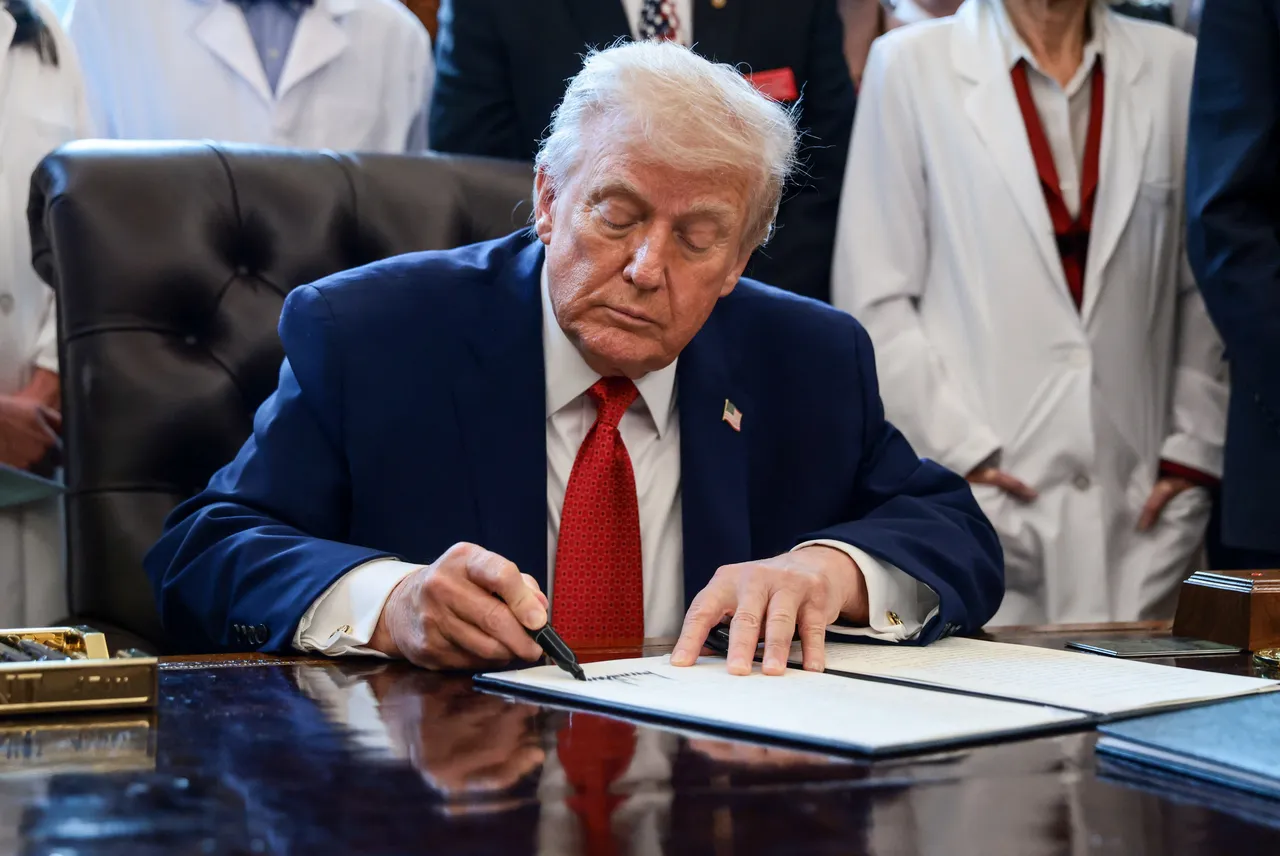
The United States is executing a sophisticated global health strategy that transcends traditional aid models, strategically positioning itself to reshape market dynamics across African nations. By deploying performance-driven health investments totaling $2.3 billion across multiple countries, the U.S. is creating a new paradigm of international cooperation that simultaneously addresses humanitarian needs and opens unprecedented cross-border market opportunities.
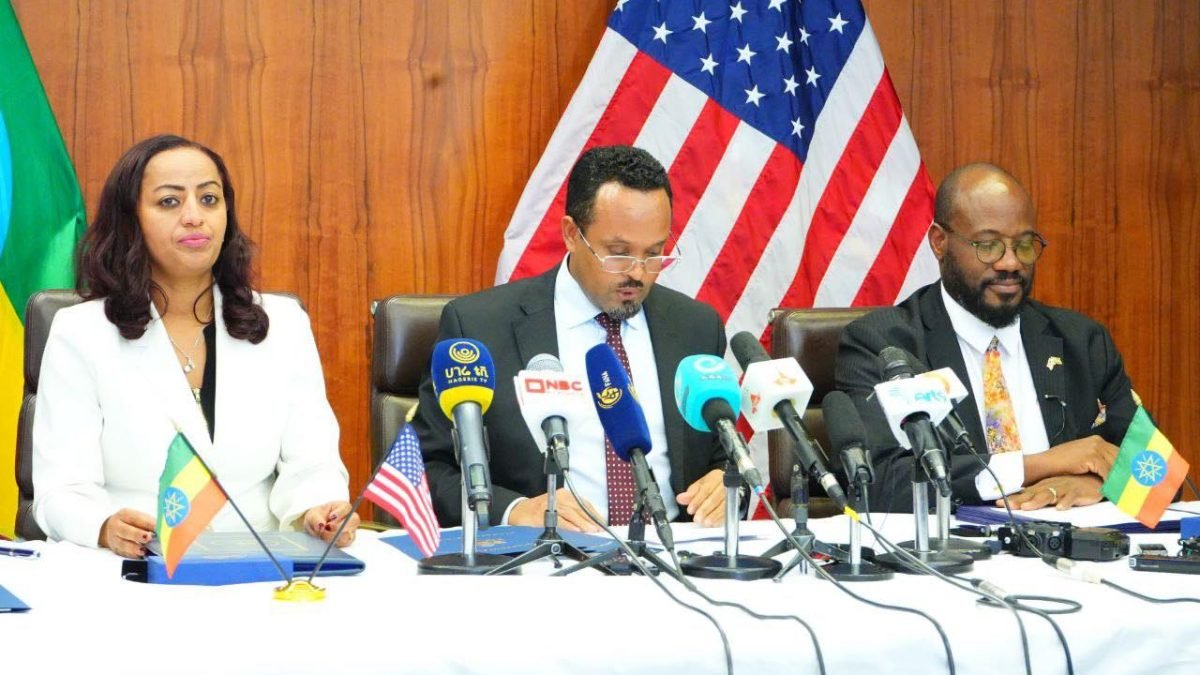
The agreements with countries like Ethiopia, Madagascar, Sierra Leone, and Botswana represent more than humanitarian assistance—they are calculated geopolitical instruments designed to establish long-term market access. Each memorandum of understanding (MOU) includes innovative features like co-investment requirements and strict performance benchmarks, signaling a shift from dependency-based aid to collaborative development models.
Strategic Market Implications emerge clearly from these investments. For cross-border e-commerce sellers, these health agreements create indirect yet significant market entry pathways. Medical equipment suppliers, telemedicine technology providers, and specialized logistics companies now have structured frameworks to engage with emerging African healthcare ecosystems. The $1.6 billion Ethiopia-specific framework, for instance, explicitly signals openness to innovative healthcare solutions, particularly in disease management, maternal health, and pandemic preparedness.
The competitive landscape is fundamentally transforming. By requiring recipient countries to co-invest approximately $900 million, the U.S. is incentivizing local market development and creating more transparent, accountable investment environments. This approach not only mitigates traditional aid risks but also generates predictable market entry points for technology and service providers willing to align with these strategic health objectives.
Critically, these agreements represent a long-term market strategy extending through 2030, providing sellers with a stable, government-backed framework for international expansion. The emphasis on technology transfer, infrastructure development, and targeted health interventions creates a comprehensive ecosystem ripe for innovative cross-border commerce solutions.
Questions 3
What specific market opportunities are emerging from these US-African health agreements?
Cross-border e-commerce sellers in medical equipment, telemedicine technologies, and specialized healthcare logistics can find opportunities. The agreements create structured frameworks for market entry, particularly in medical device importation, digital health platforms, and infrastructure development solutions.
Which African countries are most attractive for healthcare technology sellers?
Ethiopia, Madagascar, Sierra Leone, and Botswana emerge as primary targets, with Ethiopia's $1.6 billion framework being particularly promising. These countries demonstrate openness to innovative healthcare solutions and have committed to significant domestic health financing.