

/hospibuz/media/media_files/2025/12/22/unnamed-22-2025-12-22-12-22-20.jpg)


Caribbean Tourism Rebounds: Resilience and Recovery in the Face of Hurricane Melissa
- Transformative crisis management reshaping tourism infrastructure and economic strategy
















Overview
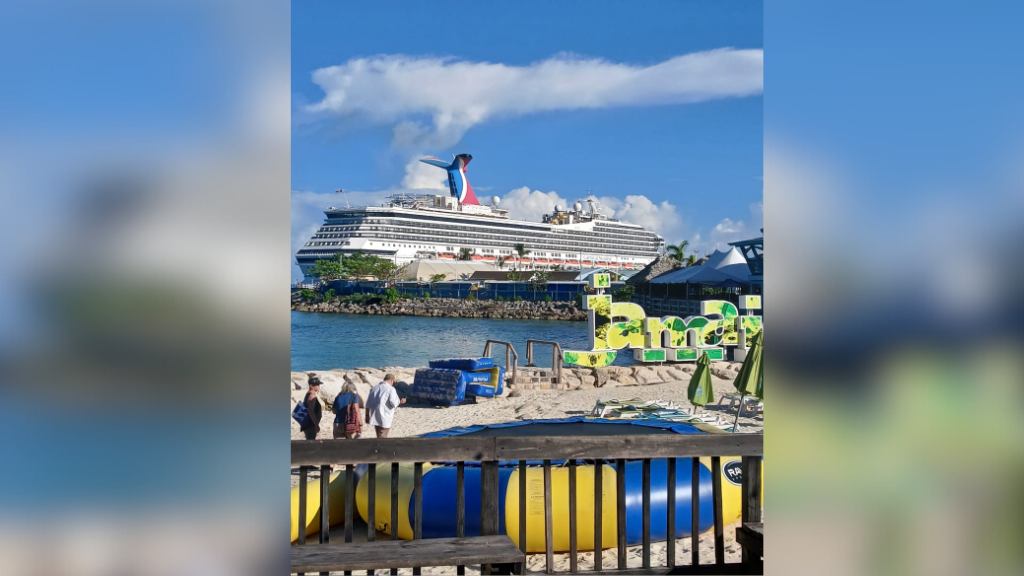
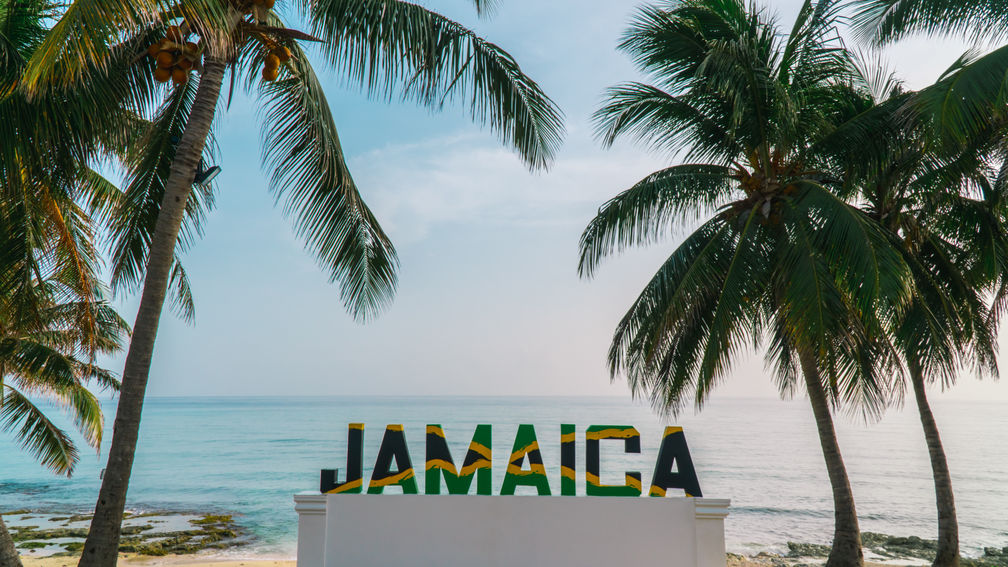
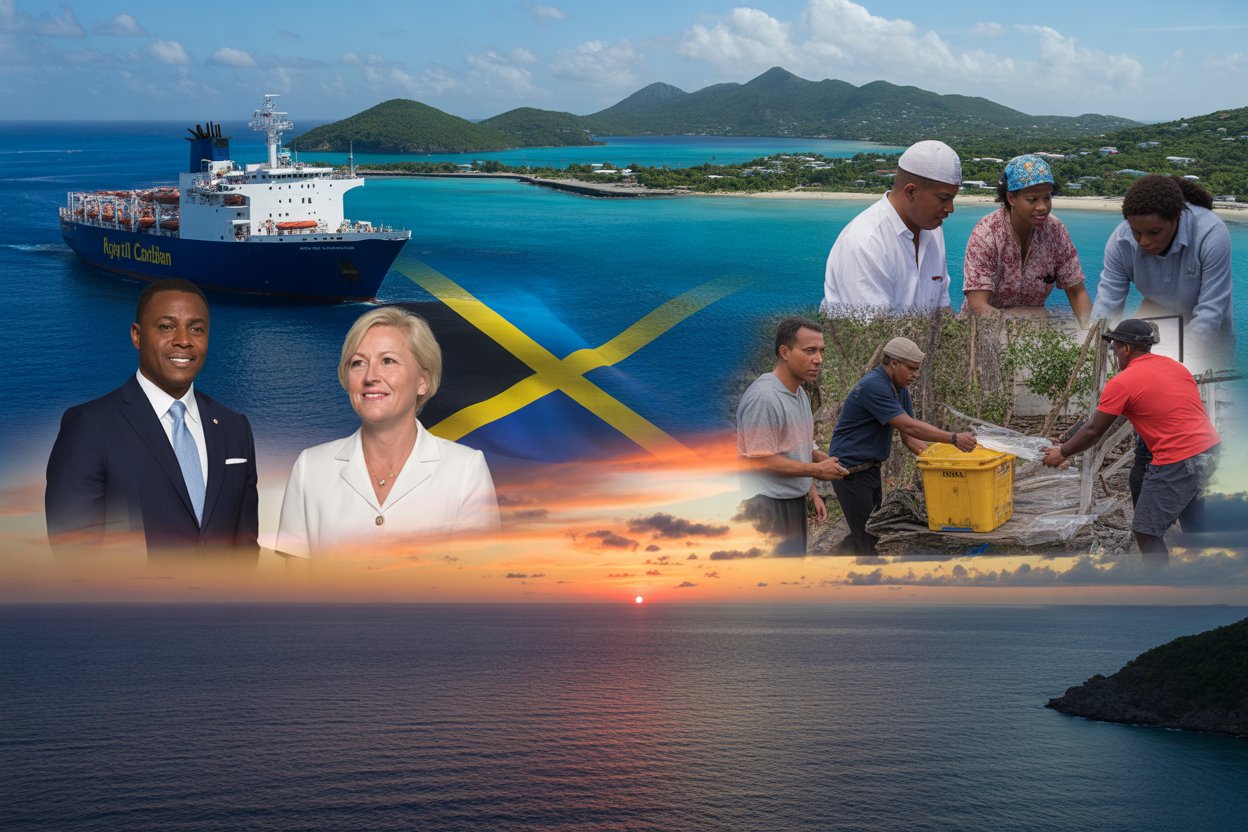
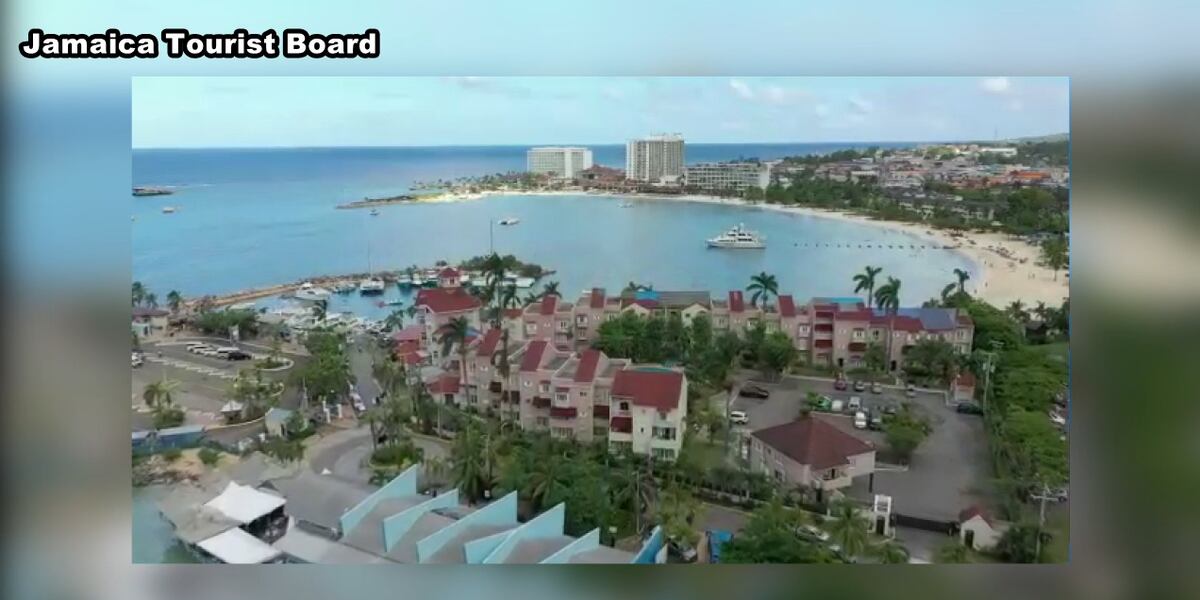
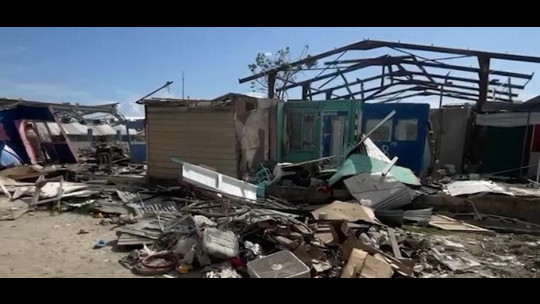
The Caribbean tourism sector has demonstrated extraordinary resilience in the aftermath of Hurricane Melissa, transforming a potential economic catastrophe into a strategic opportunity for systemic reinvention. Within just one week of the hurricane's impact, Jamaica's tourism ecosystem executed a remarkable recovery strategy that goes far beyond traditional disaster response.
Strategic Crisis Management emerges as the cornerstone of this remarkable turnaround. The Tourism Ministry, led by Minister Edmund Bartlett, orchestrated a swift repatriation of 25,000 tourists, establishing a recovery task force within 24 hours of the hurricane's passage. This rapid response wasn't just about moving people, but about sending a powerful message of organizational capability and regional resilience.
The economic recovery trajectory is equally impressive. Despite the hurricane's disruption, Jamaica recorded 70,000 visitor arrivals in the first seven days of the winter season, generating US$331.2 million in earnings. The Tourism Housing Assistance Recovery Programme (THARP) represents a holistic approach, allocating over 2 billion to support industry workers whose homes were damaged—a strategy that goes beyond traditional economic recovery by directly supporting the human infrastructure of tourism.
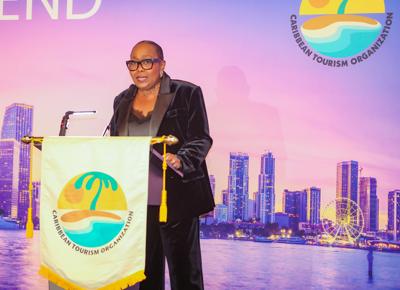
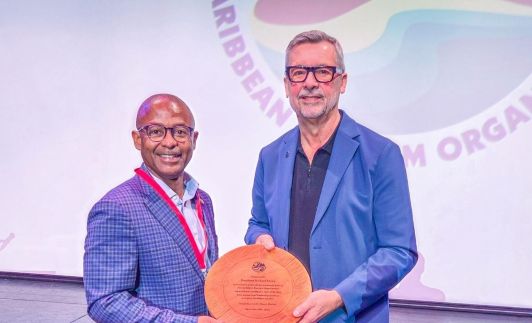
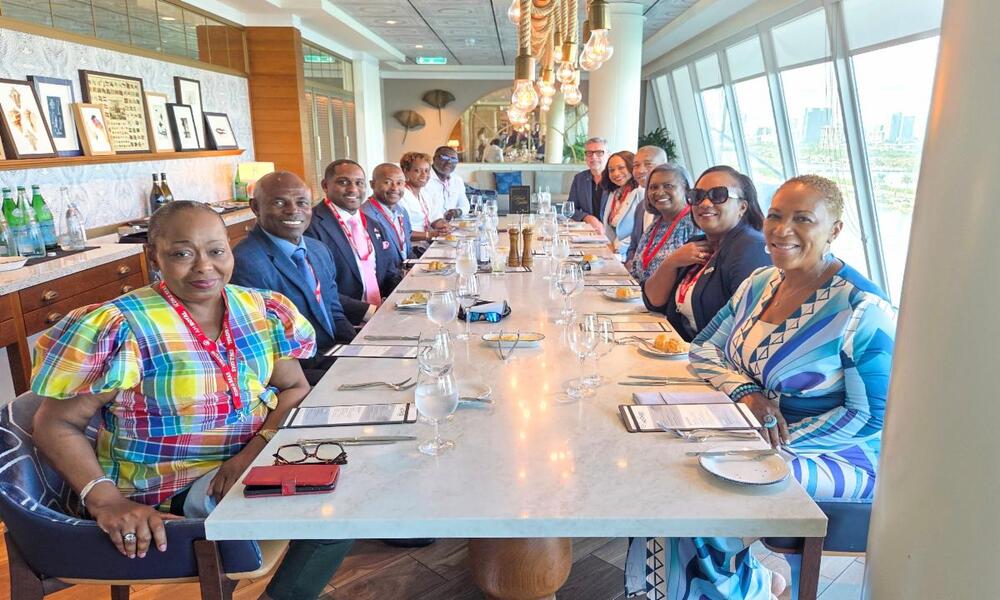
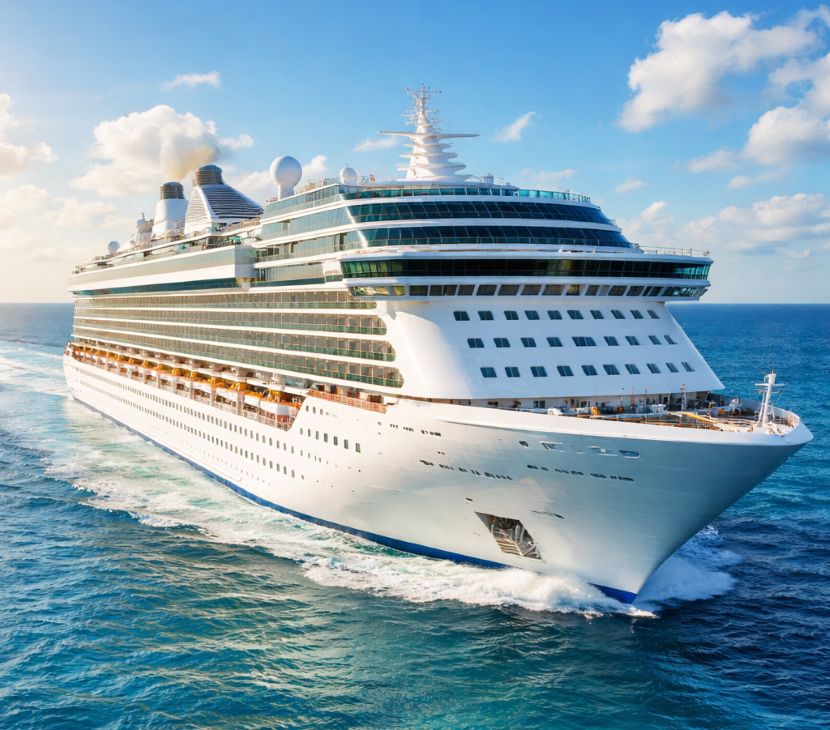
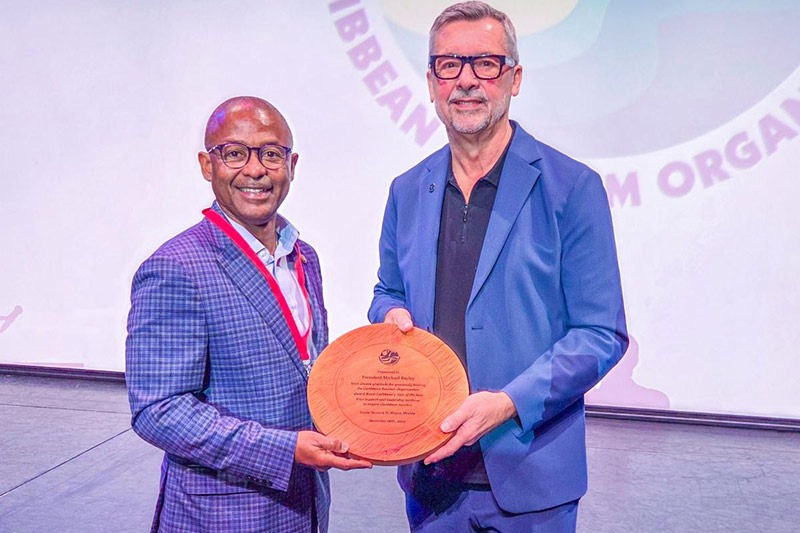
The Caribbean Tourism Organization's summit aboard Royal Caribbean's Icon of the Seas further underscores this transformative approach. By bringing together tourism ministers, directors, and industry executives, the region is not just recovering but reimagining its tourism ecosystem. The focus has shifted from mere restoration to building climate-resilient tourism infrastructure that can withstand and quickly adapt to extreme weather events.
For cross-border e-commerce and logistics providers, this represents a significant opportunity. The Caribbean is signaling increased investments in disaster recovery supply chains, logistics infrastructure, and adaptive strategies. Businesses that can offer flexible, rapid-response solutions in transportation, accommodation technologies, and emergency support services will find a receptive market eager to build more robust systems.
The broader implication is profound: the Caribbean is transforming a potential crisis into a strategic reset, positioning itself as a global leader in adaptive, resilient tourism development. This is not just about recovering from a hurricane, but about reimagining an entire economic ecosystem's approach to uncertainty.
Questions 3
What makes the Caribbean's approach to tourism recovery unique?
The Caribbean is not just restoring previous systems but reimagining its entire tourism infrastructure. By focusing on holistic recovery that includes worker support, climate resilience, and strategic collaboration, the region is positioning itself as a global leader in adaptive tourism development.
What opportunities exist for businesses in the Caribbean tourism sector post-hurricane?
Businesses can find opportunities in disaster recovery supply chains, climate-resilient infrastructure development, travel support services, accommodation technologies, and digital tourism solutions. The region is actively seeking innovative approaches to build more adaptive and responsive tourism ecosystems.