


Trump's Trade War Reshapes European Economic Sovereignty
- Geopolitical Realignment Triggers Unprecedented Market Disruption for Cross-Border Sellers




Overview
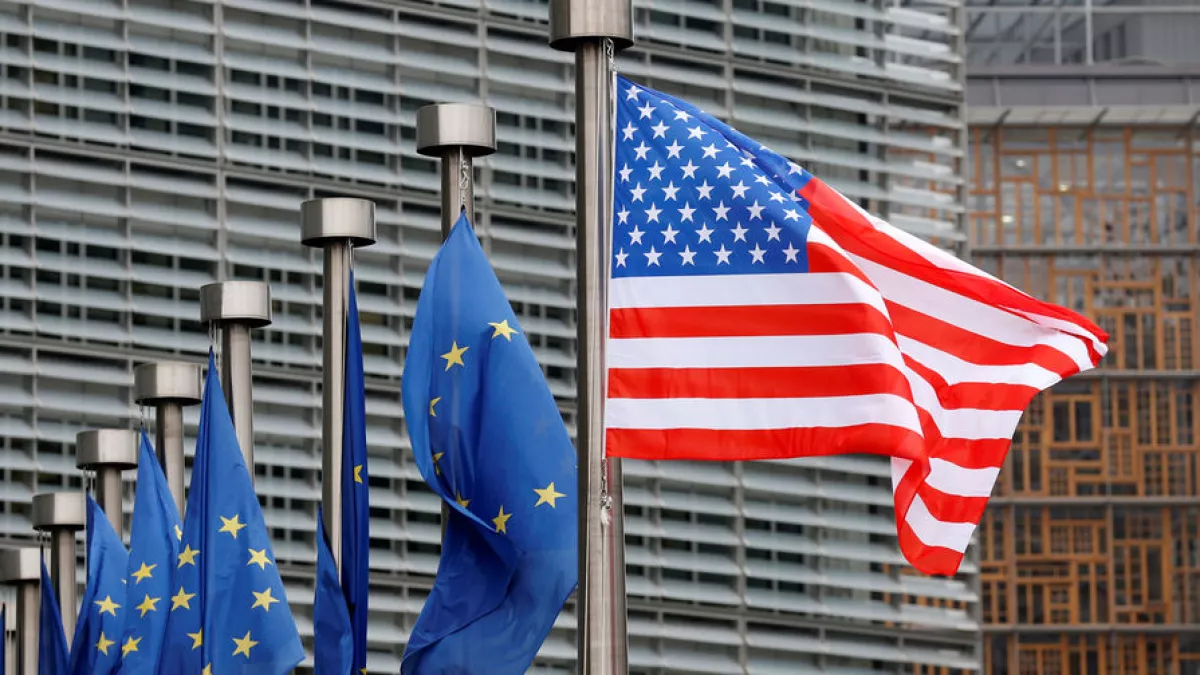
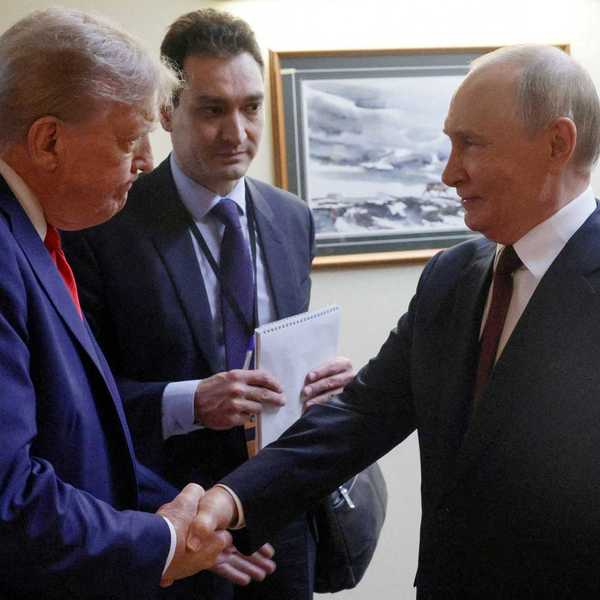
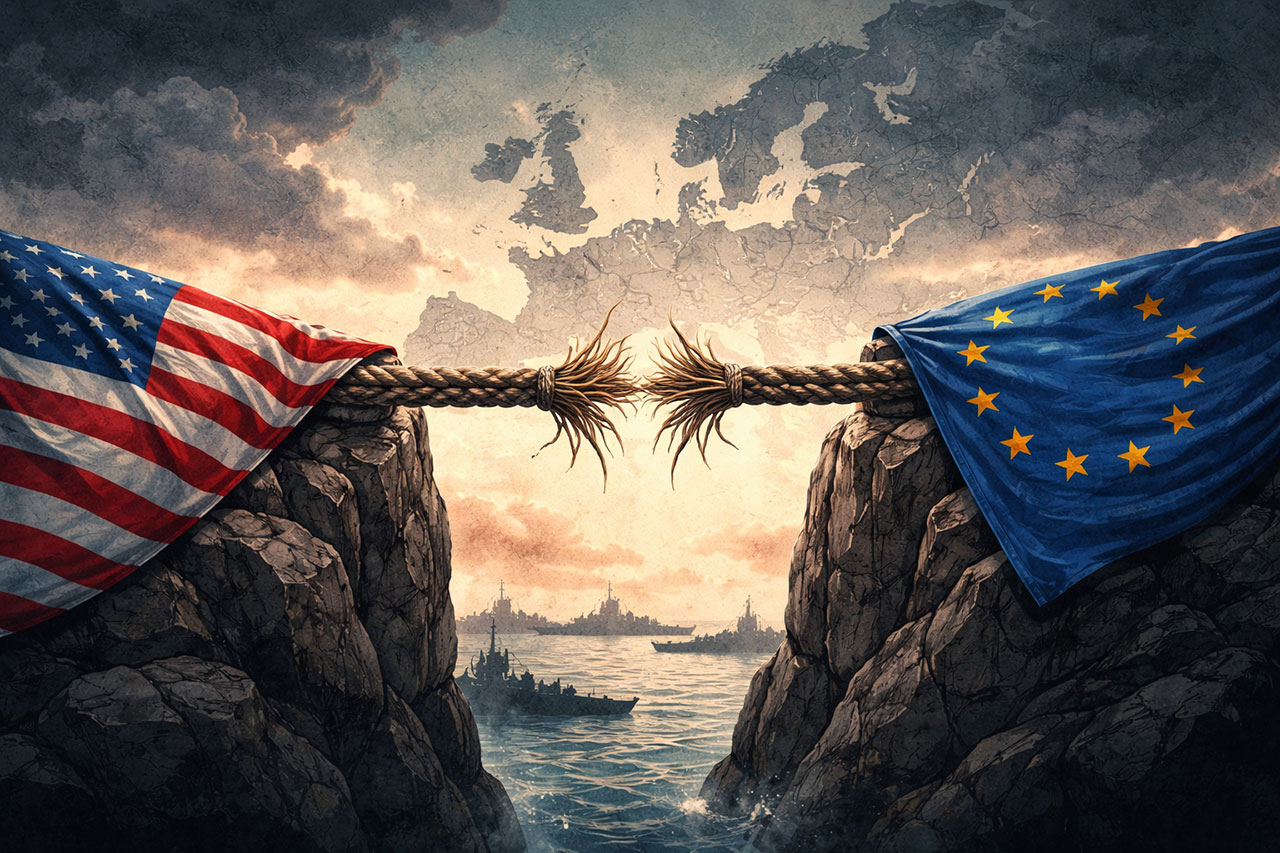
The emerging landscape of transatlantic trade relations represents a seismic shift in global economic diplomacy, with profound implications for international commerce. In 2024-2025, President Trump's aggressive approach has fundamentally restructured the US-European economic partnership, transforming what was once a stable alliance into a highly volatile, transactional relationship.
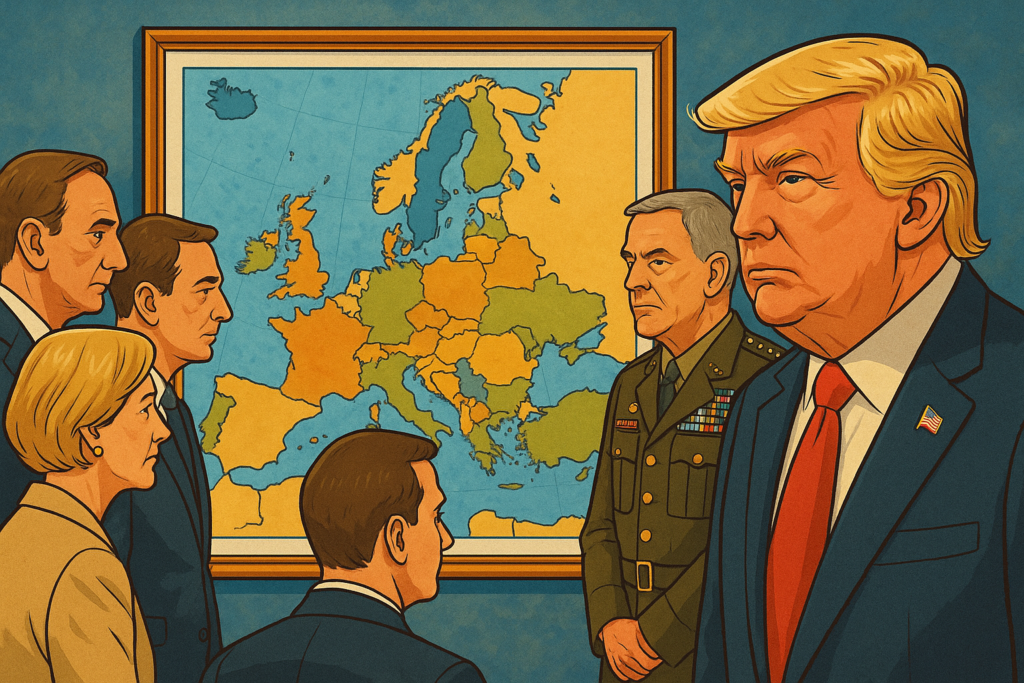
Strategic Tariff Weaponization emerges as the core mechanism of economic pressure. Trump's administration imposed unprecedented trade barriers, including a 15% trade tariff on the EU and threats of 20% reciprocal tariffs, effectively weaponizing economic policy as a geopolitical tool. These actions go beyond traditional trade negotiations, signaling a new era of economic statecraft where tariffs become instruments of broader political strategy.
The European response reveals critical vulnerabilities. Despite initial resistance, the EU struggled to present a unified counterargument, with internal disagreements among its 27 member countries significantly undermining its negotiating position. Trade Commissioner Ursula von der Leyen's diplomatic maneuvers—exploring alternative partnerships like the CPTPP and proposing a potential 'world trade club' without US involvement—underscore the bloc's urgent need to diversify economic relationships.
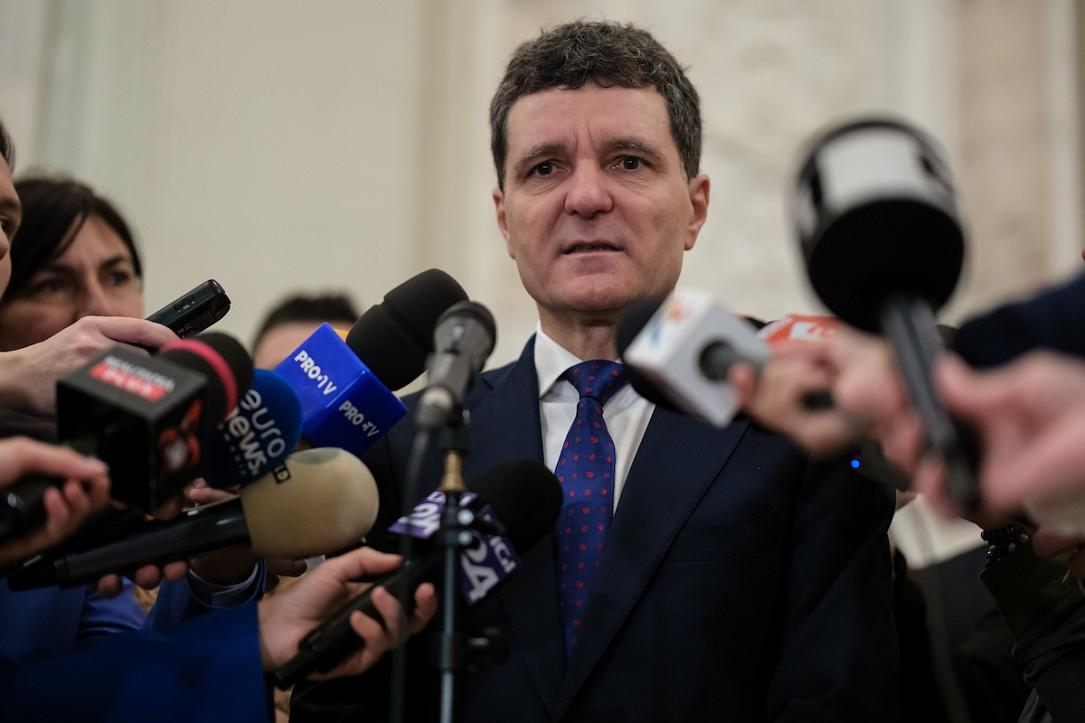
For cross-border e-commerce sellers, this landscape demands radical strategic adaptation. Operational risks now include dramatically increased tariff costs, potentially disrupted supply chains, and the imperative to rapidly diversify market approaches. Romanian President Nicușor Dan's candid assessment that "economics beat morals" captures the new pragmatic reality: sellers must view geopolitical tensions as direct business challenges requiring immediate, flexible responses.
The broader implications extend far beyond immediate trade metrics. This represents a fundamental restructuring of post-World War II economic diplomacy, with transactional pragmatism replacing long-standing multilateral cooperation. European leaders are being forced to recalibrate expectations, recognizing the need for greater self-reliance and independent strategic planning in an increasingly unpredictable global environment.
Questions 3
What should businesses do to prepare for this new economic landscape?
Businesses should conduct comprehensive risk assessments, develop flexible supply chain strategies, explore alternative market entry points, and build scenario-based contingency plans that account for rapid geopolitical and trade policy shifts.
What are the long-term strategic implications of these trade conflicts?
The conflicts signal a shift from multilateral cooperation to transactional economic relationships. European leaders are being compelled to develop more independent economic strategies, potentially accelerating the formation of alternative trade partnerships and reducing dependence on US-centric economic models.