




India's Trade Diplomacy Reshapes Global Economic Corridors
- Strategic trade agreements unlock new market opportunities for Indian businesses and exporters












)
Overview
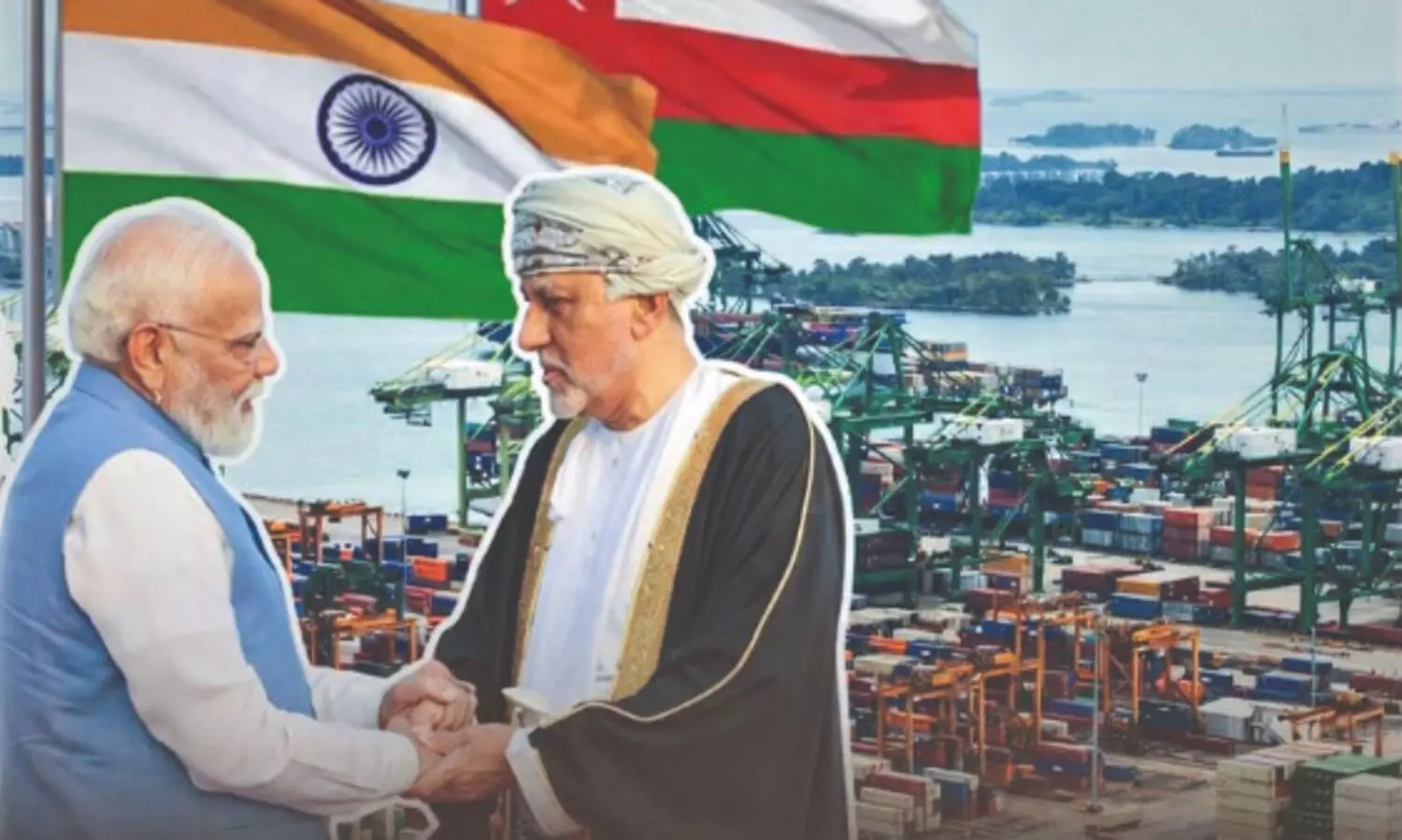
India's international trade strategy is undergoing a transformative recalibration, leveraging a series of strategic trade agreements to reposition itself in the global economic landscape. The country's recent flurry of free trade agreements (FTAs) with New Zealand, Oman, the UK, and others represents a sophisticated approach to market diversification and economic diplomacy.
Trade dynamics reveal a nuanced strategic landscape. While India maintains trade surpluses with certain regions like Mauritius and SAFTA, it faces significant deficits with major economic blocs including ASEAN, South Korea, Japan, and the UAE. This complex trade matrix isn't a weakness but a calculated positioning strategy. The evolving trade gaps—with Australia showing a narrowing deficit and the UAE experiencing a widening imbalance—demonstrate India's adaptive economic maneuvering.
For cross-border e-commerce sellers, these agreements unlock unprecedented opportunities. The emerging export landscape highlights strategic product diversification, with niche categories like pomegranate arils, furniture, sports goods, and specialty flowers finding new market access. The India-Sri Lanka FTA serves as a compelling proof point, generating 17% export growth through industrial shipments and consumer goods.
The strategic implications extend far beyond immediate trade volumes. These agreements represent a proactive geopolitical repositioning, creating new digital and physical commerce corridors across diverse international markets. By strategically negotiating these trade pacts, India is not just expanding market access but fundamentally reshaping its global economic narrative.
The underlying logic is clear: India is transforming from a passive trade participant to an active architect of international economic networks. This approach allows for targeted market penetration, leveraging unique product strengths and navigating complex global trade dynamics with increasing sophistication.
Questions 4
Which product categories are finding new opportunities through these trade agreements?
Niche products like pomegranate arils, furniture, sports goods, and specialty flowers are emerging as key export opportunities. The India-Sri Lanka FTA, for instance, demonstrated a 17% export growth driven by industrial shipments and consumer goods.
What makes India's recent trade agreements strategically significant?
These agreements represent a sophisticated approach to market diversification, allowing India to create new economic corridors, target specific product categories, and reposition itself in global trade networks. The strategy goes beyond traditional trade volumes to reshape economic relationships.