


Netanyahu's Crisis Management Unraveled: The Strategic Collapse of Accountability
- Explosive allegations expose critical leadership failures in national security crisis management












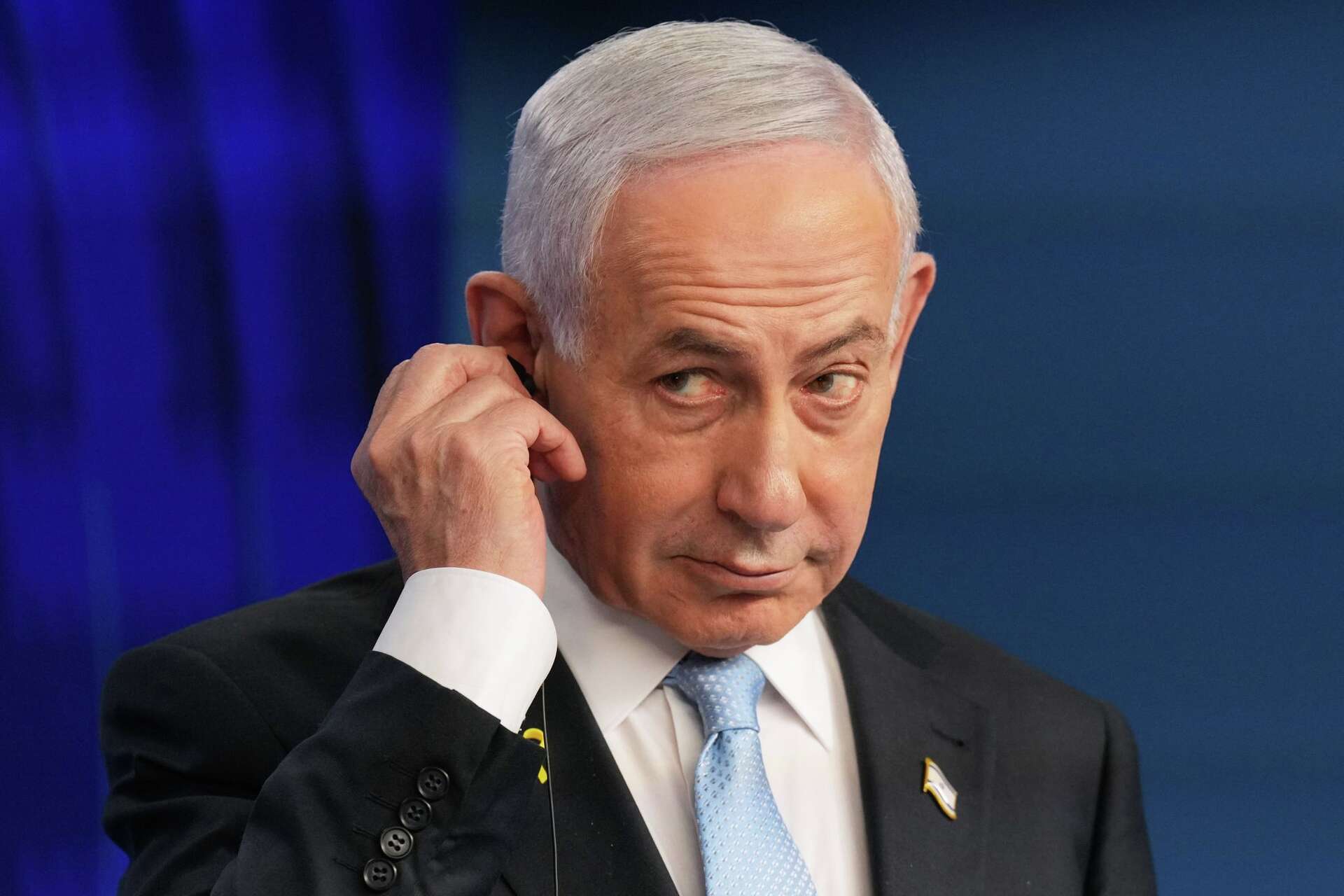














Overview
The revelation of strategic blame deflection by Israeli Prime Minister Benjamin Netanyahu represents a profound breakdown in governmental accountability and crisis leadership. According to testimony from former aide Eli Feldstein, Netanyahu's immediate response to the October 7 Hamas attack was not to address the national security failure, but to meticulously craft a media narrative that would shield him from institutional responsibility.
Systematic Perception Management emerges as the core strategy revealed in Feldstein's allegations. By instructing his aide to monitor news coverage and explicitly avoid using the word "responsibility" in official statements, Netanyahu demonstrated a calculated approach to managing political perception rather than confronting the substantive failures that led to the devastating attack. The scale is staggering: 1,200 Israelis killed, 251 hostages taken, and a subsequent two-year war resulting in nearly 71,000 Palestinian deaths—all while leadership focused on messaging rather than meaningful accountability.
The deeper implications extend far beyond individual political maneuvering. This reveals a systemic vulnerability in crisis governance, where political self-preservation takes precedence over genuine national security assessment and improvement. The allegations suggest a leadership model that prioritizes narrative control over transparent investigation, potentially undermining Israel's long-term strategic resilience. By attempting to deflect blame, Netanyahu may have inadvertently created a more significant crisis of institutional trust than the original national security failure.
The timing and context are particularly critical. These accusations emerge amid ongoing scrutiny of Netanyahu's leadership, suggesting a pattern of behavior rather than an isolated incident. For political institutions and international observers, this represents a critical case study in the dangers of prioritizing political image over substantive accountability and national security preparedness.
Questions 3
What specific strategies did Netanyahu use to avoid responsibility?
According to Feldstein's testimony, Netanyahu instructed his aide to monitor news coverage, develop messaging to offset criticism, and explicitly avoid using the word 'responsibility' in official statements. This represents a calculated approach to managing political perception rather than addressing the substantive national security failures.
What are the broader implications for Israeli governance?
These allegations reveal potential systemic vulnerabilities in Israeli crisis governance, suggesting a leadership model that prioritizes narrative control over transparent investigation. This could undermine institutional trust and raise questions about the effectiveness of national security decision-making processes.