



TSA Transforms Travel Security with Smart Compliance and Customer Experience Revolution
- Regulatory shifts create new compliance landscape for cross-border sellers and travelers

























Overview
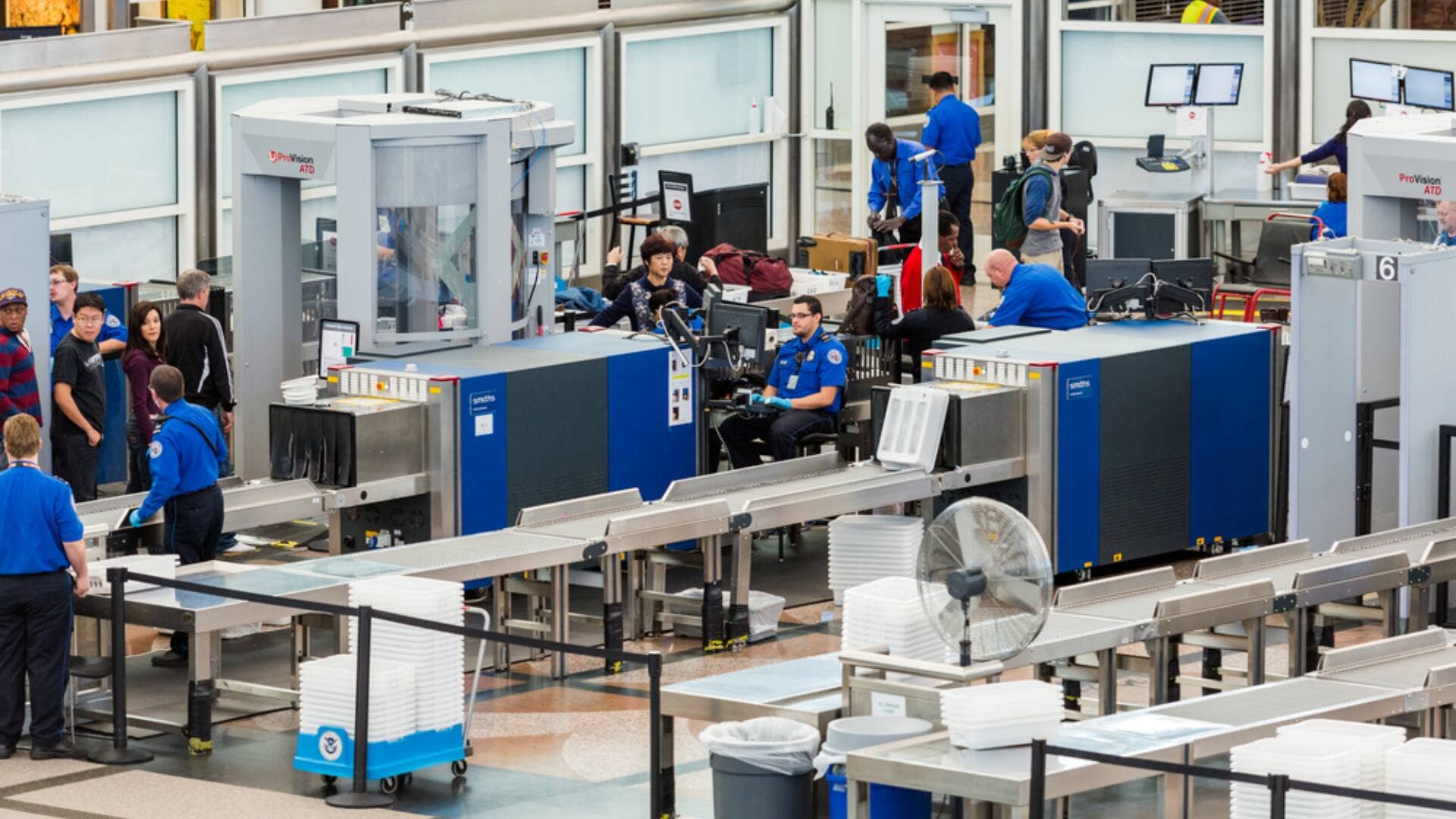
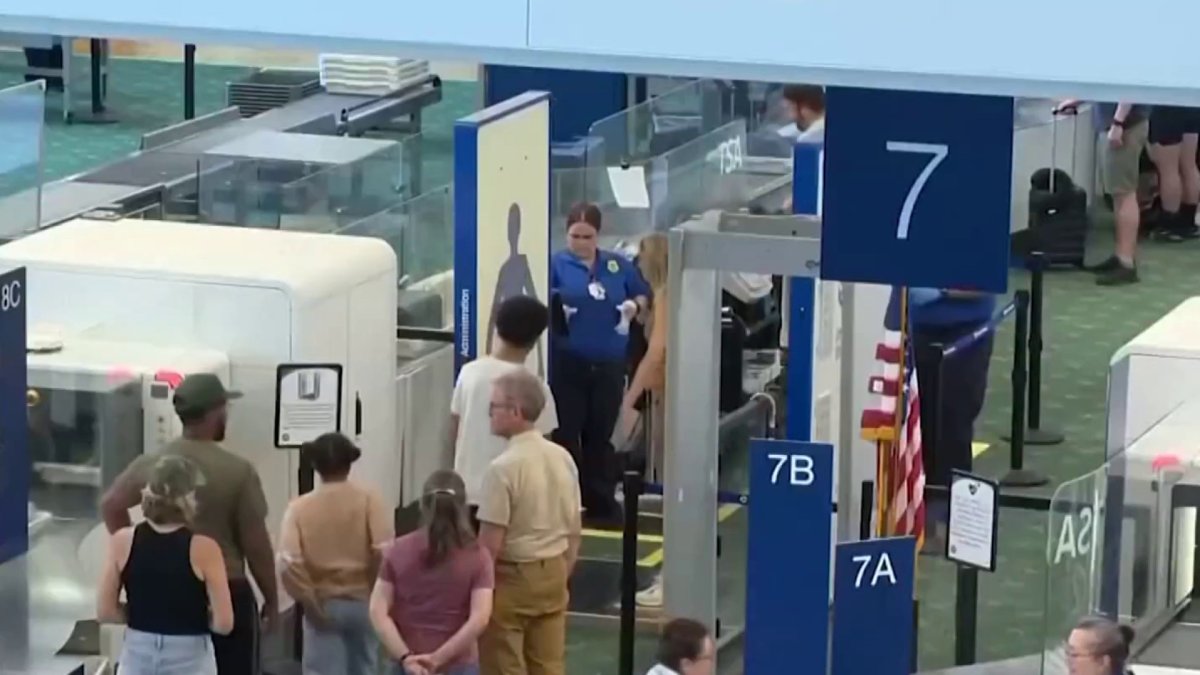
The Transportation Security Administration (TSA) is engineering a profound transformation in travel infrastructure that extends far beyond traditional security protocols. With a projected 44.3 million travelers during the holiday season, the agency is strategically reimagining passenger experience through intelligent regulatory design.
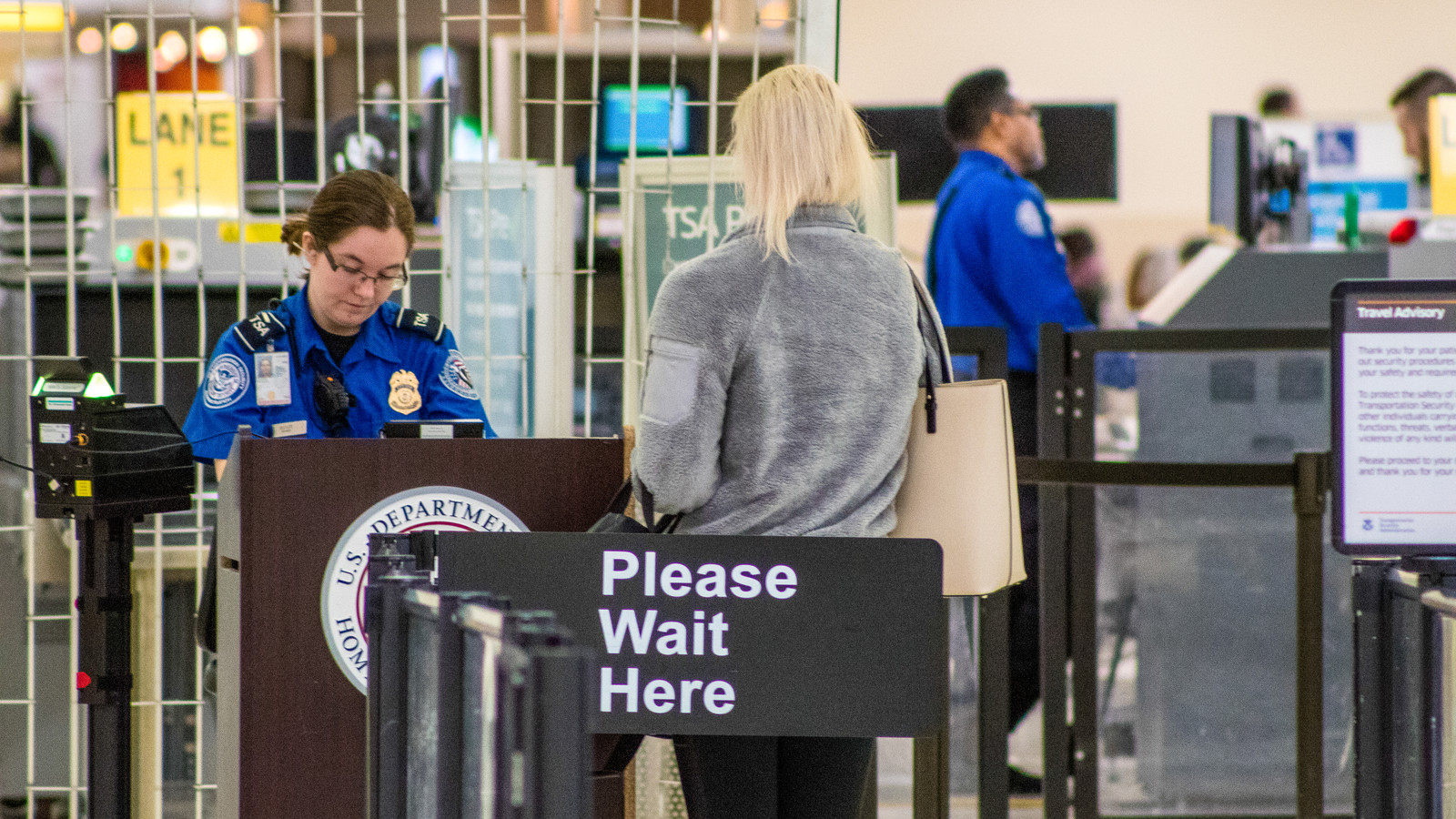
Compliance becomes a strategic differentiator in this new travel ecosystem. The full implementation of the REAL ID requirement introduces a critical inflection point for travelers and cross-border sellers. Starting February 1, 2026, passengers without acceptable identification will face a $45 alternative verification fee—a policy that fundamentally reshapes travel documentation strategies. This isn't merely a bureaucratic hurdle; it's a systematic approach to modernizing identity verification.
The TSA's innovations reveal a nuanced understanding of traveler friction points. By introducing family lanes, eliminating shoe removal requirements, and creating expedited screening for military personnel, the agency is transforming security from a pain point to a service experience. The TSA ConfirmID system and a buy-one-get-one PreCheck discount demonstrate a customer-centric regulatory approach that reduces complexity while maintaining rigorous standards.
Technological sensitivity reaches new heights with advanced screening technologies. Body scanners using millimeter wave imaging now detect clothing materials with unprecedented precision, creating unexpected compliance challenges. Travelers must now consider their wardrobe as part of their travel security strategy—metallic threads, sequins, and reflective materials can trigger additional screenings, turning fashion into a potential logistical obstacle.
For cross-border e-commerce sellers, these developments signal a critical pivot. The increased focus on digital identity verification and expedited screening processes demands a comprehensive reevaluation of shipping, logistics, and traveler support strategies. Companies that can seamlessly navigate these evolving regulatory landscapes will gain significant competitive advantages.
Questions 3
How are these TSA changes affecting cross-border e-commerce logistics?
The new regulations demand that cross-border sellers develop more sophisticated traveler support strategies. This includes providing clear guidance on documentation, understanding expedited screening processes, and potentially offering services that help customers navigate the increasingly complex travel compliance landscape.
What clothing considerations should travelers be aware of during security screening?
Travelers should avoid clothing with metallic threads, sequins, glitter, or reflective materials. These can trigger automatic alarms in millimeter wave body scanners, potentially leading to mandatory hand pat-downs and extended screening times. Opt for plain, non-reflective clothing to minimize security intervention.