




Bourbon's Breaking Point: Jim Beam's Strategic Pause Reveals Industry Transformation
- Bourbon market disruption signals critical adaptation for spirits producers and cross-border sellers










Overview
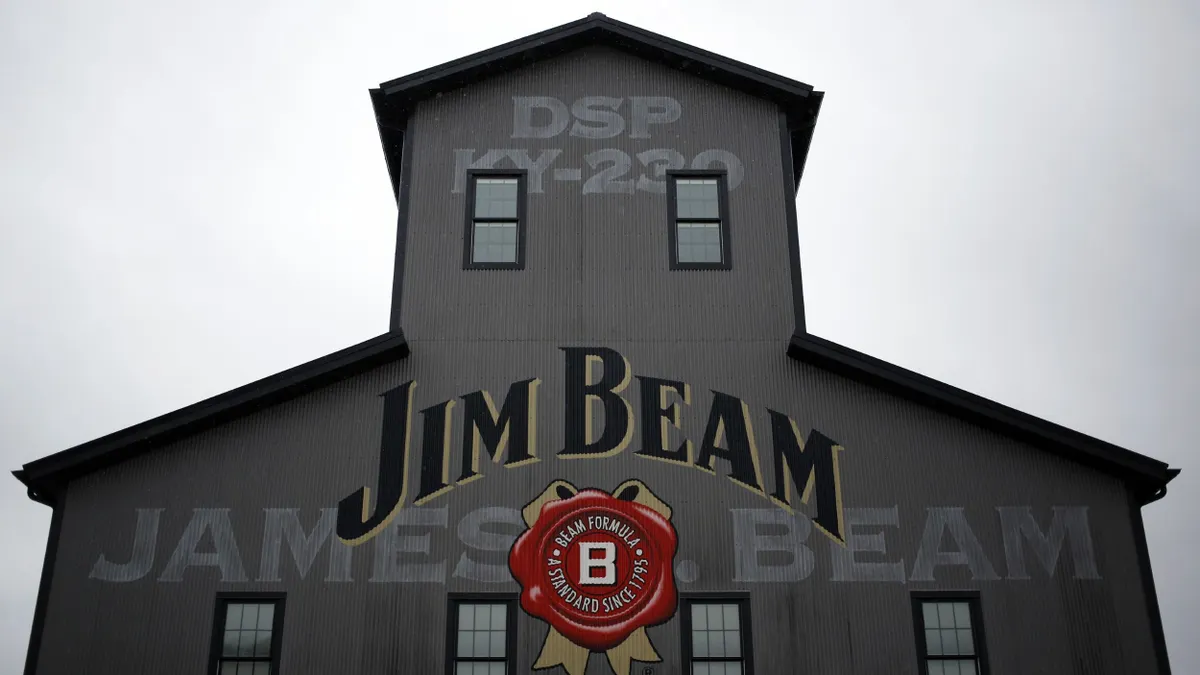
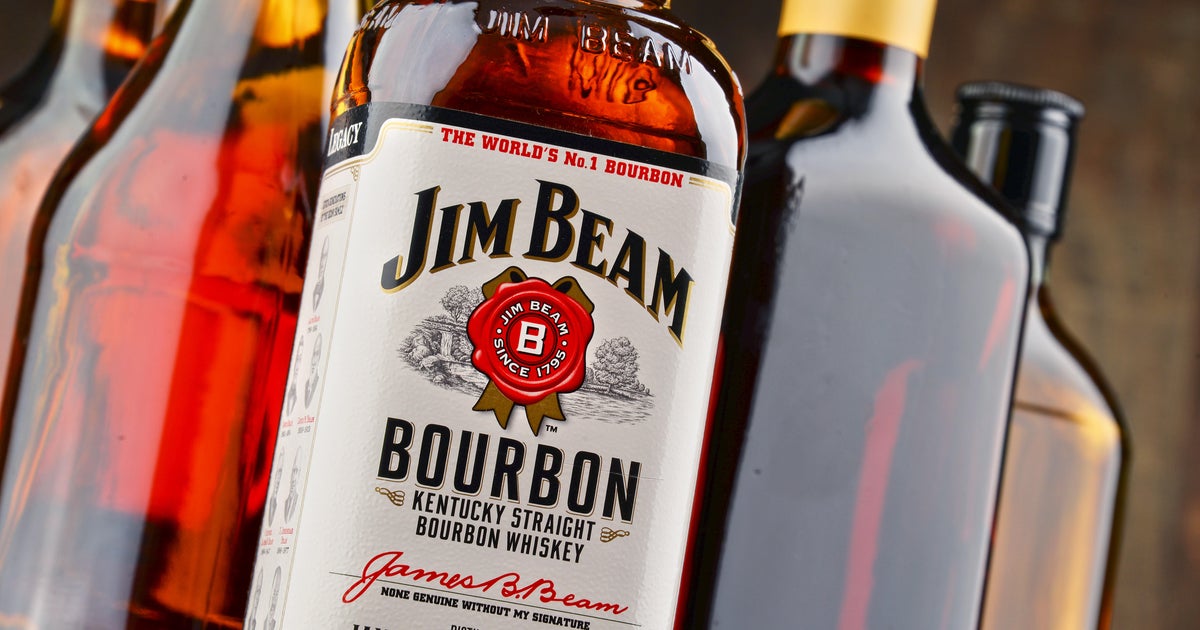
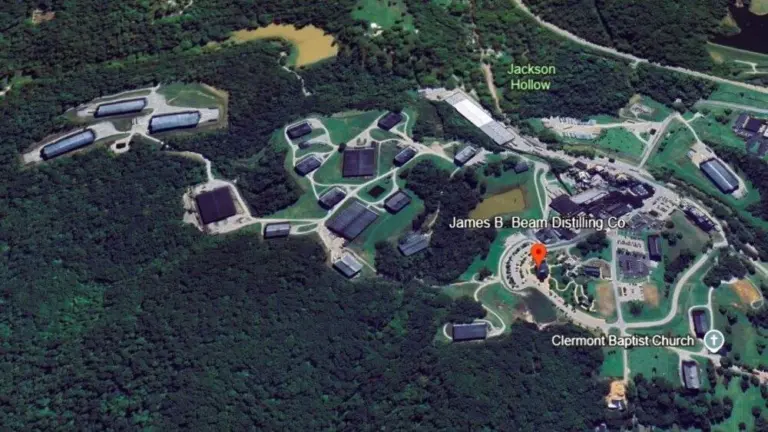
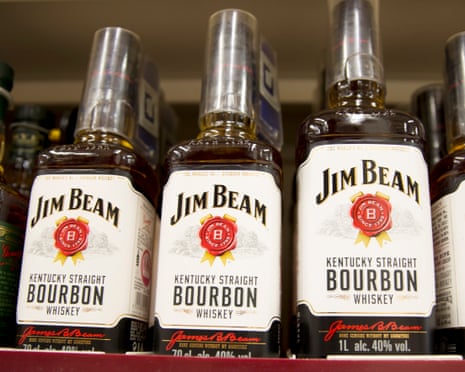
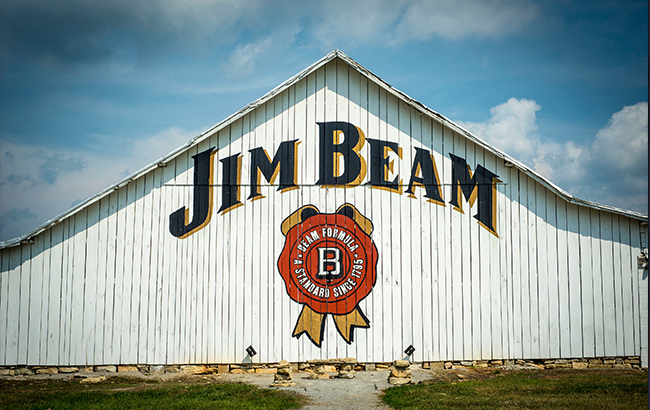
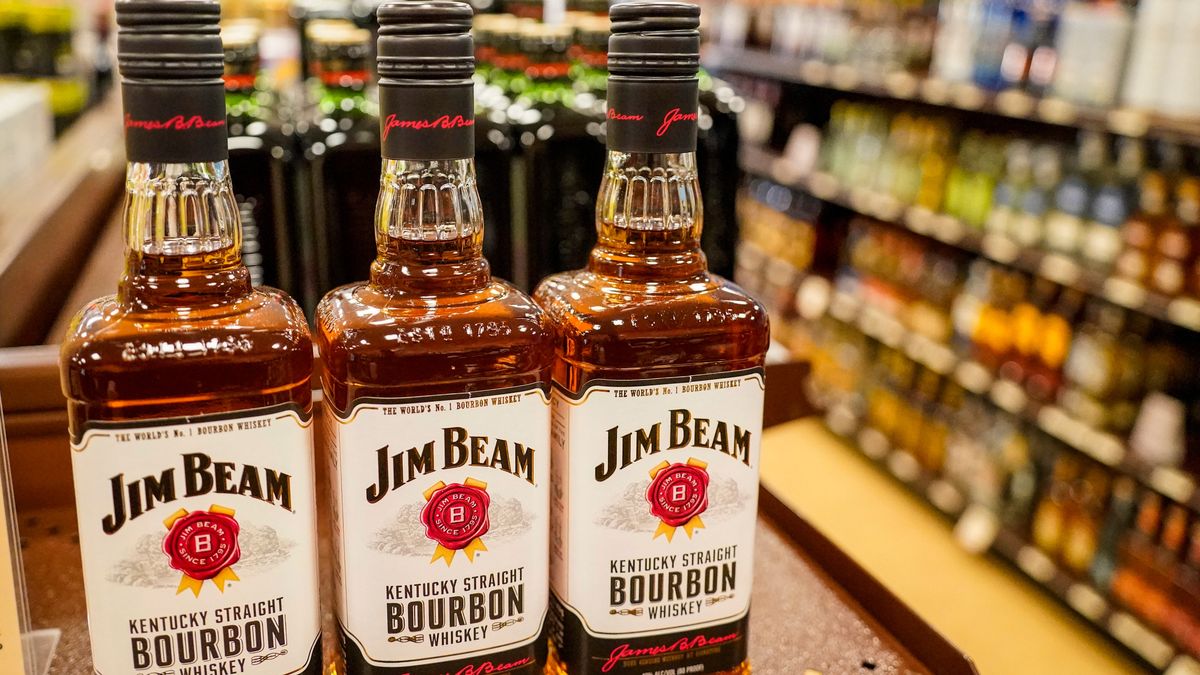
The bourbon industry stands at a critical inflection point, with Jim Beam's unprecedented production pause revealing deeper structural challenges that extend far beyond a single distillery's operations. By halting production at its flagship Clermont facility for the entire year of 2026, the company is signaling a profound strategic recalibration in response to complex market dynamics.
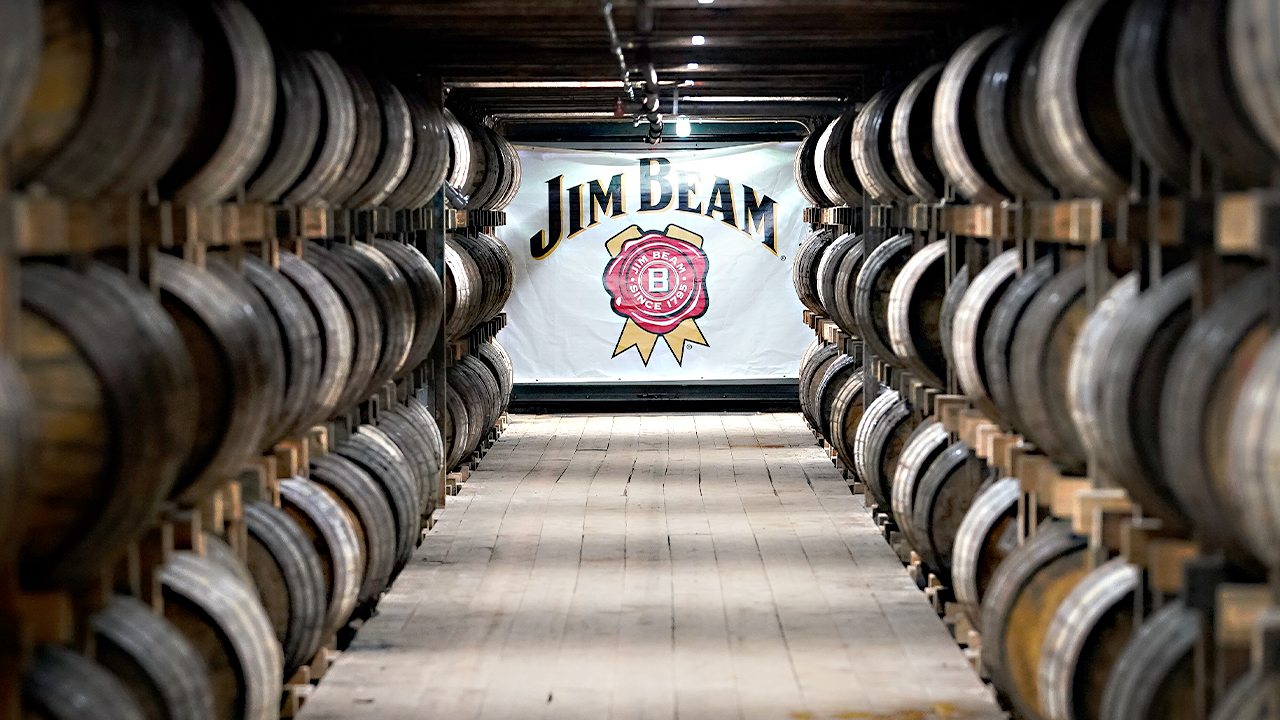
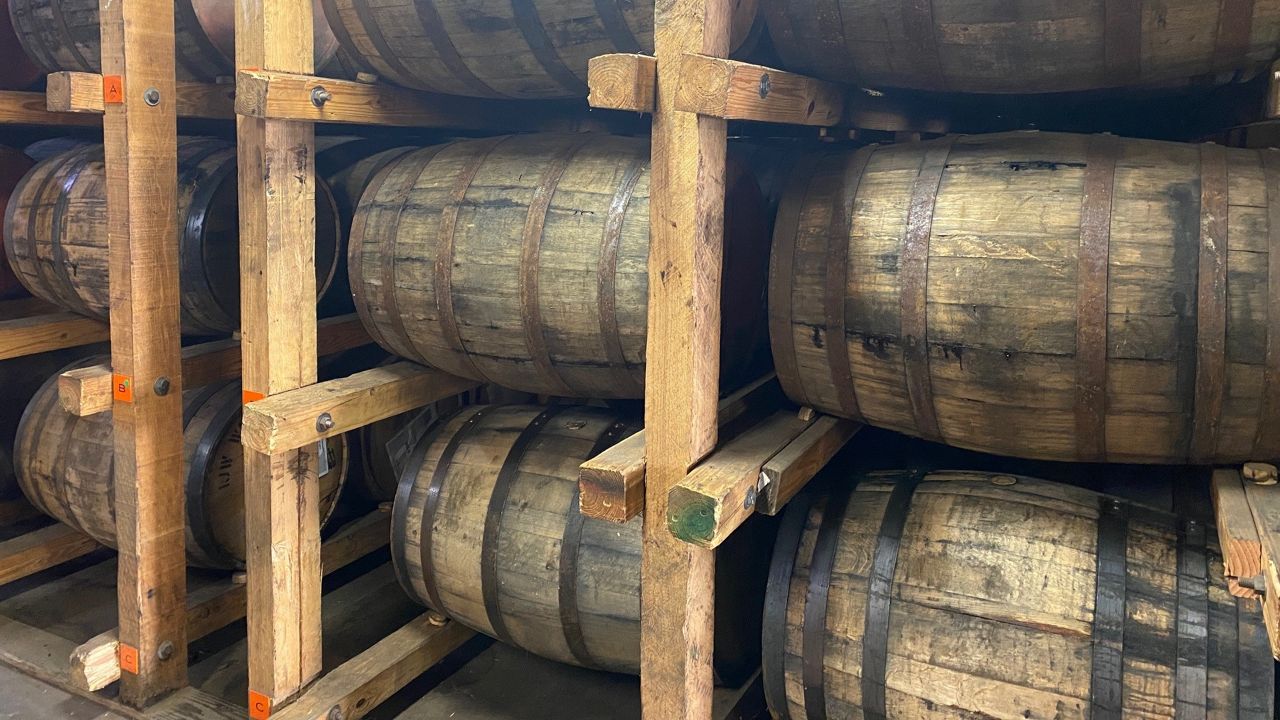
The core challenge emerges from a stark mismatch between production capacity and market demand. Kentucky's bourbon warehouses now host approximately 16 million aging barrels—triple the volume from 15 years ago—while domestic consumption has been steadily declining. This inventory overhang is compounded by significant external pressures: U.S. spirits exports dropped 9% in the second quarter of 2025, with Canadian imports plummeting a staggering 85%.
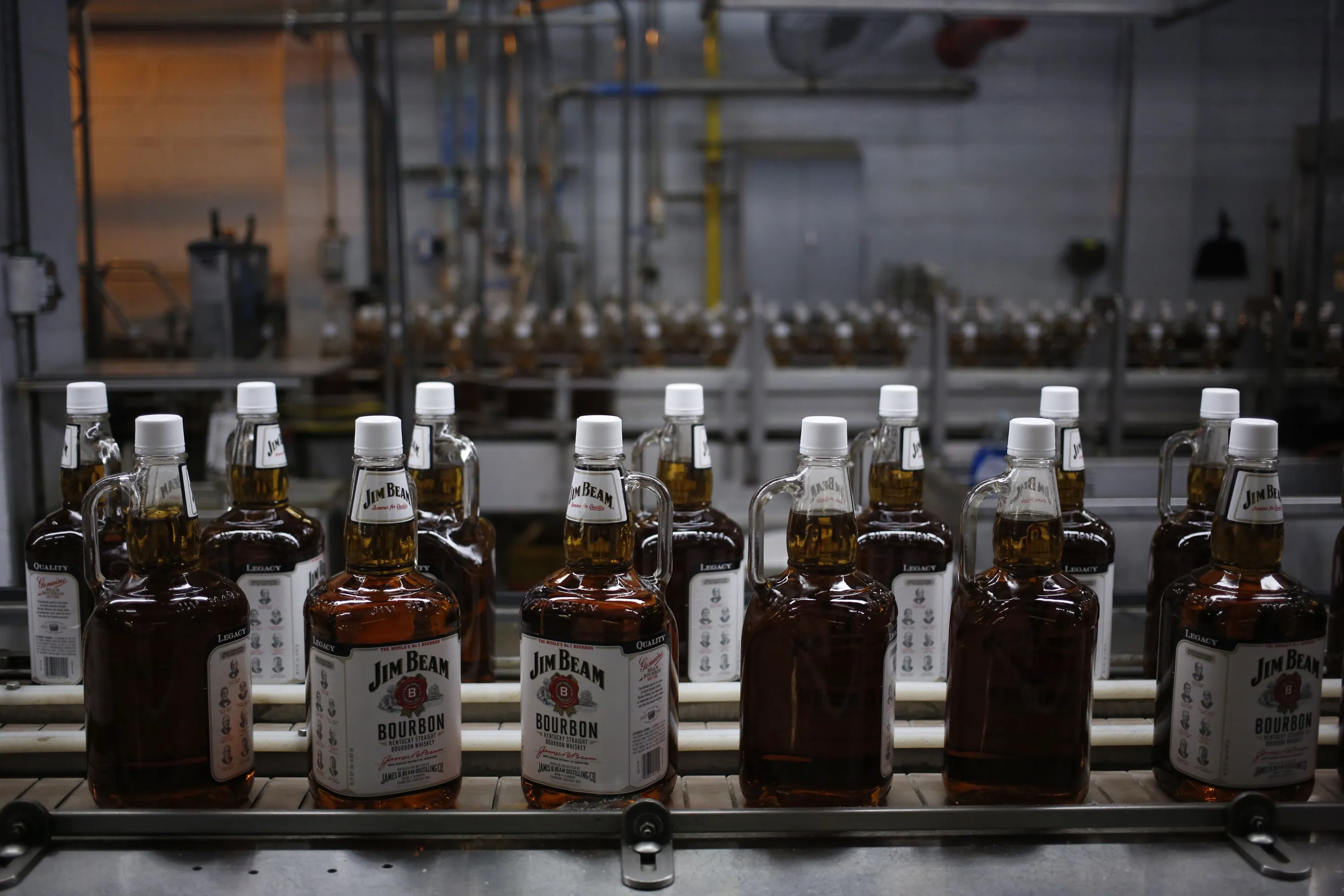
For cross-border e-commerce sellers and spirits distributors, this development represents more than a temporary disruption. It's a clear signal to reassess inventory strategies, pricing models, and supply chain resilience. The production pause affects roughly one-third of Jim Beam's annual production—approximately 26.5 million gallons—creating potential supply constraints and market volatility.
The broader industry context is equally telling. Other major players like MGP Ingredients, Diageo, and Brown-Forman are experiencing similar challenges, with sales declines ranging from 5% to 19%. Several smaller whiskey companies have already entered receivership, suggesting this is not an isolated incident but a systemic market transformation.
Strategic implications are profound. Smaller craft bourbon brands might see an opportunity to capture market share during this major producer's production pause. Meanwhile, e-commerce sellers must diversify their portfolios and develop more adaptive sourcing strategies. The Kentucky bourbon industry, which generates 2.2 billion dollars annually and supports over 23,000 jobs, is being forced to reimagine its traditional production and distribution models.
Ultimately, Jim Beam's strategic pause represents more than a temporary production adjustment—it's a critical moment of industry recalibration, signaling potential structural changes in alcohol production and consumption patterns.
Questions 3
How will this production pause impact bourbon sellers and distributors?
Sellers should anticipate potential supply constraints, pricing volatility, and the need to diversify product portfolios. Smaller craft bourbon brands might see an opportunity to capture market share, while cross-border e-commerce platforms will need to develop more adaptive sourcing and inventory strategies.
Why is Jim Beam pausing production at its Clermont facility?
The production pause stems from a complex mix of challenges: declining domestic bourbon consumption, oversupply in Kentucky warehouses (16 million barrels), and broader market disruptions including a 9% drop in U.S. spirits exports. It's a strategic move to realign production capacity with market demand.