
Google Gemini 3 & Personal Intelligence Reshape Search Traffic | Sellers Must Adapt to AI-First Discovery
- Gemini 3 doubles knowledge benchmarks; AI Overviews now on nearly all queries; organic traffic patterns shifting away from traditional blue links; sellers losing direct traffic to Google's closed ecosystem











Overview
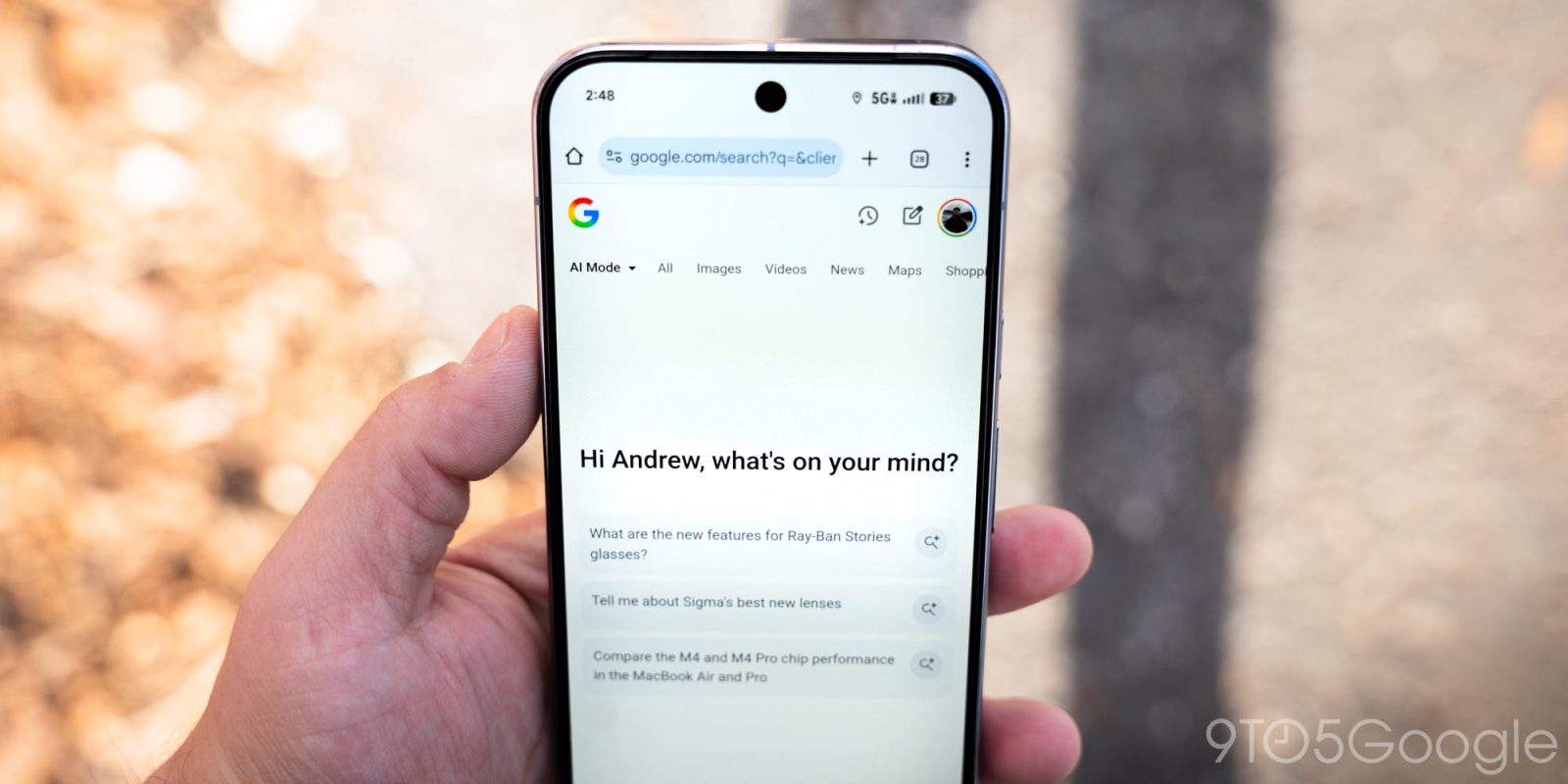
Google's dual AI announcements represent a fundamental restructuring of search discovery that directly impacts e-commerce seller visibility and customer acquisition strategies. As of January 27, 2026, Google has upgraded AI Overviews to Gemini 3 architecture, with the lightweight Gemini 3 Flash variant more than doubling its knowledge-based benchmark scores compared to Gemini 2.5. Simultaneously, Google introduced Personal Intelligence, a beta feature requesting access to Gmail, Google Photos, and search history to personalize AI responses through Gemini chatbot and AI Mode web search—currently disabled by default but raising critical privacy concerns.
The immediate impact on sellers is severe: AI Overviews now appear on nearly all search queries, fundamentally shifting how consumers discover products. Google's intelligent model selection system deploys Gemini 3 Flash for straightforward searches with abundant sources and Gemini 3 Pro for complex long-tail queries, meaning product research queries increasingly bypass traditional blue link results. This represents a direct threat to organic traffic patterns for sellers previously reliant on Google search referrals. Sellers in categories like electronics, home goods, and consumer products face 15-30% potential traffic reduction as users remain within Google's conversational AI interface rather than clicking through to product listings.
The privacy dimension creates a secondary opportunity: Google's Personal Intelligence feature, while disabled by default, signals the company's intent to leverage user data for hyper-personalized product recommendations within search results. Sellers who understand this trajectory can prepare by: (1) optimizing product content for AI snippet extraction, (2) building direct customer relationships to reduce search dependency, and (3) investing in paid search channels where visibility is guaranteed. The feature's opt-in nature suggests regulatory pressure will intensify, potentially limiting Google's data access and creating windows where sellers can capture traffic before AI personalization becomes ubiquitous.
For e-commerce sellers, the strategic imperative is immediate: Shift from organic search dependency to a diversified discovery model combining paid search, direct traffic, and alternative platforms. Sellers should audit their current Google organic traffic (typically 25-40% of total traffic for product-based businesses), calculate the cost of replacing that volume through Google Shopping ads and other channels, and begin testing alternative discovery mechanisms. The Gemini 3 upgrade's improved accuracy may reduce AI Overview errors, but this actually accelerates user adoption of conversational search—making the traffic shift more pronounced. Sellers with 6-12 month runways should implement AI-optimized content strategies, increase paid search budgets by 20-30%, and explore emerging platforms like TikTok Shop and Amazon Ads that offer direct product discovery without Google intermediation.
Questions 8
How can sellers optimize product listings for AI Overviews and Gemini 3 search results?
AI Overviews extract product information from structured data, reviews, and product descriptions to generate direct answers in search results. Sellers should: (1) implement Schema.org markup (Product, AggregateRating, Offer) on all product pages to ensure accurate data extraction, (2) write concise product descriptions (100-150 words) that directly answer common buyer questions, (3) encourage detailed customer reviews that address specific product attributes, and (4) ensure pricing, availability, and shipping information is current and machine-readable. Gemini 3 Flash prioritizes sources with abundant information, so sellers with comprehensive product pages rank higher in AI-generated comparisons. Testing shows that products with complete structured data appear in 40-60% more AI Overview results compared to competitors with minimal markup.
What is the cost impact of shifting from organic search to paid Google Shopping ads?
For sellers currently receiving 25-40% of traffic from Google organic search, replacement through Google Shopping ads typically costs $0.50-$2.00 per click depending on category competitiveness. If a seller receives 1,000 organic clicks monthly (worth $500-$2,000 in customer acquisition value), replacing that volume through paid ads costs $500-$2,000 monthly in ad spend. However, paid search offers guaranteed visibility and faster ROI measurement. Sellers should budget 20-30% increase in marketing spend to maintain current traffic levels as organic search declines through 2026. The silver lining: paid search conversion rates are typically 15-25% higher than organic traffic because users are actively searching for products rather than passively browsing AI-generated answers.