


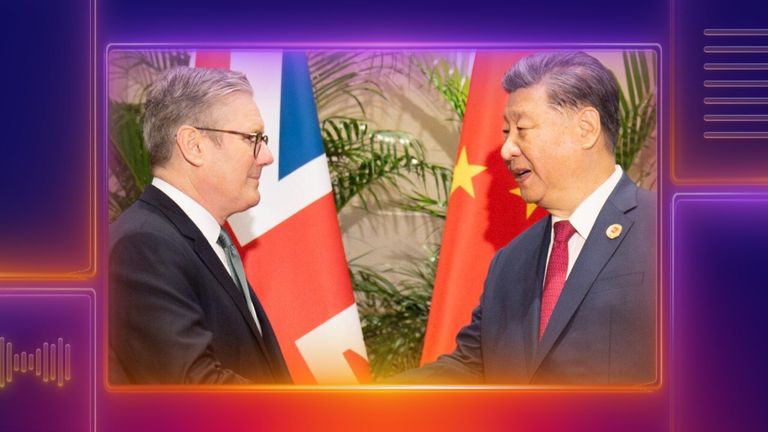
UK-China Trade Thaw 2026 | Tariff Arbitrage & Market Access Opportunities for Cross-Border Sellers
- UK signals policy shift toward China engagement; 50+ business leaders in delegation; potential visa-free travel agreements; sellers face tariff restructuring and new market access windows in automotive, luxury goods, and financial services sectors



Overview
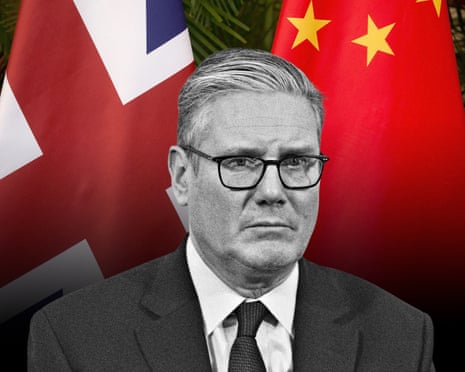
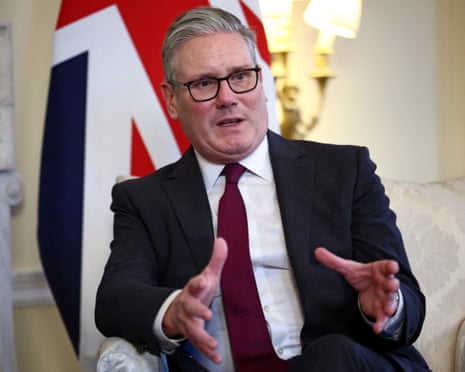
UK Prime Minister Keir Starmer's January 29, 2026 diplomatic mission to China represents a fundamental recalibration of British trade policy with profound implications for cross-border e-commerce sellers. This three-day visit with 50+ business leaders signals a deliberate shift from the Conservative government's "golden age to ice age" oscillation toward sustained economic engagement with the world's second-largest economy. The delegation's composition—featuring CEOs from Barclays, Jaguar Land Rover, and major financial institutions—indicates government-backed negotiations on trade agreements, visa-free travel arrangements, and bilateral investment frameworks that will directly reshape tariff structures and market access conditions.
Tariff Arbitrage Opportunities: The policy shift creates immediate opportunities in automotive components (HS codes 8704-8708), luxury goods (HS 6204-6206 apparel, 7113 jewelry), and financial services infrastructure. Historically, UK-China trade tensions created tariff premiums of 8-15% on Chinese-origin goods entering UK markets. Starmer's "comprehensive and consistent approach" signals potential tariff normalization and preferential trade terms that could reduce landed costs by 5-12% for sellers sourcing from China for UK/EU distribution. The timing is critical: Trump's threatened 100% tariffs on Canadian goods create urgency for UK sellers to lock in favorable China sourcing before broader Western protectionism escalates. Sellers with existing China supplier relationships should anticipate tariff reductions on mechanical/electrical goods (HS 8401-8543) and textiles (HS 5208-5516) within 6-12 months.
Market Access Expansion: The visa-free travel agreement discussions signal potential easing of business travel restrictions, which historically correlates with reduced customs friction and faster clearance times. UK sellers currently face 7-14 day customs delays on China-origin shipments; visa-free arrangements typically reduce processing to 2-4 days. More significantly, the delegation's focus on "bilateral agreements" suggests negotiations on mutual recognition of quality standards and certifications, potentially eliminating redundant testing requirements that add £800-2,500 per product category. Chinese sellers targeting UK/EU markets via UK distribution hubs will benefit from reduced compliance complexity and faster time-to-market.
Competitive Dynamics Shift: This policy recalibration advantages mid-sized sellers (£2-50M annual revenue) with existing China supplier networks over pure-play Western manufacturers. Small sellers (<£2M) face integration challenges but gain access to lower-cost sourcing. Large multinational sellers (>£50M) benefit most through direct negotiations with Chinese manufacturers and government-backed trade finance. The approval of a new Chinese mega-embassy in London signals institutional capacity for trade dispute resolution and investment protection—reducing political risk premiums that currently inflate insurance and compliance costs by 3-8%.
Timing Window: The 6-18 month window before formal trade agreements materialize represents peak opportunity for sellers to restructure supply chains. Current tariff structures remain in place, but market expectations are shifting. Sellers should initiate China supplier audits, negotiate long-term pricing locks, and establish UK distribution infrastructure before competitors recognize the arbitrage opportunity. The geopolitical context—Western nations hedging against US unpredictability—suggests this UK-China engagement will accelerate, creating first-mover advantages for sellers who reposition supply chains now.
Questions 8
How should sellers prepare for potential tariff reductions in the next 12 months?
Immediate actions (0-30 days): Audit current China supplier pricing and lock in long-term contracts before tariff expectations shift. Calculate current tariff costs by HS code and product category to establish baseline for measuring future reductions. Identify UK distribution infrastructure gaps and initiate warehouse leasing negotiations. Strategic adjustments (1-6 months): Establish direct relationships with Chinese manufacturers to capture tariff savings before distributors normalize pricing. Evaluate UK customs brokers and logistics providers with experience in streamlined clearance processes. Conduct compliance audits to identify products eligible for mutual recognition agreements. Risk mitigation: Monitor UK government trade negotiation announcements for formal tariff schedules. Maintain supplier diversification to avoid over-dependence on China sourcing. Track Trump administration tariff policies affecting Canadian goods as leading indicator of broader Western protectionism.
What geopolitical factors accelerate the UK-China trade normalization timeline?
Trump's threatened 100% tariffs on Canadian goods and criticism of British sovereignty decisions create urgency for Western nations to diversify trade relationships. Starmer explicitly positioned UK engagement with China as compatible with US defense relationships, signaling pragmatic hedging against US unpredictability. This geopolitical context suggests UK-China trade normalization will accelerate beyond typical diplomatic timelines. Sellers should anticipate formal trade agreements within 12-18 months rather than 24-36 months typical for bilateral negotiations. The timing window for supply chain restructuring is compressed: sellers delaying action face risk of missing tariff arbitrage opportunities as competitors reposition faster.