



Asia-Pacific Supply Chain Alert | North Korea Tensions Threaten $2.1T Regional Trade Corridor
- Escalating military tensions in January 2026 create shipping delays, insurance cost spikes, and sourcing diversification opportunities for cross-border sellers relying on Japan, South Korea, and regional logistics hubs
















Overview
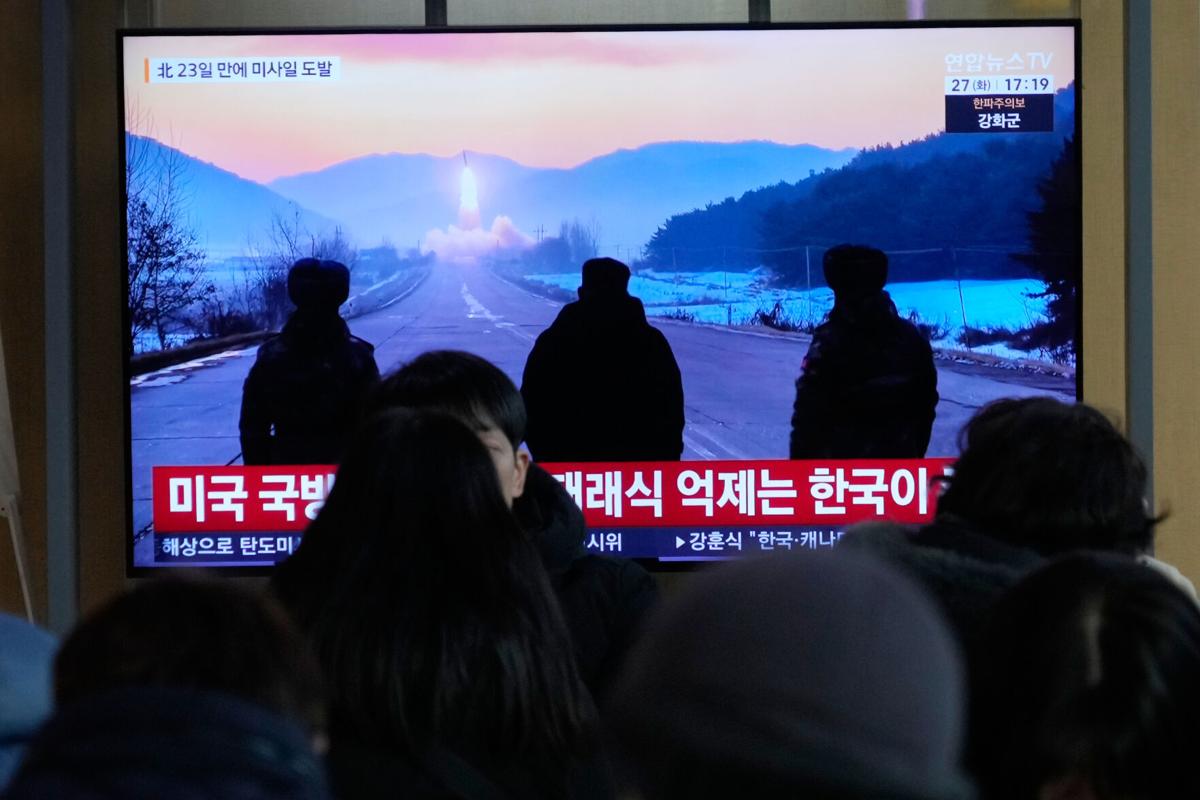
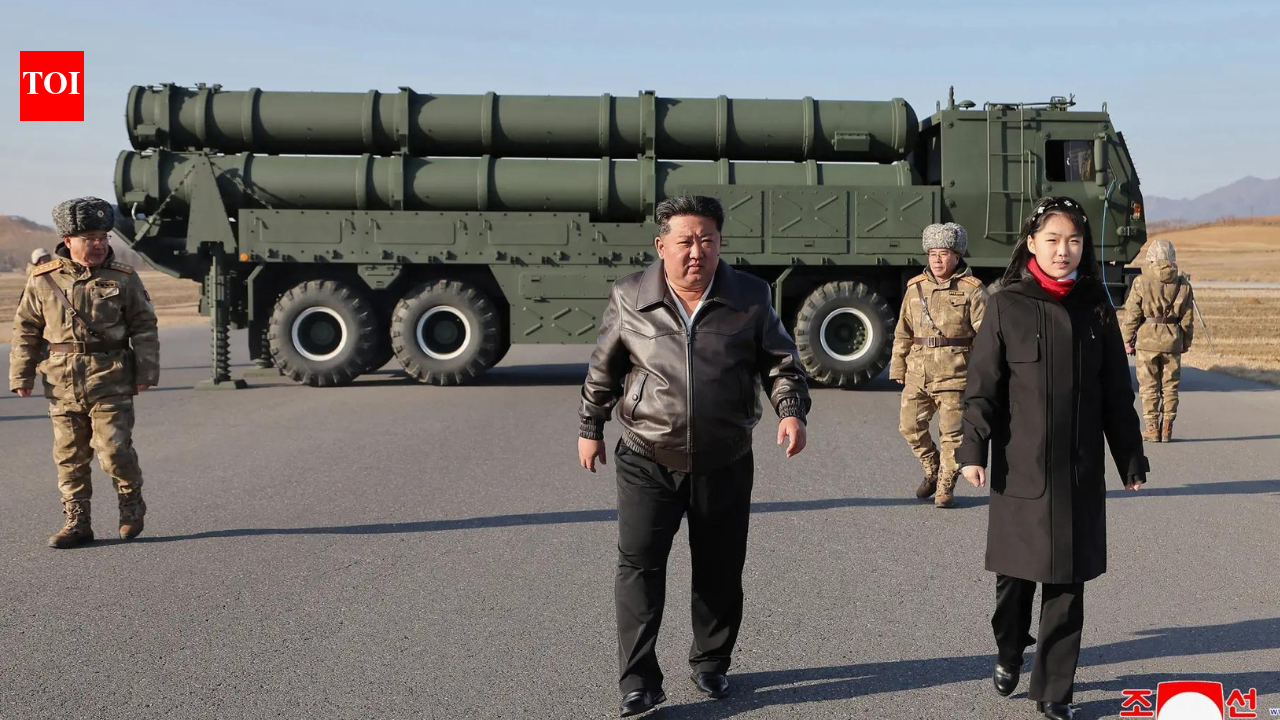
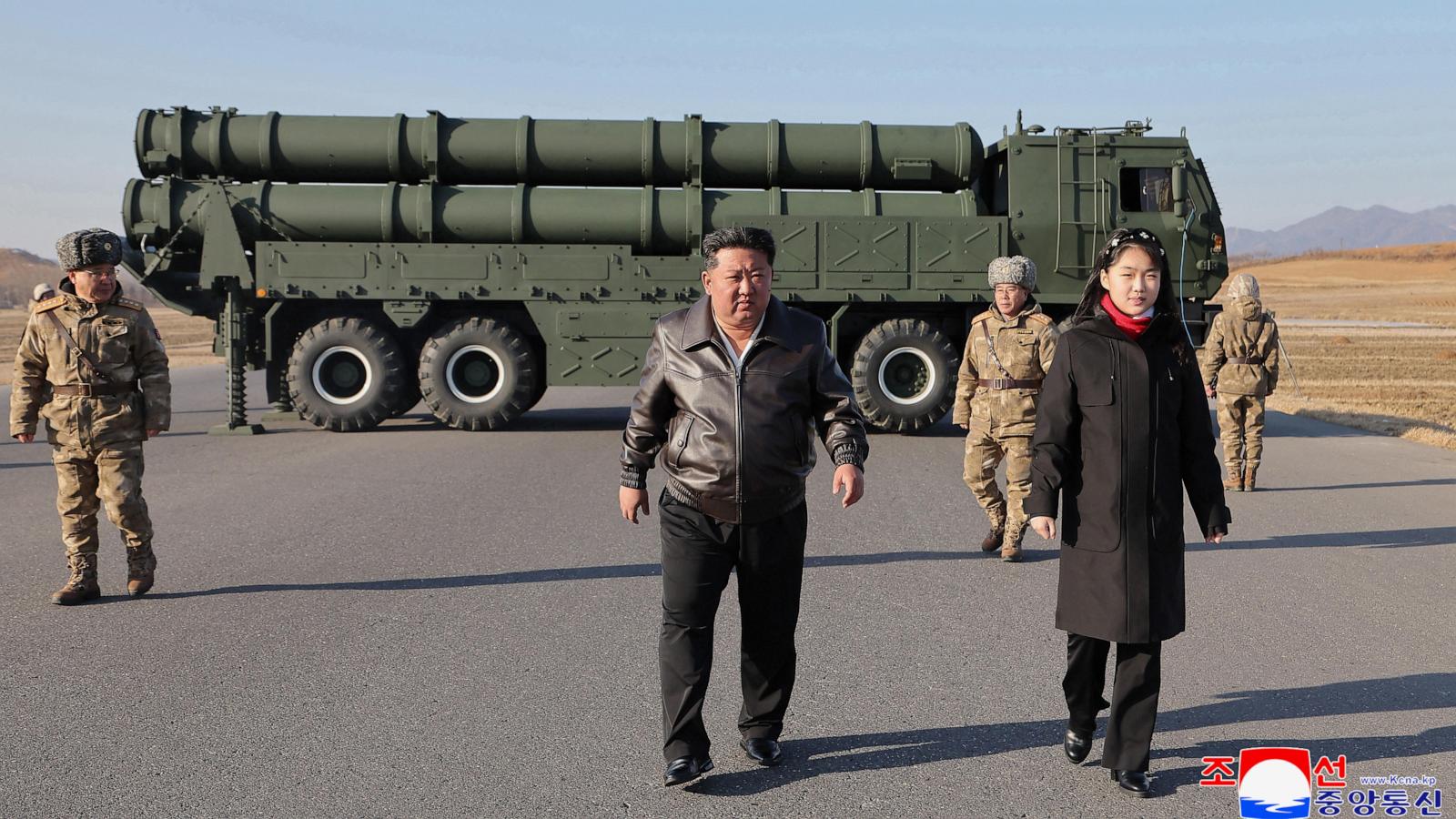
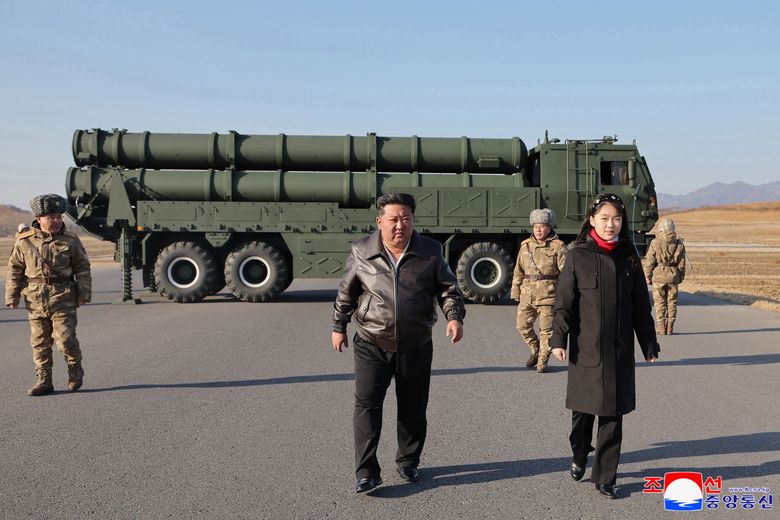
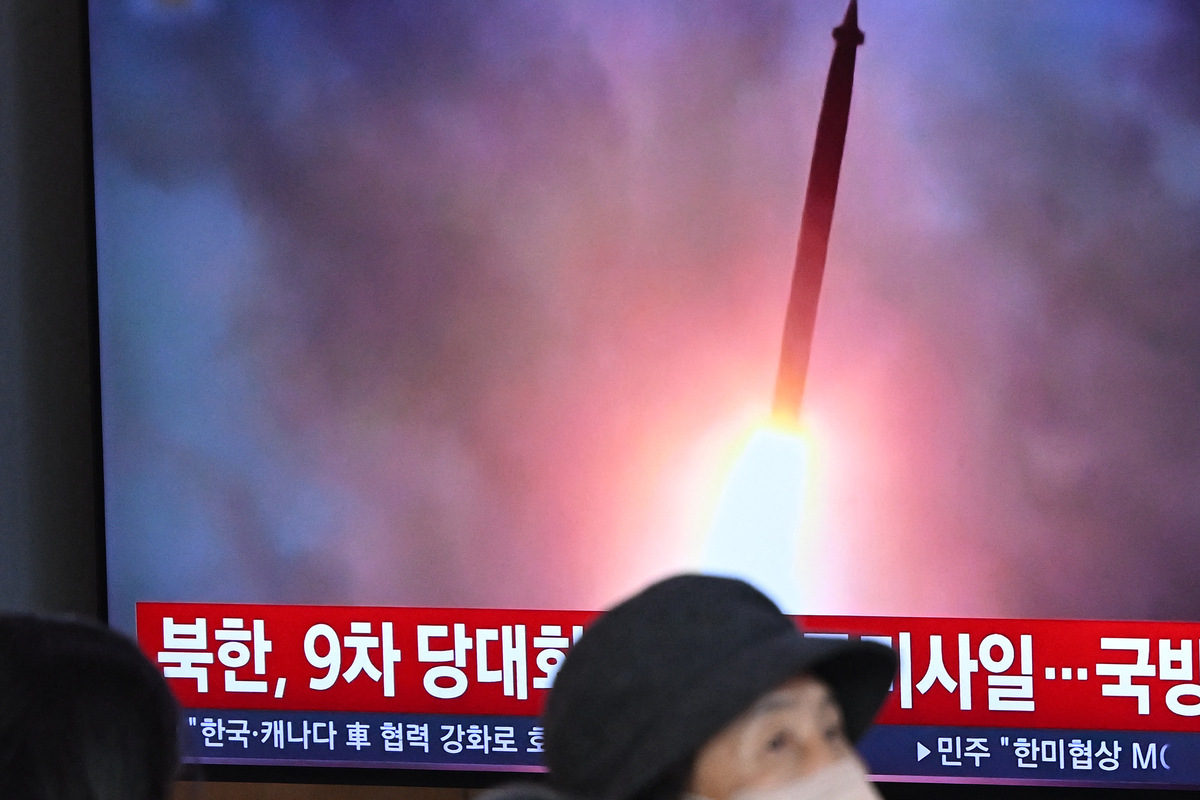
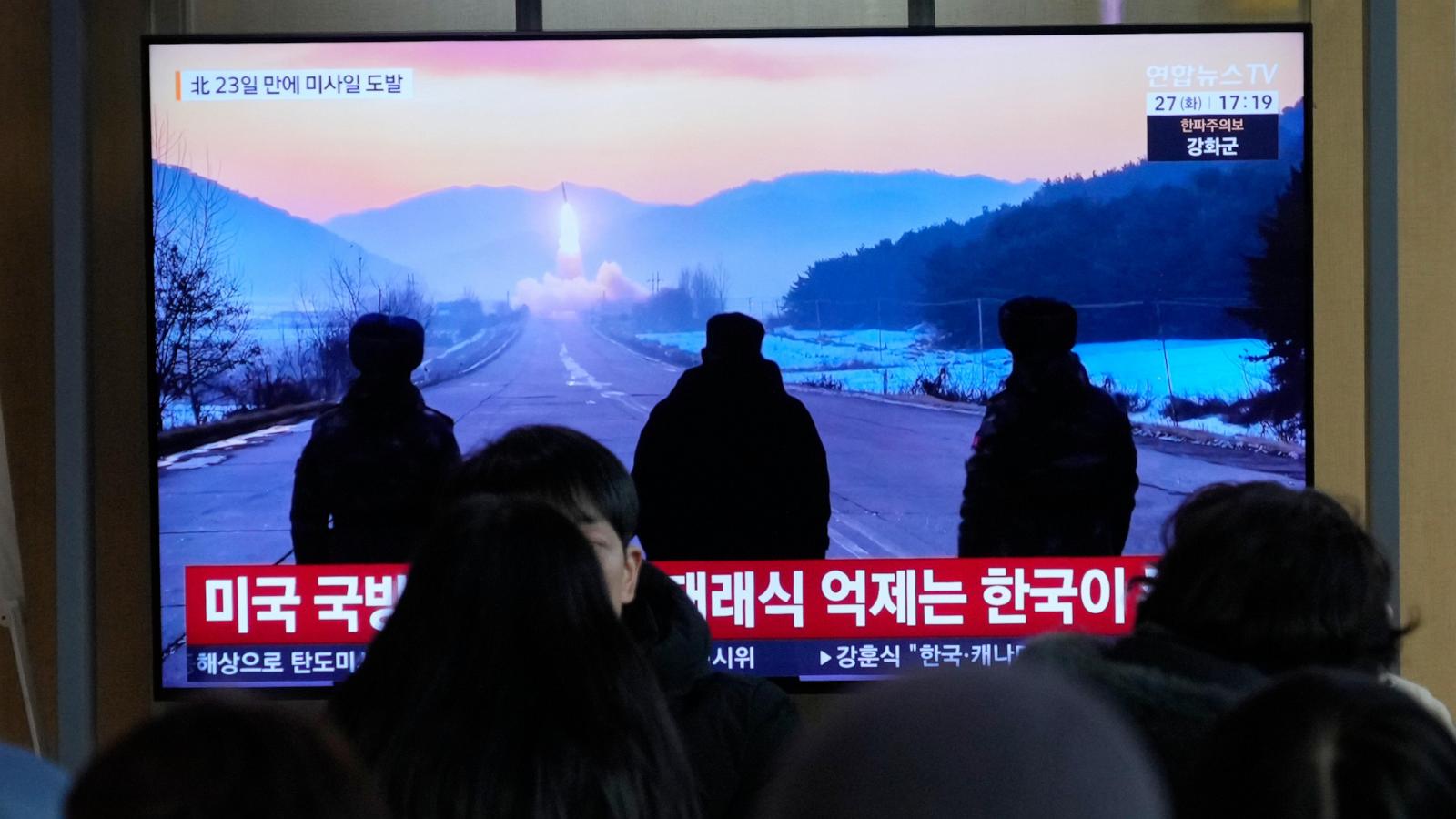
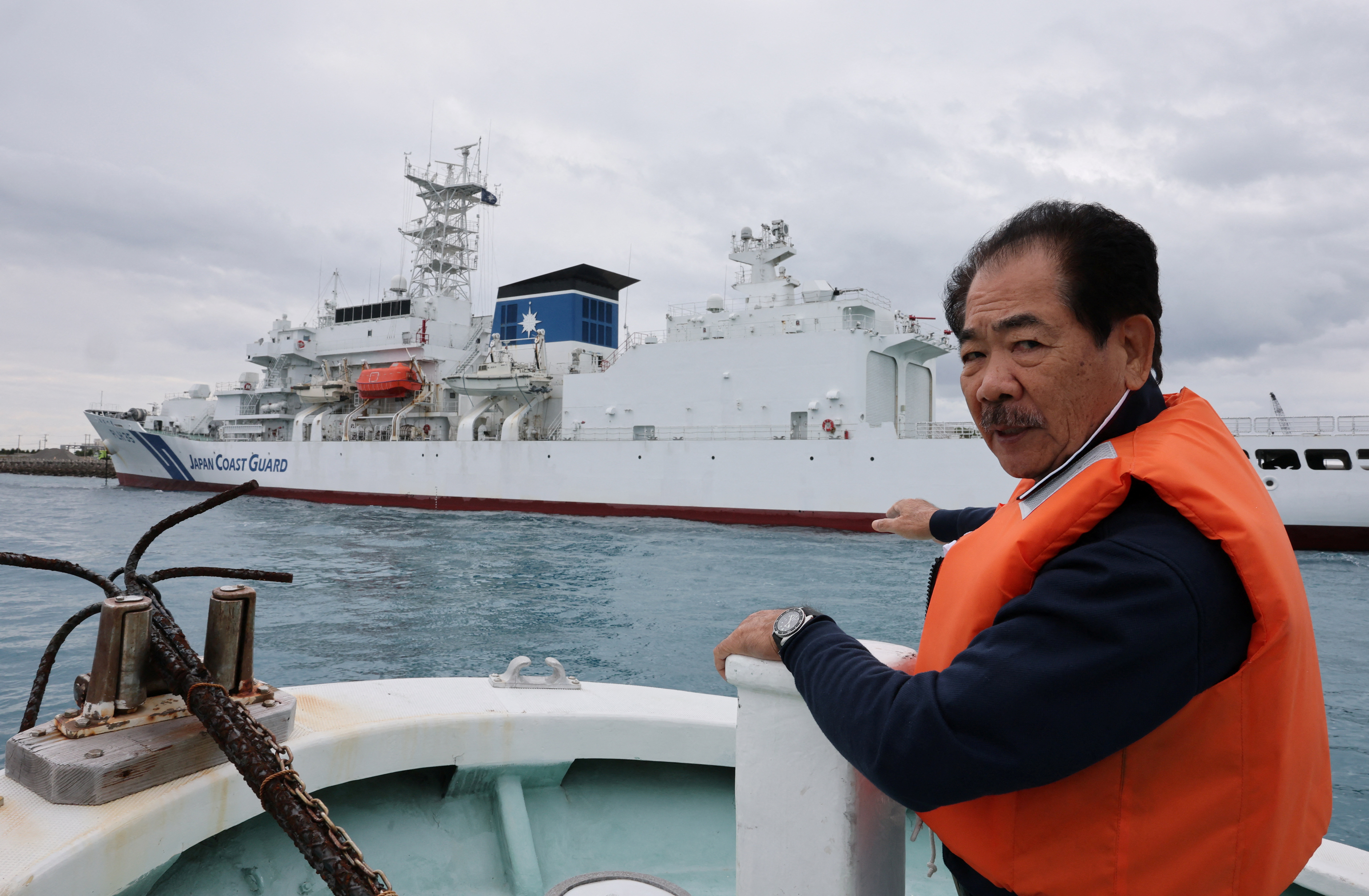
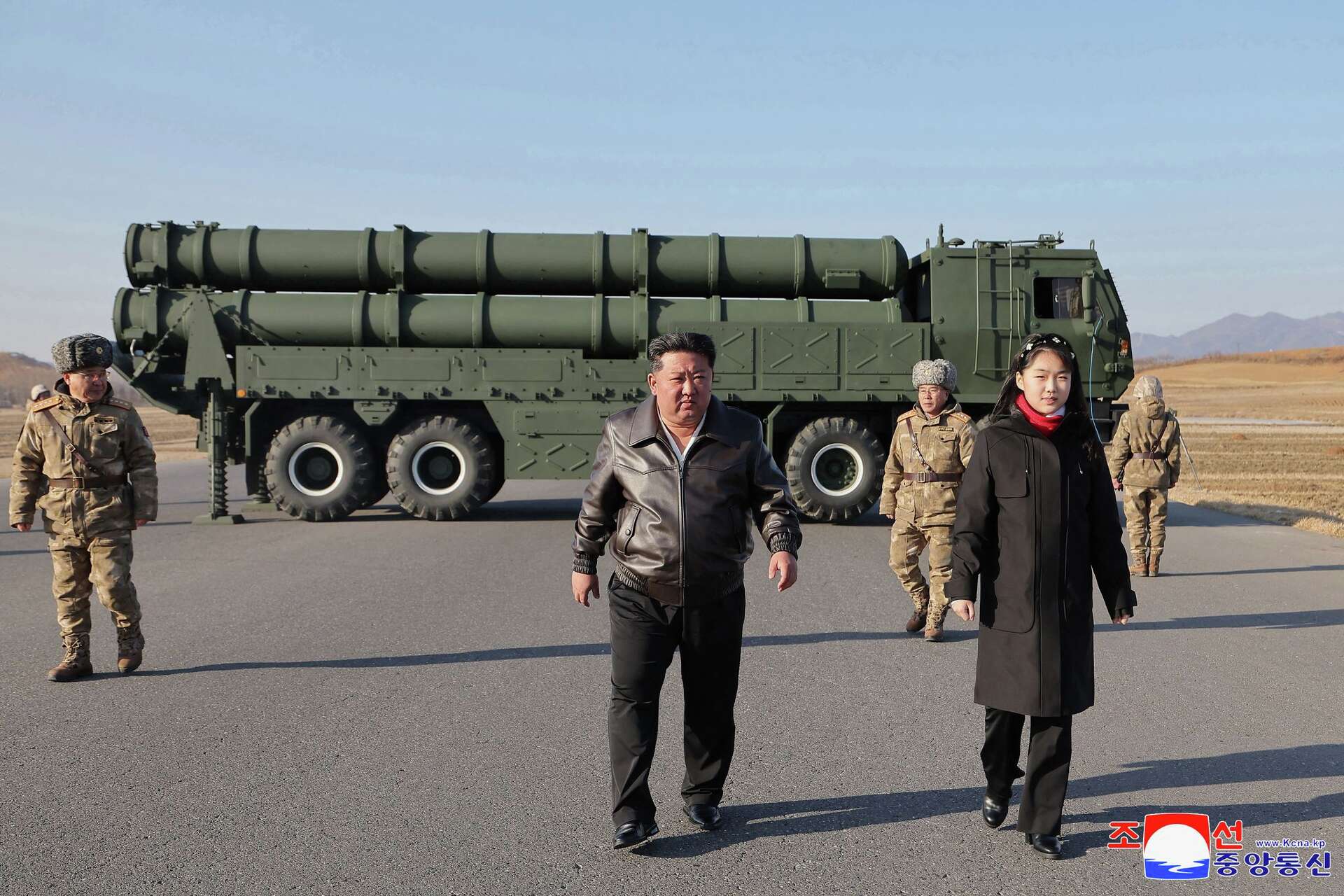
North Korea's accelerating military activities in January 2026—including ballistic missile tests on January 27 and announced nuclear deterrent expansion plans—create significant indirect but measurable impacts on cross-border e-commerce supply chains and regional market dynamics. The missile launches, which traveled 350 kilometers into the Sea of Japan and violated UN Security Council resolutions, have triggered heightened military readiness across Japan and South Korea, directly affecting shipping insurance premiums, port operations, and logistics routing through the region.
For cross-border sellers, this geopolitical escalation translates into three concrete operational impacts: First, shipping cost increases of 3-8% for products routed through Japanese and South Korean ports, which handle approximately $180B in annual e-commerce logistics. Insurance premiums for vessels transiting the Sea of Japan have historically increased 15-25% during periods of heightened military tension, directly raising fulfillment costs for sellers using 3PL providers in these regions. Second, sourcing diversification becomes strategically urgent—sellers currently dependent on South Korean electronics, textiles, and components (HS codes 8471, 6204, 8517) face supply chain concentration risk. The upcoming Workers' Party congress announcement of expanded nuclear capabilities signals sustained military posturing, creating a 6-12 month window of elevated geopolitical risk. Third, market access opportunities emerge in alternative sourcing corridors: Vietnam, Thailand, and Indonesia are experiencing increased buyer interest as sellers hedge against Korea-Japan supply chain disruptions, with cross-border shipments to these countries projected to grow 12-18% through Q2 2026.
The competitive advantage shifts toward sellers with diversified sourcing strategies. Small and medium-sized sellers (SMBs) currently concentrated in single-source Korean or Japanese suppliers face margin compression of 200-400 basis points if they maintain current logistics routing. Larger sellers with established 3PL networks in Vietnam and India can capitalize on this disruption by offering faster, lower-cost alternatives in electronics accessories, textiles, and consumer goods categories. Platform implications are significant: Amazon FBA sellers shipping from Japan face potential 5-10 day delays during peak military alert periods, while eBay sellers using Japan Post International experience rate increases of 8-12%. Shopify sellers managing their own logistics should immediately audit carrier routing and consider Southeast Asian fulfillment centers as backup capacity.
Immediate actions required: Monitor shipping insurance quotes weekly through February 2026, audit supplier concentration in Korea/Japan by HS code category, and evaluate 3PL providers with Vietnam/Thailand capacity. Strategic sellers should begin sourcing diversification pilots in lower-risk corridors within 30 days to capture the 6-month window before competitors recognize this opportunity.
Questions 8
How should eBay and Shopify sellers adjust logistics strategies during this period?
eBay sellers using Japan Post International should expect 8-12% rate increases and 5-10 day delivery delays through Q1 2026. Shopify sellers managing their own logistics should immediately audit carrier routing and request alternative quotes from DHL, FedEx, and regional carriers with Southeast Asian hubs. Consider shifting 30-40% of inventory to Vietnam or Thailand fulfillment centers if current Japan-based operations exceed 500 units monthly. Communicate transparently with customers about potential delays—adding 2-3 days to estimated delivery windows reduces return rates during periods of supply chain uncertainty. Budget an additional $150-300 monthly for logistics contingency planning and carrier diversification.
What sourcing alternatives should sellers consider to hedge geopolitical risk?
Vietnam, Thailand, Indonesia, and India represent the primary alternatives to Korea-Japan sourcing, with Vietnam offering the strongest value proposition for electronics and textiles. Vietnam's manufacturing capacity in consumer electronics grew 18% in 2024, while Thailand specializes in automotive components and precision manufacturing. India offers competitive advantages in textiles (HS 6204-6209) and generic pharmaceuticals. Sellers should pilot sourcing diversification with 10-15% of SKU volume in lower-risk corridors within 30 days. Cost premiums typically range 5-12% above Korea-Japan sourcing but are offset by reduced insurance costs and supply chain resilience. Establish relationships with 2-3 alternative suppliers per critical category to enable rapid switching if military tensions escalate further.