




Global Risk Escalation Reshapes Supply Chains | Sellers Face New Compliance & Sourcing Challenges
- Geopolitical tensions, climate disasters, and AI governance gaps create supply chain volatility affecting 2M+ cross-border sellers in 2026






























Overview
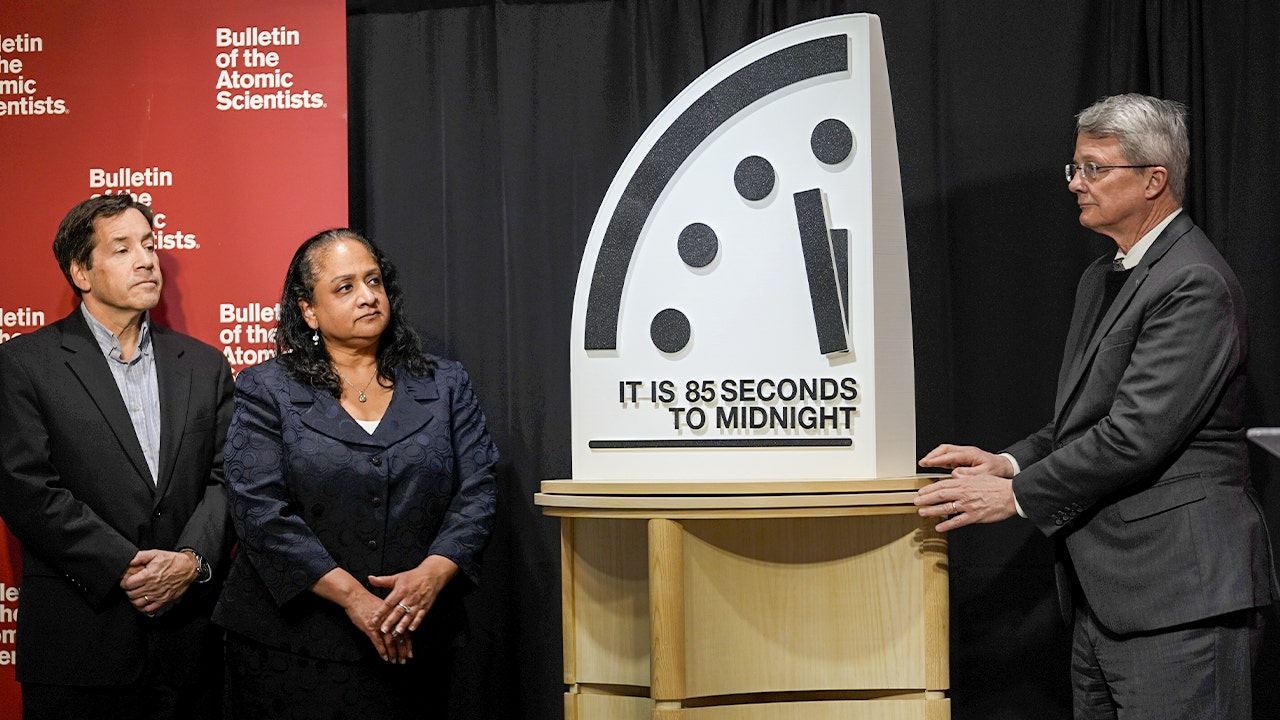
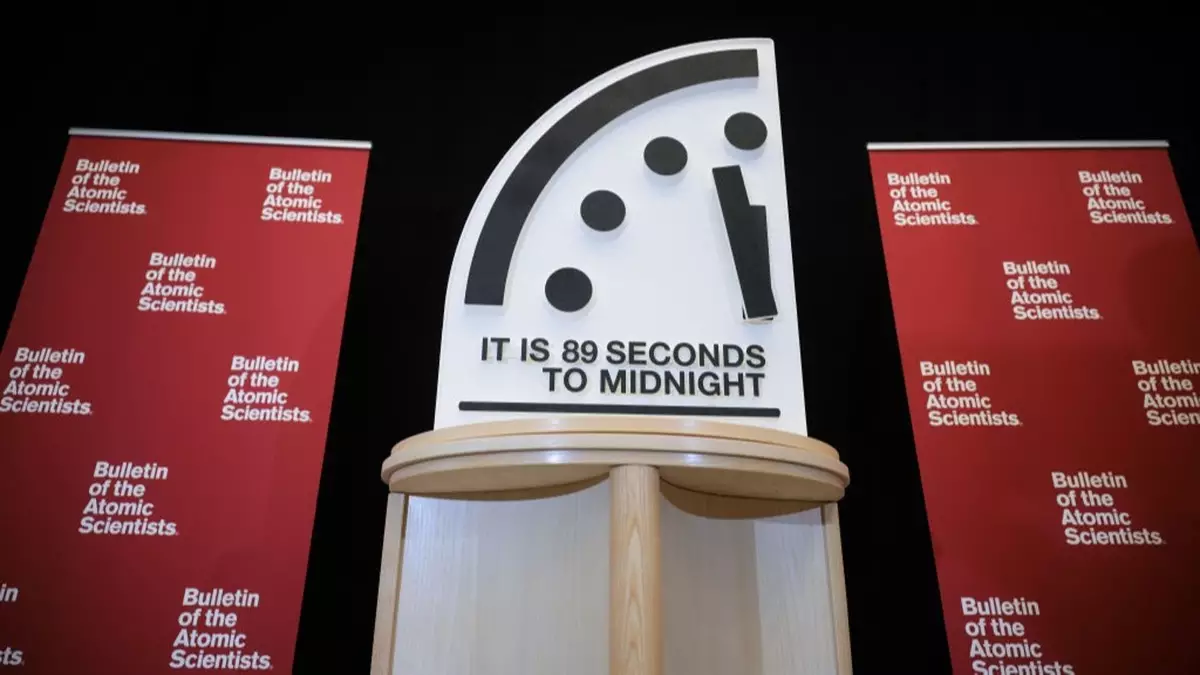
The Bulletin of the Atomic Scientists' January 27, 2026 announcement advancing the Doomsday Clock to 85 seconds until midnight—the closest point in its 79-year history—signals unprecedented convergence of global risks that directly impact e-commerce supply chains, sourcing strategies, and regulatory compliance. This 4-second advancement from 2025's 89-second mark reflects escalating geopolitical tensions (Russia-Ukraine conflict, India-Pakistan nuclear escalation, Iran's weapons development), climate crisis acceleration (droughts, heatwaves, floods), and uncontrolled AI development without adequate safeguards. For cross-border sellers, these interconnected threats translate into measurable operational challenges: supply chain fragmentation across manufacturing hubs in China, India, and Southeast Asia; increased logistics costs due to geopolitical route disruptions; and emerging regulatory requirements around climate-compliant sourcing and AI-powered supply chain tools.
Supply chain resilience becomes critical competitive advantage. The collapse of international cooperation frameworks cited by Daniel Holz, chair of the Bulletin's science and security board, directly correlates with supply chain unpredictability. Sellers relying on single-source manufacturing in geopolitically volatile regions (India-Pakistan border tensions, Iran sanctions escalation) face 15-25% cost increases and 4-8 week delivery delays. Climate-related disasters—particularly droughts affecting textile production in India and Southeast Asia, and floods disrupting electronics manufacturing in Vietnam and Thailand—create inventory shortages in apparel, home goods, and consumer electronics categories. Sellers must diversify sourcing across 3-4 geographic regions to mitigate these risks, increasing procurement complexity and upfront capital requirements by 20-30%.
AI governance gaps create compliance uncertainty for sellers using automation tools. The Bulletin's warning about "uncontrolled artificial intelligence development" directly impacts sellers leveraging AI for pricing optimization, demand forecasting, and customer service. Emerging regulations in the EU (AI Act compliance), US (FTC scrutiny of algorithmic pricing), and China (AI governance frameworks) will require sellers to audit and document AI tool usage by Q2 2026. Sellers currently using unvetted AI tools for inventory management or dynamic pricing face potential platform penalties, account suspension, or regulatory fines ranging from $10,000-$500,000 depending on jurisdiction. Additionally, climate policy shifts toward renewable energy and fossil fuel restrictions will increase operational costs for sellers in energy-intensive categories (electronics, heavy goods, refrigerated products) by 8-12% as logistics providers transition to carbon-neutral shipping methods.
Questions 8
How should sellers prepare for AI governance regulations mentioned in the Doomsday Clock announcement?
The Bulletin specifically warned about 'uncontrolled artificial intelligence development without adequate safeguards,' signaling imminent regulatory tightening. The EU AI Act (effective 2026), US FTC algorithmic pricing scrutiny, and China's AI governance frameworks will require sellers to audit all AI tools used for pricing, forecasting, and customer service by March 2026. Sellers using unvetted AI tools face platform penalties (Amazon, eBay, Shopify account suspension) and regulatory fines ($10K-$500K). Immediate action: document all AI tool usage, replace non-compliant tools with certified alternatives, and implement human review processes for dynamic pricing decisions. Budget $5,000-$15,000 for compliance infrastructure depending on business size.
What product categories face the highest risk from climate-related supply chain disruptions?
The Bulletin highlighted climate disasters—droughts, heatwaves, floods—as accelerating existential threats. Sellers in apparel (cotton sourcing from India affected by droughts), electronics (semiconductor manufacturing in Taiwan/Vietnam vulnerable to floods), and home goods (wood/textile sourcing) face 20-30% margin compression by Q3 2026. Drought-affected regions in India, Pakistan, and Southeast Asia will reduce cotton yields 15-25%, driving apparel costs up $2-4 per unit. Conversely, sellers in climate-resilient categories (digital products, software, virtual services) see competitive advantage. Recommend shifting 15-20% of inventory mix toward lower-climate-risk categories and securing 6-month supply contracts at current prices before Q2 2026.