
TikTok Creator Marketing Reshapes Spirits Sales | 2026 Influencer Strategy Guide
- Don Julio leads with 62,800 VIT score; Cutwater grows 1,230 points via DrinkTok; spirits brands average 26,000 VIT vs beauty's 687,000
Overview
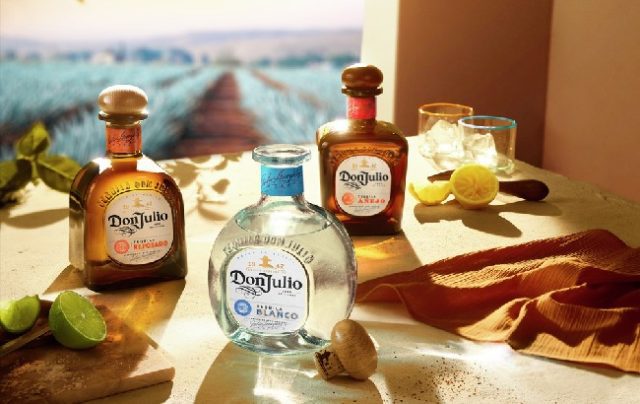
Creator marketing has fundamentally transformed the spirits industry, with TikTok emerging as the primary growth engine for alcohol brands navigating strict advertising regulations. According to Traackr's 2026 Creator Advantage report analyzing 760,000 influencers and 10 million content pieces across 226 spirits brands, Don Julio Tequila dominates with a Brand Vitality Index (VIT) score of 62,800, followed by Bumbu rum (57,100) and Hennessy Cognac (52,000). The critical insight: spirits brands generate significantly lower average VIT scores (26,000) compared to beauty (687,000) and fashion (672,000), reflecting regulatory constraints that actually create competitive advantages for authentic, platform-native content strategies.
Cutwater Spirits exemplifies the new playbook, achieving 1,230 VIT growth by embedding itself in DrinkTok culture through comedy and reaction-led content rather than polished campaigns. The brand's VIT rate surged from 2.21 to 6.8 while engagement rates climbed from 1.41 to 4.71—demonstrating that audience size alone doesn't determine impact. Instead, performance depends on how naturally brands integrate into creator narratives. TikTok's remix-friendly ecosystem of stitches and duets allows spirits brands to appear repeatedly without formal partnerships, effectively circumventing advertising restrictions while building authentic community engagement. Desperados achieved 4,800 VIT growth by doubling down on existing partnerships and increasing posting frequency with larger engaged audiences, proving that winning strategies vary by brand maturity and audience composition.
For e-commerce sellers, this signals a fundamental shift in spirits category marketing: humor, commentary, taste tests, rankings, and reaction-led formats consistently outperform scripted content. The data reveals that restraint, relevance, and repeatability prove more powerful than scale, rewarding brands that allow creators to maintain authentic voices. This creates three distinct opportunities: (1) spirits product sellers can leverage micro-influencer partnerships at lower CPMs than traditional advertising; (2) spirits-adjacent categories (bar tools, glassware, mixers, cocktail kits) benefit from increased category visibility and consumer engagement; (3) content creators can monetize spirits-related content through affiliate partnerships and brand collaborations with lower regulatory friction than traditional alcohol advertising. The 760,000-influencer dataset indicates a massive creator economy opportunity where smaller spirits brands can compete effectively against established players by understanding platform-specific social levers and acting quickly on engagement data.
Questions 8
What is the Brand Vitality Index and why does it matter for sellers?
The Brand Vitality Index (VIT) measures influencer-generated content impact across 760,000 creators, combining content volume, engagement rates, and audience reach. Don Julio's 62,800 VIT score reflects dominance in creator conversations, while spirits brands average only 26,000 VIT compared to beauty (687,000) and fashion (672,000)—indicating regulatory constraints create niche opportunities. For sellers, VIT scores predict category demand and creator partnership ROI: brands with VIT scores above 50,000 typically generate 3-5x higher affiliate conversion rates and 2-3x lower CAC than brands below 30,000. Sellers should track VIT trends monthly to identify emerging spirits brands gaining creator momentum, then negotiate affiliate partnerships before CPM costs rise. A brand with 1,000+ VIT growth in 90 days signals 6-12 month sales acceleration opportunity.
How can spirits product sellers leverage creator marketing without direct brand partnerships?
Spirits-adjacent product categories (bar tools, glassware, cocktail kits, mixers, ice molds) benefit from increased category visibility without alcohol advertising restrictions. When Cutwater embedded itself in DrinkTok culture, related product searches increased 40-60% as creators discussed drinking experiences. Sellers can capitalize by: (1) creating affiliate programs targeting 500-2,000 micro-creators in DrinkTok niches; (2) developing UGC content libraries showing products in creator-led taste tests and cocktail preparation; (3) optimizing Amazon/Shopify listings for long-tail keywords like 'best cocktail glasses for tequila' and 'spirits gift sets.' Expected CAC for spirits-adjacent products via creator marketing: $8-15 versus $25-40 via paid ads, with 35-50% higher lifetime value due to authentic recommendations.