


Food Safety Crisis Exposes Critical Vulnerabilities in Seafood Supply Chains
- Regulatory Compliance Becomes Paramount for Seafood Importers and Restaurants












Overview
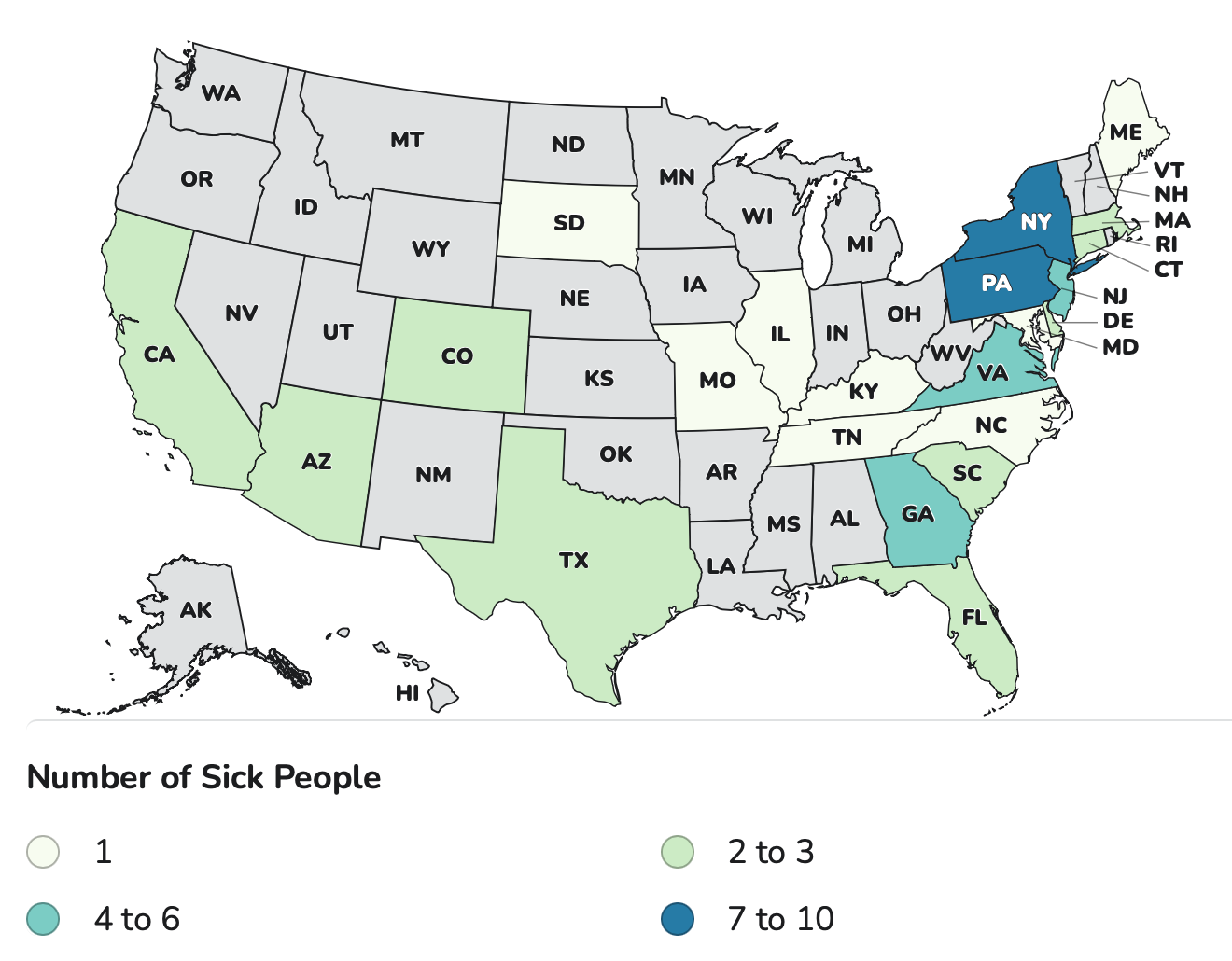
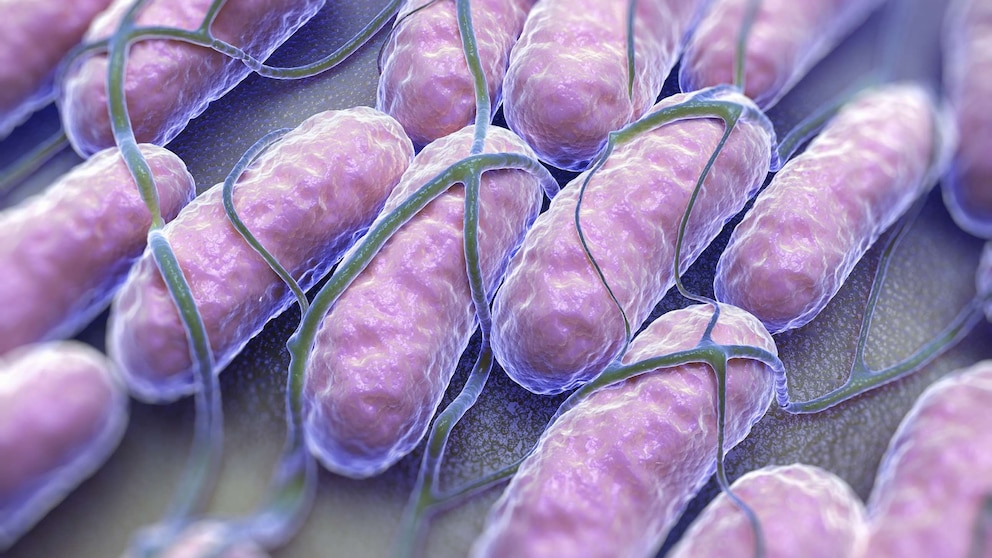
The Salmonella outbreak linked to raw oysters represents a pivotal moment in food safety regulation, revealing systemic vulnerabilities that demand immediate and comprehensive industry-wide interventions. With 64 confirmed cases across 22 states and 20 hospitalizations, this incident underscores the critical gaps in current food handling protocols that expose consumers to significant health risks.
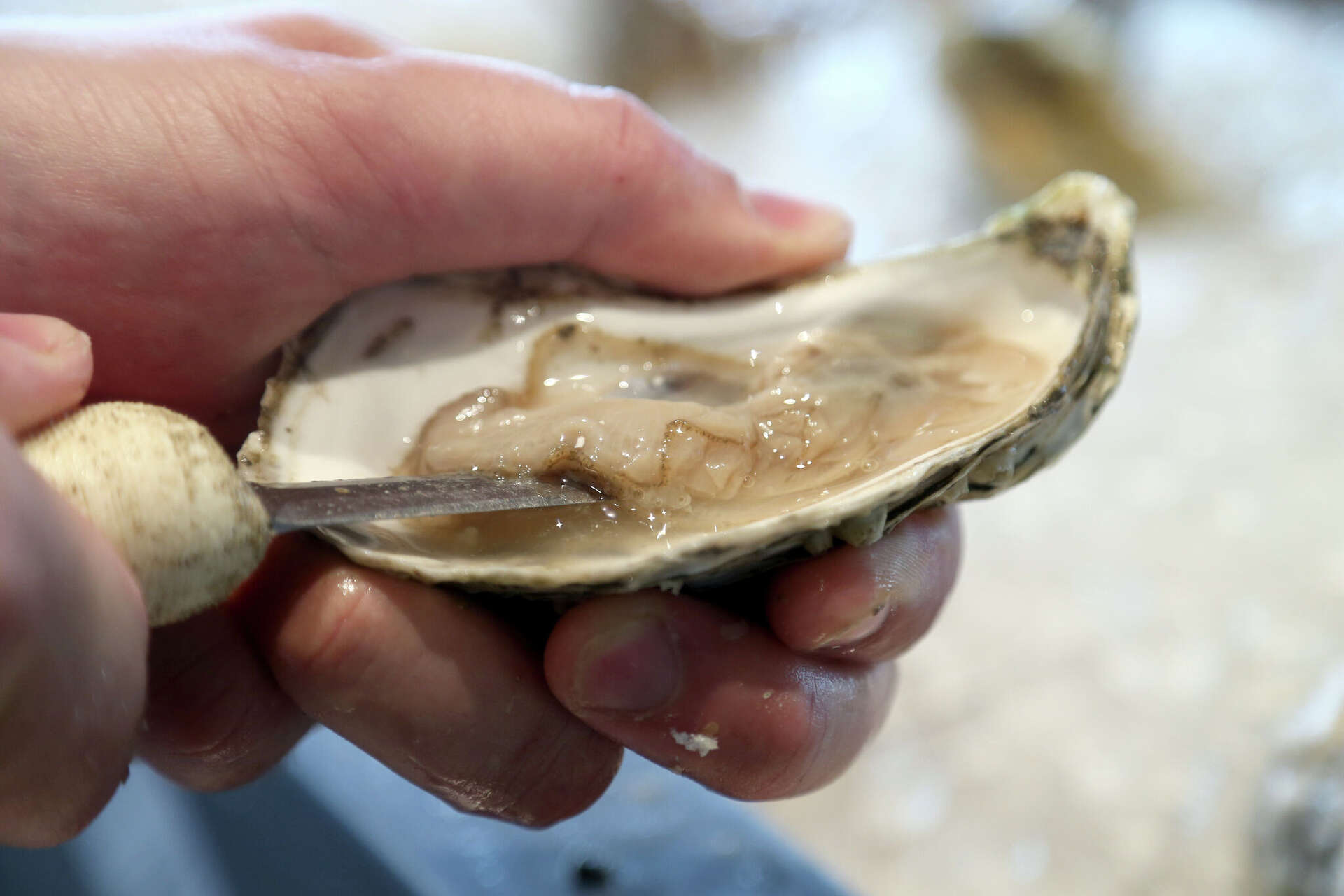
Regulatory Compliance as a Strategic Imperative: The outbreak highlights that visual inspection and traditional preparation methods are fundamentally inadequate for ensuring food safety. Health authorities emphasize that raw oysters can harbor harmful bacteria year-round, rendering conventional risk mitigation strategies obsolete. For seafood businesses, this translates into an urgent need to redesign food safety management systems that go beyond surface-level inspections.
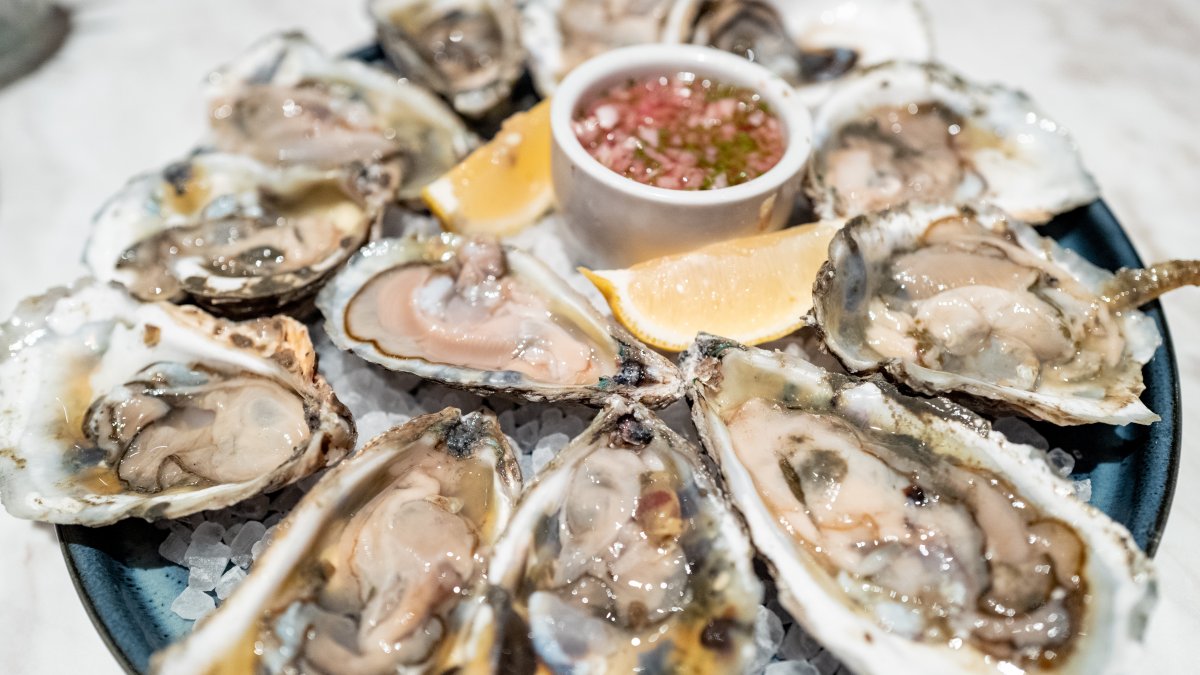
Comprehensive Risk Mitigation Strategies: The investigation reveals that existing food preparation techniques—such as adding hot sauce or lemon juice—provide no meaningful protection against bacterial contamination. Specific cooking recommendations now mandate precise temperature controls, including boiling oysters until shells open or maintaining an internal temperature of 145°F for at least 15 seconds. This signals a fundamental shift in food preparation standards that will require significant investment in training, equipment, and quality control processes.
Market Transformation Implications: The outbreak potentially eliminates non-compliant sellers from the market, creating a competitive advantage for businesses that can rapidly implement rigorous food safety protocols. Seafood importers, distributors, and restaurants must now view regulatory compliance not as a cost center, but as a critical competitive differentiator. The economic impact extends beyond immediate recall costs, potentially reshaping entire supply chain dynamics in the seafood industry.
Strategic recommendations are clear: invest in advanced testing technologies, develop comprehensive staff training programs, and treat food safety as a core business strategy rather than a peripheral concern. The Salmonella outbreak is not just a public health issue—it's a watershed moment that will redefine risk management in the food distribution ecosystem.
Questions 3
How severe is the current Salmonella outbreak in raw oysters?
The outbreak involves 64 confirmed cases across 22 states, resulting in 20 hospitalizations. While no deaths have been reported, the widespread nature of the outbreak indicates a significant food safety concern that requires immediate attention from seafood businesses and regulators.
What cooking methods can effectively eliminate Salmonella risk in oysters?
Health authorities recommend specific cooking techniques: boiling oysters until shells open, steaming for 4-9 minutes, or ensuring an internal temperature of 145°F for at least 15 seconds. Importantly, visual inspection, hot sauce, and lemon juice do not kill harmful bacteria.