



EU's Plastic Import Revolution: Transforming Recycling Through Strategic Trade Barriers
- Emerging regulatory landscape reshapes cross-border plastics trade for e-commerce sellers and manufacturers



Overview
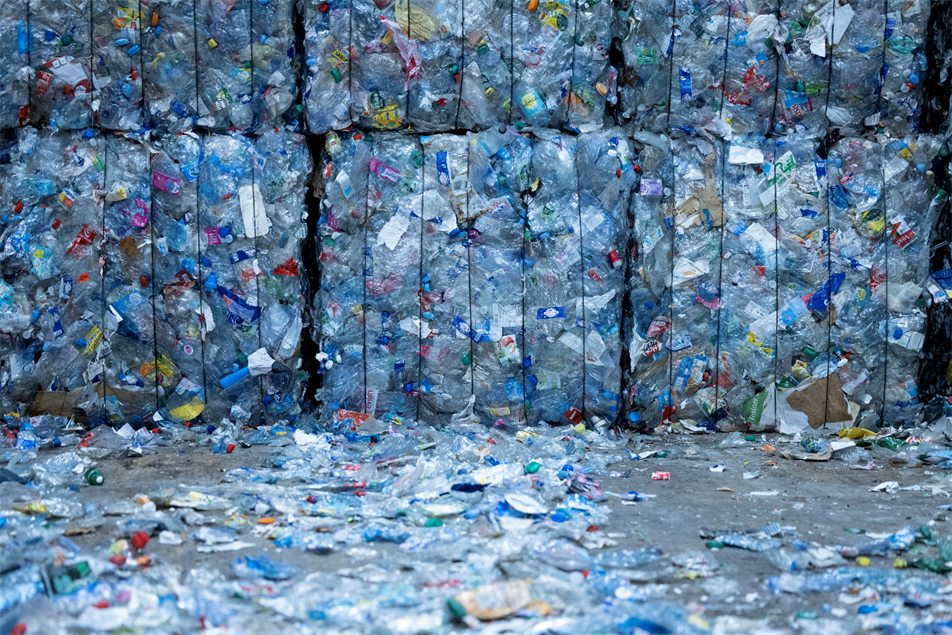
The European Union is orchestrating a profound transformation of its plastics ecosystem, deploying strategic trade policies that will fundamentally reshape global recycling markets. At the core of this shift lies a critical challenge: distinguishing between authentic recycled plastics and cheaper, environmentally unsustainable virgin materials flooding European borders.
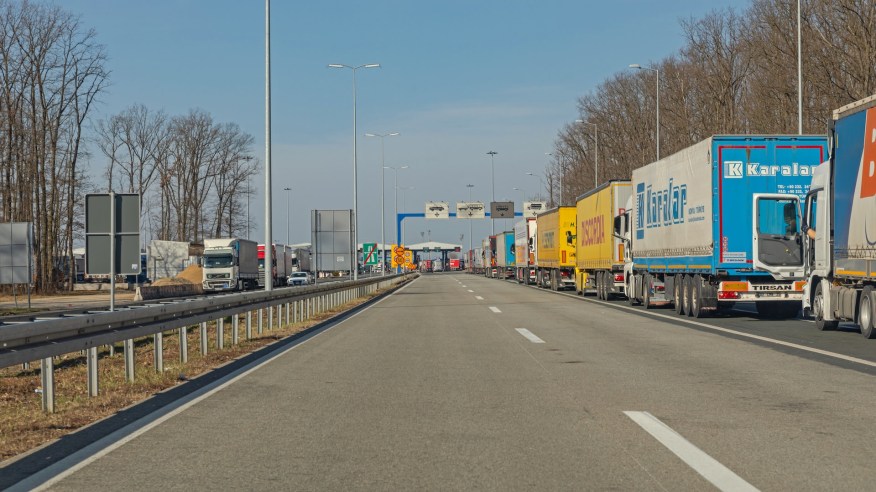
Regulatory Pressure Points are emerging with unprecedented precision. By 2026, the EU will implement a comprehensive set of measures targeting plastic imports, including creating separate customs codes for recycled and virgin plastics, conducting extensive audits of recycling facilities, and supporting laboratory verification of plastic origins. This represents more than a bureaucratic exercise—it's a calculated intervention to protect domestic recycling industries facing existential challenges.
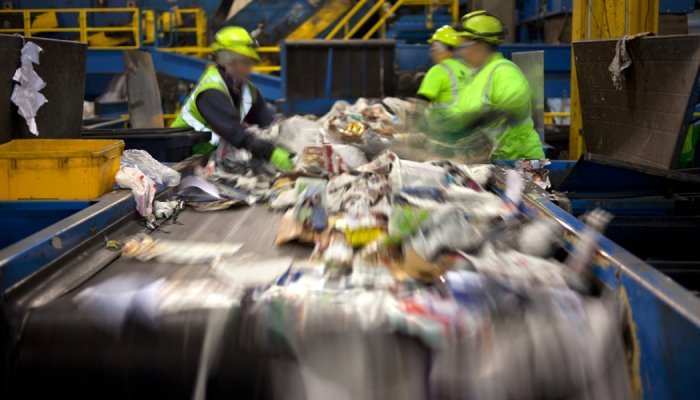
The economic context is stark: European recycling capacity has dramatically contracted, with 10 plastic recycling plants closing in the Netherlands alone, resulting in a loss of 1 million tons of recycling capability. This decline coincides with Asian markets, particularly China, dominating global plastic production at 57% of total output. The EU's response is a strategic pivot from passive regulation to active market engineering.
For cross-border e-commerce sellers, the implications are profound. Companies must now view plastic packaging not just as a logistical consideration, but as a complex compliance challenge. Successful players will need to:
- Develop verifiable recycling documentation
- Invest in sustainable material sourcing
- Prepare for more rigorous customs inspections
- Potentially redesign entire packaging strategies
The broader context extends beyond economic protectionism. These policies reflect a global sustainability imperative, with the United Nations attempting to develop a binding plastics treaty since 2022. The EU is positioning itself as a regulatory pioneer, transforming recycled plastics from waste into a strategic economic resource.
By 2030, the landscape will look dramatically different. Sellers who can demonstrate transparent, sustainable supply chains will gain significant competitive advantages. Those relying on cheap, mislabeled imports will face mounting barriers. This is not just a regulatory shift—it's a fundamental reimagining of how plastics move through the global economy.
Questions 3
How will the new EU regulations impact plastic importers by 2026?
Importers will face significantly increased documentation requirements, including separate customs codes for recycled and virgin plastics, mandatory origin verification, and potential audits. Companies must prepare detailed proof of recycled plastic quality and origins, with non-compliance risking substantial penalties.
What opportunities exist for e-commerce sellers in this new regulatory environment?
Sellers who can demonstrate transparent, verifiable sustainable supply chains will gain competitive advantages. This includes investing in innovative recycling technologies, developing alternative packaging solutions, and creating robust documentation processes that prove recycled material authenticity.