



Transatlantic Political Uncertainty Reshapes Trade Policy Risk | Cross-Border Sellers Face Tariff Volatility
- Growing EU-US diplomatic tensions signal unpredictable trade policy ahead; tariff threats on European nations create 15-25% margin compression risk for sellers shipping to EU markets








Overview
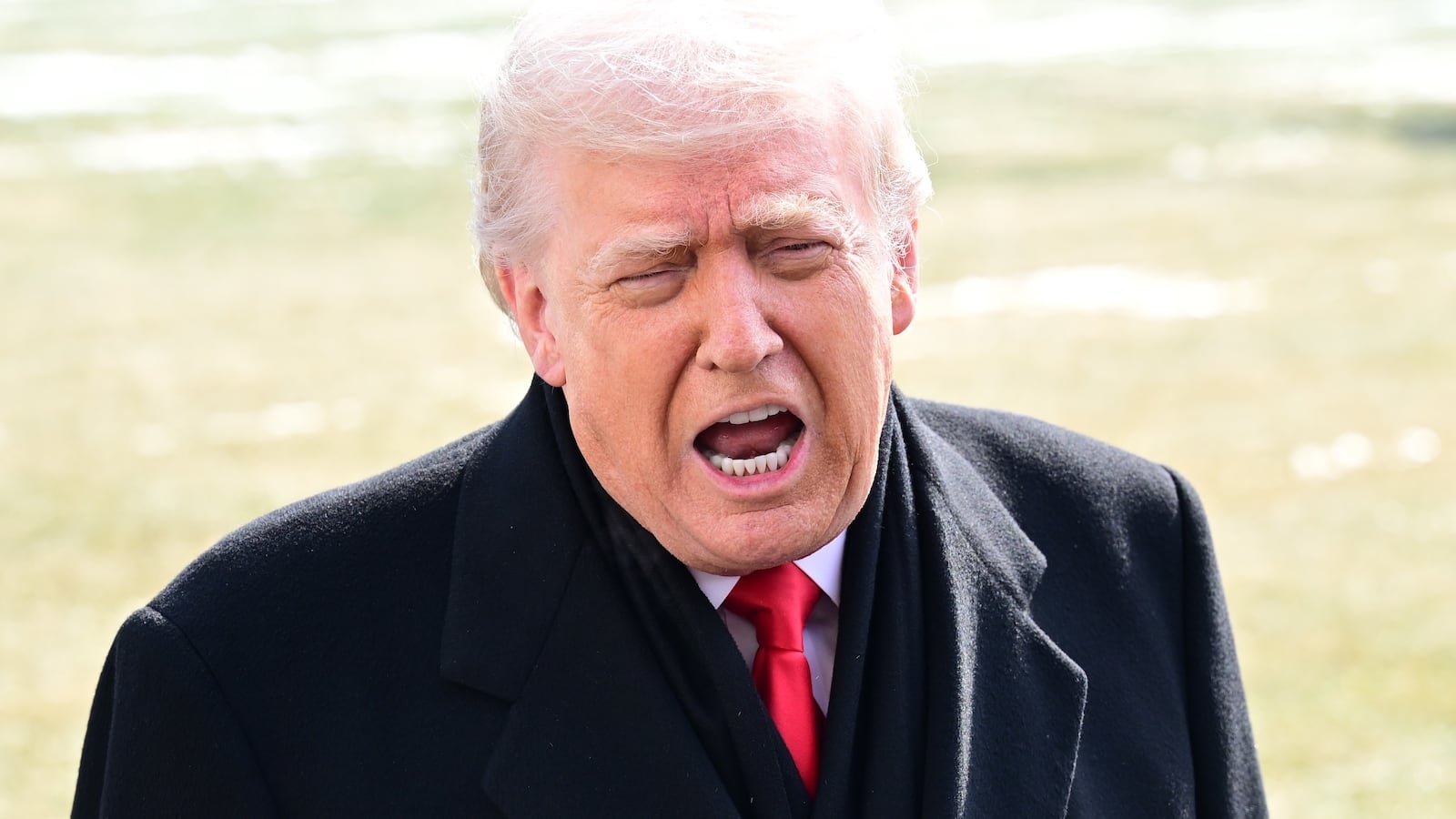
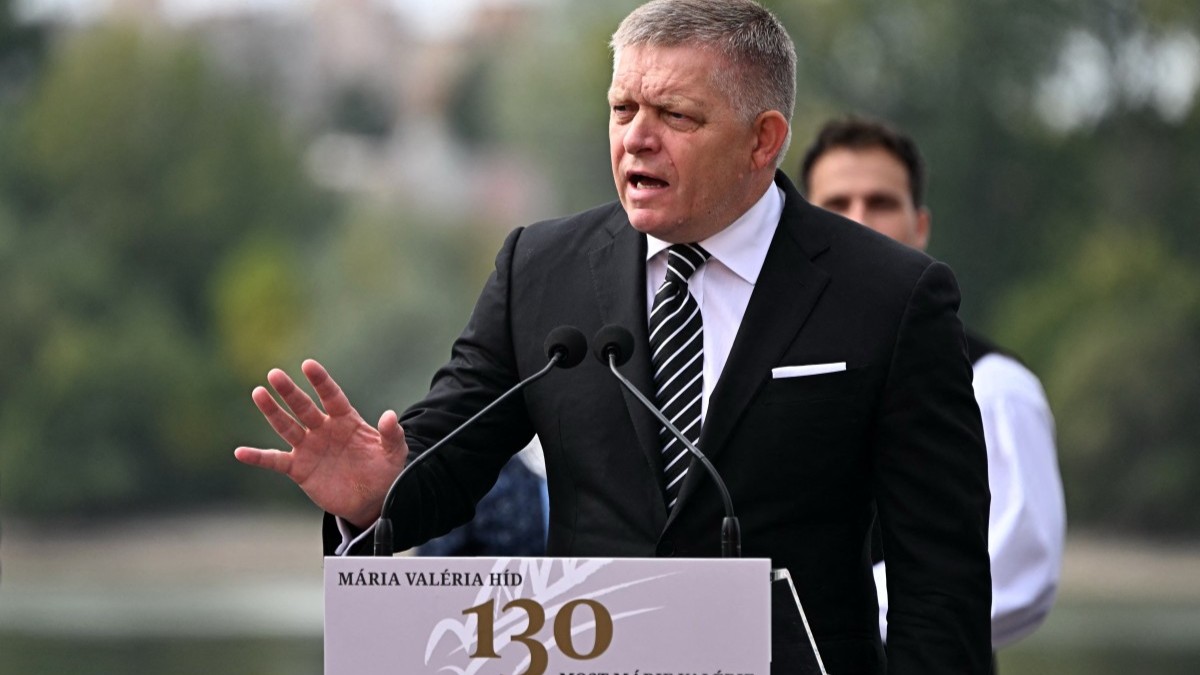
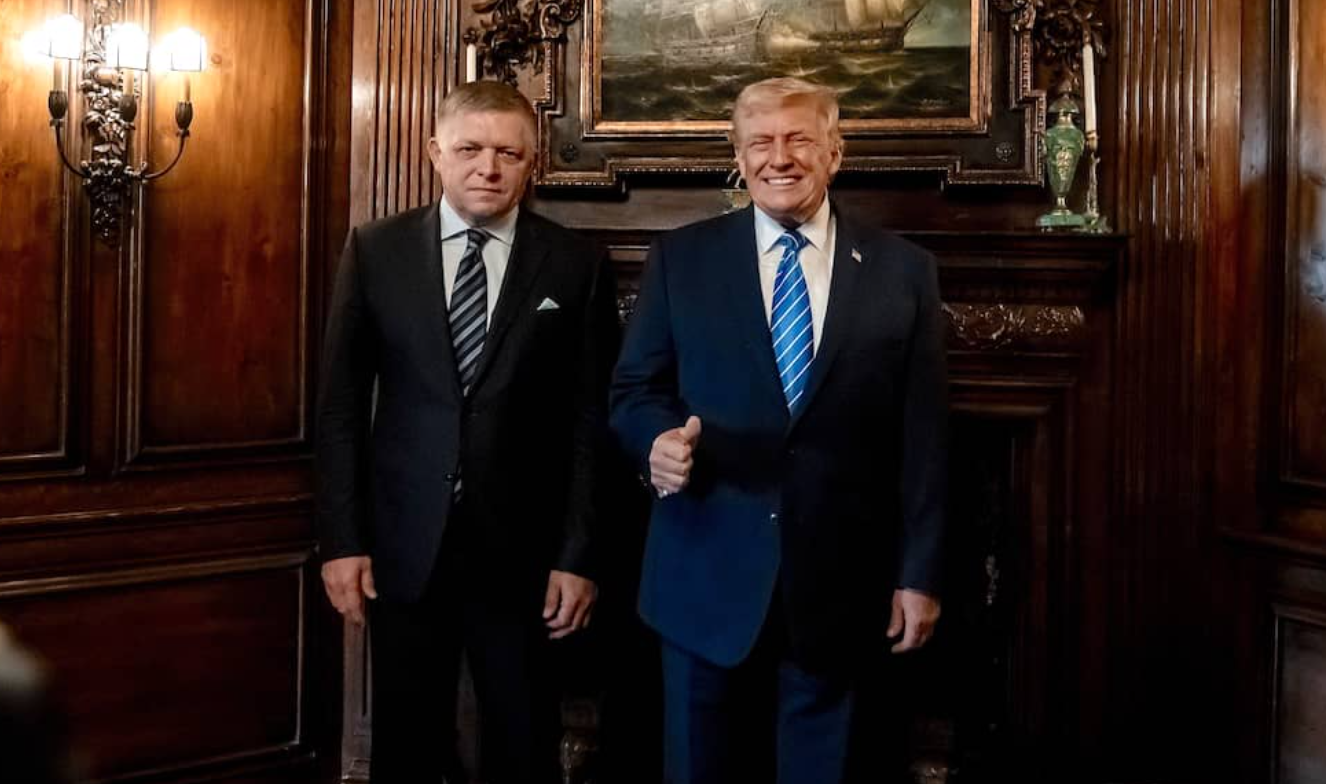
The escalating diplomatic tensions between U.S. President Donald Trump and European Union leaders, highlighted by Slovak Prime Minister Robert Fico's concerns about Trump's unpredictability following their January 2025 Mar-a-Lago meeting, represent a critical macroeconomic risk factor for cross-border e-commerce sellers. Multiple EU diplomats from four governments have expressed concerns about Trump's erratic foreign policy decisions, particularly regarding threats of tariffs on European nations and demands for territorial concessions (Greenland). This political uncertainty directly impacts cross-border sellers operating between the US and EU markets, who face potential tariff escalations that could increase landed costs by 15-25% depending on product category and origin.
For Amazon FBA sellers and Shopify merchants, the immediate operational impact centers on tariff exposure and supply chain recalculation. Trump's documented threats regarding tariffs on European nations create pricing pressure across multiple categories: electronics (typically 5-15% tariff exposure), apparel (12-25% vulnerability), and home goods (8-18% risk). Sellers currently sourcing from EU manufacturers or shipping inventory from US warehouses to European customers face margin compression. The news reports indicate Trump's unpredictability—characterized by rambling, disconnected policy statements and apparent disregard for traditional diplomatic protocols—suggests tariff policies may shift rapidly without advance notice, making inventory planning and pricing strategies increasingly difficult. EU leaders' documented concerns about Trump's mental acuity and decision-making reliability suggest they may pursue independent trade agreements or retaliatory measures, creating secondary tariff risks.
Strategic implications for seller segments: Small-to-medium sellers (SMBs) with 50-500 SKUs face the highest risk, as they lack the negotiating power of enterprise brands to absorb tariff costs. Sellers specializing in EU-origin products (German machinery, Italian fashion, French cosmetics) face 20-30% cost increases if tariffs are implemented. Conversely, sellers positioned in tariff-advantaged categories (medical devices, renewable energy components) may see reduced competition as European competitors withdraw. The diplomatic breakdown also signals potential delays in trade negotiations, meaning tariff uncertainty could persist for 6-12 months, requiring sellers to maintain higher safety stock and cash reserves.
Immediate risk mitigation: Monitor Trump administration tariff announcements through official channels (White House trade office, USTR.gov) rather than relying on diplomatic leaks. Consider diversifying sourcing away from single EU countries toward tariff-advantaged regions (Mexico under USMCA, Vietnam, India). For sellers with significant EU customer bases, evaluate pricing strategies that can absorb 10-15% cost increases without losing Buy Box competitiveness. Track currency volatility—EUR/USD fluctuations typically increase 2-4% during political uncertainty periods, adding secondary margin pressure.
Questions 8
What supply chain changes should sellers make given EU-US political tensions?
The news reports indicate growing EU-US diplomatic breakdown, suggesting potential trade disruptions lasting 6-12 months. Sellers should diversify sourcing away from single EU countries toward tariff-advantaged regions: Mexico (USMCA benefits), Vietnam, India, and Southeast Asia offer lower tariff exposure. For sellers currently sourcing 60%+ from EU manufacturers, consider shifting 20-30% to alternative suppliers within 60 days. Monitor USTR.gov and White House trade office announcements for official tariff lists rather than relying on diplomatic leaks. Maintain 30-45 days of safety stock for high-velocity SKUs to buffer against sudden tariff implementation. Calculate total landed cost including potential tariffs before committing to new supplier contracts.
How do Trump's tariff threats affect Amazon FBA sellers shipping to Europe?
Trump's documented threats regarding tariffs on European nations create direct cost exposure for FBA sellers. If implemented, tariffs could increase landed costs by 15-25% depending on product category and origin country. Electronics sellers face 5-15% tariff exposure, apparel 12-25%, and home goods 8-18%. Sellers should immediately audit their inventory sourcing—products manufactured in EU countries face highest risk. Amazon Seller Central's pricing tools allow scenario modeling; sellers should calculate break-even points assuming 10%, 15%, and 20% tariff increases. The diplomatic uncertainty reported by EU officials suggests tariff policies may change rapidly, requiring flexible pricing strategies rather than fixed cost-plus models.