


Amazon Closes 72 Stores, Pivots to Whole Foods | Retail Consolidation Creates O2O Opportunities
- 57 Amazon Fresh + 15 Amazon Go locations shutting down by February 2026; 100+ Whole Foods expansion signals shift from proprietary retail to established brand leverage and same-day delivery focus





Overview
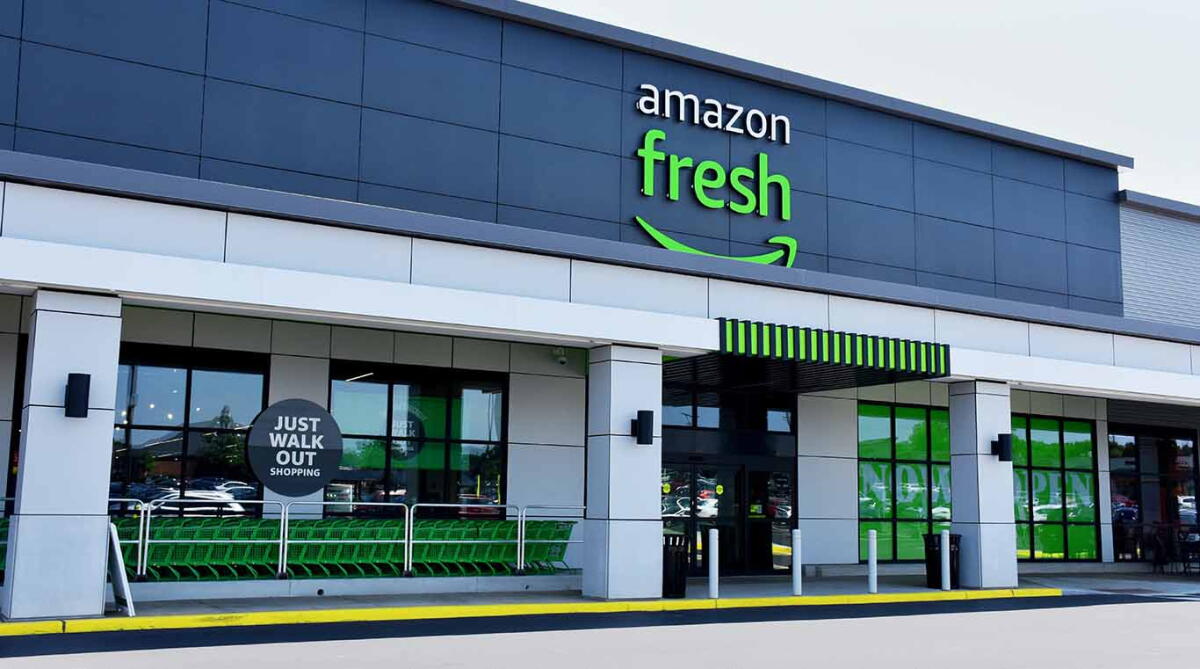
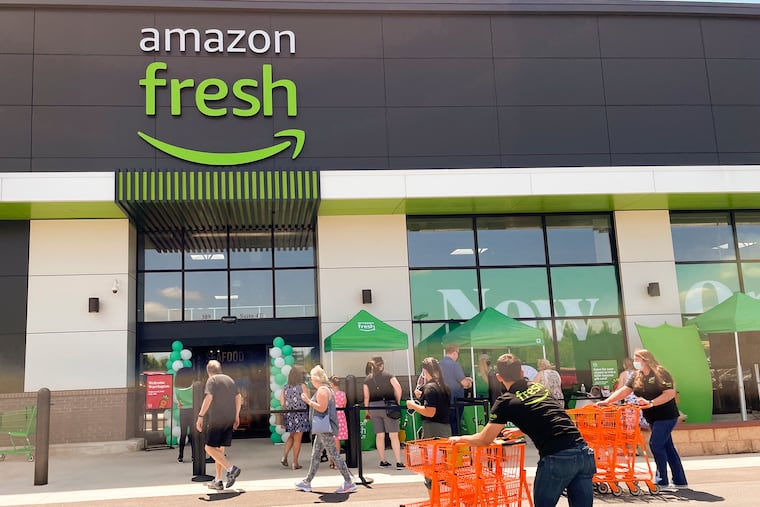
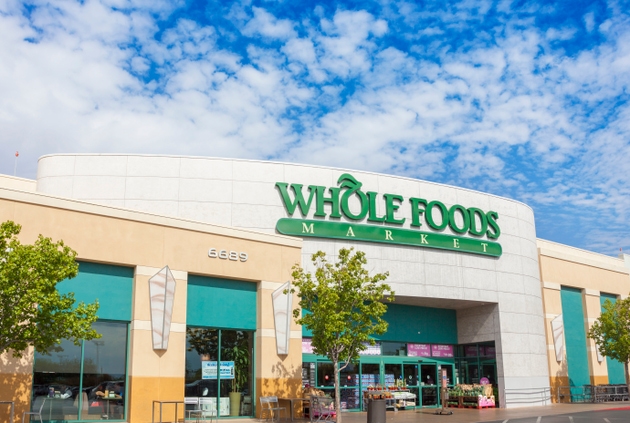
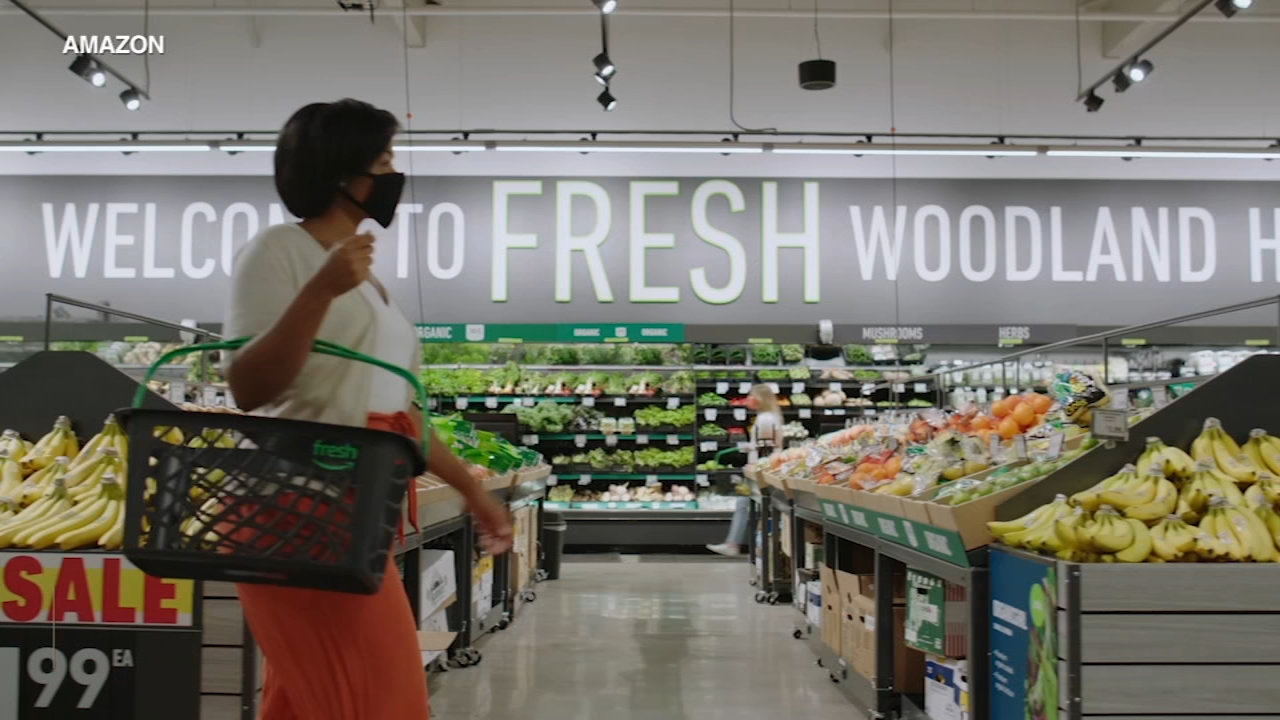
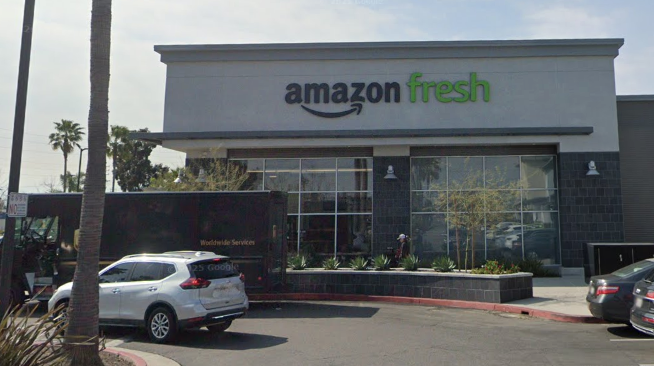
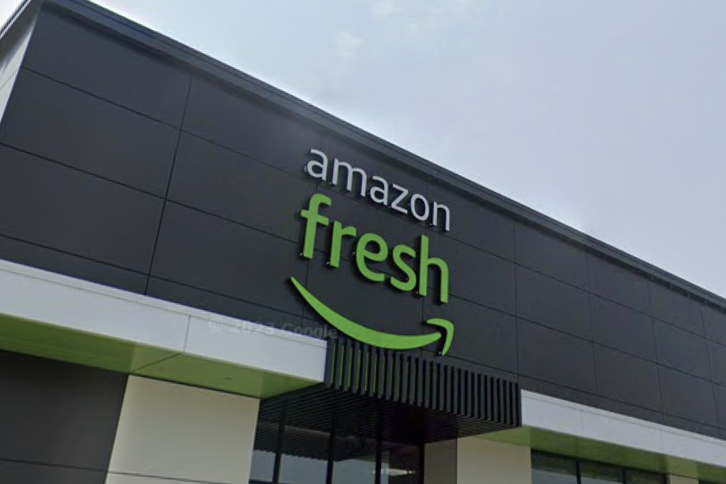
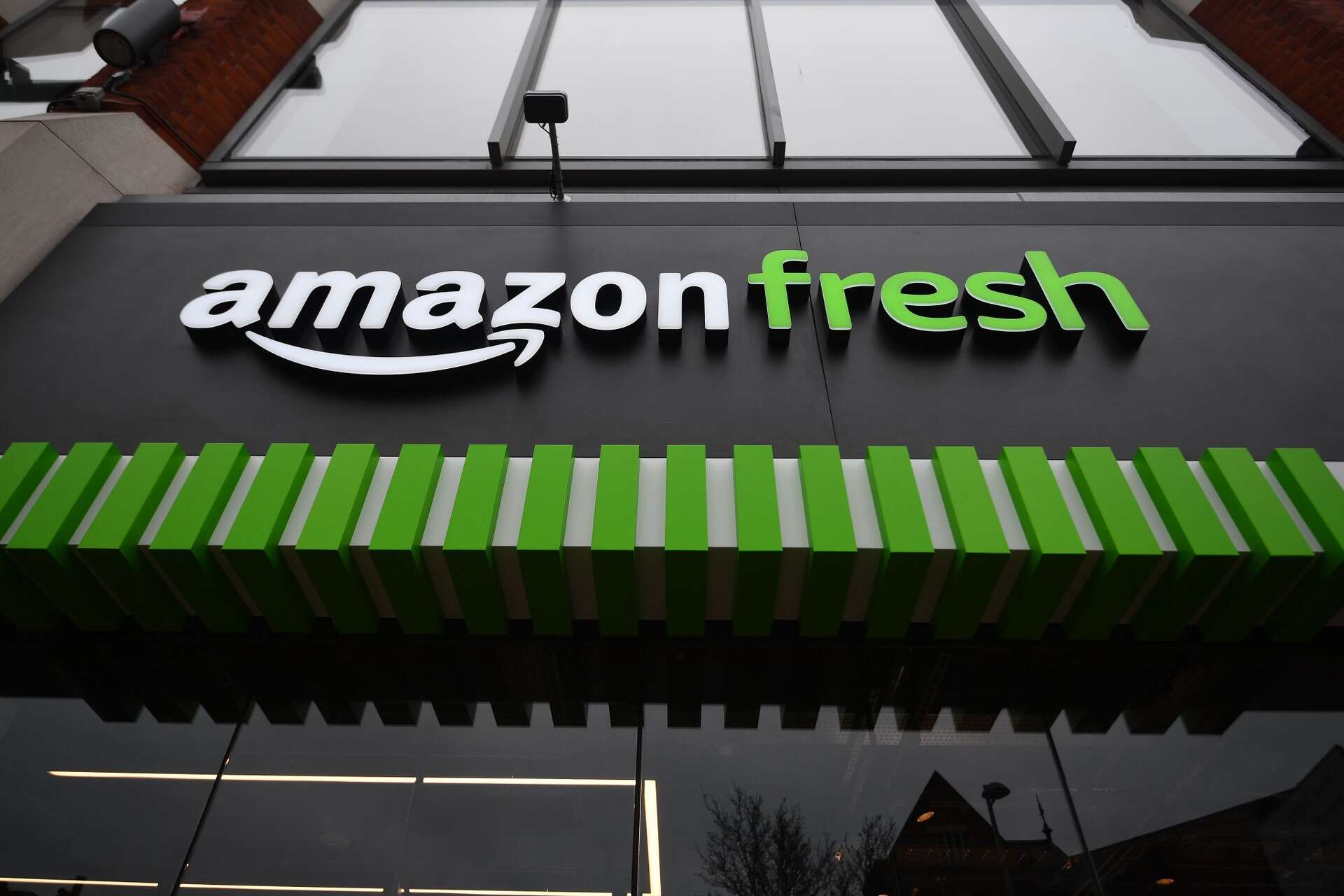
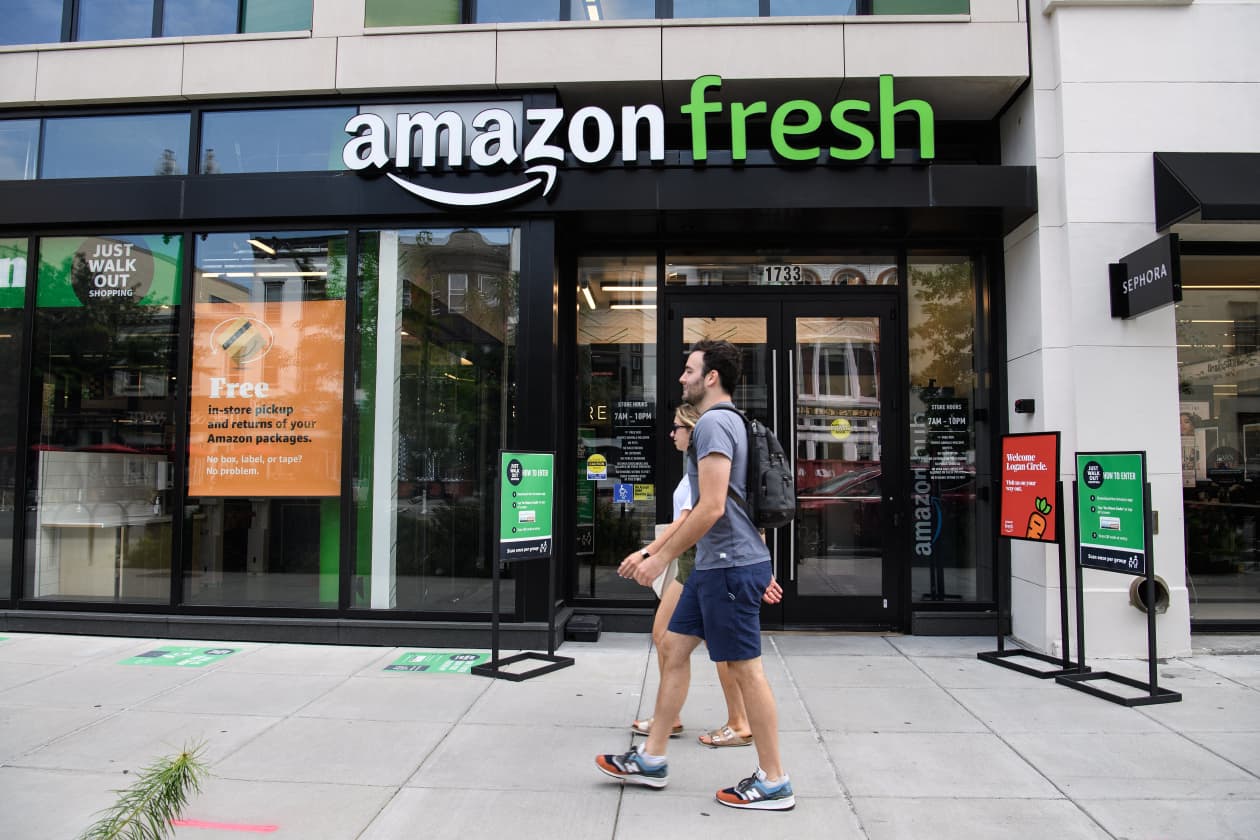
Amazon's announcement to close all 72 Amazon Fresh and Amazon Go locations by February 2026 represents a fundamental strategic retreat from proprietary grocery retail experimentation. The company explicitly stated these stores "haven't yet created a truly distinctive customer experience with the right economic model needed for large-scale expansion"—a critical admission that even Amazon's technological innovations (Just Walk Out cashierless checkout) and logistics infrastructure cannot overcome the structural economics of physical grocery retail. This closure affects 22 California locations including North Hollywood, Los Angeles, and Encino, plus hundreds of additional North American stores that consumed billions in development investment over five years.
The retail consolidation strategy reveals critical O2O insights for sellers. Rather than abandoning physical retail entirely, Amazon is converting select Fresh and Go locations into Whole Foods stores while expanding the Whole Foods Daily Shop format (currently 5 locations, including Hoboken, NJ). This demonstrates Amazon's preference for established brands with proven customer loyalty over experimental formats—a lesson for cross-border sellers considering offline expansion. The company maintains 150+ million annual grocery customers through its online platform and will redirect capital toward same-day delivery infrastructure, warehouse automation, and last-mile logistics networks. Notably, Amazon's Just Walk Out technology will continue operating in 360+ third-party locations, indicating the technology itself has value even if Amazon's branded retail model failed.
For sellers, this signals three critical market shifts: First, Amazon's logistics infrastructure investment accelerates, improving delivery speeds and fulfillment reliability for third-party sellers—particularly beneficial for grocery, fresh, and perishable categories where speed determines customer satisfaction. Second, Whole Foods becomes the primary Amazon physical retail channel, creating partnership opportunities for premium/organic product categories that align with Whole Foods' brand positioning. Third, the failure of proprietary retail models validates the O2O strategy of leveraging established retail partners rather than building independent store networks. Sellers attempting to build direct-to-consumer physical presence should prioritize partnerships with proven retail chains (Whole Foods, regional grocers, specialty retailers) over standalone pop-ups or showrooms in untested markets.
The broader retail industry context matters: grocery operates on 1-3% margins with high operational costs, making scale essential for profitability. Amazon's inability to achieve this scale despite technological advantages suggests that experiential retail and convenience shopping remain difficult to monetize at scale. For sellers, this means focusing on categories where online delivery provides genuine competitive advantage (pantry staples, bulk items, specialty products) rather than impulse-driven convenience categories where physical presence traditionally dominates.
Questions 8
What are the timeline and regional implications for sellers?
All closures complete by February 2026, affecting 57 Amazon Fresh and 15 Amazon Go locations across North America, with 22 in California (North Hollywood, Los Angeles, Encino). Sellers should expect supply chain disruptions in these regions during Q4 2025 and Q1 2026 as Amazon consolidates inventory and transitions locations to Whole Foods. Regional sellers in California should prepare for temporary demand shifts and potential customer migration to alternative retailers. Sellers relying on Amazon Fresh for regional distribution should identify alternative retail partners (Whole Foods, regional grocers, specialty chains) by Q3 2025. Monitor Amazon's official announcements for specific closure dates by location to plan inventory transitions.
How should sellers adjust inventory strategy given these closures?
Sellers should shift inventory allocation from impulse-driven convenience categories toward premium, specialty, and bulk categories that benefit from Whole Foods integration and same-day delivery. Reduce inventory targeting Amazon Fresh's convenience positioning (grab-and-go meals, quick snacks) and increase inventory for categories with higher margins and stronger online demand (organic products, specialty foods, bulk items). Monitor Whole Foods vendor requirements and category standards, as these differ from Amazon Fresh. Consider 3PL partnerships for faster fulfillment to capitalize on Amazon's same-day delivery expansion. Track regional demand patterns, as 22 California locations closing may create temporary supply gaps in North Hollywood, Los Angeles, and Encino markets.