


Amazon FBA Restructuring 2026 | Seller Impact from 30K Layoffs & AI Automation
- 30,000 corporate job cuts since October 2025 signal faster decision-making but potential FBA support gaps; $125B AI investment accelerates warehouse automation affecting 500K+ logistics roles


















Overview
Amazon's announcement of 16,000 additional corporate layoffs on January 28, 2026—following 14,000 cuts in October 2025—represents a strategic pivot toward AI-driven efficiency that carries significant implications for cross-border e-commerce sellers. The 30,000 total job reductions (10% of Amazon's 350,000-person corporate workforce) reflect CEO Andy Jassy's commitment to "reducing layers, increasing ownership, and removing bureaucracy" while the company simultaneously invests $125 billion in data center infrastructure and large language models. This restructuring creates a paradoxical opportunity-risk dynamic for FBA sellers: streamlined decision-making could accelerate policy changes and feature rollouts, but reduced headcount in seller support, policy teams, and logistics coordination may create service gaps during critical periods.
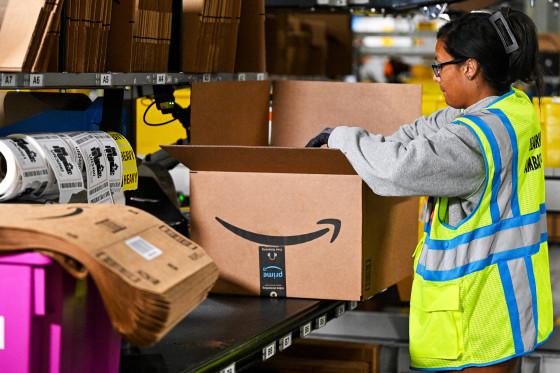
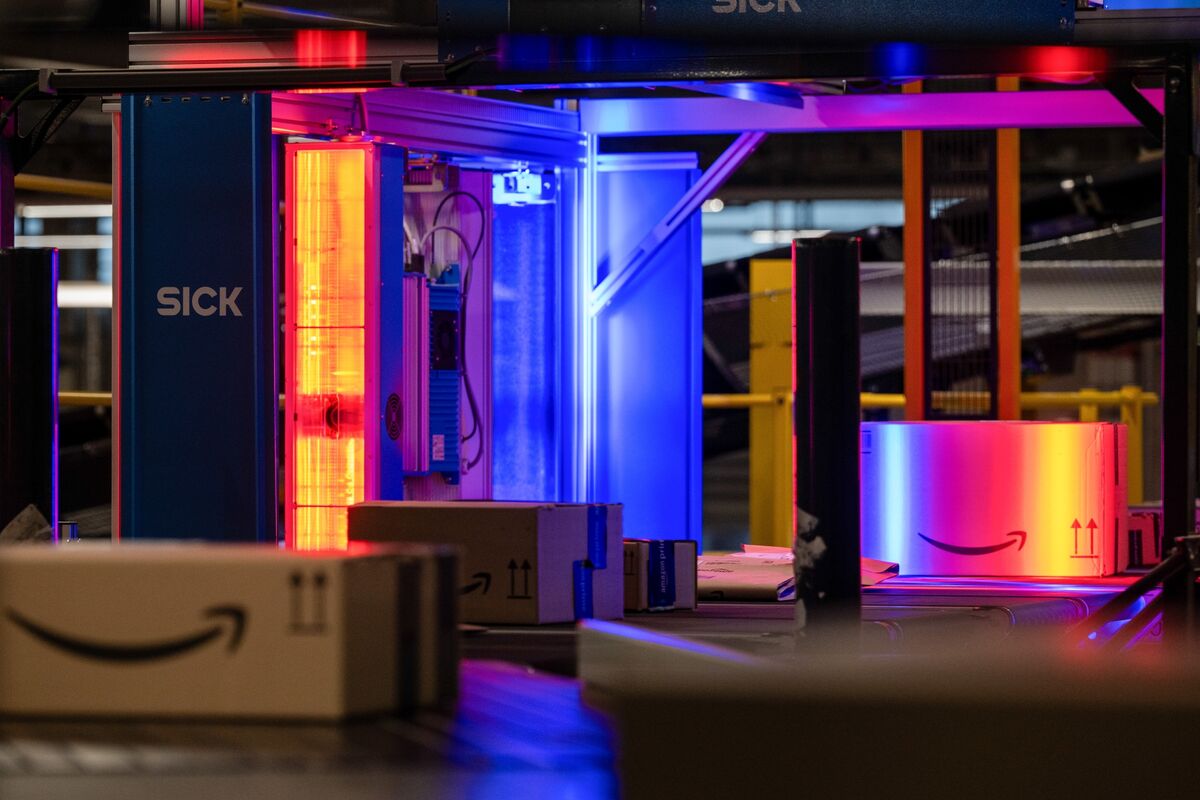
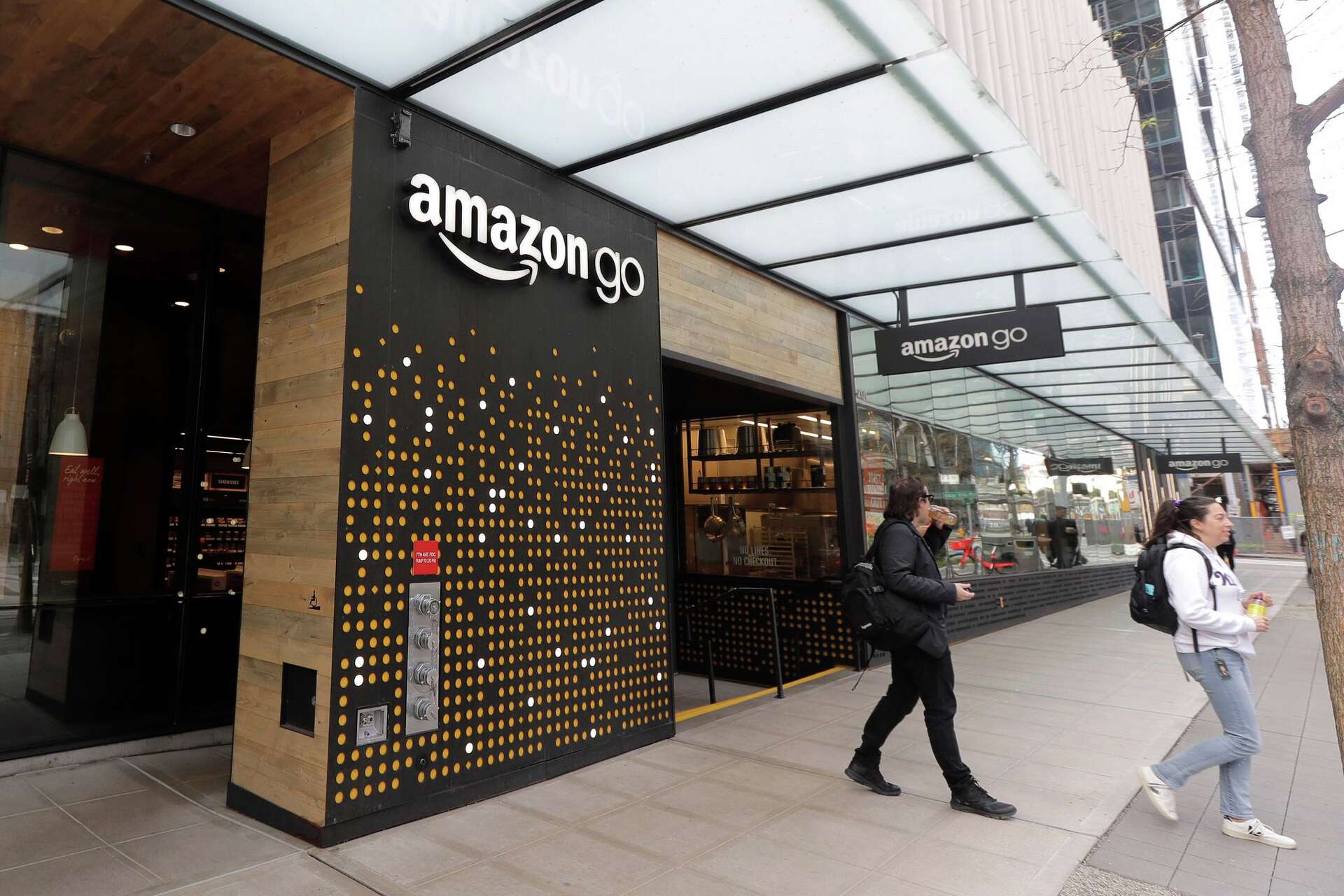
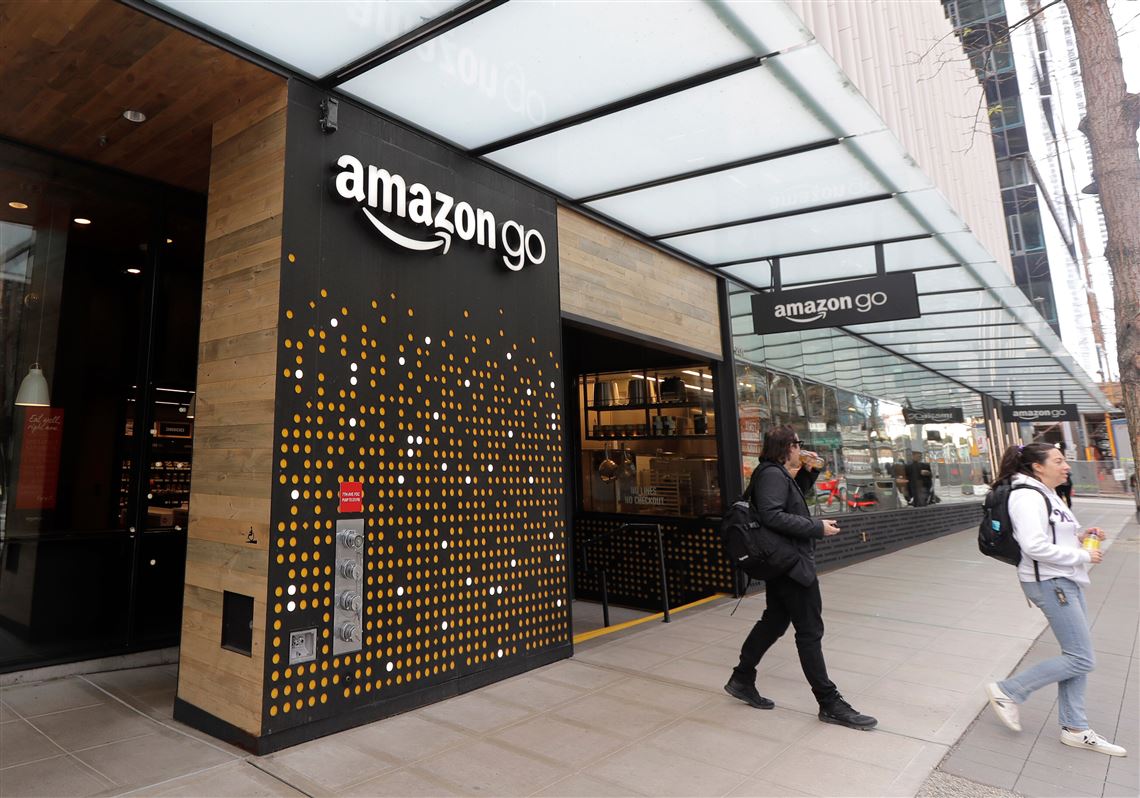
The AI-Driven Logistics Transformation Reshaping FBA Operations: Amazon's $125 billion capital expenditure forecast—the highest among megacap companies—signals aggressive automation of warehouse and fulfillment operations. The company has previously announced plans to replace over 500,000 warehouse jobs with robotics technology, indicating that while corporate headcount shrinks, operational automation accelerates. For FBA sellers, this means faster processing times and improved inventory turnover in some cases, but also reduced human touchpoints for exception handling, damaged goods claims, and complex logistics issues. Sellers managing high-volume inventory (1,000+ units monthly) should expect increased reliance on automated systems for returns processing, quality control, and shipment routing. The closure of Amazon Fresh and Amazon Go stores (64 locations total) signals Amazon's shift from retail real estate to logistics infrastructure, freeing capital for fulfillment network expansion and automation deployment.
Seller Support Responsiveness and Policy Implementation Timeline Risks: While Amazon emphasizes that layoffs target "bureaucratic layers" rather than customer-facing teams, the 10% reduction in corporate workforce inevitably affects policy development, seller education, and support responsiveness. Historical patterns from Amazon's 2022-2023 restructuring (30,000 positions eliminated) showed 4-8 week delays in policy clarification, increased seller support ticket resolution times, and slower rollout of seller-requested features. The current restructuring, combined with immediate 90-day transition periods for affected employees, suggests potential service disruptions during Q1-Q2 2026. Sellers should anticipate: (1) delayed responses to seller support cases during February-March 2026, (2) slower implementation of policy changes announced in Q1, and (3) reduced availability of seller education resources and webinars. Proactive sellers should document current policies, establish 3PL backup plans, and reduce dependency on Amazon seller support for non-critical issues during the transition period.
Strategic Opportunities in Streamlined Decision-Making and Fee Structure Negotiations: The stated goal of "increasing ownership and removing bureaucracy" historically correlates with faster decision-making on seller-requested policy changes. During Amazon's 2023 restructuring, sellers reported accelerated approval timelines for category exemptions, faster resolution of account suspension appeals, and quicker implementation of seller feedback on fee structures. The current restructuring, combined with Jassy's explicit focus on "capacity to invent for customers," suggests Amazon may accelerate rollout of AI-powered seller tools, automated listing optimization, and dynamic pricing features. Sellers with pending policy appeals, category expansion requests, or fee negotiation discussions should prioritize submitting documentation before March 2026, when decision-making processes stabilize post-restructuring. The company's emphasis on "strategic hiring in business-critical areas" indicates investment in AI/ML seller tools, suggesting new automation features may launch in Q2-Q3 2026 that could provide competitive advantages for early adopters.
Questions 8
What competitive opportunities emerge from Amazon's organizational restructuring?
Amazon's focus on 'removing bureaucracy' and accelerating decision-making creates opportunities for sellers to: (1) submit policy appeals and category expansion requests with faster approval timelines (submit before March 2026), (2) negotiate fee structures during the transition period when decision-making is streamlined, and (3) participate in beta testing of new AI seller tools launching in Q2-Q3 2026. Additionally, the closure of Amazon Fresh and Go stores creates opportunities for specialty food and gourmet product sellers to expand on Whole Foods marketplace and Amazon's rapid delivery services. Sellers should also monitor for new seller tools and automation features that could provide competitive advantages. The restructuring's emphasis on efficiency suggests Amazon may accelerate implementation of seller-requested features, making this an optimal time to submit feature requests and feedback.
Which seller segments face the highest risk from Amazon's restructuring?
Sellers most vulnerable to restructuring impacts include: (1) high-volume FBA sellers (1,000+ units monthly) dependent on Amazon support for exception handling, (2) sellers in complex categories requiring policy clarification (electronics, hazmat, restricted items), (3) sellers with pending account suspension appeals or policy exemption requests, and (4) sellers relying on Amazon seller education resources for training. Conversely, sellers with standardized products, strong quality metrics, and established 3PL relationships face minimal disruption. Cross-border sellers shipping to multiple regions should establish backup support channels and document current policies before Q1 2026. Sellers in high-risk segments should consider diversifying to alternative platforms (eBay, Shopify, TikTok Shop) to reduce Amazon dependency during the transition period.