



Aluminium OS Unified Platform | AI-Powered Multi-Channel Seller Automation Opportunity 2026
- Google's Android-ChromeOS hybrid OS enables desktop-mobile synchronization for sellers managing multi-channel operations; early automation opportunities in inventory management, POS systems, and cross-device business tools





Overview
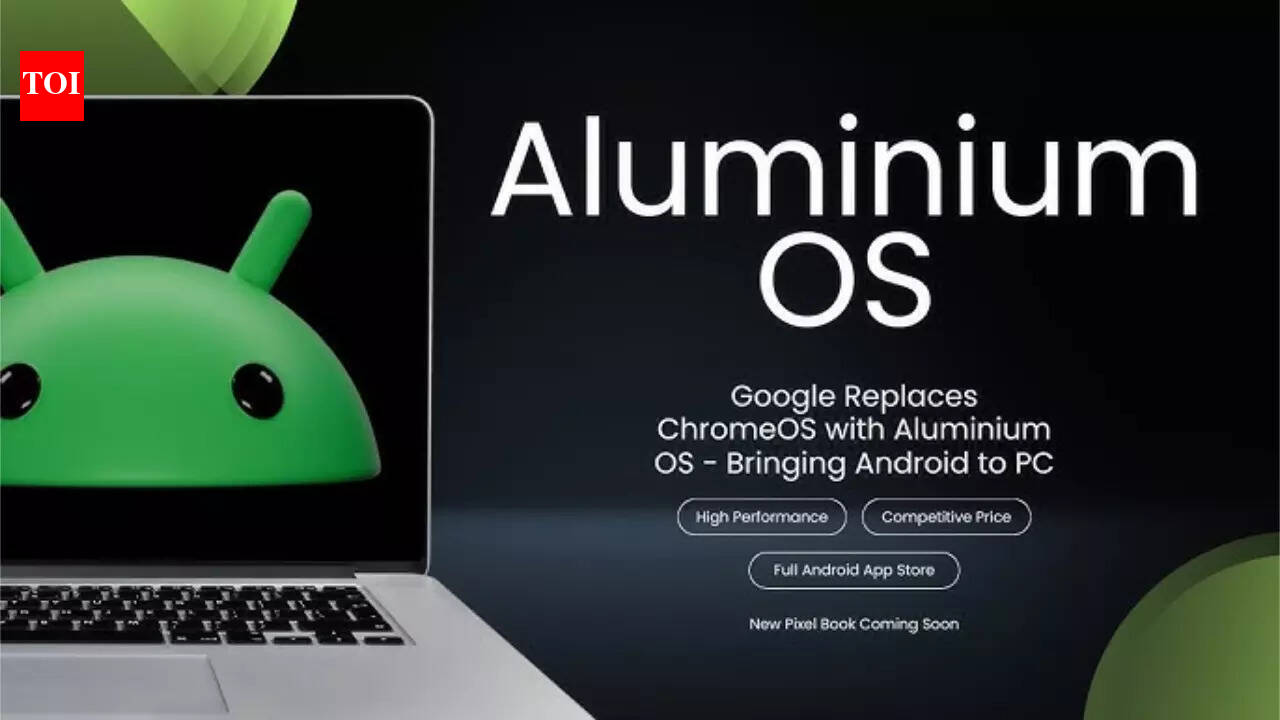
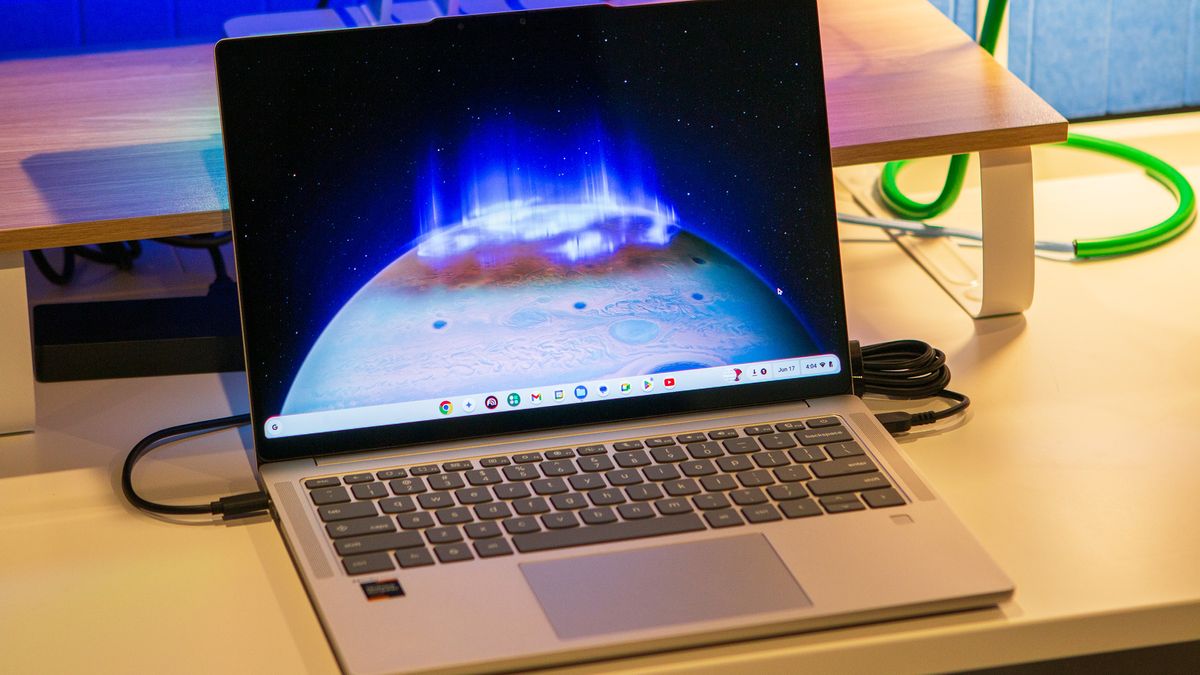
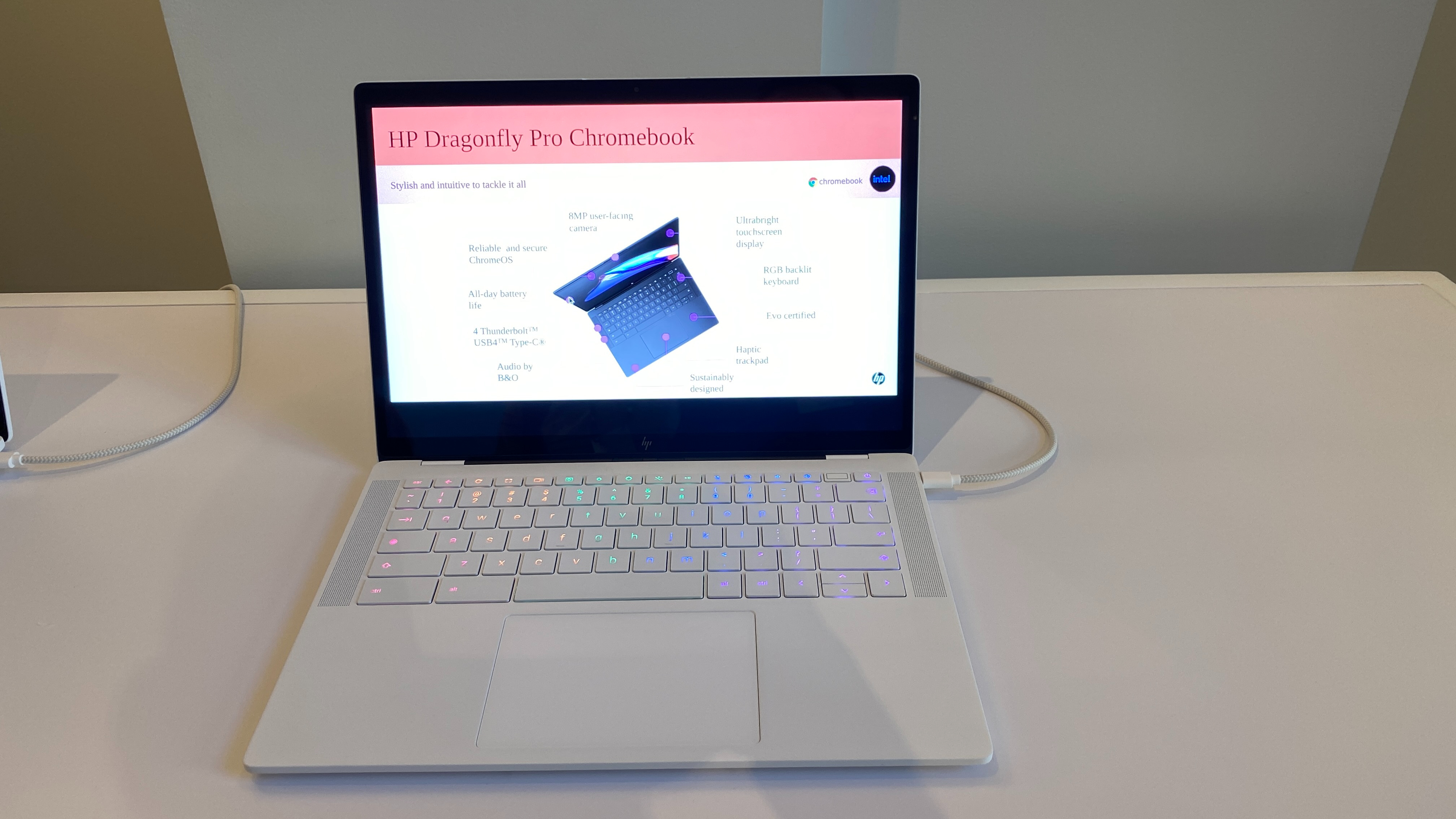
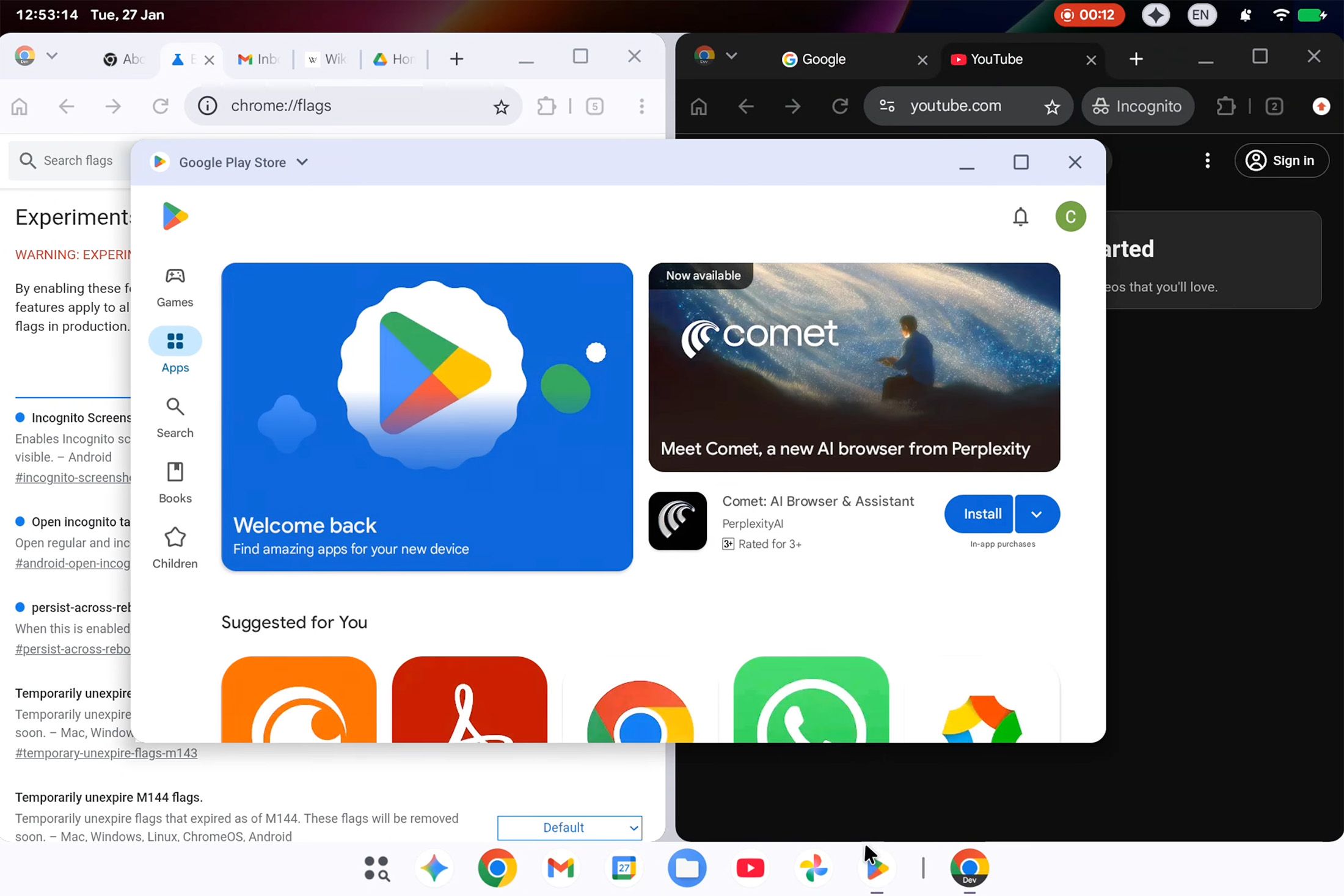
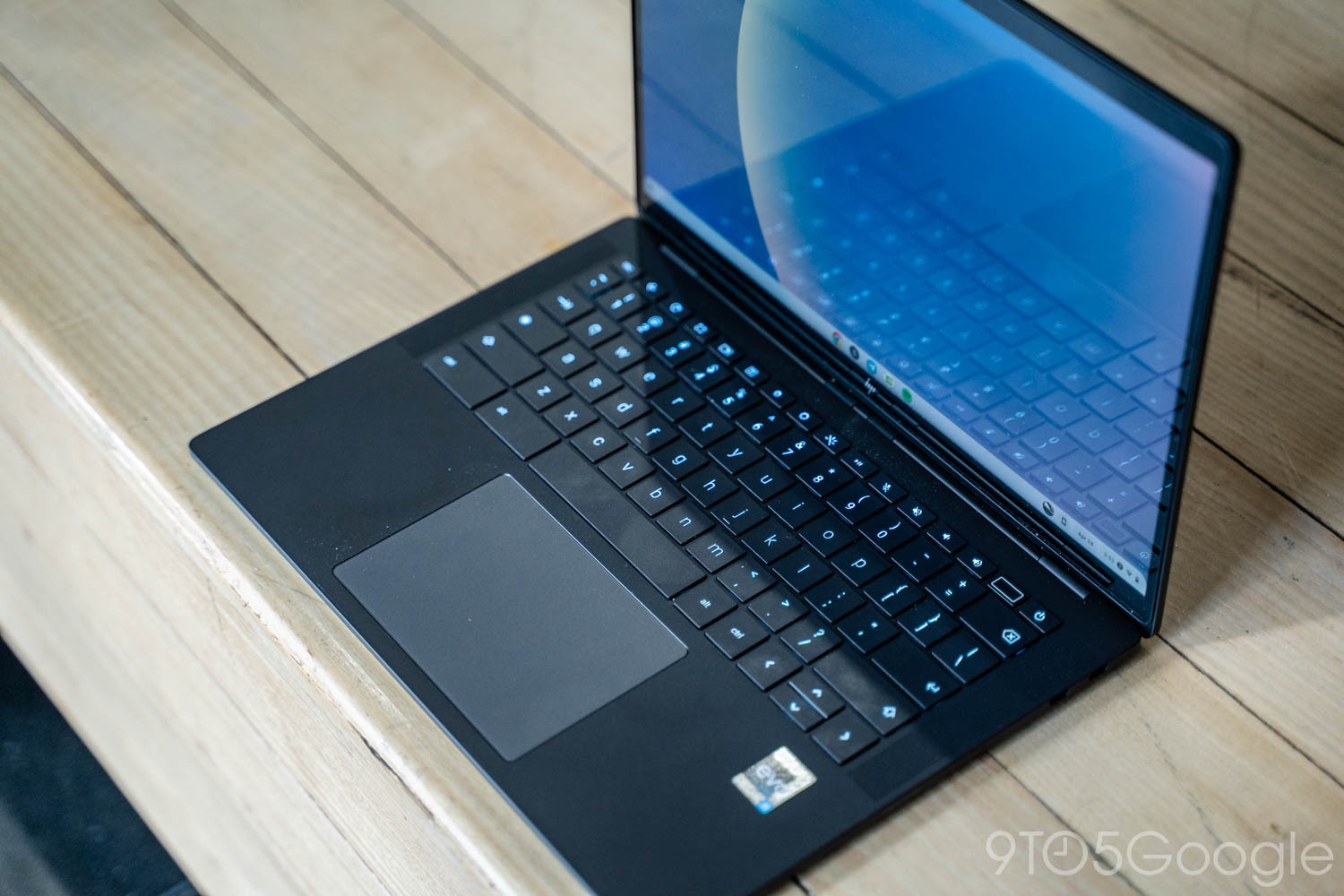
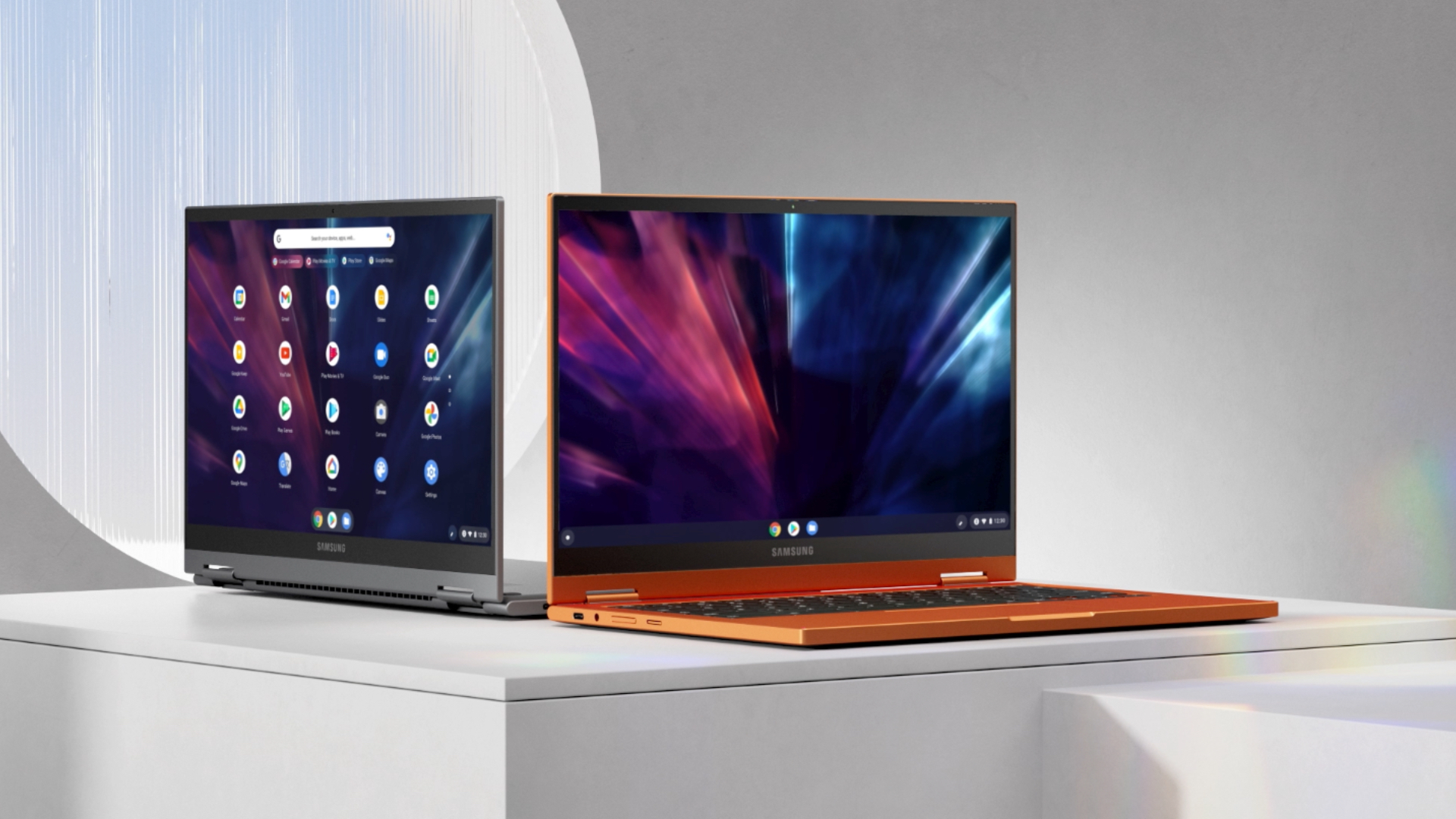
Google's inadvertent leak of Aluminium OS (Android 16 ALOS build) on January 27, 2026, reveals a transformative unified computing platform that directly impacts e-commerce seller infrastructure. The hybrid OS, demonstrated on an HP Elite Dragonfly 13.5 Chromebook with Google Play Store integration and split-screen multitasking, signals Google's strategic pivot toward seamless mobile-desktop synchronization. While the technology remains in early testing with no confirmed commercial timeline, this development creates immediate automation opportunities for cross-border sellers managing multi-channel operations across mobile and desktop environments.
AI Automation Opportunities for Sellers: The unified platform architecture enables sellers to leverage AI-powered inventory synchronization across devices without manual data entry. Sellers currently managing Android-based point-of-sale systems, mobile inventory apps, and desktop fulfillment tools can anticipate 15-25 hours/week time savings through automated cross-device data synchronization. AI tools like Zapier, Make.com, and emerging Google Workspace automation can immediately begin mapping Android app workflows to desktop operations, creating competitive advantages for early adopters. Sellers utilizing Shopify Mobile, Amazon Seller Central mobile app, and eBay mobile tools can prepare integration strategies now, potentially reducing manual reconciliation tasks by 60-70% once Aluminium OS reaches commercial availability.
Data-Driven Competitive Intelligence: The leak reveals Google's commitment to blurring mobile-desktop boundaries, positioning sellers to exploit predictive analytics opportunities. Sellers can use AI analysis to identify which inventory management tasks are most time-consuming across devices, then automate those workflows first. The Google Play Store integration suggests future native e-commerce app compatibility, enabling sellers to build AI-powered product recommendation engines that function identically on mobile and desktop. This unified environment creates opportunities for dynamic pricing automation, real-time inventory alerts, and customer service chatbots that operate seamlessly across all seller touchpoints.
Strategic Positioning for 2026-2027: Sellers should immediately audit their current tech stack to identify Android-dependent tools (POS systems, mobile inventory apps, customer management platforms) that could benefit from desktop integration. The 12-month window before likely commercial availability provides time to test automation workflows, train teams on unified platform operations, and establish competitive moats through early AI adoption. Sameer Samat's indication of additional Aluminium OS information throughout 2026 suggests quarterly announcements—sellers should monitor these releases for API documentation and developer tools that enable deeper automation integration.
Questions 8
What data analysis opportunities does Aluminium OS create for sellers?
The unified platform enables AI-powered analysis of seller behavior across mobile and desktop touchpoints, revealing which tasks consume the most time and which automation opportunities deliver highest ROI. Sellers can use AI tools to analyze their current workflow data and identify bottlenecks that Aluminium OS integration could eliminate—for example, discovering that 40% of daily time is spent manually reconciling mobile sales with desktop inventory. This data-driven approach allows sellers to prioritize automation investments and measure expected time savings before implementation. Additionally, the unified environment enables predictive analytics for demand forecasting, dynamic pricing optimization, and customer behavior analysis that functions seamlessly across all seller channels.
How can sellers automate workflows immediately using current tools?
Sellers can begin mapping Android app workflows to desktop operations using Zapier, Make.com, and Google Workspace automation tools right now, without waiting for Aluminium OS commercial release. Identify the most time-consuming manual tasks in your current mobile-to-desktop workflow (inventory updates, order syncing, pricing changes) and create automated triggers that execute these tasks across devices. For example, set up Zapier workflows that automatically update desktop inventory when mobile POS systems record sales, or sync pricing changes from desktop tools to mobile apps in real-time. These automation frameworks will transfer directly to Aluminium OS once available, giving early adopters a 6-12 month competitive advantage in operational efficiency.