
Counterfeit Crackdown: How Safety Regulations Are Reshaping Consumer Protection
- Emerging compliance challenges expose critical gaps in online marketplace safety for consumers and sellers
Overview
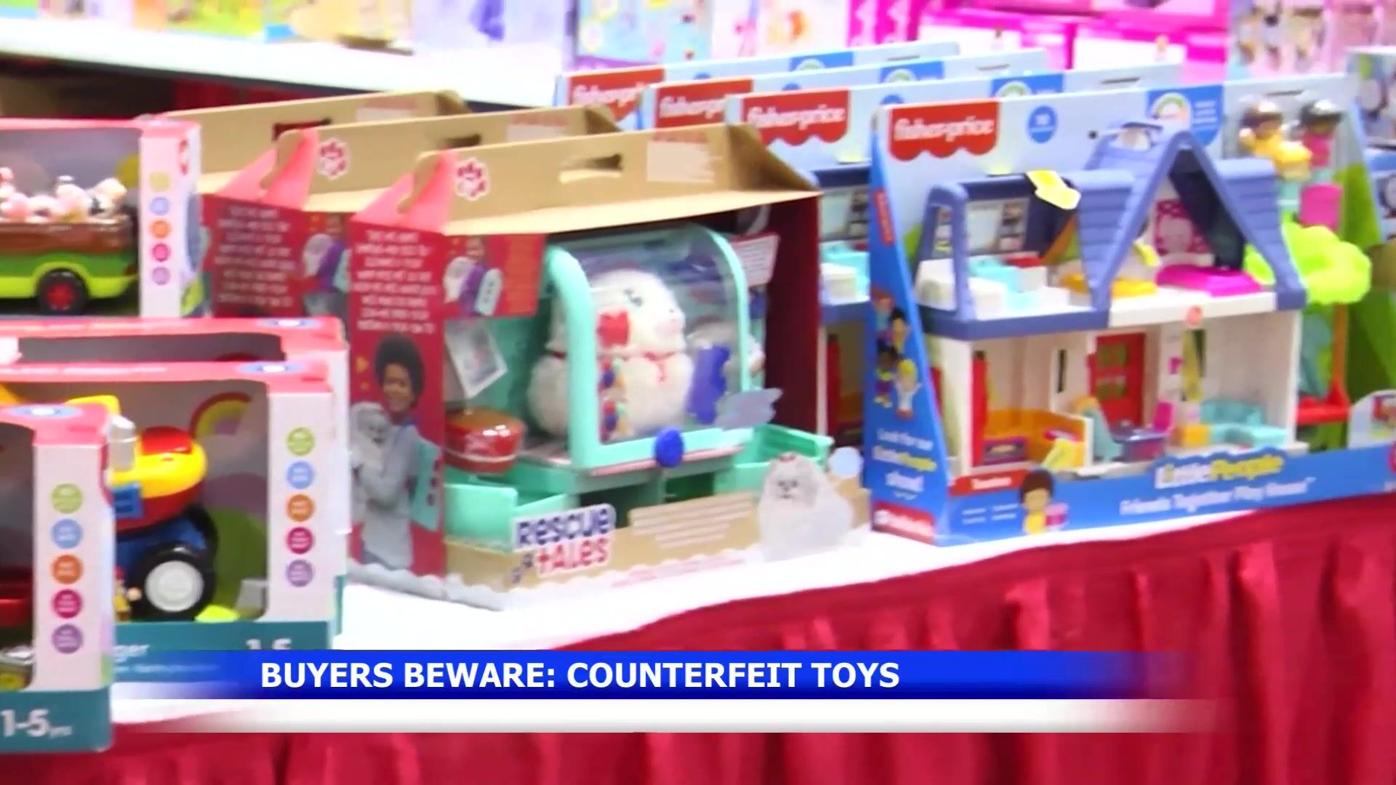
The landscape of product compliance is undergoing a critical transformation, driven by the escalating risks of counterfeit goods in digital marketplaces. The Spokane Regional Health District's recent warning about counterfeit toys reveals a deeper systemic challenge that extends far beyond holiday shopping—it represents a fundamental shift in how product safety and regulatory oversight must operate in the digital age.
Compliance barriers are emerging as powerful market gatekeepers, particularly in e-commerce ecosystems where traditional quality control mechanisms break down. The case of Labubus monster plushies—legitimate versions retailing up to $1,000—illustrates how price disparities drive consumers toward potentially dangerous counterfeit alternatives. This dynamic creates a critical compliance challenge: how can platforms and regulators protect consumers without stifling market innovation?
The strategic implications are profound. Verification processes are becoming a competitive advantage, with recommendations focusing on multiple layers of protection: checking UL safety marks, verifying product sources, and conducting thorough brand authentication. For e-commerce sellers, this means investing in robust compliance infrastructure is no longer optional—it's an existential necessity. The market is rapidly moving toward a model where product legitimacy is as important as the product itself.
Moreover, the broader context signals a significant regulatory evolution. Consumer vigilance is being systematically elevated from an individual responsibility to a structured, technology-enabled protection mechanism. Platforms are being compelled to develop more sophisticated authentication technologies, creating a new ecosystem of compliance verification services. This shift suggests that the next generation of e-commerce will be defined not just by product availability, but by demonstrable safety and authenticity.
The long-term trajectory is clear: compliance is transforming from a bureaucratic checkbox to a core value proposition. Sellers who can rapidly and transparently demonstrate product safety will gain significant market advantages, while those who cannot will be progressively marginalized by increasingly sophisticated regulatory frameworks.
Questions 3
How are regulatory bodies responding to the rise of counterfeit goods?
Regulatory bodies are increasingly focusing on platform accountability, developing more sophisticated verification technologies, and creating stricter guidelines for online marketplaces to authenticate and validate product safety before allowing sales.
What strategies can consumers use to avoid counterfeit products?
Consumers should verify product sources, check for official safety marks like UL certification, purchase from trusted retailers, visit official brand websites, carefully examine packaging, read comprehensive reviews, and avoid one-click purchases from unfamiliar platforms.