




Android Security Updates Affect 1B Devices | Mobile Commerce Trust & Payment Processing Impact
- Google's 1 billion device security patch and theft protection rollout creates immediate compatibility requirements for sellers using Android-based POS, inventory, and payment systems; Brazil's mandatory default-on theft detection signals emerging market security priorities affecting regional seller operations























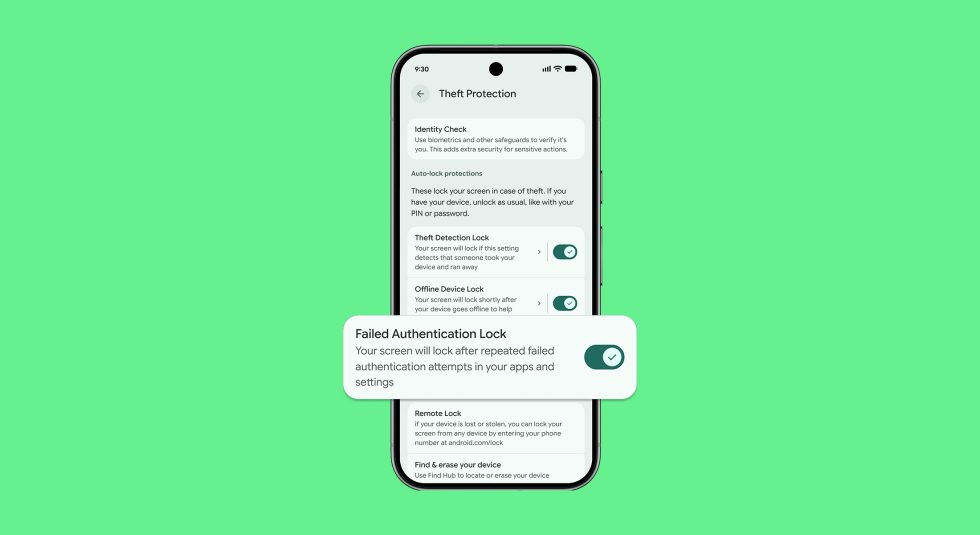
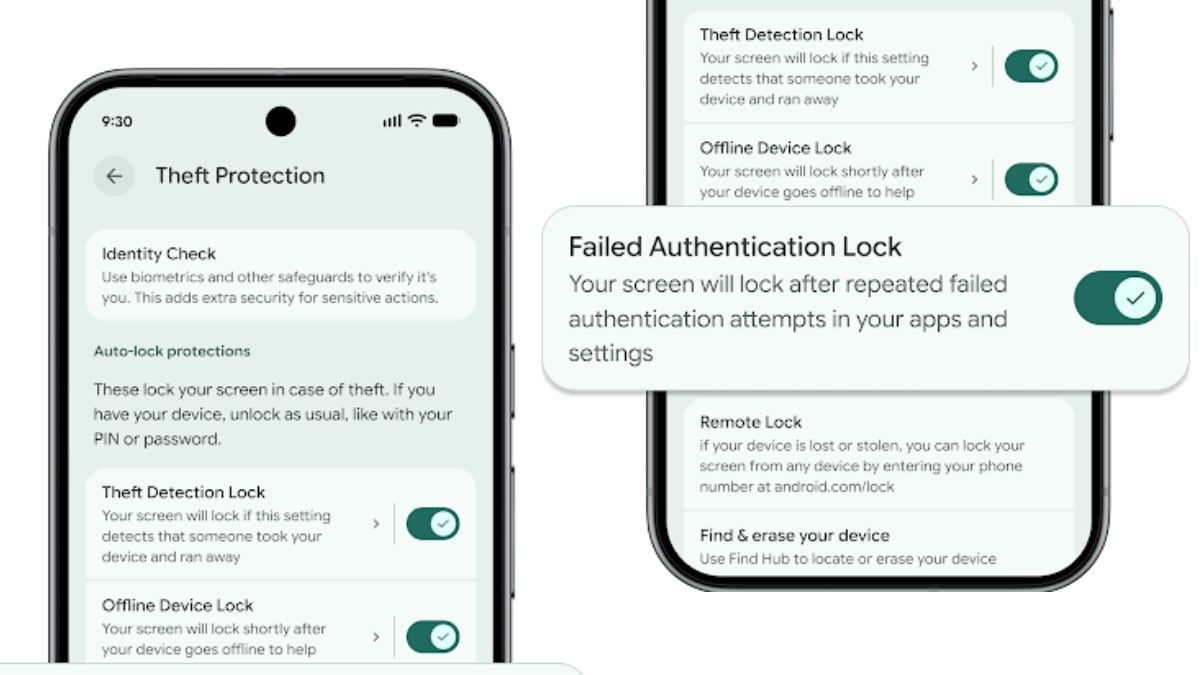


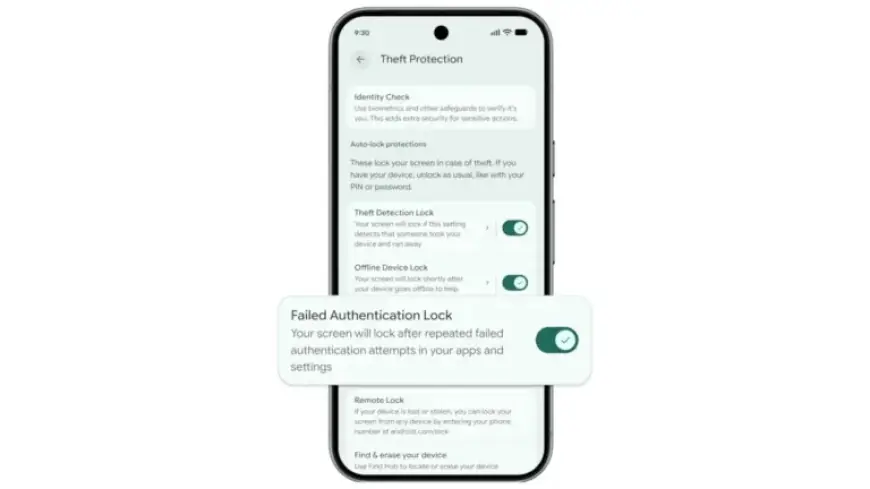



Overview
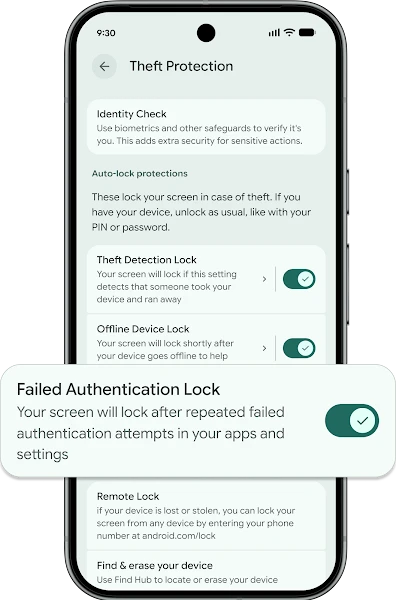
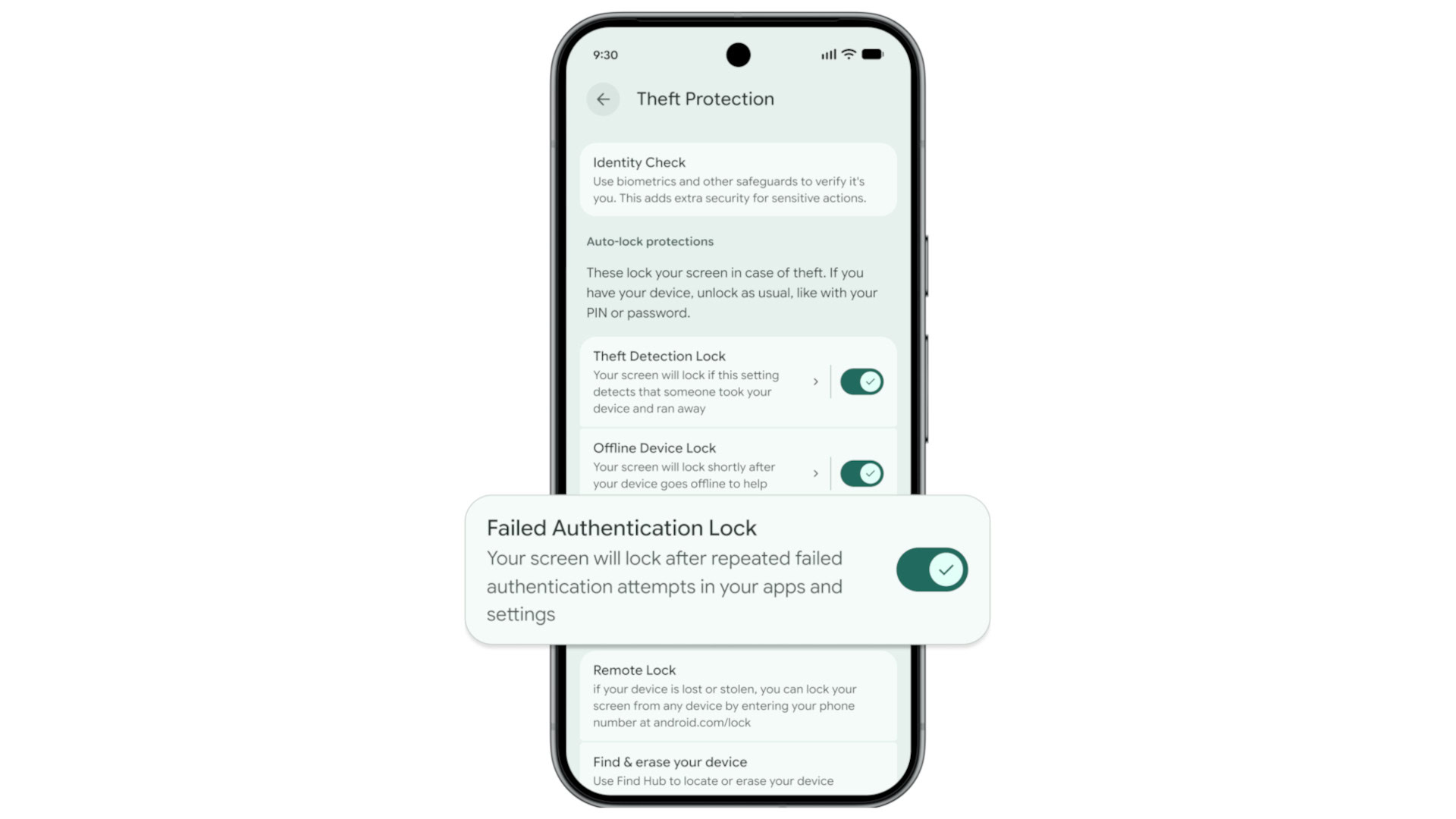
Google's coordinated security initiative affecting approximately 1 billion Android devices worldwide represents a critical inflection point for cross-border e-commerce sellers dependent on mobile commerce infrastructure. The update addresses newly discovered vulnerabilities in the Android operating system while simultaneously rolling out advanced theft protection features—including on-device AI-powered Theft Detection Lock and mandatory default-on Remote Lock in Brazil—across Android 10 through Android 16 devices. This dual-track security enhancement directly impacts seller operations through three critical vectors: payment processing reliability, customer trust metrics, and operational system compatibility.
Mobile Commerce Dependency Creates Immediate Operational Risk: Android devices account for approximately 70% of global smartphone usage, making this security update non-negotiable for sellers relying on mobile-first sales channels. The vulnerability patch may temporarily affect app performance or require seller-side application updates to maintain functionality. Sellers operating Android-based point-of-sale systems, inventory management platforms, or customer communication tools must verify compatibility with the latest security patches before rollout completion. Implementation timelines vary by manufacturer and carrier—Samsung, Google Pixel, and carrier-locked devices may receive updates on different schedules, creating a 2-8 week window of potential transaction disruptions.
Theft Protection Features Signal Emerging Market Opportunity: Google's decision to implement mandatory default-on theft protection in Brazil reflects recognition that device theft represents significant financial and personal data risks in emerging markets. This regional prioritization indicates Google's confidence in on-device AI capabilities for detecting "snatch-and-run" theft patterns through motion and context analysis. For sellers targeting Brazilian consumers, this security enhancement increases customer confidence in mobile payment adoption—a critical factor in markets where payment fraud concerns traditionally suppress mobile commerce conversion rates. The Identity Check extension to banking apps and password managers (Android 16+) creates additional authentication friction that sellers must account for in checkout flow optimization.
AI-Powered Security Creates Competitive Intelligence Opportunity: The on-device AI implementation for theft detection represents a significant technical achievement—pattern recognition occurring locally without cloud transmission. Sellers can leverage this security narrative in marketing to emerging market audiences, positioning their platforms as aligned with device-level security standards. Additionally, the mandatory default-on strategy in Brazil demonstrates Google's shift from opt-in to default-enabled security, suggesting future enforcement of stricter authentication requirements across all regions. Sellers should anticipate similar mandatory security features rolling out to other high-theft markets (India, Southeast Asia, Mexico) within 12-18 months, requiring proactive checkout flow redesign now rather than reactive compliance later.
Questions 8
What are the cost implications of Android security update compatibility for sellers?
Cost implications vary by seller infrastructure: (1) Development resources for app compatibility testing and updates: $2,000-8,000 per application, (2) Potential transaction disruptions during rollout: 2-5% conversion rate drop for 2-8 weeks = $5,000-50,000 revenue impact for mid-sized sellers, (3) Customer support escalations: 15-30% increase in support tickets during rollout period, (4) 3PL provider updates: Some logistics partners may require system updates, adding $500-2,000 in integration costs. Sellers using outdated Android-based POS systems may face complete replacement costs of $10,000-30,000. However, the security enhancement ultimately reduces fraud losses and increases customer trust, providing long-term ROI. Sellers should budget for compatibility testing and potential app updates within Q1 2025 to avoid disruptions during peak selling seasons.
Which emerging markets should sellers prioritize for Android security feature optimization?
Brazil is the immediate priority due to Google's mandatory default-on theft protection rollout for new device activations. However, sellers should anticipate similar security feature enforcement in India, Southeast Asia (Indonesia, Philippines, Vietnam), Mexico, and Nigeria within 12-18 months based on device theft prevalence and mobile commerce growth rates. These markets represent $150-200B in annual mobile commerce volume and are experiencing 25-35% year-over-year growth in mobile payment adoption. Sellers targeting these regions should proactively optimize checkout flows for biometric authentication, test payment processing with latest Android versions, and develop marketing messaging emphasizing device-level security. The competitive advantage window for sellers who optimize early is 6-12 months before security features become standard expectations. Consider allocating 10-15% of development resources to emerging market Android optimization in 2025.