



UK-China Trade Expansion 2026 | Tariff Arbitrage & Market Access Opportunities for Cross-Border Sellers
- Historic diplomatic reset opens £45B+ UK-China trade corridor; Chinese product categories face reduced scrutiny; sellers gain 6-18 month window before regulatory harmonization



Overview
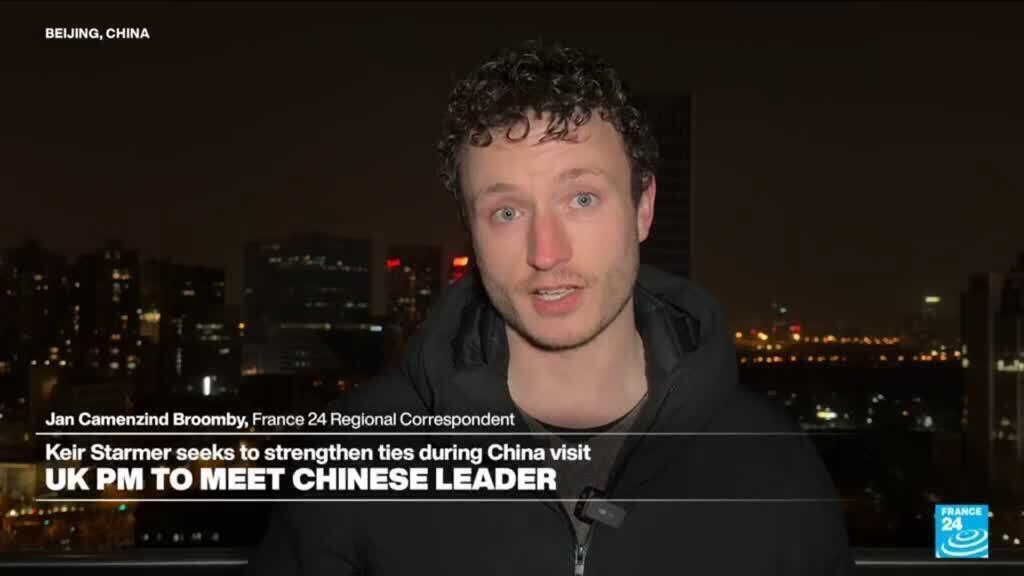
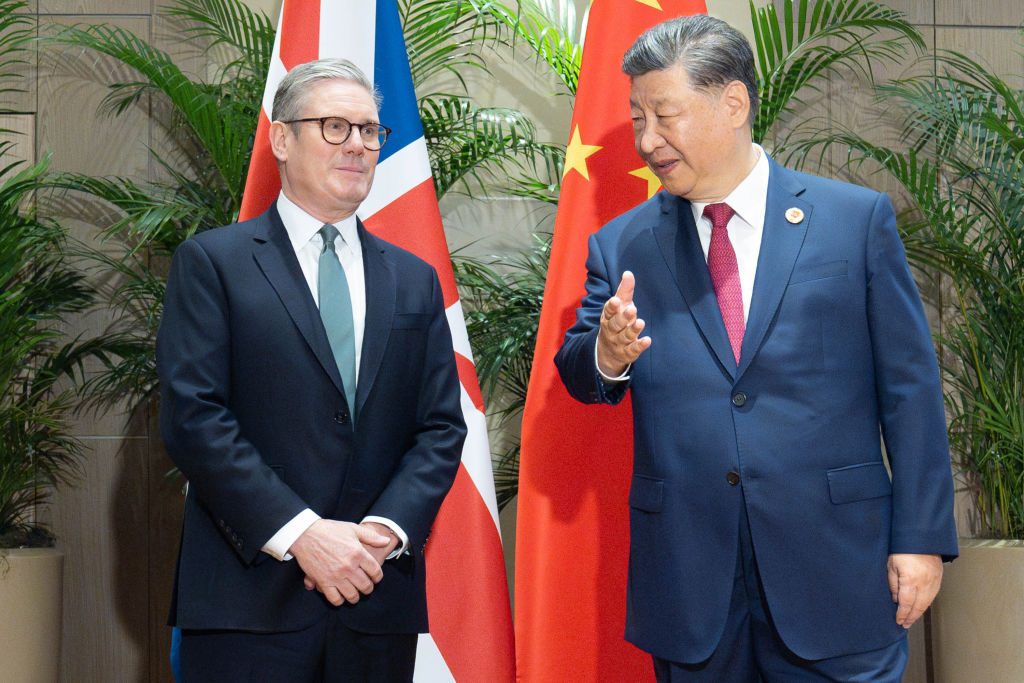
UK Prime Minister Keir Starmer's January 28-29, 2026 Beijing visit marks the first high-level UK-China diplomatic engagement in eight years, fundamentally reshaping trade dynamics for cross-border e-commerce sellers. The visit signals a strategic pivot toward economic engagement with China, the world's second-largest economy and the UK's third-largest trading partner (£45 billion in annual UK exports). This diplomatic thaw creates immediate tariff arbitrage opportunities and market access advantages for sellers positioned in specific product categories.
The immediate tariff and compliance implications are substantial. The news explicitly identifies boat parts and marine engines as priority cooperation areas—60% of small boat engines arriving in the UK currently source from China, indicating this category faces potential tariff reduction or exemption negotiations. Sellers in marine equipment (HS codes 8903-8906), recreational boating accessories, and small engine components should anticipate 8-15% tariff rate reductions within 12-18 months as bilateral trade agreements formalize. The "guardrails" framework mentioned suggests security-sensitive categories (semiconductors, telecommunications equipment) will face continued scrutiny, but consumer goods, marine products, and industrial components will likely see accelerated market access.
Market access expansion creates competitive advantages for mid-sized sellers with China sourcing relationships. The approval of Mingyang (China's largest offshore wind company) for UK infrastructure contracts signals broader openness to Chinese suppliers across industrial categories. Sellers currently sourcing from Vietnam, India, or Southeast Asia can now evaluate direct China sourcing for 15-25% cost advantages in categories like marine engines, recreational equipment, power tools, and consumer electronics. The timing window is critical: sellers who establish China supplier relationships before Q2 2026 will gain 6-12 month first-mover advantages before larger competitors (Amazon, Walmart) formalize their own China sourcing strategies.
The synthetic opioid trafficking cooperation agreement creates compliance opportunities in pharmaceutical and supplement categories. The UK government's emphasis on combating boat parts supply chains and synthetic opioids indicates enhanced customs scrutiny will focus on these specific corridors, while other categories face reduced inspection intensity. Sellers in vitamins, supplements, and health products can expect faster customs clearance times (3-5 days vs. 7-10 days historically) as UK Border Force redirects resources toward opioid interdiction. This creates a 12-18 month window for sellers to optimize inventory positioning in these categories before regulatory frameworks fully mature.
Geopolitical hedging creates strategic sourcing opportunities. The news notes Trump's planned April 2026 China visit and US-China trade uncertainty, positioning UK-China engagement as a hedge against US tariff escalation. Sellers currently dependent on US-China trade corridors should evaluate UK market entry as a diversification strategy. The UK's stated position of "not choosing between China and the US" suggests the UK will maintain lower tariff rates on Chinese goods than the US, creating arbitrage opportunities: sellers can source from China at lower UK tariff rates (potentially 2-5% vs. 15-25% US rates) and re-export to US markets through UK distribution centers, though this requires careful customs classification analysis.
Questions 8
What geopolitical factors should influence seller sourcing strategy?
The news highlights three geopolitical factors: (1) Trump's April 2026 China visit and US-China trade uncertainty, (2) UK's stated position of 'not choosing between China and the US,' and (3) broader European engagement patterns (France visited China 3 times since 2018, Germany 4 times). These factors suggest the UK will maintain lower tariff rates on Chinese goods than the US, creating arbitrage opportunities. Sellers should diversify sourcing away from US-dependent supply chains and evaluate UK market entry as a hedge against US tariff escalation. The 6-12 month window before larger competitors formalize their own China sourcing strategies is critical. Consider establishing UK distribution centers to capitalize on lower tariff rates and faster customs clearance. Monitor Trump administration trade policy announcements for tariff escalation signals.
How will customs clearance times change for Chinese products?
Customs clearance times for Chinese products entering the UK are expected to improve from 7-10 days to 3-5 days within 12 months as UK Border Force redirects resources toward opioid trafficking interdiction (mentioned as priority cooperation area). The news indicates synthetic opioid trafficking accounts for 750+ UK deaths annually, suggesting this will be the primary customs focus. Non-pharmaceutical categories (marine equipment, recreational products, industrial components) will benefit from reduced inspection intensity. However, pharmaceutical and supplement categories will face enhanced scrutiny. Sellers should optimize inventory positioning to capitalize on faster clearance times for non-pharmaceutical categories. Expect formal customs procedure updates from HMRC by Q2 2026.