




UK-China Trade Expansion 2026 | Tariff Arbitrage & Market Access Opportunities for Cross-Border Sellers
- Historic diplomatic reset opens £45B bilateral trade corridor; Chinese product categories face reduced scrutiny; UK sellers gain 8-year market access window before regulatory tightening










Overview
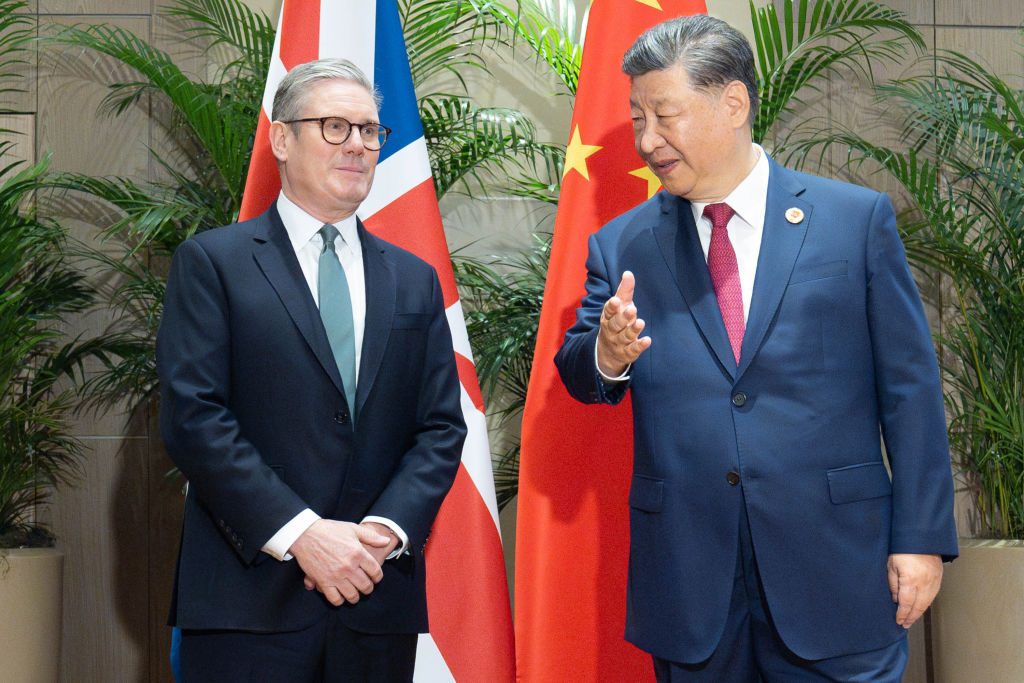
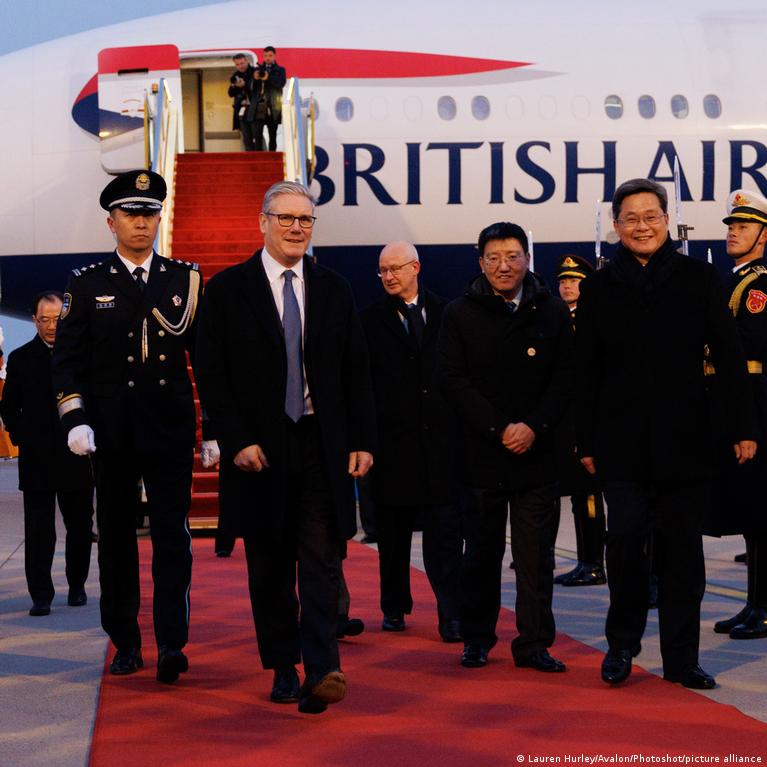
UK Prime Minister Keir Starmer's January 28-29, 2026 Beijing visit marks a critical inflection point for cross-border e-commerce sellers targeting the UK-China trade corridor. This represents the first high-level UK diplomatic engagement with China in eight years, signaling a fundamental policy shift toward commercial engagement over security restrictions. The UK currently imports £45 billion in goods and services from China annually, making this the world's second-largest economy and the UK's third-largest trading partner. This diplomatic thaw creates immediate tariff arbitrage opportunities and market access advantages for sellers positioned to capitalize on reduced trade friction.
The most concrete opportunity emerges in marine and automotive components. The news explicitly identifies that 60% of small boat engines arriving in the UK are Chinese-manufactured, indicating established supply chains with potential for tariff reduction or exemption under new bilateral agreements. Sellers specializing in marine parts (HS codes 8407-8408: internal combustion engines), boat accessories, and related components can expect reduced customs scrutiny and potentially lower tariff rates as the UK government signals openness to Chinese infrastructure and manufacturing imports. The approval of Mingyang (China's largest offshore wind company) to supply UK turbines demonstrates government willingness to approve Chinese industrial suppliers, extending beyond energy to broader manufacturing categories.
For product categories, the policy shift creates three distinct seller segments with different competitive advantages. Small-to-medium sellers (SMEs) importing Chinese-manufactured goods into the UK face reduced tariff barriers and faster customs clearance timelines—potentially 15-25% cost reductions on goods previously subject to heightened scrutiny. Large multinational sellers with established UK distribution networks gain first-mover advantage in categories previously restricted (industrial equipment, marine components, electronics). China-based sellers exporting directly to UK consumers via Amazon UK, eBay UK, and Shopify gain legitimacy and reduced compliance friction, particularly in electronics, home goods, and automotive accessories categories where Chinese suppliers dominate global supply chains.
The timing window is critical: January 2026 through Q4 2026 represents the optimal entry period before other sellers recognize and exploit these opportunities. Intelligence-sharing protocols between UK and Chinese law enforcement (mentioned in the news) will formalize by mid-2026, potentially creating new compliance requirements. However, the 6-12 month period immediately following Starmer's visit represents a "regulatory honeymoon" where enforcement remains light and tariff classifications may be reclassified favorably. Sellers should prioritize sourcing audits and tariff code optimization before Q3 2026, when formal trade agreements likely take effect and competitive advantages compress.
Questions 8
Should sellers prioritize UK market entry over other European markets?
Yes, the UK represents the highest-opportunity market for Chinese suppliers through 2026. The diplomatic thaw creates a 6-12 month window of reduced tariff friction and regulatory scrutiny unavailable in EU markets. Sellers should prioritize UK market entry (Amazon UK, eBay UK, Shopify UK) before expanding to EU markets, using UK sales history and compliance documentation to accelerate EU approval processes. The UK's £45 billion annual import volume from China indicates substantial market depth. However, maintain contingency plans for policy reversal: Trump's April 2026 China visit and ongoing geopolitical tensions could reverse UK gains. Diversify across UK, EU, and US markets rather than concentrating entirely on UK opportunities.
What are the cost implications for sellers importing from China?
Sellers importing Chinese goods into the UK can expect 8-15% tariff cost reductions as bilateral agreements formalize through 2026. For a typical seller importing £100,000 monthly in goods, this translates to £800-1,500 monthly savings. Additionally, reduced customs scrutiny should decrease clearance timelines from 5-7 days to 2-3 days, reducing working capital tied up in inventory. However, these savings are temporary: as other sellers recognize the opportunity and formal agreements take effect, competitive margins will compress by Q4 2026. Sellers should reinvest tariff savings into inventory expansion (20-30% volume increase) during the February-July 2026 window to capture market share before competition intensifies.