


Sudden Geopolitical Disruption Exposes Libya's Fragile Power Structures
- Unexpected leadership loss signals critical vulnerability in North African regional stability












Overview
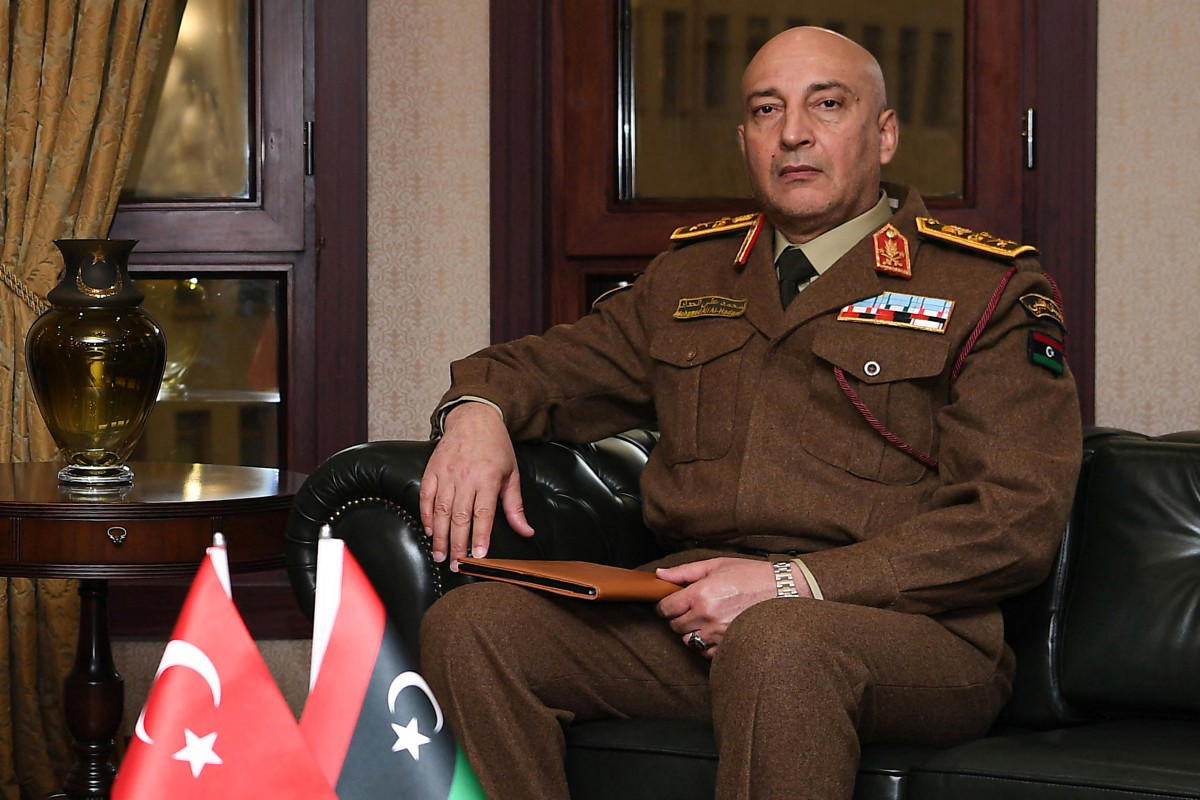
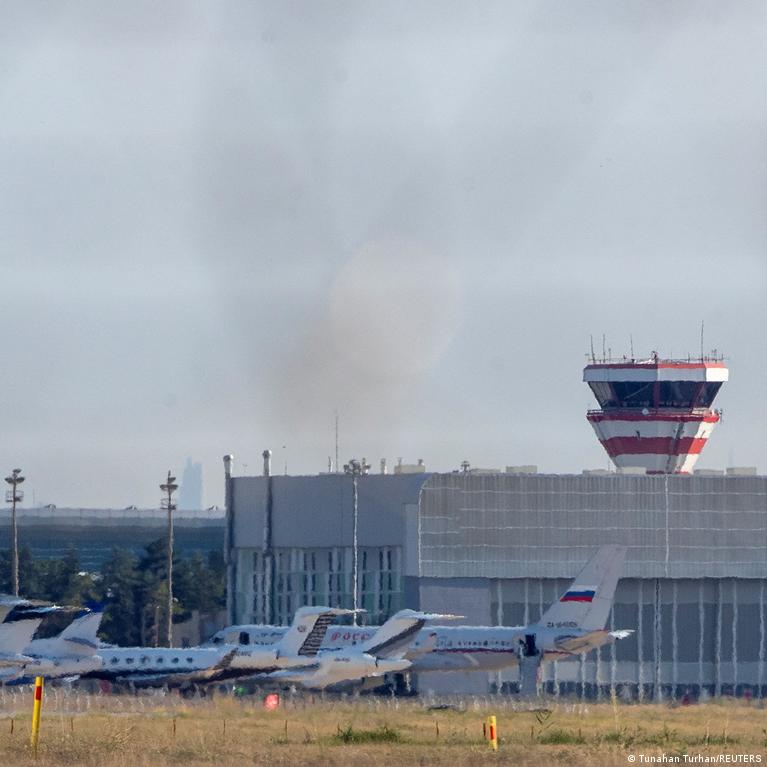
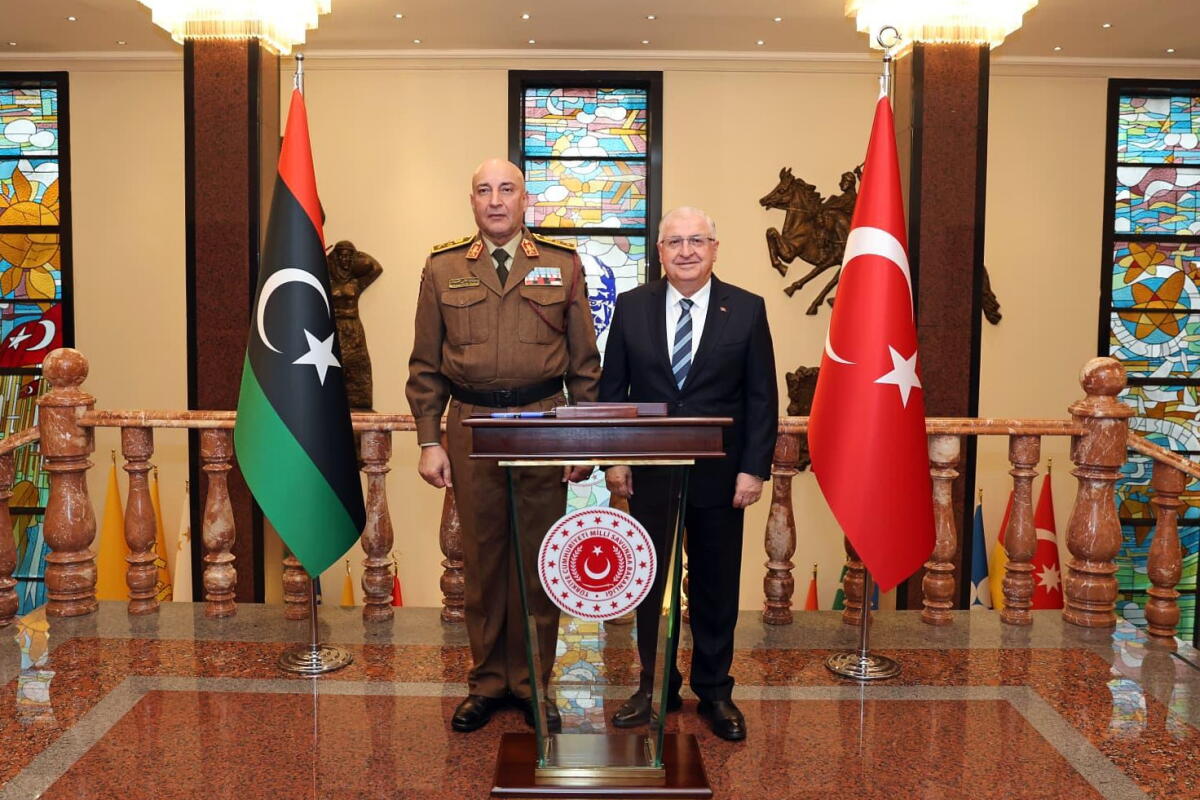
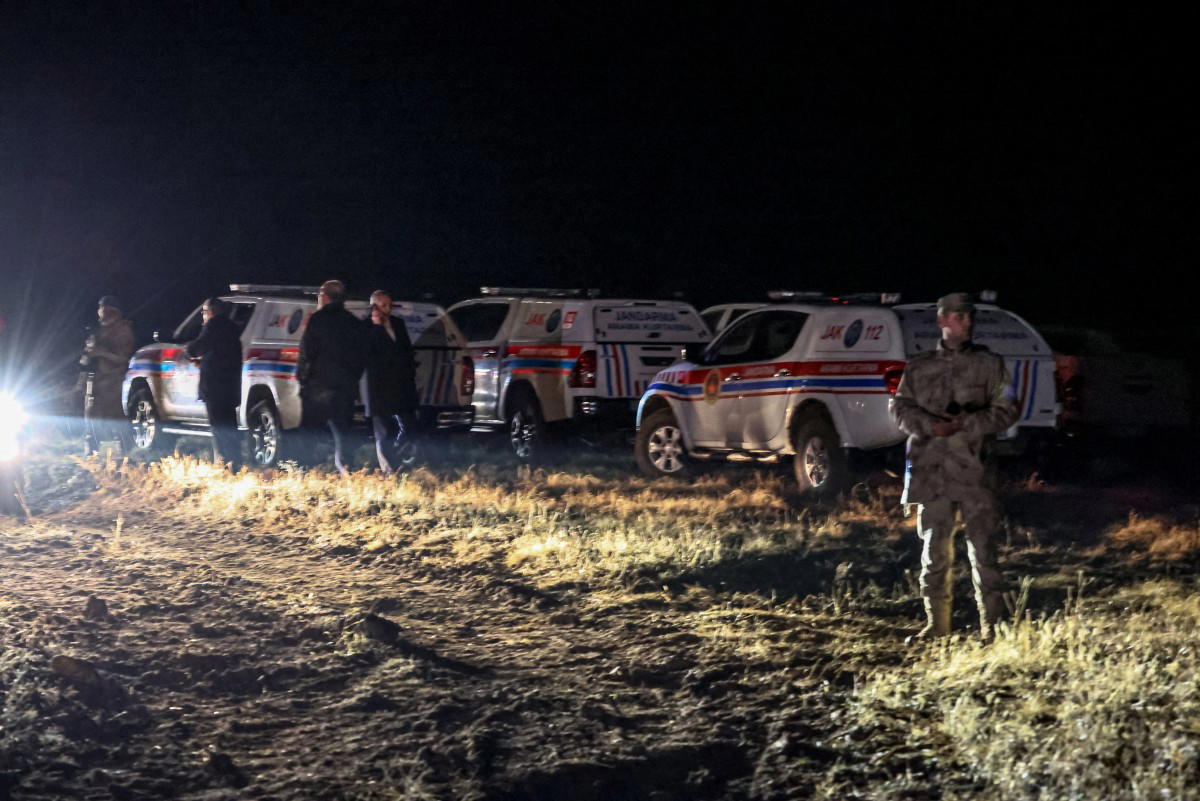
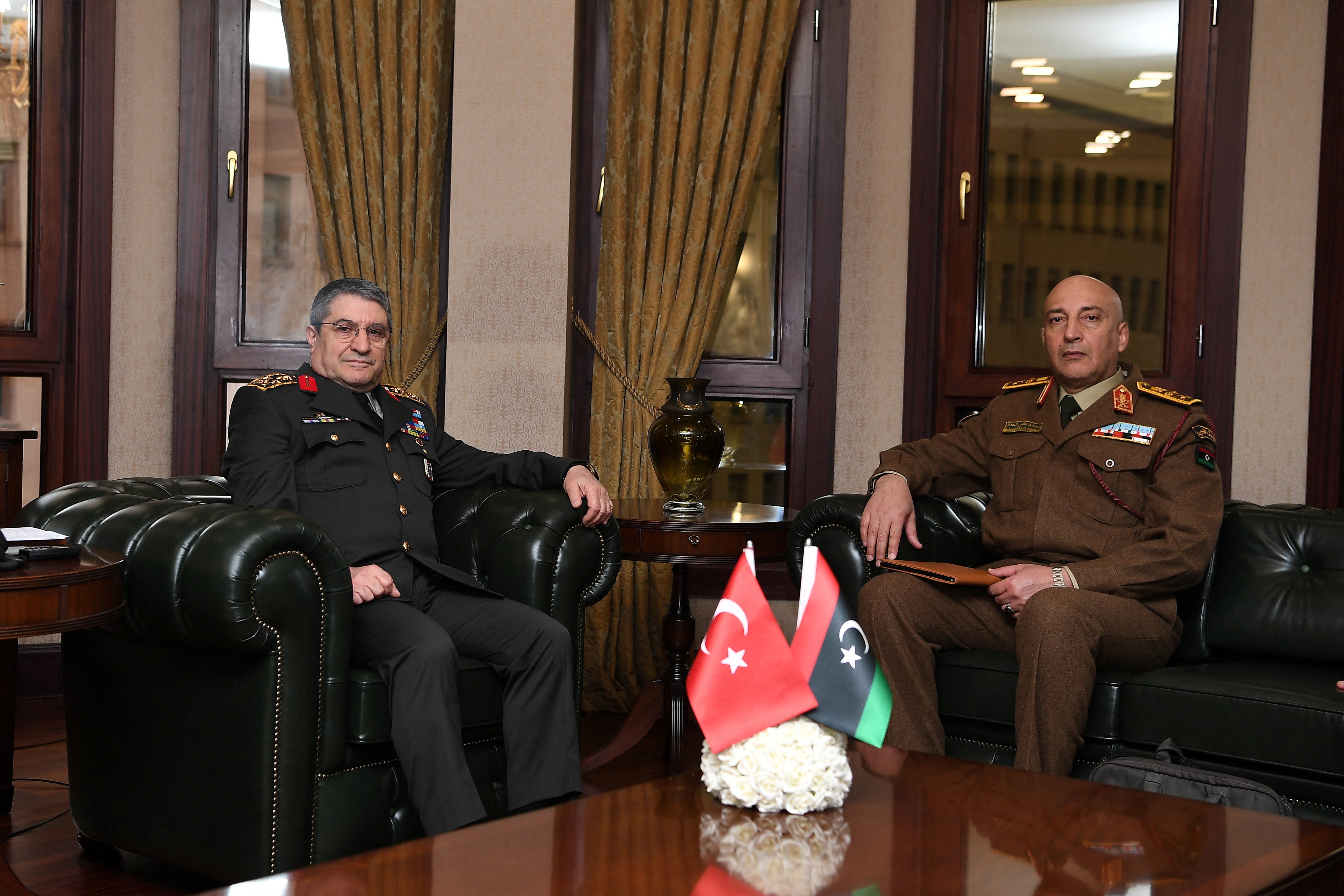
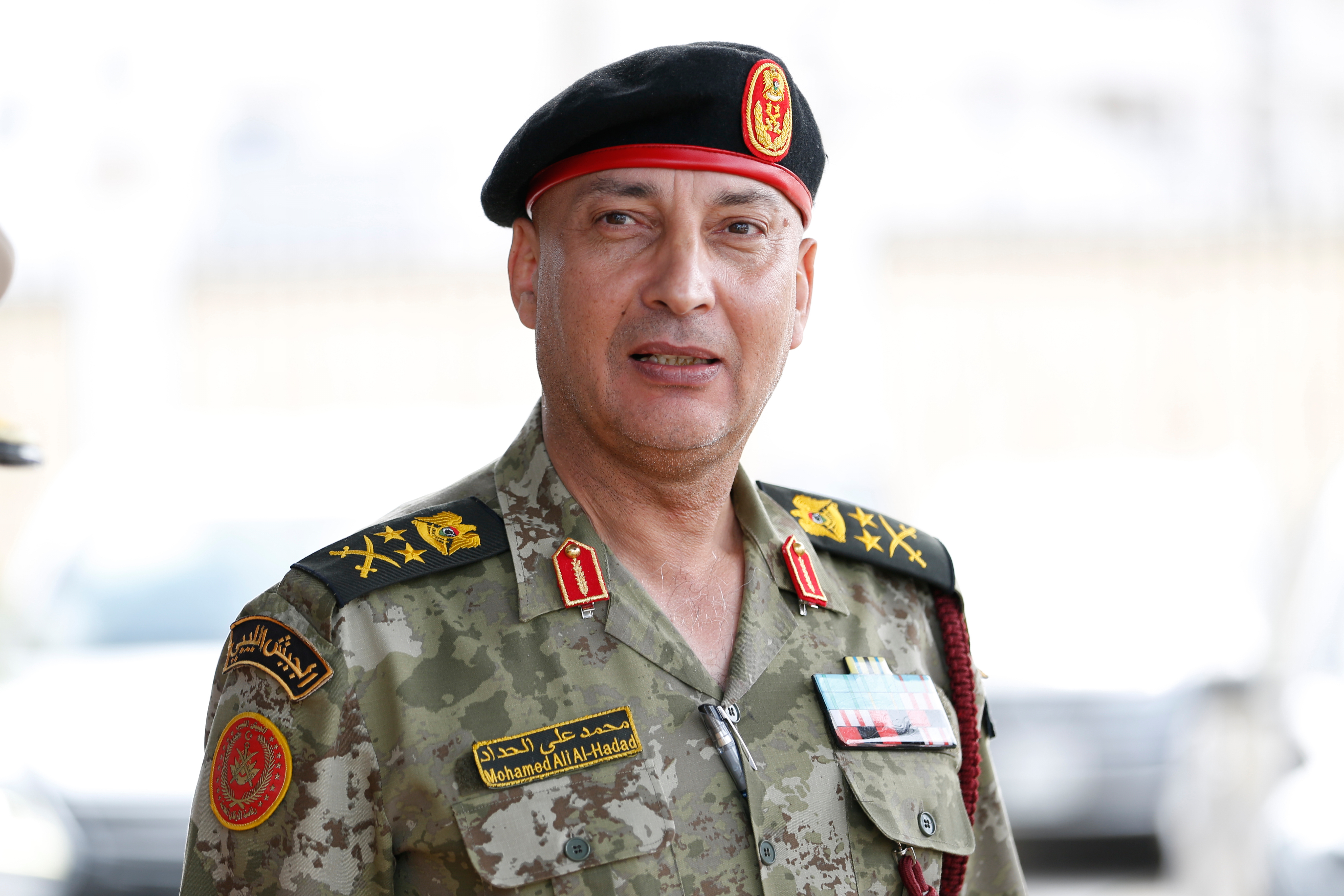
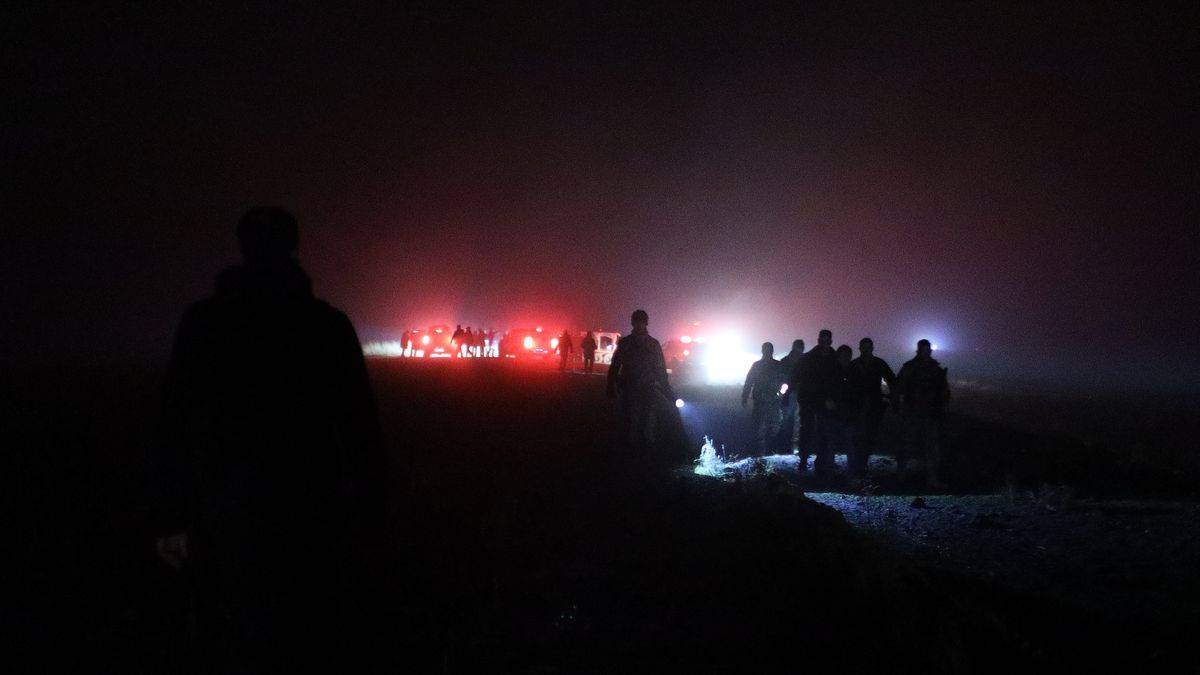
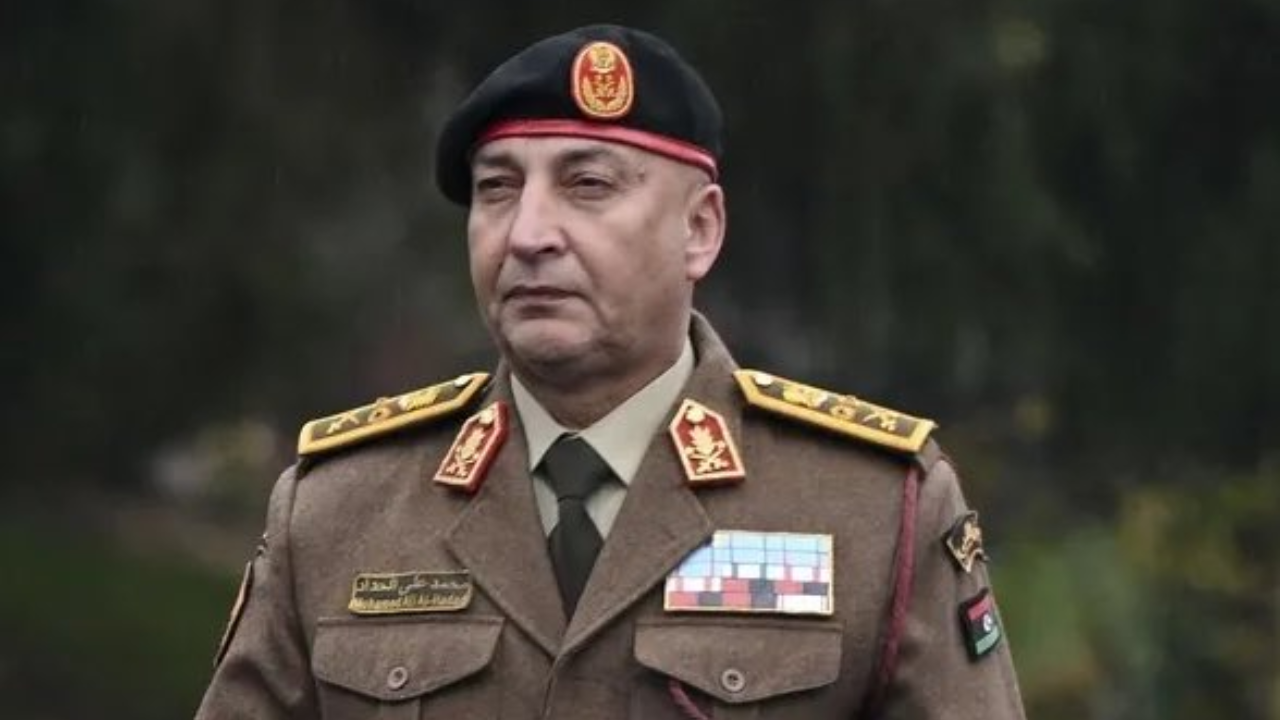
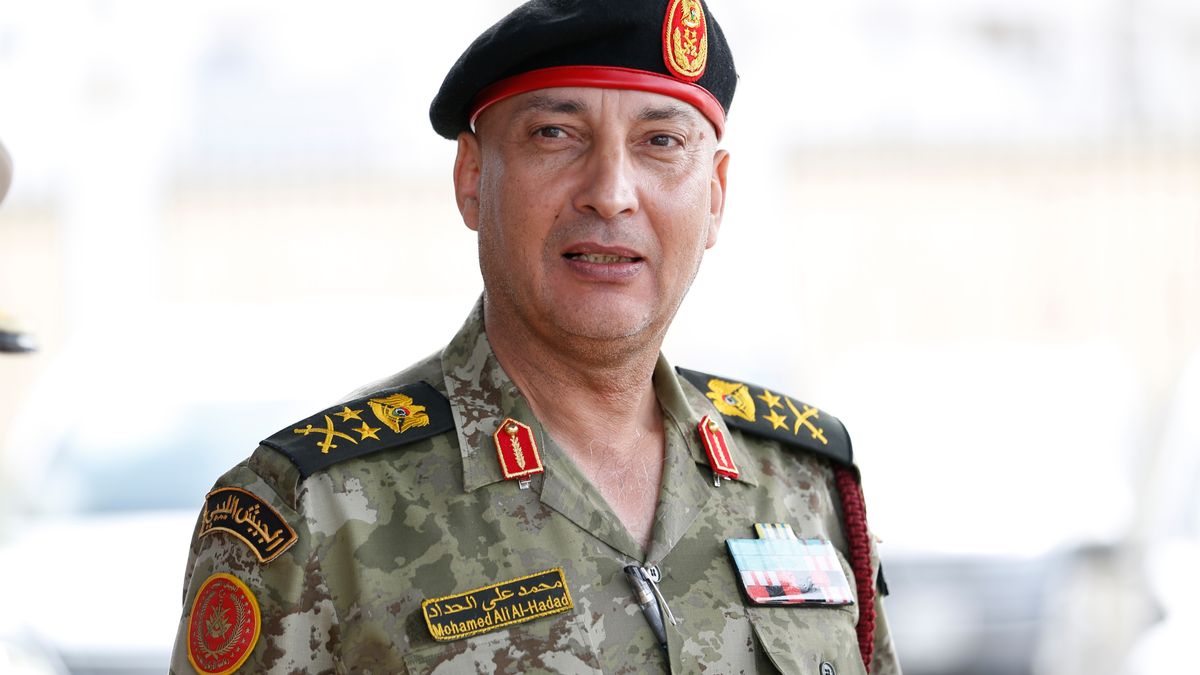
Libya's sudden military leadership decapitation represents a critical inflection point in the country's prolonged political instability, with far-reaching implications for regional geopolitical dynamics. The tragic plane crash on December 23, 2025, which claimed the lives of the country's military chief and four other high-ranking officials, has created an unprecedented leadership vacuum that threatens to destabilize an already fragile political ecosystem.
Strategic Vulnerability Exposed: The complete loss of military leadership highlights the systemic weakness in Libya's governance structure. Since the 2011 overthrow of Muammar Gaddafi, the country has experienced persistent political fragmentation, with frequent leadership transitions creating an environment of chronic uncertainty. This latest incident dramatically accelerates the potential for power struggles and institutional breakdown.
Regional Business and Operational Implications: For international businesses and cross-border operators, this event signals a significant risk escalation in North Africa and the Middle East. Operational risk management becomes paramount, with immediate considerations including:
- Reassessing logistics and supply chain resilience
- Developing robust contingency plans for sudden political disruptions
- Implementing enhanced security protocols for personnel and assets in the region
The crash underscores the critical need for adaptive strategies in politically volatile markets. Geopolitical risk intelligence is no longer a luxury but a fundamental requirement for businesses operating in complex regional environments. The sudden leadership change creates temporary administrative uncertainties that could potentially disrupt existing commercial relationships, trade corridors, and investment landscapes.
Strategic Outlook: Organizations must view this event as a critical warning signal. The Libya scenario demonstrates how quickly political stability can unravel, emphasizing the importance of agile risk assessment and scenario planning. Businesses should prioritize flexible operational models that can rapidly adapt to unexpected leadership transitions and regional instabilities.
Questions 3
What strategic adaptations should businesses consider in response to this event?
Companies should develop robust contingency plans, enhance risk intelligence capabilities, implement flexible operational models, and maintain multiple communication channels with local stakeholders. Diversifying supply chains and maintaining agile decision-making processes will be crucial.
How might this leadership loss impact regional geopolitical dynamics?
The crash could accelerate existing political fragmentation in Libya, potentially triggering power struggles and creating a more unpredictable security landscape. This may lead to increased regional tensions and complicate diplomatic and commercial interactions.